
Reviewed · SANTIAGO DE COMPOSTELA TOURS
Visit Coastal Vineyard
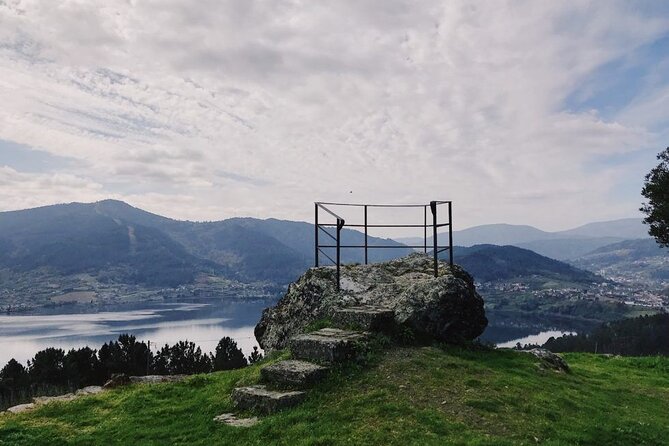
Viña Costeira gives you a close look at Ribeiro wine without turning the visit into a long production. You tour a working vineyard, see the winery, take in the Miño River from the San Cibrao viewpoint, and finish with two wines, Galician cheese, and mariñeira cookies. The regional grape varieties and old farming methods are the real draw.
I like the small, private format, since only your group takes part. I also like the way the visit joins scenery with useful wine facts, including the differences between Galicia’s native grapes. The main consideration is timing: the tour starts at noon and lasts about 90 minutes, so you need to plan your day around a fixed start.
In This Review
- Key points to know
- Why Ribeiro makes this visit worth your time
- Starting at Viña Costeira at noon
- Seeing the vineyards and the San Cibrao viewpoint
- Learning about native Galician grapes
- Entering the winery and seeing the special productions
- Ending with two wines and Galician snacks
- How the private format changes the visit
- Weather, cancellations, and practical planning
- Who will enjoy this Viña Costeira visit most
- Is $17.77 a good value?
- Should you book the Viña Costeira visit?
- FAQ
- Where does the Viña Costeira visit start?
- What time does the tour begin?
- How long does the visit last?
- Where does the activity end?
- What is included in the tasting?
- Is the tour private?
- Can I cancel for a full refund?
Key points to know
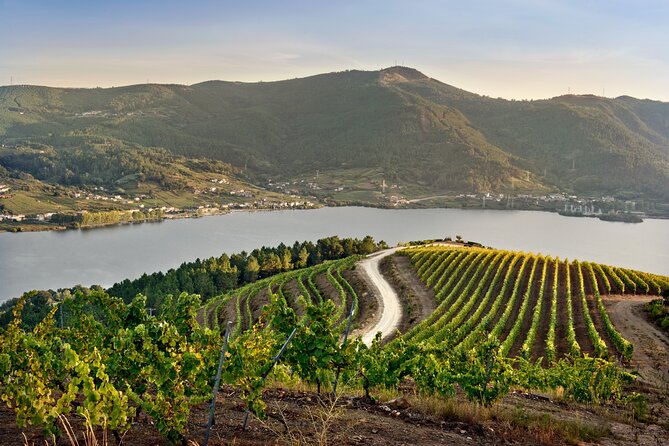
- Miño River views from San Cibrao: The viewpoint adds a strong sense of place before the tasting begins.
- A representative Ribeiro vineyard: You see the vines where the story starts, not only the finished bottles.
- Native Galician grape varieties: The guide explains traditional varieties and how they differ.
- Winery visit included: You move from vineyard to production, with special wines and products introduced along the way.
- Two-wine tasting: The final tasting comes with Galician cheeses and mariñeira cookies.
- Private 90-minute visit: Only your group participates, with confirmation at booking and free cancellation up to 24 hours ahead.
Why Ribeiro makes this visit worth your time
Ribeiro is one of Galicia’s historic wine regions, and Viña Costeira’s story begins with cooperation. The winery was created by hundreds of growers who joined forces to protect local wine production, recover older Galician grape varieties, and support traditional agriculture.
That background gives the visit more substance than a simple tasting. You are not only sampling two wines. You are learning why a cooperative winery matters in a region where vineyards, local farming, and regional identity are closely linked.
I find this especially useful if you are new to Galician wine. The names and styles can be unfamiliar, and a guided introduction helps you connect the grapes to the place. Instead of treating wine as a product with no setting, the tour shows you the land, the vines, the cellar, and the glass in one short visit.
The setting also matters. Viña Costeira describes its vineyard as a privileged spot in the Ribeiro area, and the San Cibrao viewpoint gives you a clear visual introduction to the valley around the Miño River. You get the geographic lesson before the wine lesson. That order makes sense: first see where the grapes grow, then taste what that place produces.
Other Santiago de Compostela days travellers weigh against this one:
- Santiago: Cathedral & Museum Tour + Pórtico of Glory Option
★ 4.7 · 2,116 reviews - From Santiago: Finisterre, Muxia & Costa da Morte Excursion
★ 4.7 · 1,481 reviews - Excursion to Finisterre + Muxia + Costa da Morte (7 stops)
★ 5.0 · 1,367 reviews
Starting at Viña Costeira at noon
The meeting point is Viña Costeira Bodega, at Valdepereira, s/n, 32415 Ribadavia, in Ourense province. The tour begins at 12:00 pm and returns to the same place at the end.
That fixed schedule is easy to understand, but it does affect your planning. This is not a flexible drop-in visit that you can fit around lunch at the last minute. You need to arrive ready for the noon start, and you should allow enough time to find the winery in the Ribadavia area.
The mobile ticket keeps things simple. Booking confirmation arrives at the time of booking, so you can keep the reservation on your phone rather than manage printed paperwork. Since the tour is private, the group consists only of the people in your booking. That can make the visit feel more personal and gives your group a better chance to follow the guide’s explanations at a comfortable pace.
The experience is listed at $17.77 per person. For that price, you receive a vineyard visit, an explanation of traditional Ribeiro viticulture, a winery visit, the San Cibrao viewpoint, and a tasting of two wines with local food. I consider that a fair value for a compact regional introduction, especially if you want more than a stand-alone tasting.
The price makes the most sense for people already visiting Ribadavia or nearby parts of Galicia. If you need a long taxi ride or complicated transport just to reach the winery, the total cost of the outing will be higher than the ticket price. The supplied information does not include transport to the meeting point, so you need to arrange your own way there.
Seeing the vineyards and the San Cibrao viewpoint
The first major part of the visit takes you through one of Viña Costeira’s most representative vineyards. This is where the tour becomes more than a winery presentation. You see the vines themselves and learn about the traditional ways Ribeiro grapes are grown.
The vineyard stop also gives context to the region’s native varieties. The guide introduces the main grapes of the area and explains their differences. That is practical information to carry into the tasting, since you can pay attention to what changes from one wine to the next instead of simply deciding which glass you like best.
The tour description points to centuries-old vineyards in the Ribeiro area, but it does not promise a particular age for every vine you see. Keep that distinction in mind. The value here is the explanation of regional farming and grape varieties, not a guaranteed visit to a specific ancient vine.
The San Cibrao viewpoint is another strong feature. From there, you get views toward the Miño River and a better sense of how the vineyards fit into the area. A viewpoint can sometimes feel like a quick photo stop, but here it supports the wine story. You are looking at the country that shapes the grapes in your glass.
Because the entire experience lasts about an hour and a half, the vineyard and viewpoint portions are likely focused rather than leisurely. That suits you if you want a clear introduction without spending half a day on wine. If you prefer a long walk through many separate plots, extensive food pairing, or a full afternoon at a winery, this visit may feel brief.
Learning about native Galician grapes
For me, the grape explanation is one of the most useful parts of the itinerary. Galicia has its own wine identity, and the visit places traditional varieties at the center rather than treating them as a footnote.
You will hear about the main native grapes grown in Ribeiro and the differences between them. The available details do not list the grape names or provide a technical tasting chart, so you should not expect a formal wine class with detailed scores or production statistics. What you do get is a regional introduction that helps you understand why Ribeiro wines taste and look the way they do.
The story also connects grape choice with agricultural tradition. Viña Costeira’s founding purpose included recovering historical varieties and supporting traditional farming. That means the conversation is not only about flavor. It is also about maintaining local plants and practices in a changing wine market.
A good guide can make this section easy to follow, and Noemi is named as the guide in the visitor account provided for the experience. Her presentation covers the winery’s story from its founding and leads into the tasting. That gives the visit a human thread, rather than a list of disconnected facts.
Since the tour is private, you can ask about the grapes that interest you most. The information does not promise a particular language, specialist level, or personal tasting session, so it is best to view this as an accessible introduction rather than advanced wine training.
A different way to spend the day, same corner of Spain:
- Ría de Arousa: Boat Ride to Mussel Farm with Tasting
★ 4.7 · 845 reviews - From Santiago: Finisterre, Muxia, Ézaro – 7 stops day tour
★ 4.6 · 553 reviews - Santiago de Compostela: Finisterre, Muxia & Costa da Morte
★ 4.7 · 526 reviews - Santiago de Compostela Cathedral and Museum Guided Tour
★ 4.6 · 511 reviews
Entering the winery and seeing the special productions
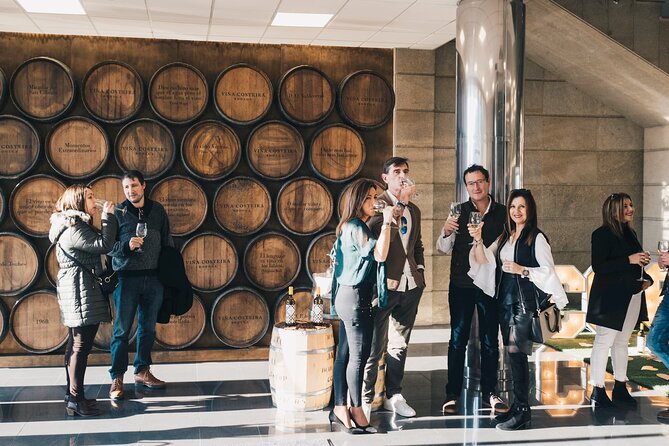
After the vineyard, you go inside the winery to learn how the grapes become finished wines. This change from open vineyard to cellar gives the visit a logical flow. You begin with the region, move to the vines, and then see the production side.
The winery portion focuses on Viña Costeira’s most special elaborations and products. The supplied details do not specify the rooms, equipment, aging vessels, or exact production methods you will see. I would not book this expecting a full technical tour of every stage unless the guide expands on it during your visit.
Still, the winery stop matters because it links the cooperative’s work to the bottles you taste. The founding story is based on unity among growers, and the production visit shows how that shared effort reaches the finished product. It also gives you a chance to ask how traditional varieties are used in the winery’s different wines.
The tour is short enough that the explanations should stay approachable. You are not signing up for an all-day study of fermentation and storage. Instead, you get the broad picture, with a few selected products receiving extra attention.
This balance will suit most people who want local food and wine culture without a heavy technical lecture. If you already know Ribeiro wines well, you may want more depth than the standard 90-minute route provides. The private format may help, though, because you can use your group’s questions to steer some of the discussion.
Ending with two wines and Galician snacks
The final stop is the enotienda, where the experience finishes with a guided tasting of two wines. That is a sensible ending because you have already seen the vineyard and winery and heard about the local grape varieties.
The tasting includes Galician cheeses and mariñeira cookies. These snacks are not just filler. They give you a small taste of the region’s food culture and provide something to eat alongside the wine. The pairing is modest, with two wines rather than a large flight, but it fits the short duration and low price.
The two-wine format is also useful for first-time visitors. Too many samples can blur together, especially if you are still learning the grapes. With two wines, you can focus on the differences the guide has already explained and ask direct questions about the styles.
The available information does not name the two wines served, and the selection may depend on the winery’s current program. Do not book this expecting a guaranteed bottle list. The key promise is a guided tasting of two Viña Costeira wines with cheese and mariñeira cookies.
Noemi’s role is particularly relevant here. The account provided describes her as explaining the winery’s story from its founding and ending with a tasting of two well-known wines. That suggests the tasting is tied back to the history and products of the house, rather than being a casual pour with no explanation.
How the private format changes the visit
Only your group participates, which is a meaningful feature at this price. A private visit can be a good choice for couples, families, or friends who want to ask questions without holding up a larger group.
You also avoid the uncertainty of being placed with a crowd of strangers. The experience remains focused on your party, and the guide can respond to your level of interest. If one person wants to know more about the native grapes while another mainly cares about the views and tasting, the format gives the group some room to balance both interests.
Private does not mean unlimited flexibility. The start time remains noon, the route lasts about 90 minutes, and the itinerary has a set structure. You should also avoid assuming that private means custom transportation, a longer tasting, or a special menu. None of those extras are included in the stated details.
The tour is suitable for most people, and service animals are allowed. The information does not list detailed accessibility features, distances, steps, or terrain conditions. If you have specific mobility needs, contact Viña Costeira before booking so you can confirm that the vineyard and viewpoint fit your requirements.
Weather, cancellations, and practical planning
The experience requires good weather because part of it takes place outdoors in the vineyard and at the viewpoint. If poor weather forces a cancellation, you are offered another date or a full refund.
You can cancel for a full refund up to 24 hours before the local start time. Cancellations or changes made less than 24 hours before the start are not refunded or accepted. The experience also requires a minimum number of participants. If that minimum is not reached, you are offered another date or experience, or a full refund.
The tour is booked, on average, 12 days ahead. That does not guarantee that every date fills early, but it gives you a useful planning signal. If your Galicia schedule is fixed, booking ahead is sensible. It also lets you watch the weather and keep the 24-hour cancellation deadline in mind.
The mobile ticket is convenient, but keep your phone charged and have the confirmation available when you arrive. Since the activity starts and ends at the winery, check your route to Valdepereira before the day of the visit.
Who will enjoy this Viña Costeira visit most
I would recommend this experience to you if you want a short, local wine outing with several elements in one package. It suits people who value scenery, regional food, and a plain explanation of how a winery works.
It is especially good for:
- First-time visitors to Ribeiro wine
- Couples and small private groups
- People staying near Ribadavia
- Wine drinkers interested in native Galician varieties
- Visitors who want a tasting with food, not just two pours
- Anyone looking for a 90-minute activity rather than a full-day wine route
Families may also find the short length manageable, although the core subject is wine and the tasting is intended for adults. The information says most people can participate, but it does not provide a child-specific program.
You may want something else if your priority is a long cellar tour, a large wine flight, extensive food pairings, or a full meal. The visit is focused and compact. Its strength is the complete regional story in a short time, not a marathon of tastings.
Is $17.77 a good value?
At $17.77 per person, I think the experience offers solid value. You are paying for more than the final tasting: the vineyard, the San Cibrao viewpoint, the native grape explanation, the winery visit, and the snacks all form part of the price.
The private format improves the value for a small group. A shared tour might cost less in some destinations, but having only your party involved can make the explanations more relevant and comfortable. You also return to the same meeting point, so there is no need to manage a second drop-off location.
The limits are clear. You receive two wines, not a broad tasting menu. Transport is not listed as included, and the 90-minute duration means each stop receives a measured amount of time. If you judge wine experiences by the number of samples alone, you may find the offering modest. If you judge it by the combination of setting, regional education, and tasting, the price works well.
Should you book the Viña Costeira visit?
Book it if you want an easy introduction to Ribeiro wine that connects the vineyard, the Miño River setting, the winery, and the glass in front of you. The private group format, guide Noemi’s story-led presentation, and Galician cheese and mariñeira cookies make it more personal than a basic tasting-room stop.
Think twice if you need transport included, a long technical winery tour, or more than two wines. For everyone else, this is a practical 90-minute stop near Ribadavia, with enough local character to make the price worthwhile. Book ahead if your schedule is tight, arrive for the noon start, and check the weather before the cancellation deadline.
FAQ
Where does the Viña Costeira visit start?
It starts at Viña Costeira Bodega, Valdepereira, s/n, 32415 Ribadavia, Ourense, Spain.
What time does the tour begin?
The experience starts at 12:00 pm.
How long does the visit last?
The visit lasts approximately 1 hour and 30 minutes.
Where does the activity end?
The activity ends back at the Viña Costeira meeting point.
What is included in the tasting?
The final tasting includes two wines, Galician cheeses, and mariñeira cookies.
Is the tour private?
Yes. Only your group participates in the private tour or activity.
Can I cancel for a full refund?
Yes. You can cancel at least 24 hours before the local start time for a full refund. Changes or cancellations made less than 24 hours before the start are not accepted or refunded.
Recently reviewed around Santiago de Compostela
- Guided Visit to the Estrella Galicia Museum with Beer Tasting★ 5.0 · 382 reviews
- Santiago: Guided Foodie Tour with Drinks, Tapas & Live Music★ 4.7 · 153 reviews
- Santiago de Compostela: Cathedral, Museum, and Old Town Tour★ 4.8 · 382 reviews
- Santiago de Compostela: Massage Treatment★ 4.8 · 170 reviews
- Santiago de Compostela: Finisterre, Muxia & Costa da Morte★ 4.7 · 526 reviews
- Santiago Complete Tour: City, Portico and Cathedral Tickets★ 4.7 · 108 reviews
- Santiago de Compostela Cathedral and Museum Guided Tour★ 4.6 · 511 reviews
- From Santiago: Rías Baixas Galicia Seafood & Wine Day Tour★ 4.6 · 209 reviews
Santiago de Compostela Tours, compared.
Santiago: Cathedral & Museum Tour + Pórtico of Glory Option
Read our review →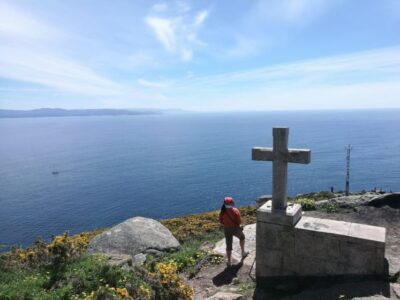
From Santiago: Finisterre, Muxia & Costa da Morte Excursion
Read our review →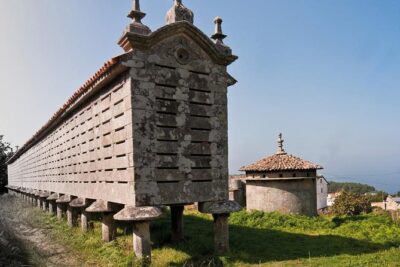
Excursion to Finisterre + Muxia + Costa da Morte (7 stops)
Read our review →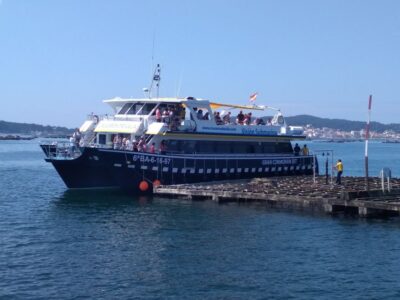
Ría de Arousa: Boat Ride to Mussel Farm with Tasting
Read our review →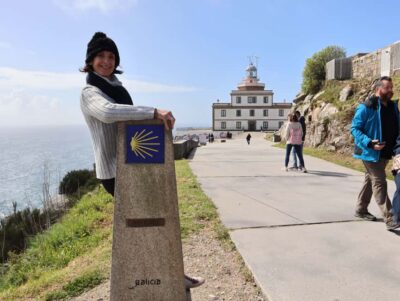
From Santiago: Finisterre, Muxia, Ézaro – 7 stops day tour
Read our review →
Santiago de Compostela Cathedral and Museum Guided Tour
Read our review →
From Santiago: Tour to Rias Baixas with Boat Trip and Winery
Read our review →Browse the lists this tour appears in