
Reviewed · SANTIAGO DE COMPOSTELA TOURS
From Santiago: Finisterre, Muxia & Costa da Morte Excursion
The most memorable part of this day is the run of dramatic coastal viewpoints, from Muxía’s sanctuary and lighthouse to Cape Finisterre, the Roman world’s supposed end of the earth. You also get a waterfall that reaches the ocean, a medieval village, and two old coastal towns without having to sort out rural bus connections.
I like the excellent value at $56, and I like the way the day mixes scenery with small details of Galician life, such as the enormous stone hórreo at Carnota. The main drawback is the clock: seven stops in 9.5 hours means some places, especially Muxía and Cape Finisterre, can feel short.
In This Review
- Key points at a glance
- Why this Costa da Morte day trip works
- Ponte Maceira starts with stone and river views
- Muxía brings together faith, myth, and the sea
- Cape Finisterre gives the tour its headline view
- Fisterra is your proper lunch break
- Ézaro Waterfall changes the scenery
- Carnota reveals Galicia’s giant hórreo
- Muros closes the route with a coastal stroll
- What the $56 price really buys you
- Timing, meeting points, and comfort
- Weather can shape the whole experience
- Who should book this excursion
- Should you book it?
- FAQ
- How long does the excursion last?
- Where does the tour depart?
- Which languages are available?
- Is lunch included?
- Does the tour involve a lot of walking?
- Is the excursion wheelchair accessible?
- What places does the tour visit?
- Can I cancel or pay later?
Key points at a glance
- Cape Finisterre gives you the day’s grandest view, with time for photos, a walk, and a little shopping.
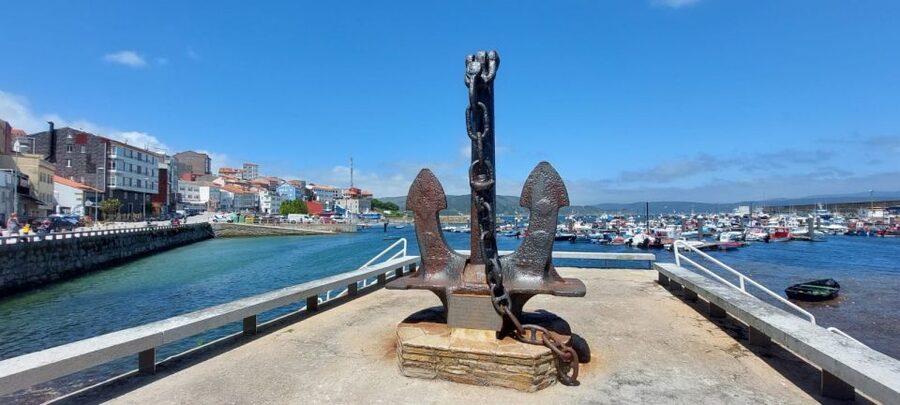
- Muxía combines a lighthouse, a famous sanctuary, and Galician legends in one coastal stop.
- Ézaro Waterfall is unusual because its river reaches the sea, a sharp change from the open headlands.
- Ponte Maceira offers a medieval village and Roman bridge views at the start of the route.
- Carnota’s giant hórreo shows practical rural Galicia, not just postcard scenery.
- The tour suits Camino walkers and short-stay visitors, though independent explorers may want longer in each town.
Why this Costa da Morte day trip works
The Costa da Morte is best understood through movement. You pass from river country to rocky headlands, from pilgrimage stories to fishing towns, then return inland by a different coastal route. A car makes the journey easier, but a guided coach makes it far easier to understand what you are seeing.
This is not a single-site excursion with one big attraction and filler around it. The day has a clear rhythm: short rides, a guided introduction, free time, then another road through Galicia. You will not spend hours walking, either. The activity is designed for people who want to see a lot without a demanding physical schedule.
The guide matters here. The route includes legends connected with Muxía, Roman associations with Finisterre, local architecture, and practical advice about where to eat in Fisterra. Guides named Ana, David, Alexis, Maria, Laura, Alberto, Noelle, and Martin have led departures, so your exact guide will vary. Past departures have been especially praised for clear explanations, friendly help, and smooth coordination with the driver.
The coach has air conditioning, and the driver handles roads that connect scattered coastal sites. That gives you a much better chance of seeing the full route than trying to piece it together with public buses. One particularly useful detail: the left side of the bus may offer better views on some stretches, though your seat is not guaranteed.
Other Santiago De Compostela days travellers weigh against this one:
- Santiago: Cathedral & Museum Tour + Pórtico of Glory Option
★ 4.7 · 2,116 reviews - Excursion to Finisterre + Muxia + Costa da Morte (7 stops)
★ 5.0 · 1,367 reviews - Ría de Arousa: Boat Ride to Mussel Farm with Tasting
★ 4.7 · 845 reviews
Ponte Maceira starts with stone and river views
The first sightseeing stop is Ponte Maceira, a traditional Galician village about 30 minutes after departure. You will walk toward the Roman bridge and view the river from above. The stop lasts about 25 minutes, so think of it as a handsome introduction rather than a long village visit.
What makes this opening stop useful is its scale. Before the major capes and ocean horizons, you get a sense of Galicia as a place of stone bridges, old settlements, and running water. The guide explains the setting while you take photos and walk a short distance.
Do not expect a full museum visit or an extended wander through the village. The appeal is visual and atmospheric, and the time is enough for the bridge and river but not for a slow exploration.
Muxía brings together faith, myth, and the sea
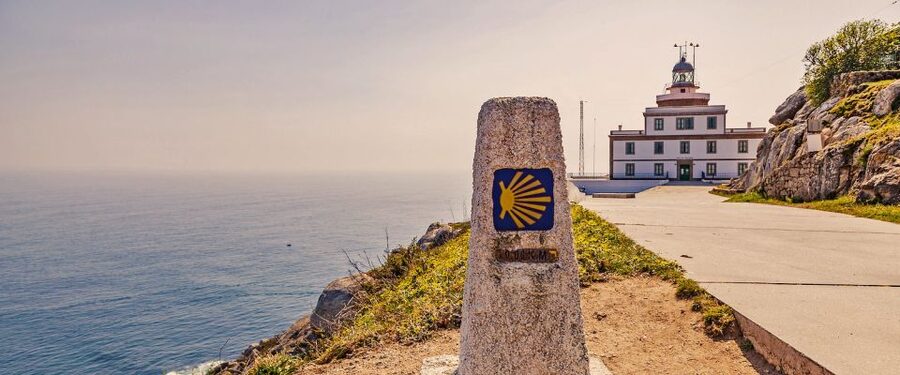
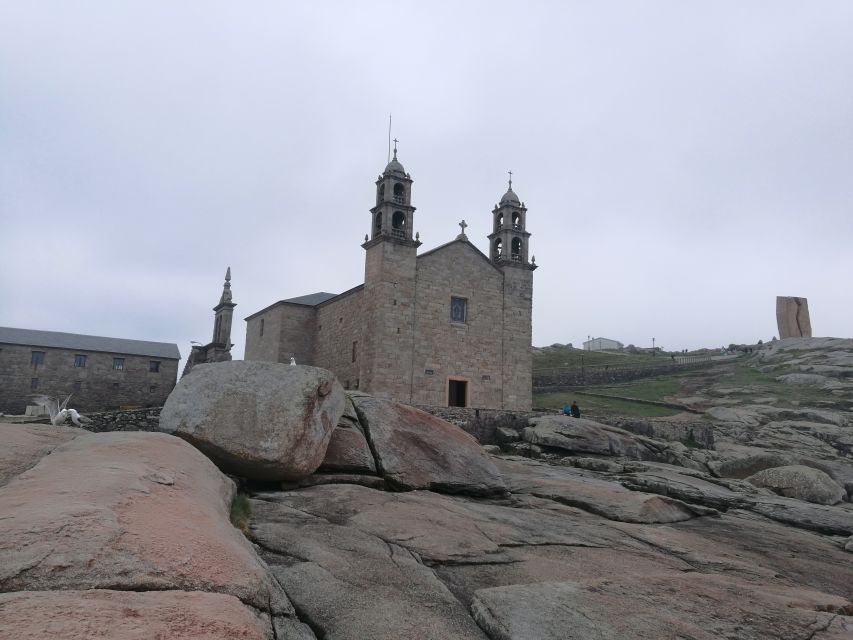
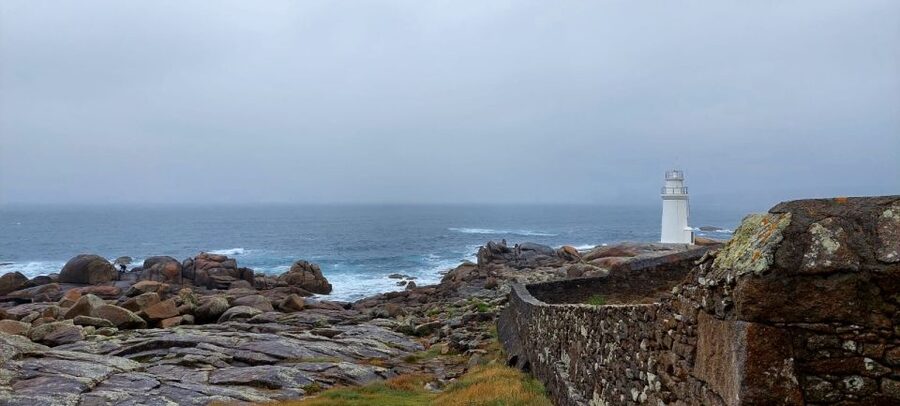
After about 40 minutes on the bus, you reach Muxía for roughly 45 minutes. This is one of the most meaningful stops because the visit includes the lighthouse, the famous sanctuary, coastal views, and the stories tied to the area.
Muxía is closely connected with pilgrimage traditions and local legends. Your guide explains those stories along with the history of the sanctuary, giving the rocks and buildings more meaning than a quick photo stop would provide. You can then use free time to look around at your own pace.
The plan refers to reaching the top of the lighthouse for a special coastal view. Conditions and access can affect exactly how this works on the day, so follow your guide’s instructions. Bring a light jacket even in fair weather. The coast can feel exposed, and Galicia’s weather can change quickly.
This is also one of the stops where the timetable may feel tight. If you like taking quiet photographs, reading every sign, or lingering by the water, 45 minutes will pass quickly. The trade-off is that you see Muxía alongside six other worthwhile places.
Cape Finisterre gives the tour its headline view
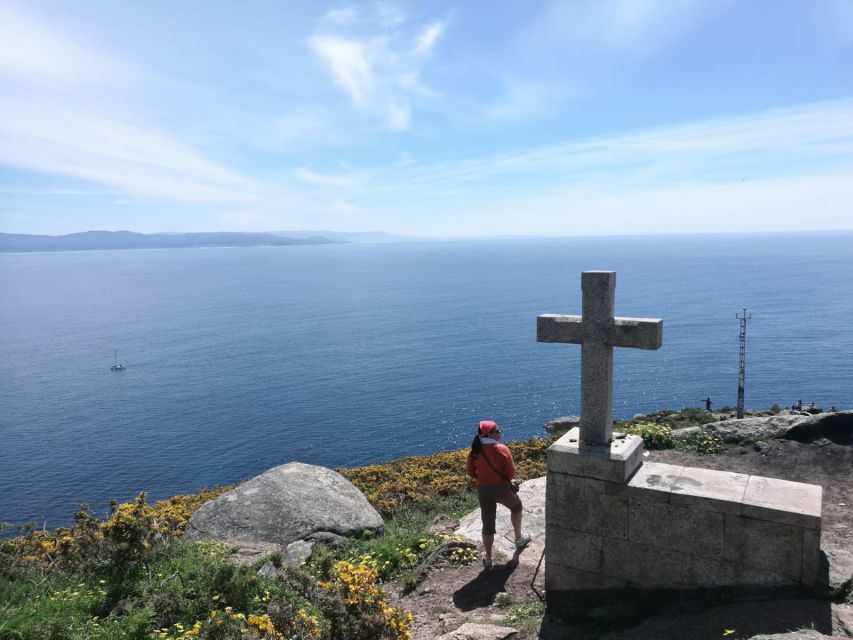
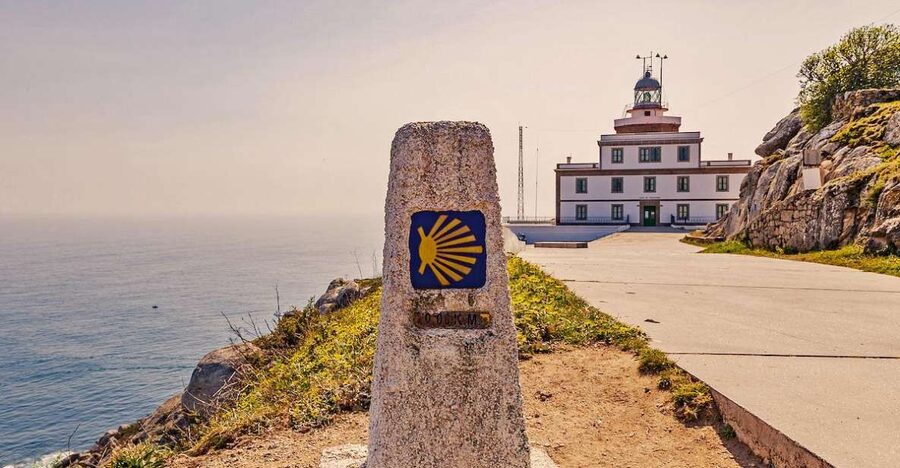
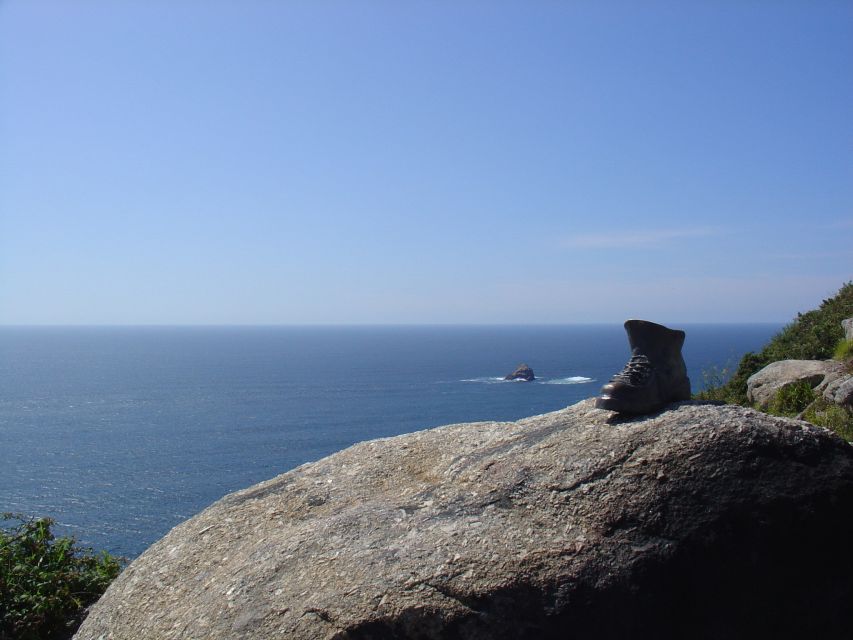
A 30-minute ride takes you to Cape Finisterre, the region’s most important lighthouse and cape. The Romans regarded this far western point as the end of the earth, and the idea still gives the visit a strong sense of place.
You get about 45 minutes here for a guided visit, photos, free time, sightseeing, and shopping. The main reward is the wide ocean view from the cape. On a clear day, you can simply stand and look outward. In mist or rain, the headland becomes moodier and less expansive, but still carries the force of the setting.
The guide adds context about the cape rather than leaving you to guess why it mattered to ancient people and later pilgrims. This is especially useful if you have just completed the Camino de Santiago. Finisterre can feel like a natural final chapter, even though this is a sightseeing excursion rather than a walking pilgrimage.
Again, the limit is time. Several people who loved the route wished they had longer at both Muxía and Finisterre. If these headlands are your main reason for booking, accept that you are getting a well-planned taste, not an unhurried day at each one.
A different way to spend the day, same corner of Spain:
- From Santiago: Finisterre, Muxia, Ézaro – 7 stops day tour
★ 4.6 · 553 reviews - Santiago de Compostela: Finisterre, Muxia & Costa da Morte
★ 4.7 · 526 reviews - Santiago de Compostela Cathedral and Museum Guided Tour
★ 4.6 · 511 reviews - From Santiago: Tour to Rias Baixas with Boat Trip and Winery
★ 4.7 · 400 reviews
Fisterra is your proper lunch break
The coach ride from the cape to Fisterra takes only about five minutes, but the town stop lasts 100 minutes. This is where the schedule gives you room to eat, have coffee, shop, and walk around.
That long break is important. Food is not included, but the guide can recommend restaurants and help with practical choices. One departure included a particularly well-received lunch recommendation, while other restaurants were available if you preferred to choose for yourself.
Fisterra is also the place to slow down. After several short visits, you can sit down, eat local food, and enjoy the feel of a working coastal town. I would use most of the break for lunch, then leave time for a short stroll and coffee rather than trying to cover every street.
The distinction between Cape Finisterre and Fisterra is worth noting. The cape is the dramatic point and lighthouse. Fisterra is the town where you eat and spend more time. The two stops work well together and prevent the cape visit from being rushed by a meal.
Ézaro Waterfall changes the scenery
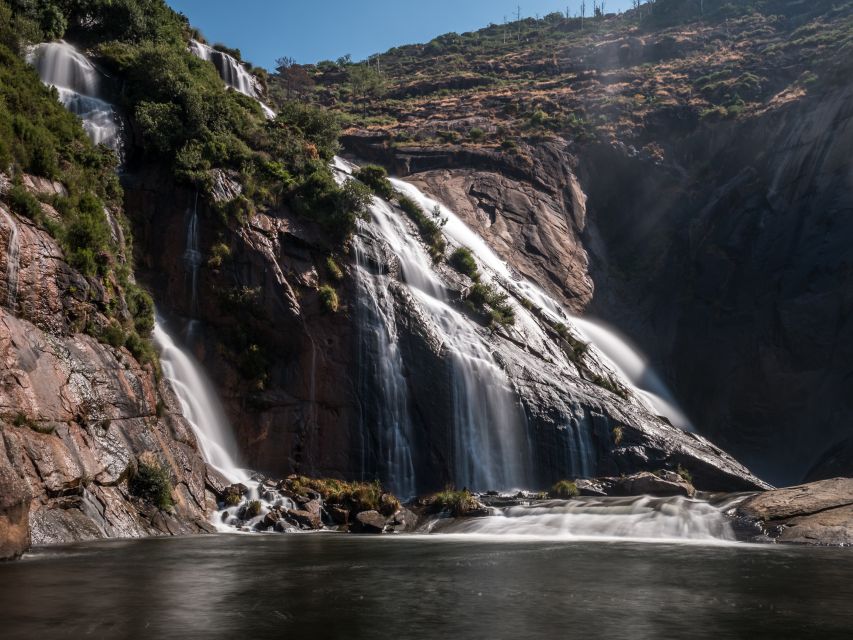
After lunch, you travel for about 30 minutes to Fervenza do Xallas, also called Ézaro Waterfall. The stop lasts roughly 40 minutes and includes a guided visit, photo time, free time, and sightseeing.
The unusual feature is simple and memorable: this is described as the only waterfall in the area that reaches directly into the ocean. That meeting of fresh water and sea gives the stop a different character from the headlands. Instead of looking outward from a cliff, you watch water move toward the coast.
This is a good place to keep your camera ready, but do not treat it as just a quick roadside pause. The guide explains the site, and you have enough time to look around without a large amount of walking. As with the rest of the coast, rain and mist may change the view. One day can offer a bright rush of water, another a softer, cloudier scene.
Carnota reveals Galicia’s giant hórreo
The next ride takes about 15 minutes to Carnota, where you see the Hórreo de Carnota. The stop is short, about 15 minutes, but the structure deserves attention.
A hórreo is a traditional granary raised on pillars, designed to keep stored crops dry and away from animals. Carnota’s is the largest of its kind in existence according to the tour description. Its long stone form may look plain at first, but the guide’s explanation helps you understand how much it says about rural work, storage, weather, and local building traditions.
This stop is a good example of the tour’s wider value. You are not only collecting famous viewpoints. You are also seeing an object tied to everyday Galician life. The short visit is enough for photos and a guided explanation, though anyone fascinated by architecture will wish for more time.
Muros closes the route with a coastal stroll
A 10-minute bus ride brings you to Muros, a traditional coastal village. You have about 40 minutes for a guided visit, photos, a coffee, shopping, and a walk around the main square.
Muros is a gentle final stop after the larger drama of Finisterre and Ézaro. Use it to stretch your legs, get a drink, and notice the town’s older coastal character. The guide provides context, then you can choose how much time to spend on your own.
This stop may be the easiest to skip if you want more time at the capes. It is pleasant, but some people find it functions mainly as a coffee break. I would keep it if you enjoy small towns and want a calm finish. If your priority is only cliffs and lighthouses, it will likely feel less essential.
The return to Santiago takes about 50 minutes. The excursion ends at the original meeting point, giving you a full day without arranging a second transfer.
What the $56 price really buys you
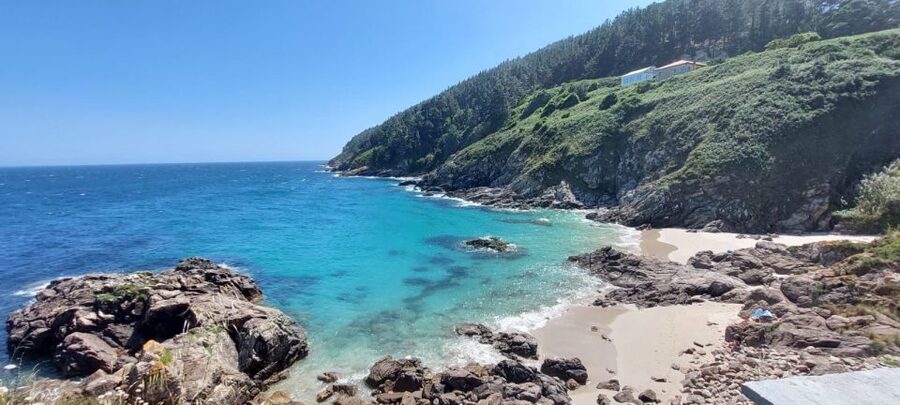
At $56 per person, this is strong value for a 9.5-hour day. The fee covers air-conditioned coach transport, a live English or Spanish guide, insurance, and hotel pickup and drop-off as stated in the activity details. Food and drinks are extra, so set aside money for lunch in Fisterra.
The value is not only the number of stops. It is the access to places spread across a large part of the coast. A public bus may get you from Santiago to Finisterre, but it will not easily combine Muxía, Ponte Maceira, Ézaro, Carnota, and Muros in one day. You also lose the guide’s explanations and restaurant advice.
The compromise is independence. You follow a fixed route and fixed departure times. There is no chance to spend two hours at your favorite cape unless the schedule changes. For a first look at Costa da Morte, that is a fair trade. For a second visit, you may prefer a rental car or private trip with fewer stops and longer pauses.
The high overall rating of 4.7 from 1,481 ratings matches the tour’s strongest features: guides who explain each stop clearly, drivers who handle the route well, a comfortable clean bus, and careful timing. The most useful praise is practical rather than flashy. Guides have helped with restaurant reservations, explained sites in both English and Spanish, and assisted people who needed extra support.
Timing, meeting points, and comfort
Plan to arrive at least 10 minutes early. The main departure point is the Galicia Travels office at Rua das Casas Reais 31, about five minutes on foot from Santiago Cathedral, with the stated meeting time of 8:45 a.m. A second departure point is Capilla do Pilar near Alameda Natural Park at 9:00 a.m.
The information also says hotel pickup and drop-off are included, but the detailed departure instructions identify these two meeting points. Confirm the exact pickup arrangement when booking so you do not wait at the wrong place.
The day does not require strenuous activity or long walks. You will walk at each site, but the tour is suitable for people who prefer a moderate schedule and regular returns to the coach. It is also listed as wheelchair accessible, though you should confirm any specific mobility needs in advance.
Audio guides are available on request in Chinese, French, German, Italian, Korean, Portuguese, and Polish. The live guide speaks English or Spanish. Free cancellation is available up to 24 hours before departure, and you can reserve now and pay later, useful if your Santiago plans are still shifting.
Weather can shape the whole experience
Galicia’s coast is weather-sensitive. Clear skies give you the broadest ocean views, but mist and rain can arrive at the capes. Bad weather does not erase the interest of the villages, sanctuary, waterfall, or hórreo, yet it can reduce the drama of Finisterre.
Bring a waterproof layer and comfortable shoes. The tour does not call for heavy walking, but you will be outside at exposed coastal sites. The company does not list rain ponchos or umbrellas as included, so bring your own rather than counting on buying one at the last minute.
I would also pack water and a small snack even though lunch is scheduled. The main meal comes in Fisterra, and the shorter stops may not offer enough time to find food comfortably.
Who should book this excursion
I would choose this tour if you have limited time in Santiago and want a broad look at western Galicia. It is especially well suited to people finishing the Camino, couples and families who prefer transport over logistics, and anyone who wants local context rather than a simple transfer to Finisterre.
It also suits you if you like variety. In one day you see a medieval bridge, a sanctuary, two lighthouses, a famous cape, a fishing town, a waterfall, and an old granary. Few single-day routes offer that much contrast for the price.
I would hesitate if your main goal is solitude, long coastal walks, or hours at one lighthouse. The organized schedule keeps the day efficient, but efficiency means less freedom. Muxía and Cape Finisterre are the places most likely to leave you wishing for another hour.
Should you book it?
Book it if you want the best first introduction to Costa da Morte from Santiago, particularly at $56. The route reaches places that are awkward to connect by public transport, and the guide adds useful stories about pilgrimage, Roman ideas, local buildings, and Galician food.
Skip it only if you already know this coast well or want a slow, self-directed day. For almost everyone else, the combination of strong scenery, a long lunch break, comfortable transport, and seven distinct stops makes this a practical and rewarding addition to a Santiago stay.
FAQ
How long does the excursion last?
The excursion lasts about 9.5 hours, with departure and return at the designated meeting point in Santiago de Compostela.
Where does the tour depart?
The main meeting point is the Galicia Travels office at Rua das Casas Reais 31, about five minutes from Santiago Cathedral. The stated meeting time there is 8:45 a.m. A second meeting point is Capilla do Pilar near Alameda Natural Park at 9:00 a.m.
Which languages are available?
The live guide provides the tour in English or Spanish. Audio guides can be requested in Chinese, French, German, Italian, Korean, Portuguese, and Polish.
Is lunch included?
No. Food and drinks are not included. You receive about 100 minutes in Fisterra for lunch, coffee, shopping, and free time, and the guide can recommend restaurants.
Does the tour involve a lot of walking?
No. The activity does not require strenuous effort or large amounts of walking, although you will walk during the sightseeing stops.
Is the excursion wheelchair accessible?
The activity is listed as wheelchair accessible. Contact the provider in advance if you have particular mobility requirements.
What places does the tour visit?
The route includes Ponte Maceira, Muxía, Cape Finisterre, Fisterra, Ézaro Waterfall, the Hórreo de Carnota, and Muros.
Can I cancel or pay later?
You can cancel up to 24 hours before departure for a full refund. The tour also allows you to reserve now and pay later.
Recently reviewed around Santiago De Compostela
- Guided Visit to the Estrella Galicia Museum with Beer Tasting★ 5.0 · 382 reviews
- Visit Coastal Vineyard★ 5.0 · 195 reviews
- Santiago de Compostela: Cathedral, Museum, and Old Town Tour★ 4.8 · 382 reviews
- Santiago: Guided Foodie Tour with Drinks, Tapas & Live Music★ 4.7 · 153 reviews
- Santiago de Compostela: Massage Treatment★ 4.8 · 170 reviews
- Santiago de Compostela: Finisterre, Muxia & Costa da Morte★ 4.7 · 526 reviews
- Santiago Complete Tour: City, Portico and Cathedral Tickets★ 4.7 · 108 reviews
- Santiago de Compostela Cathedral and Museum Guided Tour★ 4.6 · 511 reviews
Santiago de Compostela Tours, compared.
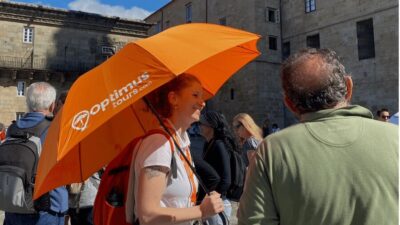
Santiago: Cathedral & Museum Tour + Pórtico of Glory Option
Read our review →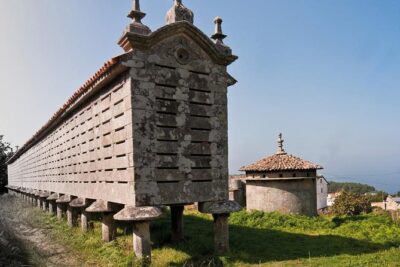
Excursion to Finisterre + Muxia + Costa da Morte (7 stops)
Read our review →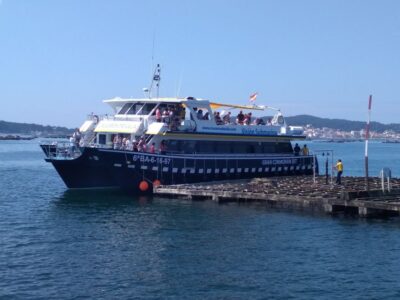
Ría de Arousa: Boat Ride to Mussel Farm with Tasting
Read our review →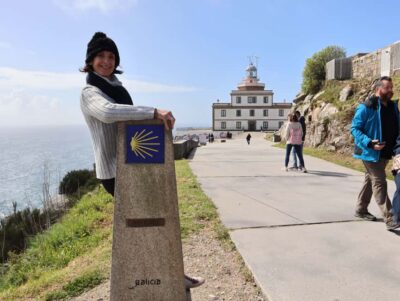
From Santiago: Finisterre, Muxia, Ézaro – 7 stops day tour
Read our review →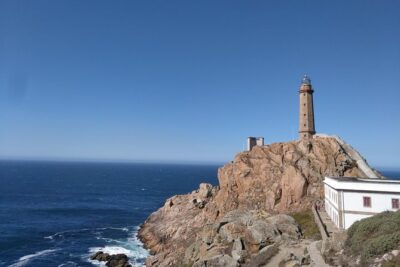
Santiago de Compostela Cathedral and Museum Guided Tour
Read our review →
From Santiago: Tour to Rias Baixas with Boat Trip and Winery
Read our review →
Browse the lists this tour appears in