
Reviewed · SANTIAGO DE COMPOSTELA TOURS
Excursion to Finisterre + Muxia + Costa da Morte (7 stops)
The best thing about this day out is its sweep. In about nine hours, you follow the road from Santiago toward the Atlantic, visit Muxía and Cape Finisterre, then return through waterfalls, villages, and traditional Galician farm buildings. It is a practical way to complete the coastal part of the Camino without walking for several more days.
I like the strong mix of places, especially the Ézaro Waterfall, which drops directly into the ocean, and the free time in Finisterre for a proper seafood lunch. Guides such as Ash, David, Noelle, Ana, and Christian have been praised for clear explanations, humor, and care with the group.
The trade-off is simple: this is a long bus day with seven stops. The vehicle is private transportation for the tour group, not a private car, and one experience can include as many as 50 people. Tall passengers may find the seating tight, and some stops are brief.
In This Review
- Key points to know before you book
- A big Atlantic day from Santiago
- Ponte Maceira starts with a Camino connection
- Muxía brings pilgrimage to the Atlantic
- Cape Finisterre is the day’s main prize
- Finisterre town gives you time to eat
- Ézaro Waterfall is an unusual coastal sight
- Carnota shows Galicia’s traditional farm culture
- Muros ends the route at a historic port
- What the bus day is really like
- Pick-up, timing, and what to bring
- Who will get the most from this tour
- Should you book the Costa da Morte day trip?
- FAQ
- How long does the excursion last?
- What places does the tour visit?
- Is lunch included?
- What languages are offered?
- Where does the tour meet?
- How large can the group be?
- Can I cancel for a refund?
Key points to know before you book
- Cape Finisterre is the emotional high point: See the lighthouse, the former Roman edge of the known world, and kilometer zero of the coastal Camino.
- Muxía adds legend and pilgrimage meaning: The Sanctuary of A Barca connects Atlantic scenery with old stories about the Apostle and Galicia’s pre-Christian past.
- Seven stops cover a lot of ground: You see coast, waterfall, village streets, a famous granary, and a Camino-linked bridge in one day.
- Lunch is not included: You get about 90 minutes in Finisterre town, with restaurants and local food at different price levels.
- The group can be large: The maximum is 50 people, so expect a structured schedule rather than a flexible private outing.
- Meet-up details matter: The office meeting point is at 8:45 a.m., while other pick-up points depart at 9:00 and 9:05 a.m.
A big Atlantic day from Santiago
The Costa da Morte is best understood from the road. Its name, Coast of Death, reflects dangerous Atlantic waters and a long tradition of fishing, sailing, shipwrecks, and coastal pilgrimage. From Santiago, the coast is close enough for a day trip, but far enough away that arranging all seven stops on your own takes planning.
This tour gives you an air-conditioned vehicle, a driver, and a guide who speaks Spanish and English. The guide provides spoken explanations and an audio guide, so the day is not just a parade of photo stops. Several guides have earned strong marks for their warmth and clear delivery. David and Ash are especially noted for combining facts with humor, while Noelle and Christian are praised for answering questions and staying attentive.
The price, $59.26 per person, is good value if you want to see the main sights in one day. You are paying for transportation across a wide area, not entry tickets, since every listed stop has free admission. Add lunch and perhaps a tip to your budget. At this price, the sensible comparison is not with a private excursion. It is with the cost and effort of arranging several regional buses or hiring a car.
Other Santiago de Compostela days travellers weigh against this one:
- Santiago: Cathedral & Museum Tour + Pórtico of Glory Option
★ 4.7 · 2,116 reviews - From Santiago: Finisterre, Muxia & Costa da Morte Excursion
★ 4.7 · 1,481 reviews - Ría de Arousa: Boat Ride to Mussel Farm with Tasting
★ 4.7 · 845 reviews
Ponte Maceira starts with a Camino connection
The first stop is Ponte Maceira, a picturesque place tied closely to Santiago and the Camino route toward Finisterre. You have about 25 minutes here, enough to look around, take photographs, and hear why this spot matters to pilgrims heading west.
The short stop is both its strength and its limit. It gives you a gentle beginning before the Atlantic portion of the day, but you will not have time for a long walk or a slow coffee. Keep your camera ready and listen for the meeting instructions so you do not lose time at the first departure.
Ponte Maceira also sets the tone for the day. This is not only a coastal sightseeing trip. It follows the cultural thread of the Camino, where bridges, chapels, stones, and villages take on extra meaning because pilgrims have passed through them for centuries.
Muxía brings pilgrimage to the Atlantic
At the Sanctuary of A Barca, you spend about 35 minutes beside one of Galicia’s most atmospheric religious sites. The church sits in an open coastal setting, with large stones and local legends linked to the Apostle’s visit and to pre-Christian beliefs.
The sanctuary is also associated with the film The Way, which makes it particularly meaningful for people who have walked the Camino or are interested in its modern image. You can expect a blend of sea views, religious tradition, and old stories rather than a long formal museum visit.
This stop works best if you pause for the setting. The legends surrounding the stones are part of Galicia’s popular tradition, and your guide can explain how Christian pilgrimage and older local beliefs overlap here. The time is short, so you will want to decide quickly if you prefer photographs, a look inside the sanctuary, or a quiet moment by the shore.
Cape Finisterre is the day’s main prize
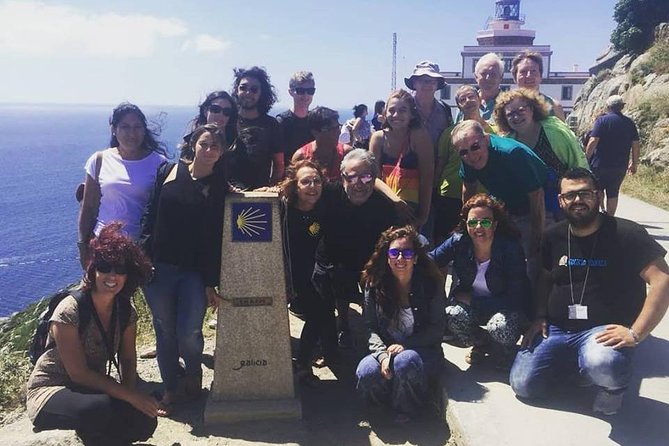
Cape Finisterre is the stop most people have in mind when they book this trip. The Romans regarded this far western point as the end of the known world, and modern pilgrims know it as the end of the Camino route to the coast.
You have 40 minutes at the cape. That should allow time for the lighthouse, the views across the Costa da Morte, and the marker associated with kilometer zero of the coastal Camino. On a clear day, the wide Atlantic outlook is the star. Cloud and fog can change the mood, but they do not make the cape uninteresting. The weather is part of the experience here, and the tour requires good conditions to operate.
If you have just walked from Porto or Santiago, this stop can feel like a proper closing chapter. You have reached the western edge by road, and the lighthouse gives the moment a clear physical focus. If you have not walked the Camino, you can still appreciate the symbolism and the sheer exposure of the cape.
The 40-minute limit is reasonable for the main viewpoint and lighthouse area, but it is not enough for lingering. Wear shoes that are comfortable on uneven ground, bring a light layer, and keep your phone or camera protected from wind and rain.
A different way to spend the day, same corner of Spain:
- From Santiago: Finisterre, Muxia, Ézaro – 7 stops day tour
★ 4.6 · 553 reviews - Santiago de Compostela: Finisterre, Muxia & Costa da Morte
★ 4.7 · 526 reviews - Santiago de Compostela Cathedral and Museum Guided Tour
★ 4.6 · 511 reviews - From Santiago: Tour to Rias Baixas with Boat Trip and Winery
★ 4.7 · 400 reviews
Finisterre town gives you time to eat
After the cape, the bus goes into Finisterre town for about 90 minutes. This is the longest pause of the day and your chance to choose lunch in the center.
Lunch is not included, which is useful if you prefer to choose your own meal. You can look for seafood, other local dishes, or a less elaborate meal depending on your budget. The time is also long enough to sit down rather than rush through a sandwich.
The schedule has one practical wrinkle. If you want a swim or a longer pause outdoors, you may not want to spend the entire break on a large meal. Decide what matters most before you sit down. You also need to return to the meeting point on time, since the bus cannot hold the rest of the group for late diners.
This stop helps break up the driving. Even so, the day remains road-heavy. One passenger described the overall experience as too much ground covered in one day, while others valued the chance to see in nine hours what could take several days on foot. Both views are fair.
Ézaro Waterfall is an unusual coastal sight
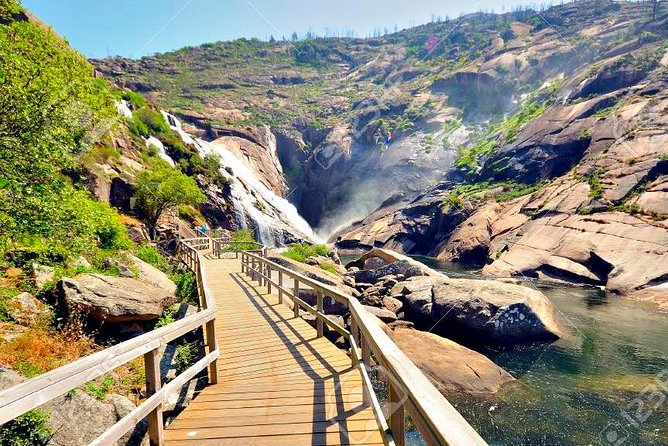
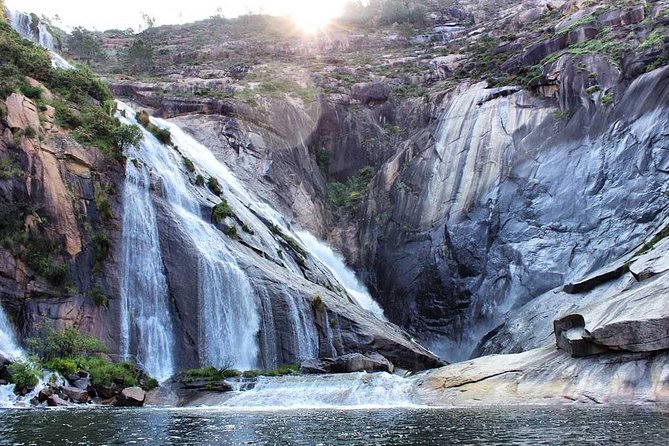
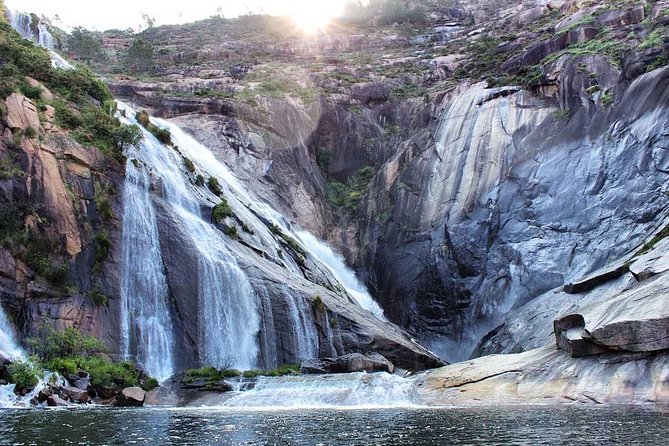
The Ézaro Waterfall offers one of the tour’s most distinctive natural sights. Water flows directly into the ocean, a feature presented as unique in continental Europe. The waterfall lies beside Mount Pindo, a mountain tied to old legends and the pre-Roman peoples of Galicia.
You have about 35 minutes here. That is enough for the main view and photographs, but not for a long mountain outing. The stop adds variety after the open cape and busy lunch break. Instead of another church or village, you get moving water, rock, and a close look at how the river meets the sea.
This is one of the places where a guide’s commentary adds value. Mount Pindo is not simply a scenic backdrop. Its reputation in local legend helps explain why this part of Galicia has such a strong sense of place. Listen for the cultural context, then leave yourself time to enjoy the view without trying to turn every minute into a lecture.
Carnota shows Galicia’s traditional farm culture
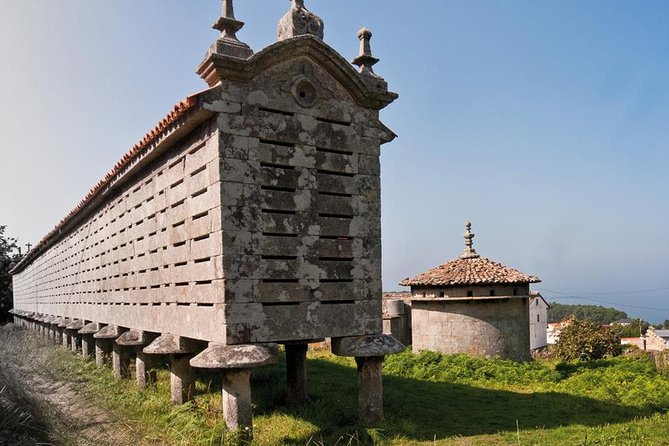
The Horreo de Carnota is a quick 15-minute stop at one of Galicia’s best-known traditional granaries. Your guide explains how this type of raised stone building worked and why it became an important part of rural Galician culture.
Fifteen minutes is enough for an explanation and photographs, but this is clearly a compact stop. You are not visiting a large museum or spending time inside a collection of buildings. Think of it as a focused introduction to a distinctive architectural form.
The granary also keeps the day from becoming only about famous viewpoints. Galicia’s identity is tied to rural life as much as to the Camino and the sea. Even a brief explanation helps you notice these structures in other parts of the region.
Muros ends the route at a historic port
The final stop is Muros, a former port connected with Santiago during the Middle Ages. You get about 25 minutes to rest and look around the historic center before returning to Santiago.
Muros can be a pleasant way to finish. After a day of viewpoints and short visits, the town offers streets, old buildings, and a chance to stretch your legs. It is also a more ordinary lived-in place than the dramatic cape, which gives the trip a grounded ending.
Still, this is the most optional-feeling stop for some people. If you are mainly interested in Muxía and Finisterre, 25 minutes in Muros may seem like a filler stop. If you enjoy historic towns and want one last pause before the drive back, it rounds out the day well.
What the bus day is really like
The vehicle is air-conditioned and generally described as clean and comfortable, with safe driving praised by several passengers. That matters because the tour covers a large area and includes roughly nine hours from departure to return.
The group may contain people taking the tour in Spanish and English. The guide gives the same material in both languages, but the timing can vary. On a heavily Spanish-speaking departure, English explanations may be shorter. Most English-speaking visitors will manage, but clear language delivery is important to check at the start if you have hearing difficulties or need every detail.
The maximum group size is 50. That means you should expect organized boarding, fixed departure times, and a guide gathering people at each stop. The phrase private transportation means you are not riding a public bus. It does not mean you get a private vehicle or a custom schedule.
Tall passengers should pay attention to the seating issue. One account described the bus as cramped for people over six feet, with seats that could not be adjusted. Other passengers found the vehicle comfortable, so the experience may depend on the coach assigned and your seat. Water and bus toilet use may also involve an extra charge, according to one account.
Pick-up, timing, and what to bring
The main office is at Rúa das Casas Reais 31 in Santiago de Compostela. The standard office meeting time is 8:45 a.m. The Chapel of the Pillar on Avenida de Xoán Carlos I is listed for 9:00 a.m., and the stop in front of the Exe Peregrino Hotel on Avenida de Rosalia de Castro is listed for 9:05 a.m.
Galicia Travels contacts you through WhatsApp one or two days before departure to confirm the meeting point and time. Pay attention to that message. If you do not select or communicate a pick-up point, go to the office before 8:45 a.m.
Bring a layer for the coast, comfortable shoes, and money for lunch. You do not need to budget for admission at the seven listed stops. The day requires good weather, and if poor weather cancels the trip, you are offered another date or a full refund.
The tour returns to the original meeting point. Free cancellation is available up to 24 hours before the start time. Changes or cancellations made inside that window are not accepted for a refund.
Who will get the most from this tour
I would choose this excursion if you have limited time in Santiago and want a broad look at western Galicia. It is especially useful after walking the Camino, when Finisterre and Muxía feel like natural extensions of the pilgrimage but your legs are not ready for several more days on foot.
It also suits you if you want scenery, local stories, and several different types of stops without renting a car. Families and most people with ordinary mobility can participate, and service animals are allowed. The schedule is active but does not require a long hike at any one site.
I would think twice if you dislike buses, need lots of legroom, or prefer to spend half a day at one coastal town. The schedule is efficient, but efficiency means short visits. A private tour is available from the company at a higher price if you want control over the route and pace.
Should you book the Costa da Morte day trip?
Book it if your goal is to see the major western Galicia sights in one well-organized day. The price is reasonable for the distance covered, the air-conditioned transportation, bilingual guide, and seven stops. The strongest parts are Muxía, Cape Finisterre, and Ézaro Waterfall, with Finisterre town providing a useful lunch break.
Skip it if you want a slow coastal holiday or a genuinely private experience. You will spend a lot of time on the bus, and Muros and Carnota may feel too brief if your interests are narrowly focused.
For most people with at least two nights in Santiago, I think this is a smart addition. It gives your Camino experience a memorable western finish, and it lets you see far more of the Costa da Morte than you could comfortably cover on your own in a single day.
FAQ
How long does the excursion last?
The experience lasts approximately 9 hours and 15 minutes. It starts in Santiago at about 9:00 a.m. and ends back at the meeting point.
What places does the tour visit?
The seven stops are Ponte Maceira, the Sanctuary of A Barca in Muxía, Cape Finisterre, Finisterre town, Ézaro Waterfall, the Horreo de Carnota, and Muros.
Is lunch included?
No. Lunch is not included, but the tour provides about 1 hour and 30 minutes in Finisterre town, where you can choose from local restaurants.
What languages are offered?
The tour is offered in English, and the guide service includes Spanish and English explanations. An audio guide is also included.
Where does the tour meet?
The main meeting point is the Galicia Travels office at Rúa das Casas Reais 31 in Santiago de Compostela. Additional pick-up points are the Chapel of the Pillar and the area in front of the Exe Peregrino Hotel.
How large can the group be?
The tour can have a maximum of 50 travelers. Transportation is private for the tour group, not a public bus and not necessarily a private trip for an individual booking.
Can I cancel for a refund?
Yes. You can cancel at least 24 hours before the local start time for a full refund. Poor weather or failure to meet the minimum number of participants may also lead to an alternative date or a full refund.
Recently reviewed around Santiago de Compostela
- Guided Visit to the Estrella Galicia Museum with Beer Tasting★ 5.0 · 382 reviews
- Visit Coastal Vineyard★ 5.0 · 195 reviews
- Santiago: Guided Foodie Tour with Drinks, Tapas & Live Music★ 4.7 · 153 reviews
- Santiago de Compostela: Cathedral, Museum, and Old Town Tour★ 4.8 · 382 reviews
- Santiago de Compostela: Massage Treatment★ 4.8 · 170 reviews
- Santiago de Compostela: Finisterre, Muxia & Costa da Morte★ 4.7 · 526 reviews
- Santiago Complete Tour: City, Portico and Cathedral Tickets★ 4.7 · 108 reviews
- Santiago de Compostela Cathedral and Museum Guided Tour★ 4.6 · 511 reviews
Santiago de Compostela Tours, compared.
Santiago: Cathedral & Museum Tour + Pórtico of Glory Option
Read our review →
From Santiago: Finisterre, Muxia & Costa da Morte Excursion
Read our review →
Ría de Arousa: Boat Ride to Mussel Farm with Tasting
Read our review →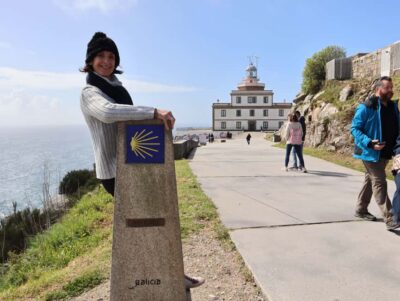
From Santiago: Finisterre, Muxia, Ézaro – 7 stops day tour
Read our review →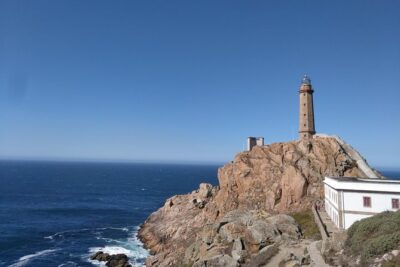
Santiago de Compostela Cathedral and Museum Guided Tour
Read our review →
From Santiago: Tour to Rias Baixas with Boat Trip and Winery
Read our review →
Browse the lists this tour appears in