
Reviewed · MUSEUMS
Santiago de Compostela Cathedral and Museum Guided Tour
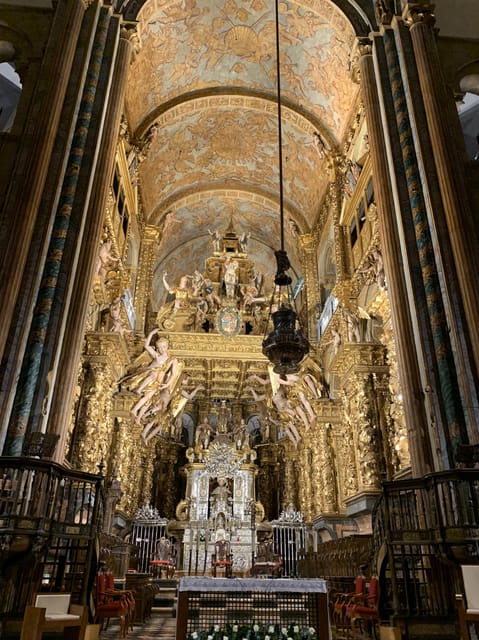
Santiago de Compostela Cathedral is not just a grand church at the end of the Camino. It is the reputed burial place of Saint James the Great, a working religious site, and a museum filled with art that can be hard to understand without context. This two-hour tour links those pieces in a sensible order, beginning in the museum and ending inside the cathedral itself.
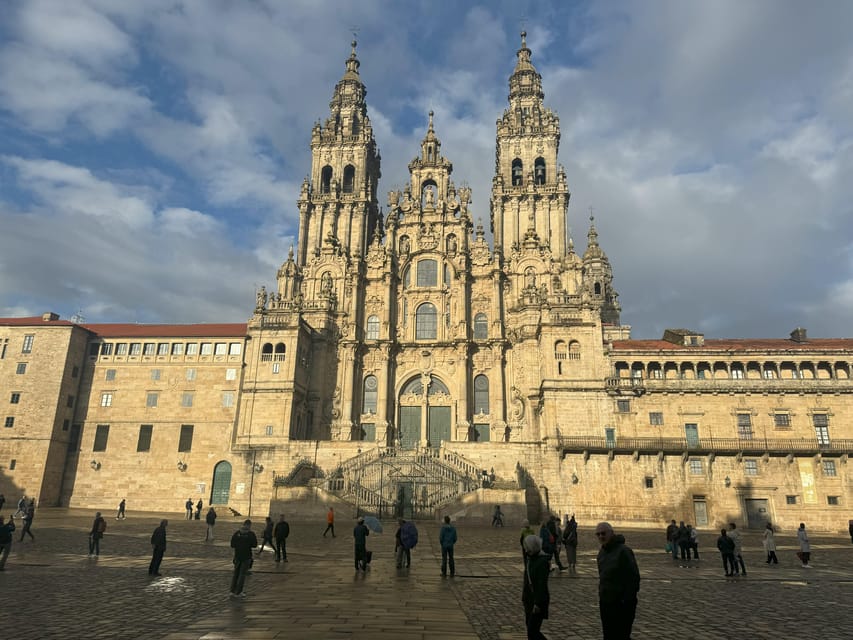
I like the museum-first approach, since it gives you the background needed to read the building and its treasures. I also like the separate entrance, which can save time at a busy pilgrimage center. The main consideration is that this is an interior-focused tour. One past participant noted that the symbolic exterior facades were not covered, so plan time before or after the tour to explore the cathedral square on your own.
In This Review
- Key points to know before booking
- Why the Cathedral needs a guided visit
- Starting in the Cathedral Museum
- Inside the cathedral’s naves and chapels
- Saint James’s tomb and the crypt
- Treasury, Chapter House, cloister, and Codex Calixtinus
- The guides are the main value
- Is two hours enough?
- Price, access, and practical limits
- Who should book this cathedral tour?
- My verdict: a strong first visit to Santiago Cathedral
- FAQ
- How long does the Santiago de Compostela Cathedral and Museum Guided Tour last?
- What does the tour include?
- Does the tour enter Santiago de Compostela Cathedral?
- Will I see Saint James’s tomb?
- What other cathedral areas are included?
- Is the Codex Calixtinus included?
- What languages are available?
- Can I bring a large backpack?
- Is the tour suitable for wheelchair users?
Key points to know before booking
- Begin with the museum: You start with the cathedral’s story, artworks, and religious setting before entering the church.
- See Saint James’s tomb and crypt: The route connects the cathedral’s central purpose with its most important devotional spaces.
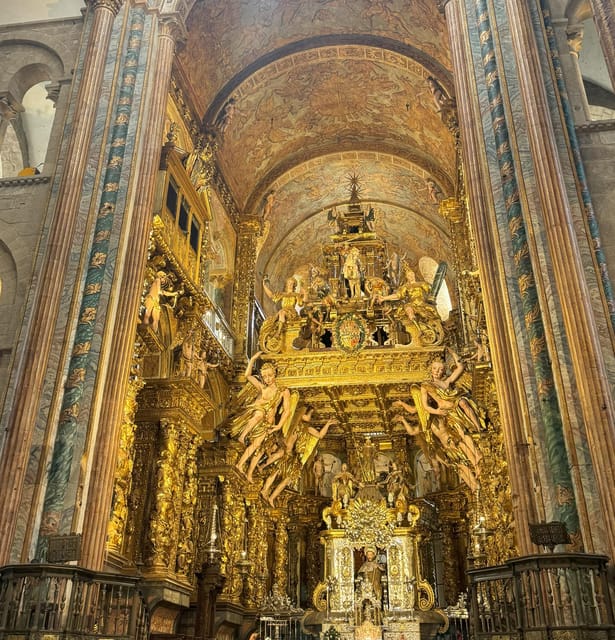
- Expect plenty of art and architecture: Chapels, the main altar, Treasury, Chapter House, cloister, and Codex Calixtinus are among the featured sights.
- Guides make the difference: Carmen, Maria, Laura, Miriam, Alberto, and Elena have all led highly praised tours, with particular attention to history, art, and pilgrimage.
- Plan for a compact two hours: It is long enough for useful context but not so long that the cathedral becomes an endurance test.
- Pack light: Large backpacks are not allowed, and the activity is not suitable for wheelchair users.
Why the Cathedral needs a guided visit
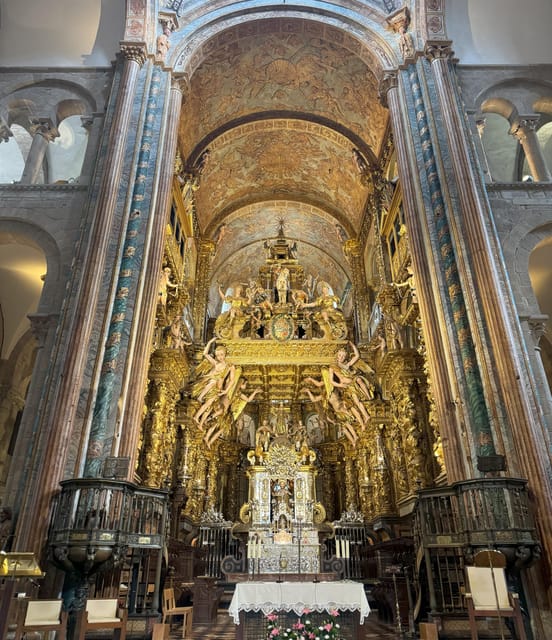
You can walk into Santiago Cathedral and admire the stonework, candles, chapels, and soaring spaces on your own. You can also leave without understanding why this particular church has drawn pilgrims for centuries.
The challenge is not a lack of things to see. It is the opposite. The building contains layers of faith, art, royal support, pilgrimage tradition, and local identity. A guide helps separate the main story from the visual noise.
That matters most in the museum. An object that looks like another carved religious piece may connect to a particular period of cathedral building or to the pilgrimage route. The Codex Calixtinus, for example, is not simply an old book. It is tied to the development of the Camino and to the way Santiago’s reputation spread through medieval Europe.
Guides also help you read the cathedral as more than decoration. The chapels around the main altar, the crypt, the tomb of Saint James, and the pilgrimage rituals all serve different purposes. A good explanation turns a grand interior into a place with a clear human and religious story.
The tour is offered in English, Spanish, Italian, Portuguese, and French. That range is useful in Santiago, where visitors arrive from many countries and often want more than a quick English-language overview. The small-group option should also make it easier to hear the guide and ask questions, though the exact group size depends on the option you book.
More Santiago De Compostela museums and collections:
- Santiago: Cathedral & Museum Tour + Pórtico of Glory Option
★ 4.7 · 2,116 reviews - Guided Visit to the Estrella Galicia Museum with Beer Tasting
★ 5.0 · 382 reviews - Santiago de Compostela: Cathedral, Museum, and Old Town Tour
★ 4.8 · 382 reviews
Starting in the Cathedral Museum
The tour begins at the Cathedral Museum, where you get the setting before stepping into the church. This is a smart opening because the cathedral can feel overwhelming when seen without preparation.
Expect the guide to discuss the history of Santiago, the cathedral’s development, and important examples of sacred art. The museum visit is not just a warm-up. It gives you the visual vocabulary for what follows, including the styles, religious subjects, and objects connected to the cathedral.
This section has received some of the strongest praise from past participants. One visitor who had already seen the cathedral twice still found new stories and facts in the museum with Miriam. Another noted that many museum pieces would have meant little without Elena’s explanations.
That is the museum’s main value. You are not simply looking at cases and paintings. You are learning why they matter. If you enjoy art, architecture, or church history, this part may be worth the admission price by itself.
I would ask questions here, especially if you have a particular interest in the Camino, Spanish religious art, or the role of the cathedral in Santiago. Past guides have been praised for answering questions clearly, including Elena, who was singled out for handling detailed questions about dates and historical events.
Inside the cathedral’s naves and chapels
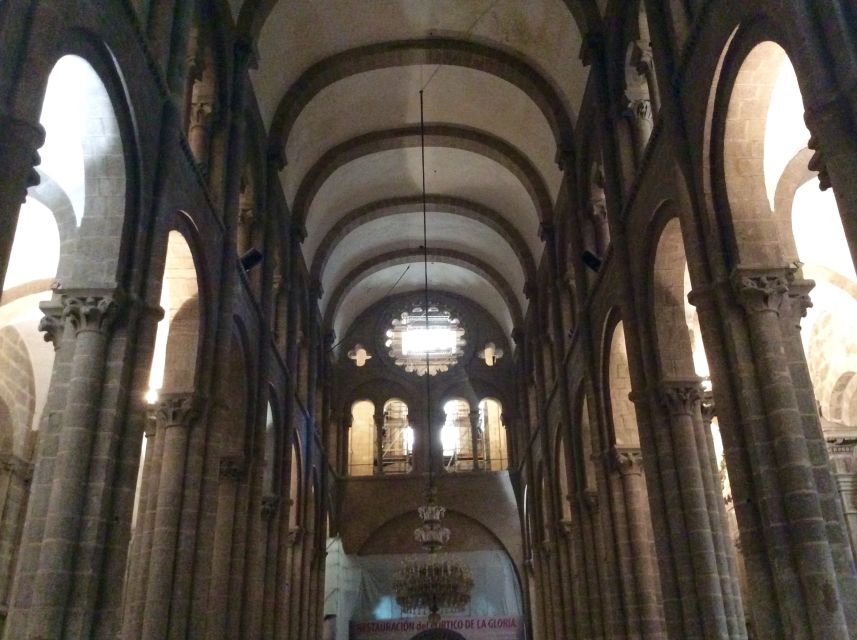
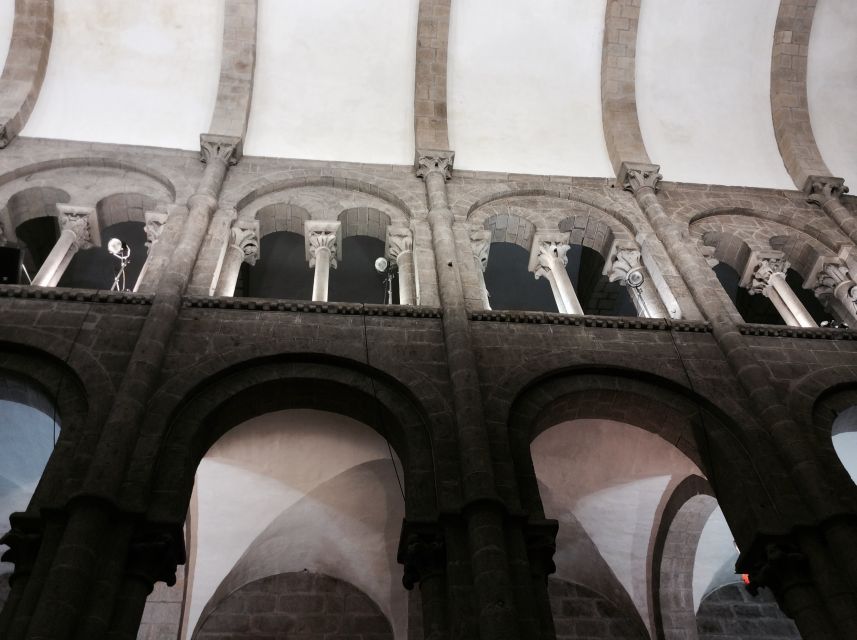
After the museum, the guide takes you into Santiago de Compostela Cathedral. The building has been recently restored, according to the activity information, and the tour is designed to show you its naves, chapels, central areas, and major devotional spaces.
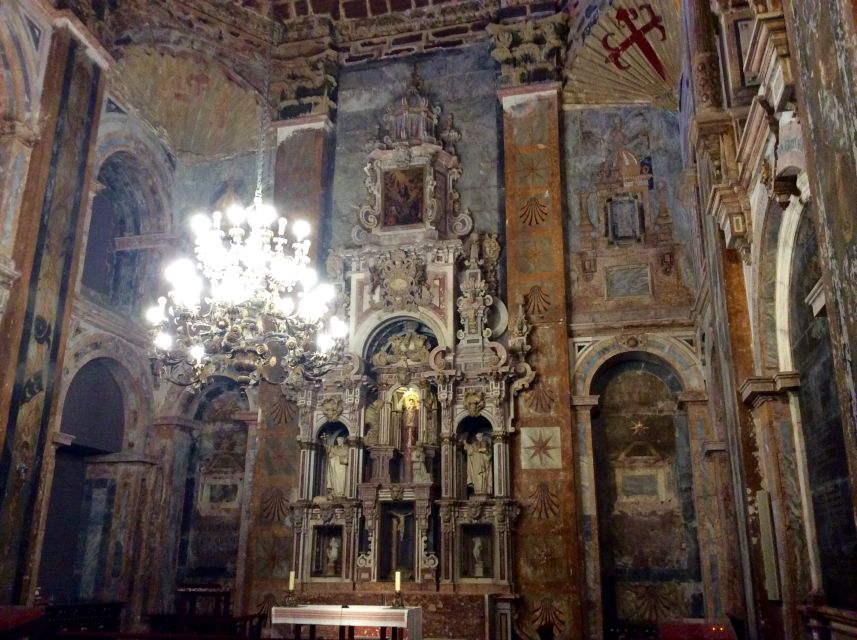
The main altar is the natural focus. Look beyond the first impression of gold, stone, and ornament. The chapels arranged around it reveal how the cathedral served different religious purposes and how devotion to Saint James shaped the building.
The guide also points out the cathedral’s decorative chapels. These are easy to rush past when you are trying to take in the entire interior. With someone explaining their purpose and artwork, you can give each one a little attention instead of treating them as a single blur of religious decoration.
The naves give you a sense of scale and movement. Pilgrims arrive with a particular goal, but a cathedral is also designed to guide the eye and body through space. Your route helps you understand how the church works as architecture, not merely as a backdrop for photographs.
The guide may also discuss the Botafumeiro, one of the cathedral’s best-known features. It is important to distinguish learning about this enormous incense burner from attending a specific Botafumeiro ceremony. The tour information lists it among the cathedral sights, but it does not promise that a swinging ceremony will take place during your visit.
Saint James’s tomb and the crypt
The tomb of Saint James the Great is the spiritual center of the visit. For many people, this is the moment that gives the cathedral its meaning.
The tour includes the crypt, which adds a quieter and more direct connection to the tradition of Saint James’s burial. Your guide can explain why the tomb matters to pilgrims and how the cathedral’s religious identity grew around it.
You do not need to be a practicing Catholic to appreciate this part. The site connects belief, medieval travel, political power, art, and the modern Camino. The strongest guides keep those strands together without assuming that every person in the group shares the same faith.
Alberto, described as a Spanish native and art history student, was especially praised for explaining both the artwork and the Church’s place in Spain. Elena was also remembered for having walked as a pilgrim herself, which gave her explanations an added personal link to the Camino.
That kind of background can help, but guide assignments are not guaranteed. Carmen, Maria, Laura, Miriam, Alberto, and Elena are names associated with particularly strong past experiences, yet you cannot request a specific guide unless the provider confirms it.
More Santiago De Compostela trips worth a second look
- Rías Baixas: Guided Day Tour from Santiago with Boat Ride
★ 4.8 · 167 reviews - Santiago: Guided Foodie Tour with Drinks, Tapas & Live Music
★ 4.7 · 153 reviews - Barcelona: Sagrada Familia Entry Ticket with Audio Guide
★ 4.6 · 105,312 reviews - Barcelona: Park Guell Guided Tour with Skip The Line Entry
★ 4.7 · 17,563 reviews
Treasury, Chapter House, cloister, and Codex Calixtinus
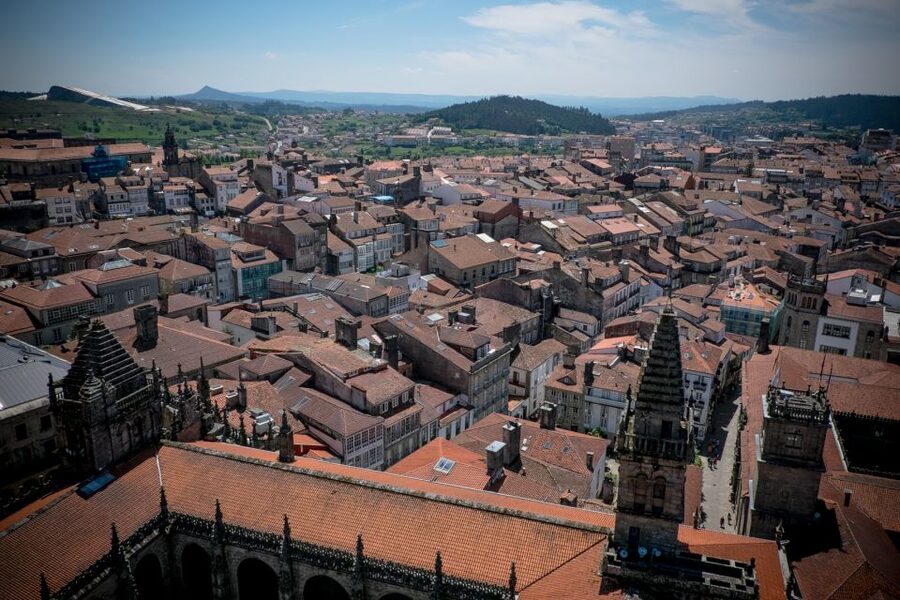
The advertised route includes several spaces that are easy to miss on a quick self-guided visit: the Treasury, Chapter House, cloister, and cathedral balconies. Their availability and exact order may vary with the day’s access arrangements, so treat the itinerary as a guide to the tour’s intended scope rather than a guarantee that every room will receive equal time.
The Treasury is valuable for visitors who want to understand the cathedral’s material wealth and ceremonial side. The Chapter House offers another angle on how the cathedral operated as an institution. These rooms may not have the immediate drama of the main altar, but they help explain the organization behind the monument.
The cloister gives you a change of pace from the large interior. It is also a useful reminder that a cathedral is not only a place for public worship. It has spaces for administration, study, community life, and quiet reflection.
The balconies are appealing for a different reason: they offer views and a chance to see the cathedral’s structure from another angle. If you enjoy architecture, ask the guide to point out how the naves, chapels, and central areas relate to one another.
The Codex Calixtinus is another major feature. Its importance lies in its connection to Santiago’s pilgrimage tradition, not merely its age. The guide’s explanation can help you understand how written accounts, routes, religious practice, and the reputation of Santiago were connected.
The guides are the main value
The entrance ticket matters, but the guide is what makes this experience worth considering. The consistently strong feedback centers on clear explanations, careful pacing, and enthusiasm for Santiago.
Carmen appears often in the strongest comments. She has been praised for her command of the city and cathedral’s past, her friendly manner, and her ability to communicate interesting details in both English and Spanish. One person specifically appreciated that she took time to make sure everyone was keeping up.
Maria has also been praised for giving a strong tour in Portuguese, while Laura was noted for presenting facts in a fun, lively way. Miriam earned praise for interesting stories and for speaking excellent English. Alberto brought an art history background, and Elena was remembered for her architectural knowledge, humor, love of Santiago, and personal experience as a pilgrim.
Those details point to the kind of tour this is at its best: not a silent march from object to object, but a guided explanation with room for questions. The exact quality can still depend on the individual guide and the language session, but the pattern is encouraging.
One small organizational issue has occurred before. A participant reported that additions to the booking were not communicated to the guide at first, causing a minor complication. It was resolved, but if your reservation includes extra participants or a special option, confirm the details ahead of time.
Is two hours enough?
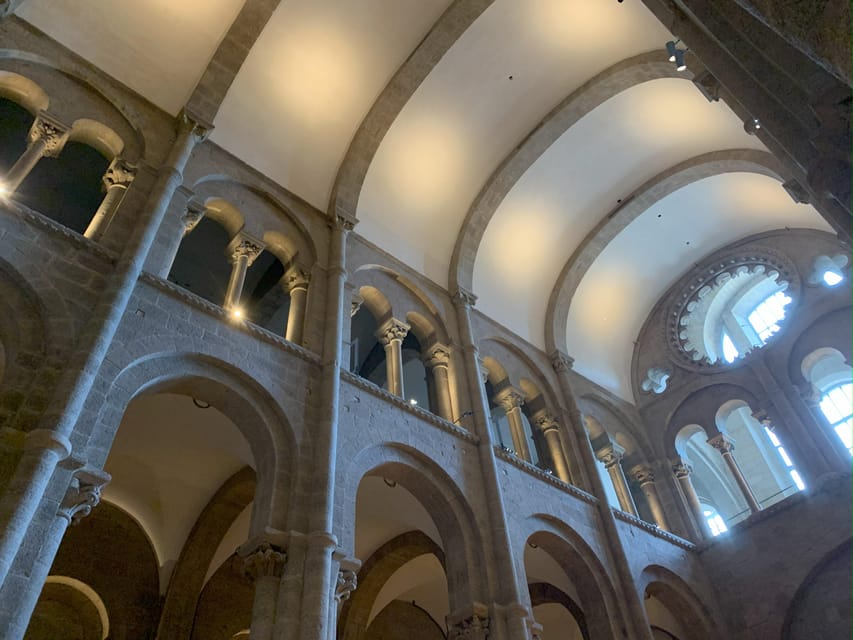
Two hours is a good length for a first visit. You get the museum, cathedral, tomb, crypt, chapels, and selected special rooms without committing half a day to one complex.
The tradeoff is depth. You cannot study every artwork or spend long stretches in quiet reflection. If you are an art historian, a serious pilgrim, or someone making a dedicated cathedral study, you may want independent time after the tour.
For most people, the guide’s structure is a benefit. Without it, you might spend too much time photographing the most obvious details and miss the Codex, Treasury, Chapter House, or cloister. The tour gives you a framework, then you can return to the areas that caught your attention.
The pace also seems suited to a broad range of visitors. One past participant appreciated having enough time at each stage and good interaction with the guide. Still, you should expect to walk and stand inside historic religious spaces. Wear comfortable shoes and keep your belongings compact.
Price, access, and practical limits
At $29 per person, this is a reasonable price if you want the museum and cathedral explained in one sitting. The ticket alone would not provide the historical links between the objects, the pilgrimage, and Saint James’s tomb. The added value is the guide’s ability to show you what to notice.
The separate entrance can also save time. That does not mean every queue disappears, but it is useful at a major pilgrimage site where general entry may be busy.
The meeting point can vary depending on the option booked, so read your confirmation carefully rather than assuming you should go straight to the cathedral door. Large backpacks are not allowed. A small day bag is the safer choice, though the information provided does not specify the exact permitted dimensions.
The tour is not suitable for wheelchair users. If accessibility is important for your plans, you should contact the provider before booking rather than rely on the general description.
Cancellation is flexible up to 24 hours before the tour for a full refund, and you can reserve now and pay later. Those terms are useful if your Santiago schedule depends on Camino timing, train connections, or changing weather.
Who should book this cathedral tour?
I would recommend it to a first-time visitor who wants the cathedral to make sense, not just look impressive. It also suits anyone with limited time in Santiago, since the two-hour format covers the museum and church in one organized visit.
It is a particularly good fit if you are interested in:
- The Camino de Santiago and the cult of Saint James
- Medieval and sacred art
- Cathedral architecture and restoration
- The religious role of Santiago in Spain
- Seeing the crypt, tomb, cloister, Treasury, and Chapter House with context
- Touring in English, Spanish, Italian, Portuguese, or French
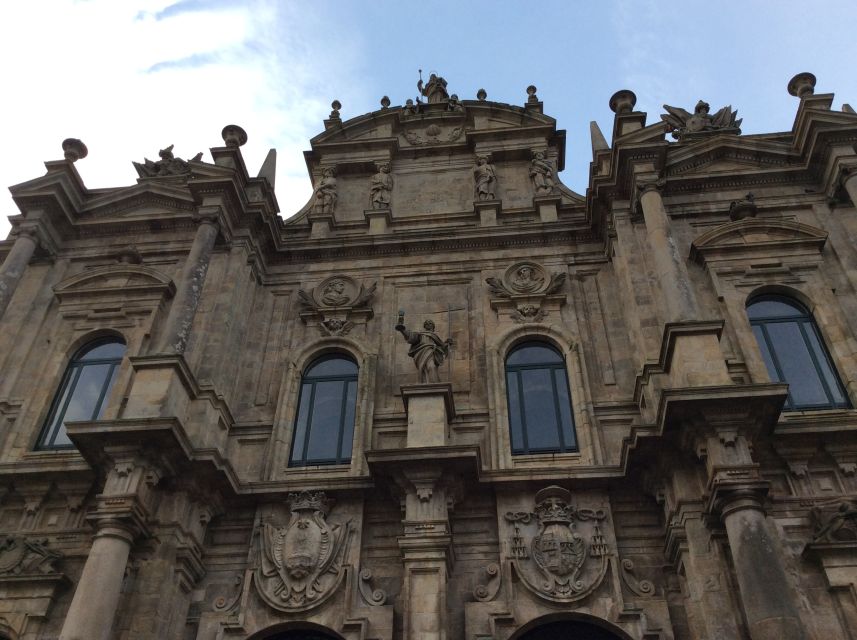
It may be less useful if you only want exterior architecture. The tour is centered inside the museum and cathedral, and one past participant specifically wished for more discussion of the symbolic facades.
You should also think twice if you dislike guided pacing or prefer long periods alone with artworks. The guide is the point of the experience, so this is not a ticket for independent wandering.
My verdict: a strong first visit to Santiago Cathedral
I would book this tour if the cathedral is high on your Santiago list and you want to understand what you are seeing. The museum-first sequence is practical, the price is fair for two hours of guided access, and the strongest guides bring art, faith, architecture, and the Camino into one clear story.
Book it especially if you have only a day in Santiago, are visiting after walking part of the Camino, or find major churches confusing without explanation. Just leave time to see the exterior facades on your own, pack light, and confirm the meeting point for your selected option.
FAQ
How long does the Santiago de Compostela Cathedral and Museum Guided Tour last?
The tour lasts two hours.
What does the tour include?
It includes a guided tour and an entrance ticket to the Cathedral Museum.
Does the tour enter Santiago de Compostela Cathedral?
Yes. The visit begins at the Cathedral Museum and then enters the cathedral.
Will I see Saint James’s tomb?
Yes. The tour includes the tomb of Saint James the Great and a visit to the crypt.
What other cathedral areas are included?
The advertised visit includes the naves, chapels around the main altar, Treasury, Chapter House, Botafumeiro, balconies, and cloister. The exact order and access can vary.
Is the Codex Calixtinus included?
The tour description includes a visit to see the Codex Calixtinus.
What languages are available?
Live guided tours are available in English, Spanish, Italian, Portuguese, and French.
Can I bring a large backpack?
No. Large backpacks are not allowed.
Is the tour suitable for wheelchair users?
No. The activity is listed as unsuitable for wheelchair users.
Recently reviewed around Santiago De Compostela
- Guided Visit to the Estrella Galicia Museum with Beer Tasting★ 5.0 · 382 reviews
- Visit Coastal Vineyard★ 5.0 · 195 reviews
- Santiago: Guided Foodie Tour with Drinks, Tapas & Live Music★ 4.7 · 153 reviews
- Santiago de Compostela: Cathedral, Museum, and Old Town Tour★ 4.8 · 382 reviews
- Santiago de Compostela: Massage Treatment★ 4.8 · 170 reviews
- Santiago de Compostela: Finisterre, Muxia & Costa da Morte★ 4.7 · 526 reviews
- Santiago Complete Tour: City, Portico and Cathedral Tickets★ 4.7 · 108 reviews
- From Santiago: Rías Baixas Galicia Seafood & Wine Day Tour★ 4.6 · 209 reviews
Museums, compared.

FC Barcelona Museum “Barça Immersive Tour” Ticket
Read our review →
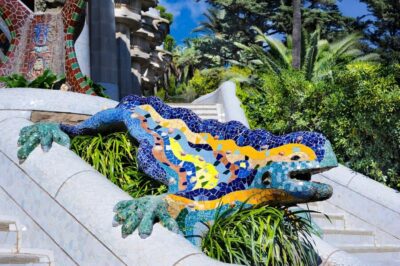
Park Güell and Gaudí House Museum Entry Ticket
Read our review →
Puro Flamenco Show with Optional Museum Ticket
Read our review →
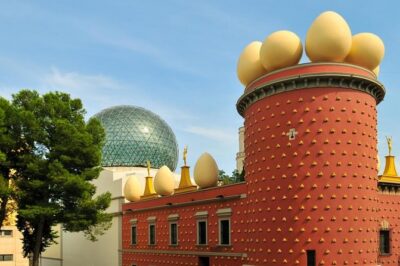
Girona & Dali Museum Small Group Tour with Pick-up from Barcelona
Read our review →
Oceanogràfic, Hemisfèric & Science Museum Combo
Read our review →Browse the lists this tour appears in