
Reviewed · PAELLA COOKING CLASSES
Spanish Cooking Class Paella Tapas and Sangria in Madrid
The best part of this Madrid cooking class is that you do not just watch a chef make paella or tapas. You chop, stir, season, and cook your way through a full Spanish meal, then sit down and eat it with the group. I like the small maximum of 12 people, which keeps the class social without turning it into a crowd. I also like the morning market visit, where you help choose fresh ingredients before cooking.
Choose your session with care. The morning class is the paella class, while the evening class is the tapas class. A few people have arrived expecting to make both, so check the menu before booking. The four-hour format is generous, but you should come ready for a full meal, conversation, and plenty of time on your feet.
In This Review
- Quick takeaways from this Madrid cooking class
- Why this class is more than a paella demonstration
- Starting at Calle de Moratín 11
- The morning route: market, gazpacho, and paella
- The evening route: a full table of tapas
- How hands-on is the cooking?
- The chefs make the difference
- Eating the meal you prepared
- Dietary needs, alcohol, and class comfort
- Is the $102.79 price good value?
- Who should book this class?
- Practical booking advice before you pay
- Should you book the Madrid paella or tapas class?
- FAQ
- Where does the cooking class begin?
- Where does the activity end?
- How long does the class last?
- Is the class offered in English?
- How many people can attend?
- Is there a morning and evening option?
- What does the morning class include?
- What does the evening class include?
- Can dietary requirements be accommodated?
- Is hotel pickup included?
- What is the minimum drinking age?
- What is included in the price?
- Can I cancel for a full refund?
Quick takeaways from this Madrid cooking class
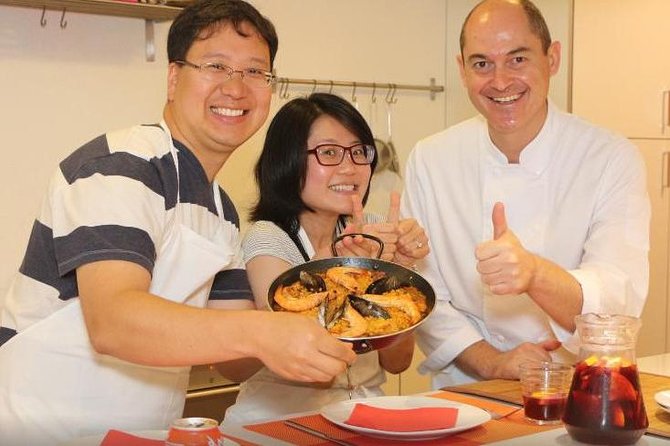
- Morning means paella: Prepare paella, gazpacho, and sangria, with a visit to a local market for ingredients.
- Evening means tapas: Make Spanish potato omelet, garlic shrimp, chorizo in cider, patatas bravas, tomato bread with ham, crema catalana, and sangria.
- You do the cooking: Ingredients are prepared for the class, but you handle real cooking rather than simply watching a demonstration.
- The class stays small: A maximum of 12 people means more room for questions and hands-on work.
- Several chefs lead sessions: Angel, Teresa, Elisa, and Eduardo are praised for humor, patience, clear instruction, and cultural insight.
- You leave with recipes: A recipe booklet helps you try the dishes again at home.
Why this class is more than a paella demonstration
Madrid has no shortage of food tours, tapas crawls, and market visits. This class takes a different route: it puts you in the kitchen. That matters because Spanish food often looks simple on the plate, but the small choices behind it make a difference.
You learn how ingredients are selected, prepared, and combined. The chef also talks about Spanish eating habits, food traditions, and the origins of dishes such as paella and tortilla. I like this mix of cooking and conversation because it gives you useful context for the rest of your time in Spain.
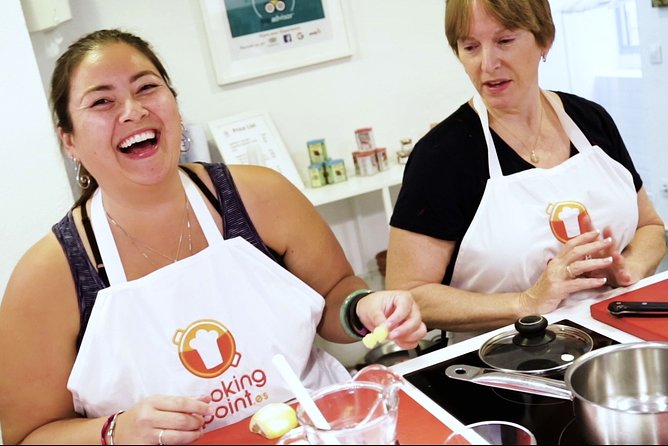
The class is offered in English and is designed for beginners and more experienced home cooks. You work in pairs, so solo participants are matched with a cooking partner. This makes the class friendly for couples, families, and people traveling alone.
The mood is social rather than formal. You cook alongside other participants, ask questions as you go, and share the finished meal at the end. Several classes are led by chefs named Angel, Teresa, Elisa, or Eduardo, and each has received praise for being patient, funny, clear, or well organized.
More Cooking Classes in Madrid
- Madrid: Paella and Sangria Workshop in the City Center
★ 4.9 · 1,264 reviews - Paella Cooking Class in Madrid with Bottomless Wine Pairing
★ 5.0 · 985 reviews - Paella Workshop with Bottomless Sangria in Central Madrid
★ 5.0 · 763 reviews
Starting at Calle de Moratín 11
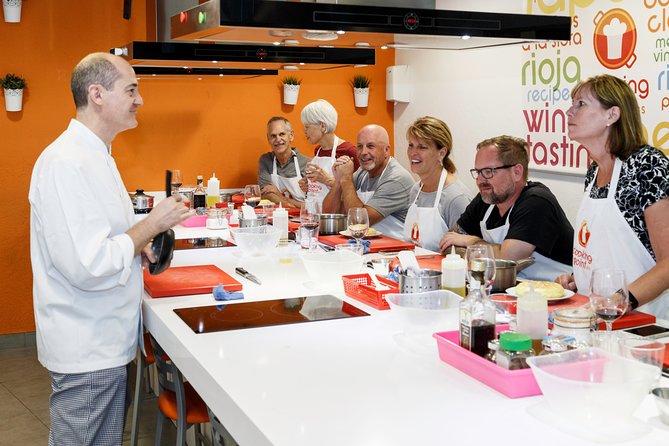
The class begins at Cooking Point on Calle de Moratín 11 in Madrid’s Centro district. It is near public transportation, and the activity ends at the same location, so you do not need to arrange a separate ride at the finish.
Hotel pickup and drop-off are not included. Plan to make your own way to the meeting point and allow a little extra time to find the entrance. The central location makes this easy to pair with other plans in Madrid, but do not schedule a tight museum reservation or train departure immediately afterward. A four-hour class can fill most of a morning or evening, especially when the meal and conversation run long.
You can book a morning or evening start. The choice is not just about timing. It changes the food you prepare, so read the session title closely before paying.
The morning route: market, gazpacho, and paella
The morning class begins with a visit to a local market. With the chef, you look at fresh produce, seafood, meats, and other ingredients used in Spanish cooking. The guide explains how locals shop and how different foods are sourced and used across Spain.
This is one of the most useful parts for anyone staying in the neighborhood. You get a practical introduction to Spanish food shopping, not just a quick walk past market stalls. You also have a hand in choosing ingredients for the meal, which gives the paella a more personal connection to the place.
Back in the kitchen, you work in pairs to prepare the menu. The morning sample menu includes gazpacho, paella, and sangria. Gazpacho is a good opening dish for a cooking class because it shows how fresh ingredients, seasoning, and texture can create a finished dish without complicated equipment.
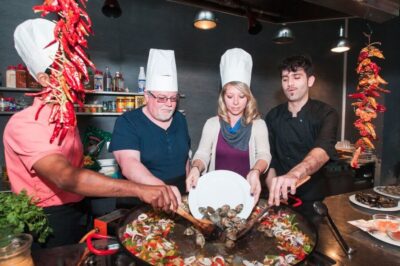
The main event is paella. The chef explains the dish, its ingredients, and the differences between types of paella. You take part in the cooking rather than waiting for the instructor to do everything. That hands-on approach is important if your goal is to recreate the meal at home.
You also prepare sangria. Since the class includes drinks, the meal feels like a proper Spanish lunch rather than a short lesson followed by a rushed tasting. The minimum drinking age is 18, so this session is not suitable for anyone under that age if they expect to take part in the alcoholic drinks.
Several people particularly enjoy the combination of market shopping, cooking, and lunch. You get a clear beginning, middle, and end: choose ingredients, prepare the food, then sit down and eat it. The result is a satisfying half-day activity rather than a quick recipe workshop.
The evening route: a full table of tapas
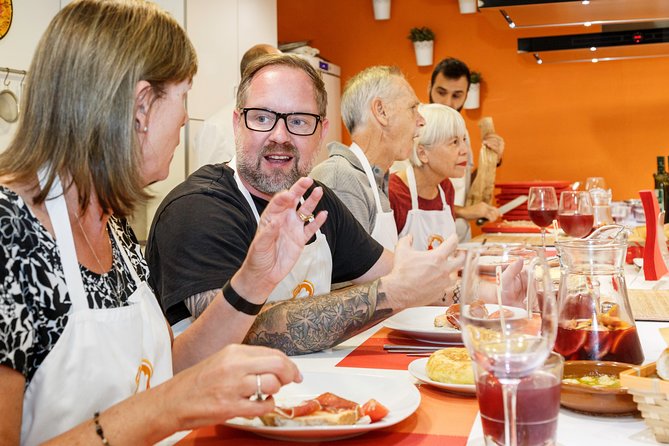
The evening session focuses on tapas. The sample menu is much broader than a single dish and may include Spanish potato omelet, garlic shrimp, chorizo in cider, patatas bravas, tomato bread with ham, crema catalana, and sangria.
That range gives you a useful look at different Spanish techniques. You may work with eggs and potatoes for the tortilla, prepare a sauce for patatas bravas, handle seafood for garlic shrimp, and make a traditional dessert. Chorizo in cider adds another style of Spanish cooking, with a simple ingredient combination that depends on timing and balance.
The evening class does not include the morning market visit according to the supplied schedule. If visiting a market is the feature that interests you most, choose the morning paella session. If you prefer a broad spread of small dishes and a later meal, the tapas class is the better fit.
The tapas menu is also a good choice for anyone planning a longer trip through Spain. You learn dishes that are easy to recognize in bars and restaurants, and the recipes are practical enough to try in your own kitchen. Still, the menu distinction matters. The evening class is not presented as a combined paella and tapas class.
More Tapas Tours in Madrid
- Madrid: Small Group of Prado Museum Tour & Optional Tapas
★ 4.6 · 2,437 reviews - Madrid: Tapas & Wine Tasting Tour with Local Guide
★ 4.8 · 2,171 reviews - Madrid Tapas & Wine Tour with Rooftop Views and Local Guide
★ 5.0 · 2,047 reviews - Madrid by Night Small Group Tour: Stories, Sights and Tapas Bites
★ 5.0 · 1,956 reviews
How hands-on is the cooking?
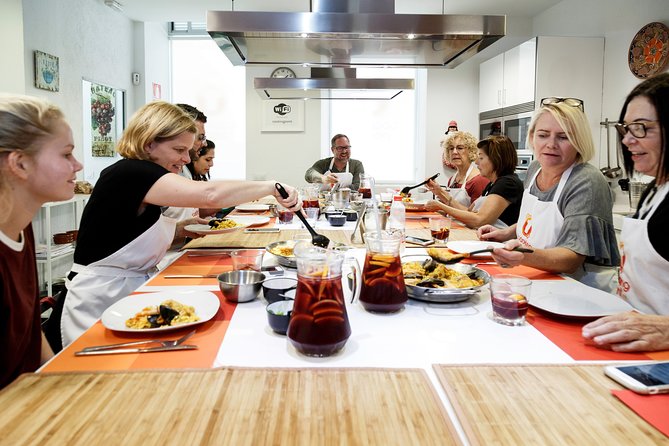
This is not a chef demonstration where you watch from the edge of the room. The ingredients are prepared in advance, but you actually take part in the cooking. You follow the chef’s directions, work with your partner, and get help when a step needs correcting.
That setup offers a good balance. You avoid spending the first hour doing repetitive preparation, yet you still handle the important cooking stages. The chef can step in with timing advice while allowing you to do the work.
The classes suit different skill levels. Beginners can follow clear instructions, while experienced cooks can ask about technique, ingredients, and Spanish food customs. One useful detail from the class format is that the chef does not simply take over when something becomes tricky. The aim is to guide you through it.
If you are traveling with children, check the booking details and menu needs before reserving. A six-year-old has taken part successfully, and the activity is described as family-friendly. The main point is that children need to be comfortable working in a kitchen and sitting through a four-hour food activity.
The chefs make the difference
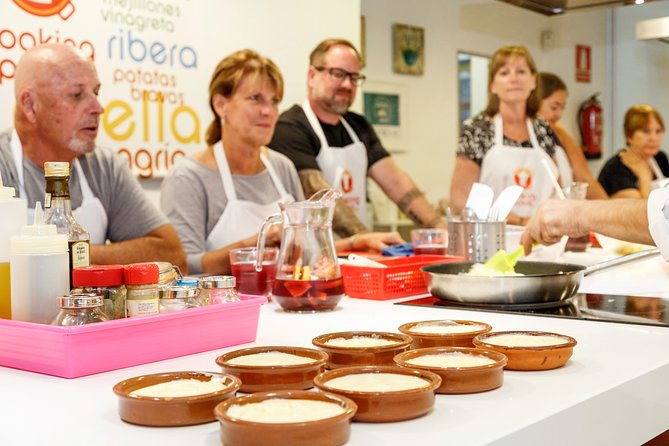
The class is led by an English-speaking local chef, and the instructor can vary by session. Angel is described as witty, welcoming, and articulate, with a talent for explaining both the food and the process. Teresa is praised for her energy, humor, patience, and ability to keep everyone organized.
Elisa brings a personable and funny teaching style, along with explanations about Spanish culture and food origins. Eduardo is described as patient and attentive, with a calm way of knowing when to offer help and when to let participants work things out.
You should not book based on one specific chef unless the provider confirms who will lead your date. The names associated with the class include Angel, Teresa, Elisa, and Eduardo, but instructor assignments can change. What you can reasonably expect is an English-speaking guide who teaches the group, answers questions, and helps manage the cooking.
The cultural talk adds value. You hear about Spanish diets, markets, ingredients, and regional food customs while preparing the meal. That makes the class useful even if you are not an avid cook, since you gain a better sense of what you are eating during the rest of your trip.
Eating the meal you prepared
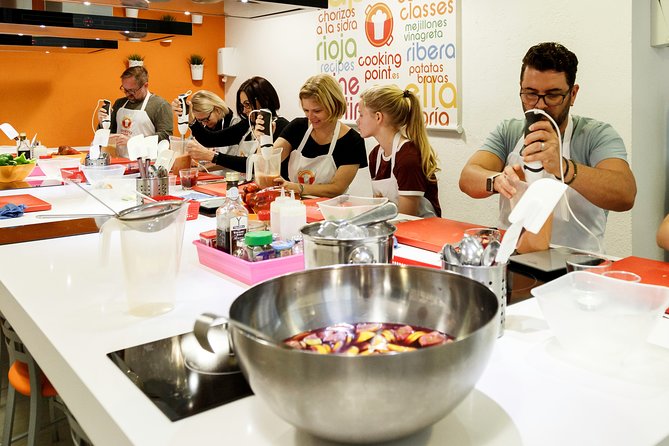
Once the cooking is complete, everyone sits down to eat together. This shared meal is an important part of the class. You are not sampling one small bite before being sent on your way. The food is intended to make a full lunch or dinner, so arrive hungry.
The meal also gives you time to talk with the other participants and compare travel plans. The social side works especially well for solo visitors and couples who want an evening with other people rather than another meal alone.
Portions can be generous. Some participants have had enough food to take leftovers away. That is not guaranteed for every class, but it is worth bringing a container only if the provider permits it. The practical advice is simple: do not plan a large restaurant meal immediately afterward.
The food quality depends partly on your group’s care and attention. This is your cooking, guided by the chef, so the meal feels more rewarding than a restaurant plate. You also learn what went into it, which can change how you judge paella, tortilla, or patatas bravas later in the trip.
Dietary needs, alcohol, and class comfort
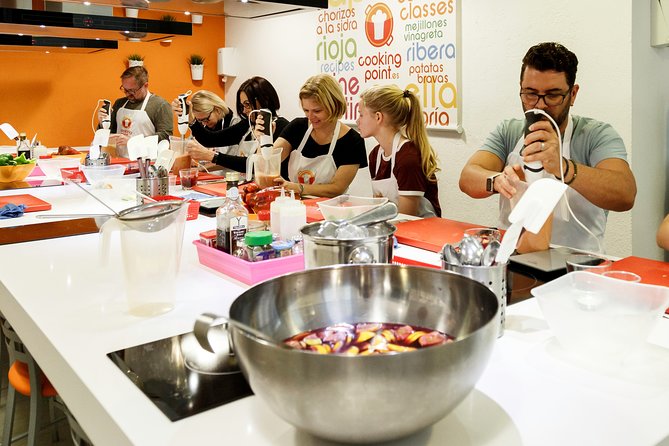
Dietary requirements should be provided when you book. The class says it can accommodate all dietary needs, but the chef needs that information ahead of time to adjust the menu and ingredients.
Do not wait until you arrive to mention an allergy or restriction. Give the provider the details at booking so the kitchen can prepare properly. The published sample menus include ham, seafood, chorizo, eggs, and dairy-related ingredients, so advance notice is especially important.
Sangria is included, and the minimum drinking age is 18. If you do not drink alcohol, state that when booking and ask about the available adjustment. The supplied information confirms dietary accommodation, but it does not specify every drink substitute.
The group size is capped at 12 participants. That is small enough for direct help, though your level of attention will still depend on how many people attend your particular date. Working in pairs means you share tasks, which is helpful for solo participants but something to remember if you want to personally handle every step.
Is the $102.79 price good value?
At $102.79 per person, this is not a budget meal. The value comes from the amount packed into the four hours: instruction, ingredients, a full meal, drinks, a local guide, and a recipe booklet.
The morning class adds a market visit, which makes it the stronger value if you want a food-and-culture activity rather than just a cooking lesson. The evening class offers a large tapas menu, so it can also replace a substantial dinner while giving you practical skills.
You are paying for participation, not only food. A restaurant meal may cost less, but it will not teach you how to prepare the dishes or explain Spanish food customs. A shorter cooking demonstration may also be cheaper, but this class gives you more time to cook and eat.
The price makes the most sense for people who enjoy food, want an activity with a clear local connection, or plan to use the recipes at home. It is less appealing if you dislike group activities, do not drink, or want a quick one-hour lesson.
The experience is booked an average of 37 days ahead, which suggests planning early is sensible, especially if you need a particular morning or evening. Confirmation is normally provided at booking. If you reserve within one day of the start, confirmation comes as soon as possible and depends on availability.
Who should book this class?
I would choose the morning session if you want the best combination of market culture and cooking. It gives you paella, gazpacho, and sangria, plus the chance to see how ingredients are selected before you use them.
Choose the evening session if you care most about variety. The tapas menu covers several classic dishes and includes dessert, making it a good fit for a relaxed night out with a meal built into the activity.
This class suits:
- Couples looking for a shared activity beyond sightseeing
- Families with children who are comfortable in a kitchen
- Solo visitors who want an easy way to meet people
- Beginner cooks who want clear instruction
- Experienced home cooks interested in Spanish methods
- Anyone hoping to recreate Spanish food at home
I would skip it if your schedule cannot spare four hours or if you want complete control over the menu. You work in pairs and follow the class plan, although dietary needs can be accommodated with advance notice.
Practical booking advice before you pay
First, confirm morning versus evening. Morning is paella. Evening is tapas. This single detail prevents the most likely disappointment.
Next, send all dietary requirements at booking. Also check the drinking-age rule if anyone in your group is under 18 or does not drink alcohol.
The meeting point is Cooking Point, Calle de Moratín 11, in Centro. There is no hotel transfer, and the class returns to this same location. Use public transportation or make your own way there, and leave space in your schedule after the class.
Free cancellation is available until 24 hours before the start time for a full refund. Cancellations or changes made less than 24 hours ahead are not accepted for a refund, and the cut-off uses Madrid local time.
Should you book the Madrid paella or tapas class?
Yes, if you want to cook rather than watch, eat a substantial Spanish meal, and spend time with a local chef and a small group. The morning class is my pick for most first-time visitors because the market visit adds a useful sense of place, while the evening tapas class is better for anyone who wants variety.
Book with the menu in mind, disclose dietary needs early, and leave enough time for the full four hours. At $102.79, it is a considered purchase, but the combination of instruction, food, drinks, market shopping on morning sessions, and recipes to take home gives it solid value for a food-focused day in Madrid.
FAQ
Where does the cooking class begin?
It begins at Cooking Point, C. de Moratín, 11, Centro, 28014 Madrid, Spain.
Where does the activity end?
The class ends back at the meeting point on Calle de Moratín.
How long does the class last?
The experience lasts approximately four hours.
Is the class offered in English?
Yes. An English-speaking local chef leads the class.
How many people can attend?
The maximum group size is 12 participants.
Is there a morning and evening option?
Yes. You can choose a morning or evening cooking class, but the menus differ.
What does the morning class include?
The morning class focuses on paella, gazpacho, and sangria. It also includes a visit to a local market to shop for fresh ingredients.
What does the evening class include?
The evening class focuses on tapas and may include Spanish potato omelet, garlic shrimp, chorizo in cider, patatas bravas, tomato bread with ham, crema Catalana, and sangria.
Can dietary requirements be accommodated?
Yes. You should provide your dietary requirements when booking.
Is hotel pickup included?
No. Hotel pickup and drop-off are not included.
What is the minimum drinking age?
The minimum drinking age is 18.
What is included in the price?
The price includes the cooking class, tapas or paella with drinks, a local guide, and a recipe booklet.
Can I cancel for a full refund?
Yes. You can cancel at least 24 hours before the start time for a full refund. Changes or cancellations made less than 24 hours before the start time are not accepted for a refund.
More Workshops in Madrid
- Madrid: Half-Day Spanish Cooking Class
★ 5.0 · 345 reviews - Madrid: 10 Tapas 2.5-Hour Cooking Class
★ 4.7 · 222 reviews - Madrid: Paella and Sangria Workshop with Tapas
★ 4.9 · 128 reviews - Barcelona Paella Cooking Class with Market Visit, Tapas & Sangria
★ 5.0 · 2,531 reviews
Recently reviewed around Madrid
- Tour Madrid: Secrets in a Electric Tuk Tuk★ 4.6 · 155 reviews
- Madrid: Don Quixote de la Mancha Windmills & Toledo Tour★ 4.9 · 254 reviews
- Tour Guiado En Tuk Tuk Recorre Avila De La Forma Mas Comoda★ 4.4 · 235 reviews
- Madrid: Guided Tour of Toledo with Cathedral Visit★ 4.3 · 399 reviews
- Madrid: Toledo Day Trip with Winery Visit and Wine Tasting★ 4.4 · 177 reviews
- Madrid: 6-Hour Day Trip to Toledo with Guided Walking Tour★ 4.0 · 865 reviews
- Madrid: Tasty Tapas Tour & Visit to a Terrace with Views★ 4.5 · 118 reviews
- Madrid: Flamenco Show&Drink at Tablao 1911 (World’s Oldest)★ 4.7 · 253 reviews
Paella Cooking Classes, compared.
Paella Cooking Experience & Boqueria Market Tour
Read our review →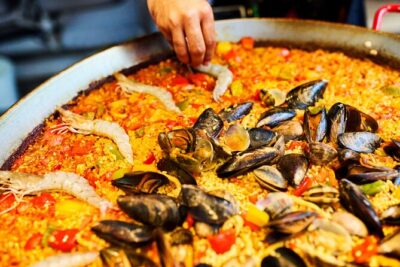
Barcelona Paella Cooking Class with Market Visit, Tapas & Sangria
Read our review →
Natural Coves and Beaches Boat Trip & Paella Lunch
Read our review →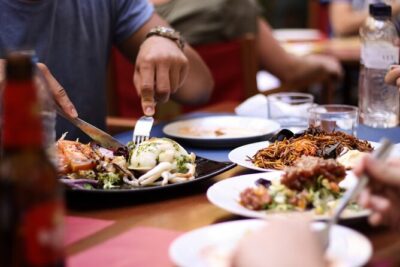
Barcelona Food Tour: Tapas, Paella, Sangria & 8+ Local Tastings
Read our review →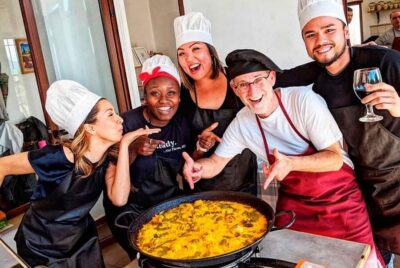
Paella and Sangria Workshop in the City Center
Read our review →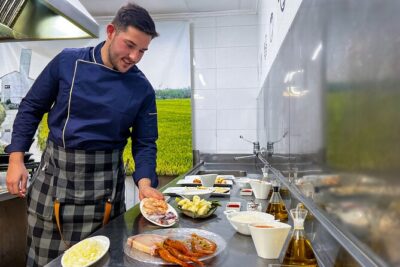
Paella Cooking Class, Wine Tasting & Central Market in Valencia
Read our review →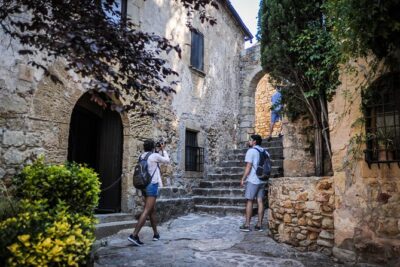
Girona & Costa Brava Small Group Tour From Barcelona with Paella!
Read our review →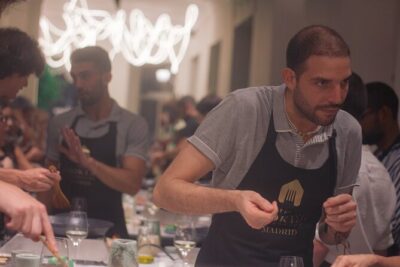
Paella Cooking Class in Madrid with Bottomless Wine Pairing
Read our review →Browse the lists this tour appears in