
Reviewed · FOOD & DRINK
Ronda: LA Almazara LA Organic, Olive Oil Museum and Tasting
The most striking part of this Ronda outing is the meeting of olive oil tradition and Philippe Starck design. You move from a working agricultural setting to an art-filled museum, then finish with a guided tasting that teaches you how mild and intense oils differ.
I like the beautiful farm setting, with vineyards, mountain scenery, citrus, quince, vegetables, and aromatic plants. I also like the clear, useful tasting lesson, which helps you read labels and judge oil at home. The main consideration is access: gravel paths make the visit unsuitable for wheelchair users, and parts of the museum or wider property may still be developing.
In This Review
- Key points before you book
- Why this Ronda olive oil tour is different
- Getting to LA Organic from Ronda
- Starting with the family story and olive oil tradition
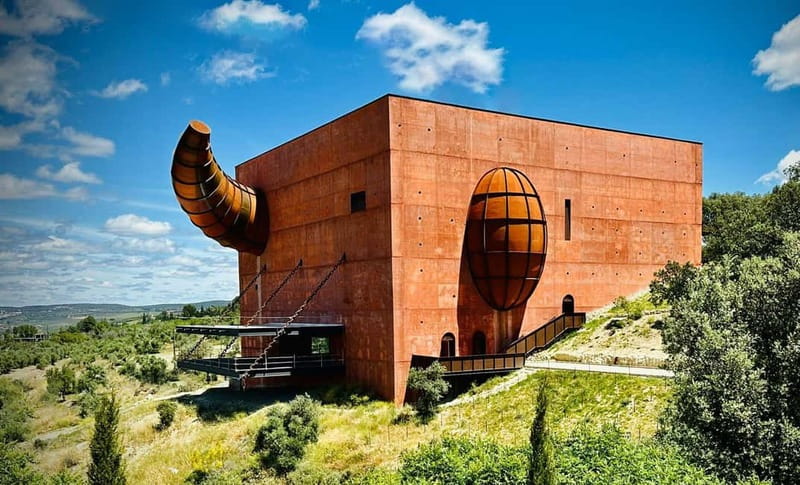
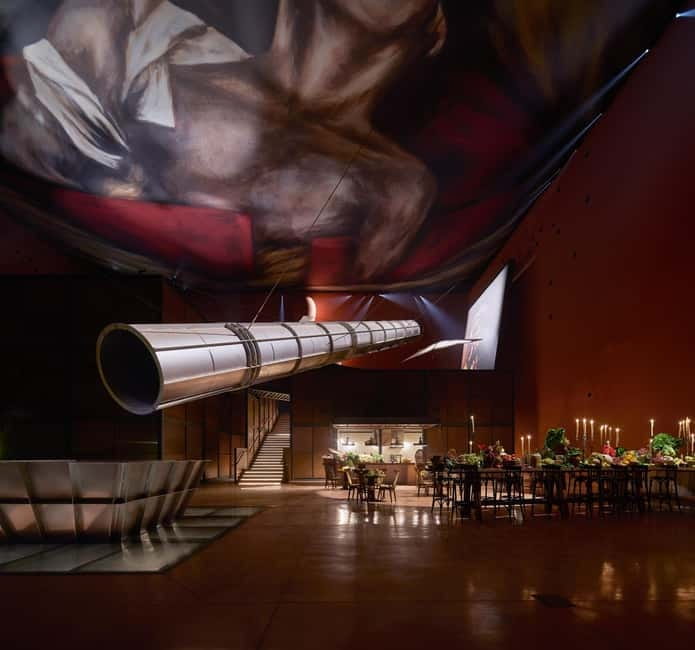
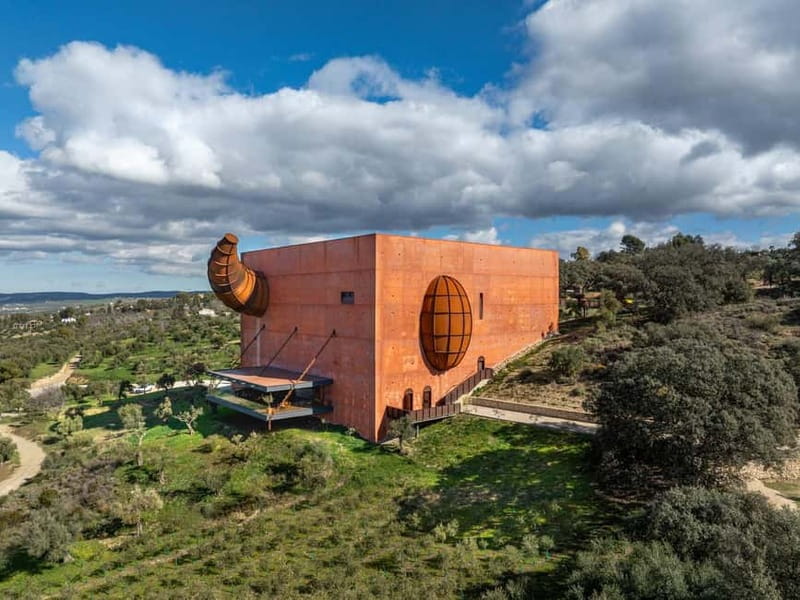
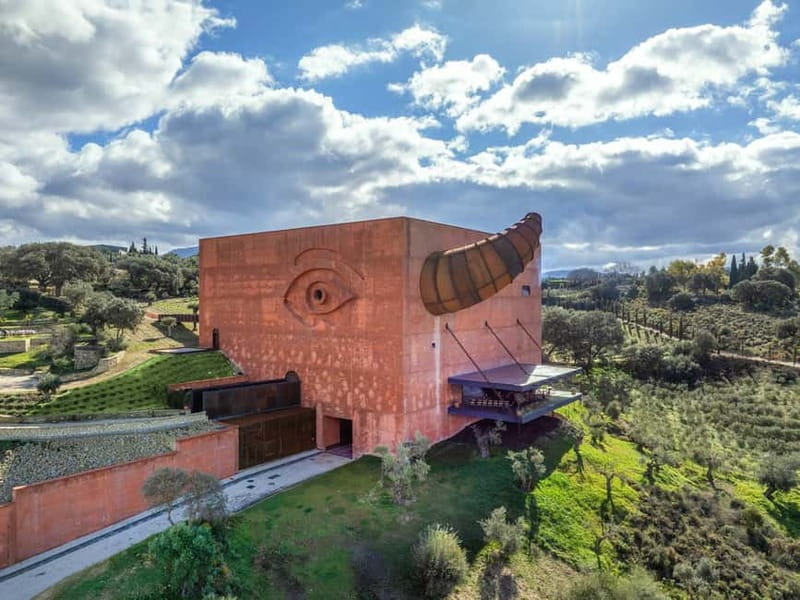
- Inside the Philippe Starck olive oil museum
- Seeing how olives become organic oil
- Walking through the farm and gardens
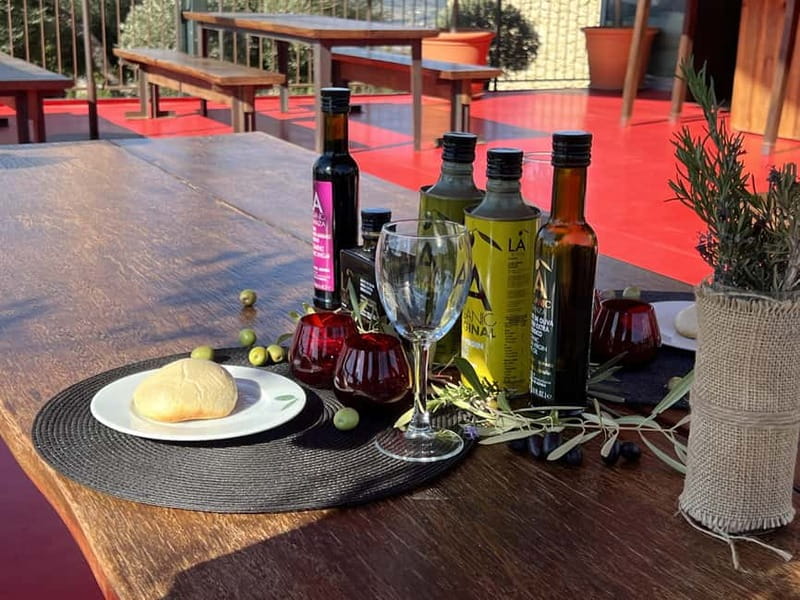
- Learning to taste oil instead of simply tasting it
- The shop, oils, and time after the tour
- Who will enjoy this experience most
- Practical details that affect your decision
- Should you book LA Organic?
- FAQ
- Where does the LA Organic olive oil tour begin?
- How long does the experience last?
- What languages are available?
- Is transportation included?
- What does the tour include?
- Is the tour suitable for wheelchair users?
- What should I bring?
- Can I cancel the booking?
Key points before you book
- See an unusual Philippe Starck-designed museum built around the story and culture of olive oil.
- Taste several organic oils while learning to identify mild, intense, and more complex flavors.
- Walk through a working farm setting with olive trees, vineyards, herbs, vegetables, citrus, and quince.
- Plan for 90 minutes, with the museum, mill, outdoor walk, and tasting all included.
- Allow extra time for the drive, since transportation is not included and the property is about 10 minutes by car from Ronda.
- Choose comfortable shoes, since paths around the farm include gravel and outdoor walking.
Why this Ronda olive oil tour is different
Ronda has no shortage of dramatic sights, but this experience gives you a useful look at Andalusia beyond bridges, cliffs, and old-town streets. Olive oil is part of daily life here, yet many visitors use it without knowing how it is made or how to tell a fresh, high-quality oil from a dull one.
LA Organic brings those two sides together. You get agriculture, design, food, and scenery in one short visit. The property is presented as the world’s first author-designed olive oil mill, and the architecture is a major reason to come even if you are not already an olive oil enthusiast.
The tour is priced at $22 per person and lasts about an hour and a half. For that fee, you receive a guide, the museum and mill visit, a walk through the farm, and an olive oil tasting. I consider that fair value for a focused experience that adds something genuinely local to a Ronda itinerary.
It is not a full-day food tour, and the tasting is not built around a large meal. You are paying for interpretation and access to a distinctive property, not just for a few slices of bread and small pours.
More Food Tours in Malaga
- Malaga: Show and Food at Alegría Flamenco and Restaurant
★ 4.6 · 740 reviews - Málaga Evening Tapas Crawl Tour by Food Lover Tour
★ 5.0 · 258 reviews - Guided tour and olive oil tasting in Alhaurin el Grande (Málaga)
★ 5.0 · 200 reviews
Getting to LA Organic from Ronda
The meeting point is the LA Organic Country House. Transportation is not included, so you need to arrange your own way there. The property is roughly 10 minutes from Ronda by car, making it easiest to combine with a rental car or a private taxi.
You should allow enough time to arrive without rushing. The tour begins at a set starting time, and one booking had a timing mix-up, so it is sensible to confirm the start time when you book and again before setting out.
Wear shoes that can handle gravel and uneven outdoor paths. Sunglasses, water, a camera, and comfortable clothes are useful, especially on a sunny day. The setting is open and scenic, but the experience is not designed as a fully accessible visit.
Starting with the family story and olive oil tradition
Some versions of the visit begin with a short video about the family behind the fields. That introduction gives the tour a human scale before you get into machinery, architecture, and tasting notes.
This is useful because olive oil can feel like an abstract product when you only see a bottle on a shop shelf. Here, you begin with the people, land, and decisions behind the bottle. You then have a better sense of why organic production, harvest timing, olive variety, and storage matter.
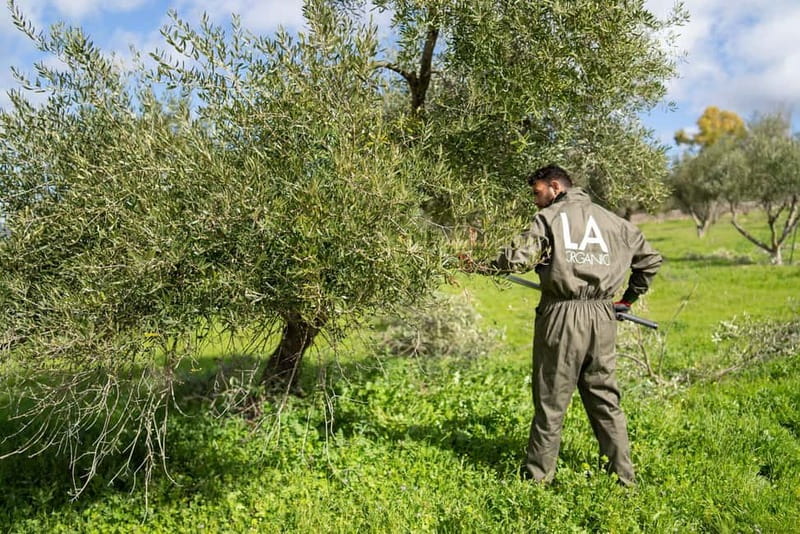
The guide explains how olives are grown, picked, and turned into oil. You also learn that different olive trees have different uses and qualities. The best guides keep this practical rather than turning it into a lecture.
Guides have included Ursula, Simon, Maria, Andrés, Jorge, and others. The strongest descriptions of the tour consistently point to guides who are warm, funny, and passionate about the subject. Simon, for example, has led bilingual tours in English and Spanish for groups of more than 12 people. Ursula has been praised for explaining both the farm and the tasting with enthusiasm and clarity.
English and Spanish tours are available. If your group is mixed, ask how the language will be handled at your chosen time. A bilingual tour can work well, but explanations may take a little longer.
Inside the Philippe Starck olive oil museum
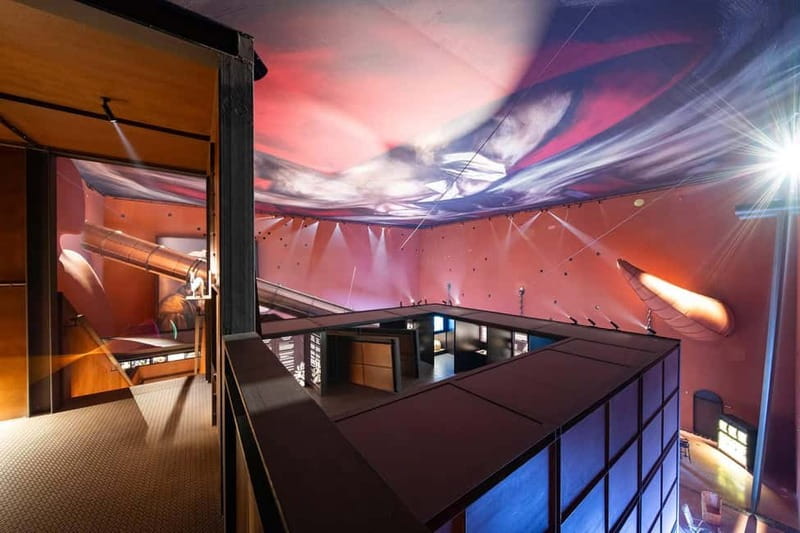
The museum is the visual centerpiece. Philippe Starck is a French industrial architect and designer known for giving everyday objects a strong artistic identity. At LA Organic, his approach creates a playful link between natural forms, agricultural work, and built spaces.
You should expect more than rows of old tools. Art is woven into the museum experience, and the building itself is worth examining from both inside and outside. It gives the visit an unexpected edge: this is not simply a traditional mill converted into a display.
The design also makes the subject easier to remember. Instead of receiving a long list of facts about pressing and bottling, you connect those details with unusual rooms, objects, and views across the property.
One practical note: the museum and surrounding project have been in stages of opening and completion. At some points, construction crews were still present and restaurants had not yet opened. If you are especially interested in seeing the full museum or using dining facilities afterward, confirm what is operating on your date.
That unfinished quality may bother visitors expecting a polished, fully developed attraction. For others, it adds a sense of seeing a new cultural project take shape. I would treat the museum as an important part of the visit, but not assume every planned area will be open.
More Museum Tours in Malaga
- Malaga: Picasso’s Birthplace Museum Entrance Ticket
★ 4.3 · 813 reviews - Malaga: Picasso Museum Guided Tour with Skip-the-Line Ticket
★ 4.8 · 485 reviews - Skip the Line: Malaga Automobile and Fashion Museum Entrance Ticket
★ 4.5 · 379 reviews - Malaga: Tour of Malagueta Bullring & Immersive Exhibition
★ 4.7 · 271 reviews
Seeing how olives become organic oil
The mill section explains the basic route from fruit to bottle. You learn about harvesting, extraction, and bottling, with the guide showing how olives are handled to produce high-end organic oil.
The process matters because fresh olive oil is not simply olive juice sitting in a decorative bottle. The condition of the olives, the time between picking and pressing, and the way the oil is stored all affect taste and quality.
One typical visit includes around 30 minutes walking through the facility before a short explanation of extraction. That pacing gives you enough time to understand the process without making the tour feel technical or tiring.
The experience focuses on organic production and premium oil. LA Organic also highlights an oil that received an award for being the best organic oil in the world in 2015. That claim is part of the attraction, but you do not need to accept an award as proof that every oil will suit your palate. The tasting is valuable because it lets you judge the flavors yourself.
Walking through the farm and gardens
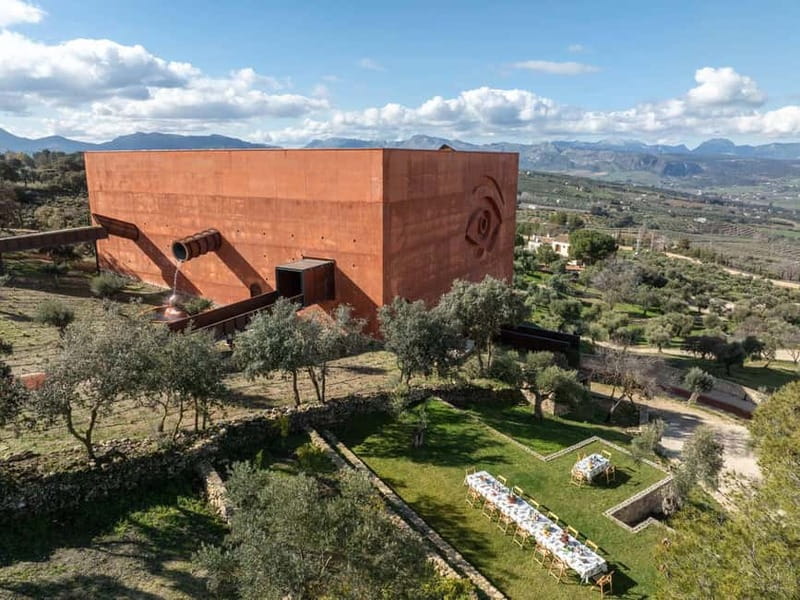
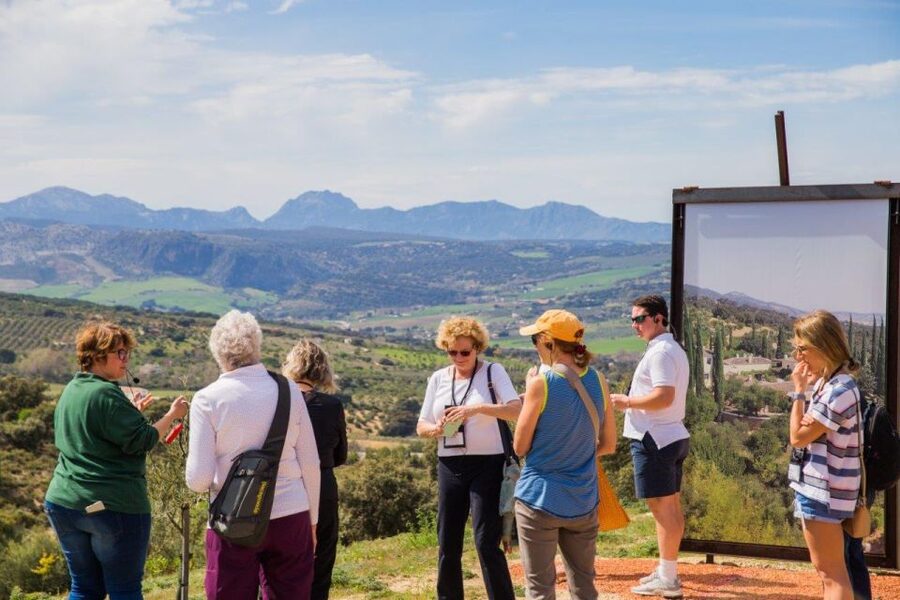
The outdoor portion takes you through more than an olive grove. The property includes olive trees, rolling vineyards, vegetables, aromatic plants, citrus trees, and quince trees, with mountain views around Ronda.
This walk adds context to the museum. You see the setting where agriculture, design, and hospitality meet, rather than spending the entire visit indoors. The scenery is one of the strongest reasons to bring a camera.
The outdoor route also helps you understand that olive oil is tied to a larger farm system. Herbs, fruit trees, vineyards, and garden crops give the property variety. Guides may point out individual plants and explain how the grounds fit into the project.
Do not expect a long hike. The activity lasts 90 minutes in total, and the farm walk is one part of a compact itinerary. If you want a full countryside walk, you will need a separate outing.
Gravel is the key access issue. A family reported that a wheelchair user had difficulty rolling through the paths, although the guide helped by taking a shorter route. The activity is listed as unsuitable for wheelchair users, so anyone with mobility concerns should contact the provider before booking rather than relying on an improvised alternative.
Learning to taste oil instead of simply tasting it
The tasting is where the tour becomes most useful for everyday life. You learn to look for the full range of flavors in olive oil and to tell a mild oil from an intense one.
The guide leads you through the process rather than simply handing you bread and asking which sample tastes best. You may be shown how to notice aroma, flavor, and the strength of the oil on the palate. This helps you understand why one oil works well for delicate dishes while another can stand up to stronger food.
The exact tasting setup can vary. One group received two oils pre-poured and two additional oils on the table, served with bread. Other accounts describe a tasting of two oils. That means you should expect a guided comparison, but not assume a fixed number of samples unless the provider confirms it.
That limitation is worth noting. Some visitors would prefer a wider comparison, with three or more oils presented side by side. Still, the lesson can be more important than the number of pours. A focused tasting with good instruction leaves you better prepared to shop for olive oil after returning home.
You also learn more about reading oil labels and choosing quality oil. That is a real benefit. Many food tastings entertain you for an hour, then vanish from memory. This one gives you a small skill you can use in Spanish markets, grocery shops, and your own kitchen.
The legal drinking age in Spain is 18. Since this is an oil tasting rather than an alcohol-focused event, that rule is easy to overlook, but it applies to the activity information provided.
The shop, oils, and time after the tour
The tasting usually finishes in the restaurant or gift shop area. The oils and vinegars are available for purchase, and the prices have been described as reasonable for the quality.
There is no pressure to buy. That matters because a tasting attached to a shop can sometimes feel like a sales pitch. Here, you can learn, taste, and decide for yourself.
If you find an oil you like, buying a bottle makes sense, especially since the product is tied directly to the property you have just toured. Pack it carefully if you are continuing around Spain, or ask about suitable packing for your journey home.
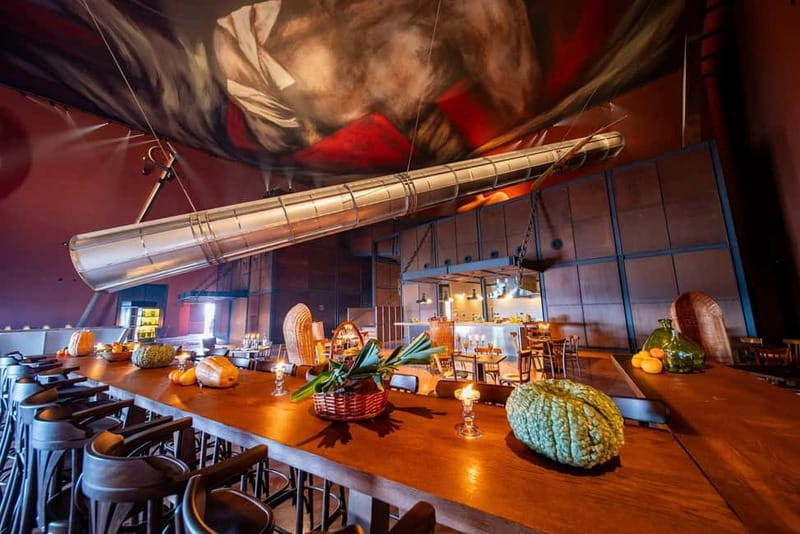
Some visitors have also ordered wine and a tasting menu separately and spent extra time on the patio. Do not treat that as part of the $22 tour package. Dining options and opening status may vary, particularly while the wider project is being completed.
Who will enjoy this experience most
I would recommend LA Organic to anyone interested in food production, Spanish agriculture, architecture, or small-scale cultural experiences. It works particularly well for couples, families with older children, and anyone who wants an easy half-day addition to a Ronda stay.
It is also a good fit for people who enjoy agrotourism. You get a real connection to fields, plants, production, and regional food rather than another indoor attraction in the center of town.
The visit suits first-time olive oil tasters because the guide explains what to notice. It also suits experienced cooks who want to compare Andalusian oils and learn more about organic production.
You may want to skip it if your schedule in Ronda is extremely tight, if you dislike organized tastings, or if you want a long countryside walk. The visit is polished enough to be informative, but it is still a structured 90-minute tour with a set route.
Weather can affect the outdoor portion. A guide named Jorge was able to keep the experience interesting in rainy conditions, but you will be more comfortable with suitable clothes and shoes if the forecast is poor.
Practical details that affect your decision
The activity includes a live guide in English or Spanish and an olive oil tasting. It does not include transportation, meals, wine, or purchases from the shop.
You can cancel up to 24 hours in advance for a full refund, and the reserve-now-pay-later option allows you to hold a place without paying immediately. Check availability for the current starting times, since the schedule can change.
The listed duration is 1.5 hours. Keep in mind that your total outing will be longer once you add the drive from Ronda, arrival time, and any shopping or patio time afterward.
The average rating is 4.6 from 335 ratings, which fits the character of the experience: strong guides, attractive grounds, an unusual building, and an educational tasting are its biggest assets. The weaker points are limited tasting comparisons, possible construction during the development phase, occasional timing confusion, and difficult gravel paths.
At $22, the tour offers good value if you care about the subject or want to see the Starck building. If olive oil is not of interest to you, the museum and scenery alone may not justify the trip, especially once you add transport.
Should you book LA Organic?
Book this tour if you want to understand one of Andalusia’s most important foods while seeing a striking modern building and lovely farm scenery. The best reason to go is the combination: design, agriculture, and tasting in one compact visit.
I would especially choose it for a second day in Ronda, when you have already seen the old town and want a change of pace. Go with comfortable shoes, allow for your own transport, and confirm which museum and dining areas are open.
Skip it only if you have little interest in food production, need easy wheelchair access, or want a broad, meal-sized tasting. For most curious visitors, the clear instruction, passionate guides, and unusual setting make this a worthwhile addition to a Ronda itinerary.
FAQ
Where does the LA Organic olive oil tour begin?
The tour begins at the LA Organic Country House near Ronda.
How long does the experience last?
The scheduled experience lasts 1.5 hours.
What languages are available?
The live tour guide is available in English and Spanish.
Is transportation included?
No. Transportation to and from the LA Organic Country House is not included.
What does the tour include?
The experience includes a guided museum visit, a visit to the mill, a walk through the farm, and an olive oil tasting.
Is the tour suitable for wheelchair users?
The activity is listed as unsuitable for wheelchair users. Gravel paths can make it difficult to move around the property, although one guide provided a shorter route for a wheelchair user.
What should I bring?
Bring comfortable shoes, sunglasses, water, a camera, and comfortable clothing.
Can I cancel the booking?
You can cancel up to 24 hours in advance for a full refund. You can also reserve now and pay later, according to the activity information.
More Museum Tours in Malaga & Costa del Sol
- Málaga: Carmen Thyssen Museum Ticket
★ 4.6 · 245 reviews - Málaga: Picasso Birthplace Museum Ticket & City Audio Guide
★ 4.1 · 158 reviews - Madrid: Prado Museum Entry Ticket
★ 4.6 · 17,509 reviews - Barcelona: FC Barcelona Museum “Barça Immersive Tour” Ticket
★ 4.4 · 10,944 reviews
More Food Tours in Malaga & Costa del Sol
- Manilva: Nilva Vineyard, Wine Tasting & Tapas Guided Tour
★ 4.9 · 156 reviews - Malaga: Tapas Tasting Tour
★ 4.9 · 133 reviews - Madrid: Live Flamenco Show with Food and Drinks Options
★ 4.5 · 9,901 reviews - Montserrat & Cogwheel Train, Gourmet Wine Tasting & Tapas/Lunch
★ 5.0 · 6,290 reviews
Recently reviewed around Malaga & Costa del Sol
- From Marbella: Canyoning Tour in Guadalmina Canyon★ 5.0 · 778 reviews
- Torremolinos: Crocodile Park Entrance Ticket★ 3.7 · 309 reviews
- Torremolinos: Flamenco Show with Drinks★ 4.6 · 290 reviews
- Selwo Aventura Admission Ticket with Skip-the-Line Access★ 4.2 · 151 reviews
- Tour to Gibralfaro★ 4.7 · 182 reviews
- Ronda: Spanish – Classical & Flamenco – Guitar Concert★ 4.8 · 108 reviews
- Ronda: Guided Walking Tour★ 4.6 · 104 reviews
- From Costa del Sol: Ronda and Setenil de las Bodegas★ 4.5 · 149 reviews
Food & Drink, compared.

Live Flamenco Show with Food and Drinks Options
Read our review →
Montserrat & Cogwheel Train, Gourmet Wine Tasting & Tapas/Lunch
Read our review →
Ibiza Beach Hopping Cruise with Paddleboards, Drinks and Food 6h
Read our review →
Tapas Walking Tour with Food, Wine, and History
Read our review →
Sevilla Food Tour: Tapas, Wine, History & Traditions
Read our review →
Toledo Tour & Vineyard Walk with Wine Tasting from Madrid
Read our review →

Barcelona Tapas Walking Tour: Food, Wine & History
Read our review →Browse the lists this tour appears in