
Reviewed · FLAMENCO SHOWS
Seville: Museum of Flamenco Dance Admission Ticket
Flamenco is more than a dance you watch on a stage. It is a language of rhythm, posture, costume, and mood, and Seville’s Flamenco Dance Museum gives you a compact introduction to all of it. Founded by legendary dancer and choreographer Cristina Hoyos, the museum sits five minutes from the Cathedral and Giralda, making it an easy cultural stop in the Old Town.
I like the central location and the chance to see real costumes, props, and art instead of only reading about flamenco. I also like the interactive displays, especially because you can spend longer with the music and explanations that catch your attention. The main caution is simple: this is a museum ticket, not a performance, and visitors who want the heat of live flamenco may find the galleries too quiet or too brief.
In This Review
- Key points to know before you go
- What this small museum helps you understand
- From Seville’s Old Town to the museum entrance
- Costumes, props, and the physical language of flamenco
- Interactive displays and the value of room 3
- Six styles, six different entry points
- Museum ticket or live flamenco show?
- How long to allow, and when to visit
- Who will get the most from this visit?
- Is $7 a fair price?
- Should you book the Flamenco Dance Museum?
- FAQ
- Where is the Flamenco Dance Museum?
- How long does the museum visit take?
- What are the museum’s opening hours?
- Is the flamenco show included with museum admission?
- Who founded the Flamenco Dance Museum?
- Which flamenco styles are presented?
- Is the museum wheelchair accessible?
Key points to know before you go
- Cristina Hoyos founded the museum: Her career gives the museum a direct link to one of flamenco’s most important performers and choreographers.
- Six flamenco styles appear in the displays: Look for Alegría, Soleá, Seguiriya, Taranto, Tangos, and Guajira.
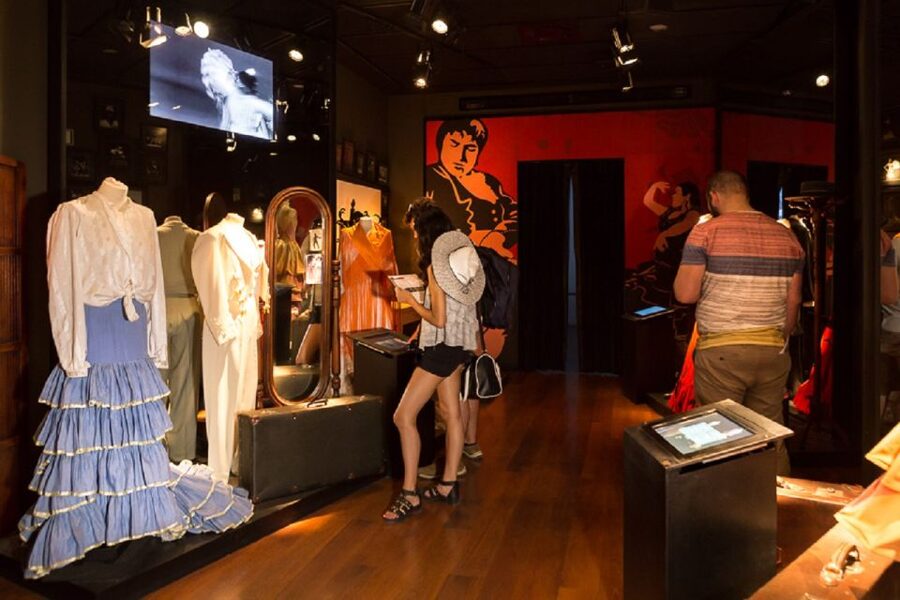
- Historic clothing carries much of the story: Dresses and stage garments show how flamenco’s visual style changed over time.
- Room 3 rewards patience: The displays can be listened to for longer than the basic one-hour estimate, particularly in this room.
- The ticket excludes the flamenco show: You are paying for the museum only, so check carefully if you want a performance as well.
- The museum is close to Seville’s major sights: It is on Calle Manuel Rojas Marcos, about five minutes on foot from the Cathedral and Giralda.
What this small museum helps you understand
The museum’s main job is to show how flamenco moved from popular folk art into a recognized cultural institution. That story is easier to grasp through clothing, sound, movement, and visual material than through a wall of dates.
You begin with the idea that flamenco is not one fixed dance. Its forms have different moods, rhythms, and traditions. The museum introduces styles including Alegría, Soleá, Seguiriya, Taranto, Tangos, and Guajira. Even if you do not know the difference between them yet, seeing the names together helps you understand that flamenco has a broad vocabulary.
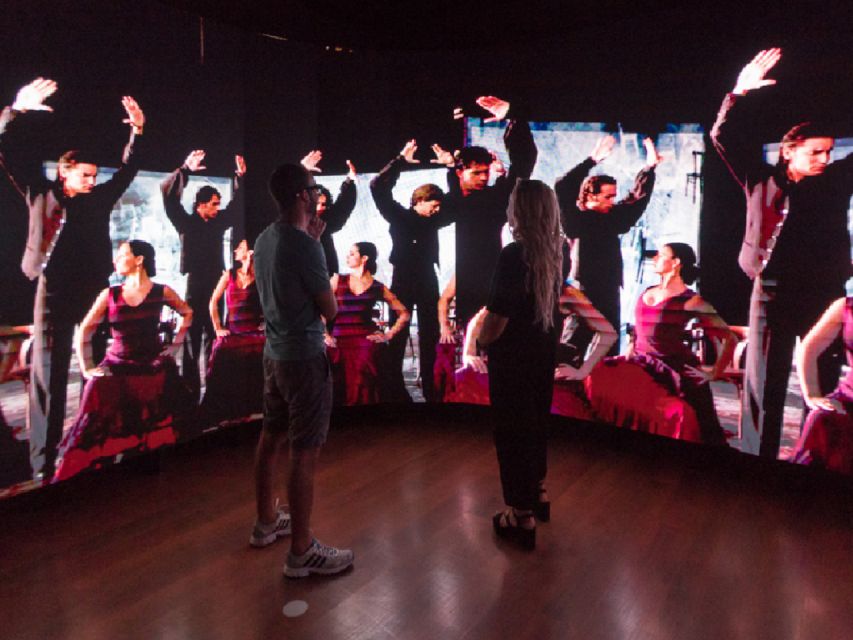
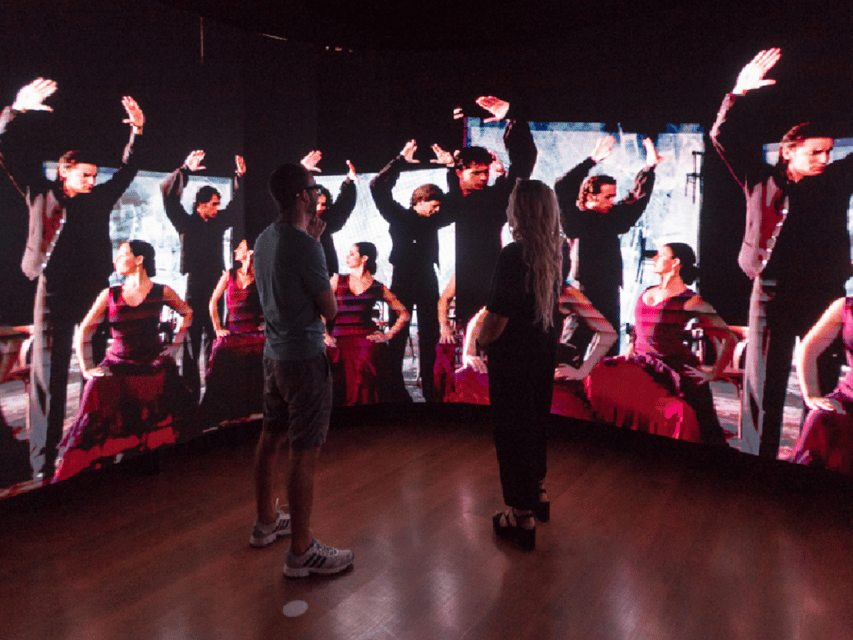
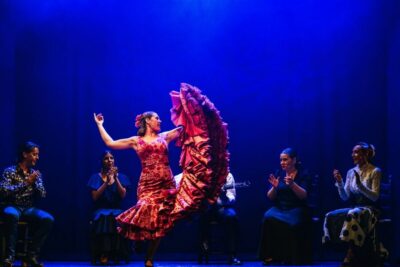
The displays also give you a sense of how much work happens before a dancer steps onto a stage. A flamenco performance depends on the line of the body, the movement of a skirt, the placement of the hands, and the relationship between dancer and music. The costumes and props make those details easier to notice.
I would not expect a full academic study here. The visit is designed as an accessible introduction, and its one-hour duration reflects that. You get a useful overview, then you can decide if you want to see a live show or learn more elsewhere in Andalusia.
More Flamenco Shows in Seville
- Seville: Live Flamenco Dancing Show Ticket at the Theater
★ 4.7 · 16,396 reviews - Seville: Casa de la Memoria Flamenco Show
★ 4.8 · 12,964 reviews - Seville: Puro Flamenco Show with Optional Museum Ticket
★ 4.8 · 6,088 reviews
From Seville’s Old Town to the museum entrance
The address is Calle Manuel Rojas Marcos, 3, in the center of Seville. From the Cathedral and Giralda, the walk takes about five minutes, so the museum fits neatly between sightseeing stops.
That location matters. You do not need to plan a separate trip across the city or set aside half a day. You can visit after seeing the Cathedral, before dinner, or during a break from the narrow streets around the Old Town.
The meeting point is the museum ticket office. Your ticket allows entry during the stated museum hours, from 11:00 to 18:00, with last entry at 18:00. On the first Monday of each month, the museum opens later, at 16:00. This is the one schedule detail I would check before setting out, since a morning plan will not work on that particular day.
There is no transport segment or guided walking tour attached to the ticket. You make your own way to the building and explore the museum once inside. That keeps the visit simple, but it also means you should not expect a guide to lead you from display to display.
Costumes, props, and the physical language of flamenco
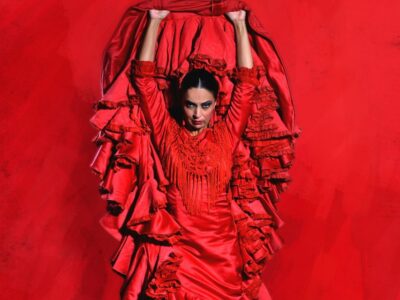
The historic costumes are among the most useful parts of the visit. Flamenco clothing is not just decoration. A dress changes the way a dancer moves, creates a strong visual line, and can become part of the performance itself.
As you look at garments from different periods, pay attention to changes in shape and detail. You can see how flamenco’s public image developed and how costume became linked to the elegance and force of the dance.
Props add another layer. The museum presents objects connected with flamenco performance, helping you connect what you see in the galleries with what happens on stage. These details are especially helpful if your experience of flamenco so far has been limited to a short show or a few photographs.
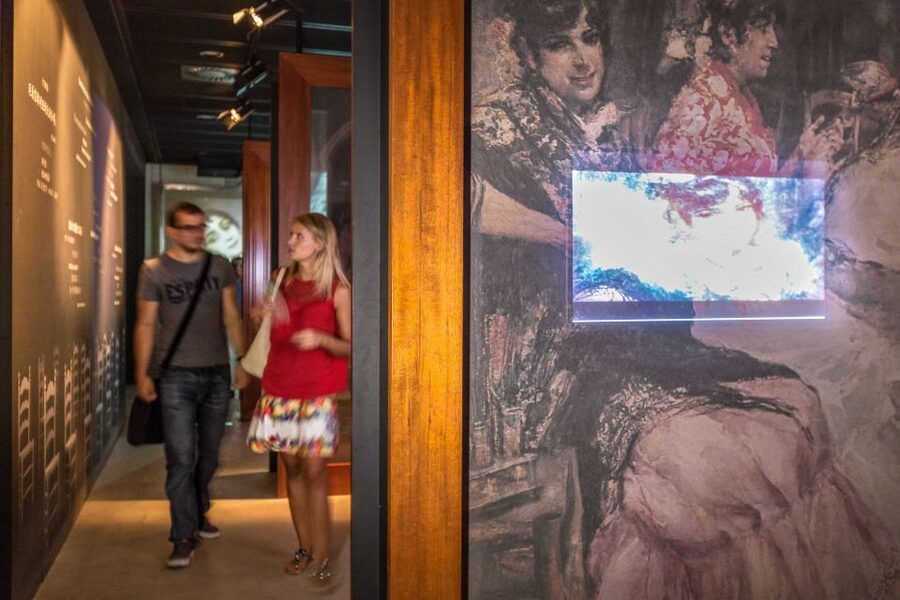
The artwork broadens the picture again. Flamenco has inspired artists as well as dancers, singers, and musicians. Seeing it represented in several forms helps explain why it matters so much in Andalusian culture.
I would give the clothing and objects time rather than rushing through them. The basic visit can take an hour, but the museum does not force you to move at one fixed pace. If a costume catches your eye, stop and examine it instead of treating the gallery as a quick prelude to something else.
Interactive displays and the value of room 3
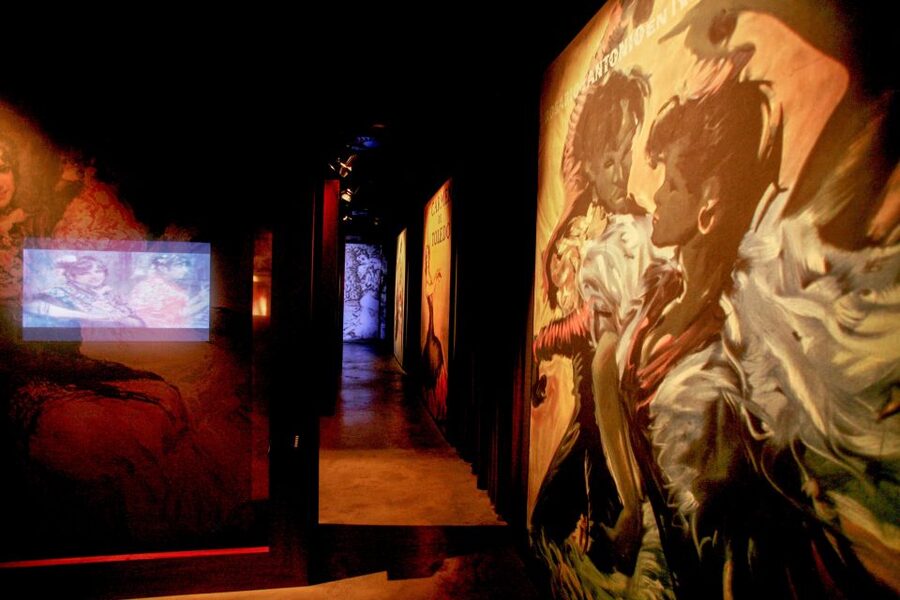
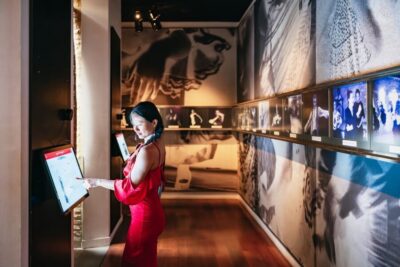
The museum uses interactive screens and listening material to make the subject less static. That is useful because flamenco is difficult to understand through objects alone. A dress can show movement, but sound gives you the rhythm and emotional character that the fabric cannot provide.
Room 3 deserves special attention. The listening and explanatory material there can take longer than the one-hour estimate if you stop to hear everything. One practical lesson from the experience is not to assume that one hour means you must leave after exactly sixty minutes. It is a guide for planning, not a strict limit on your attention.
If you are curious about musical styles, you will probably get more from the displays than someone who simply wants to glance at costumes. Take time to listen, compare the names of the styles, and connect the information to the clothing and artwork nearby.
The museum’s interactive approach also makes it easier to visit at your own level. A newcomer can get the broad story without needing specialist knowledge. Someone already familiar with flamenco can spend more time with the details.
That said, the museum’s strengths are tied to your interest. If you have little patience for displays or audio material, the visit may feel thin. The museum cannot reproduce the force of a dancer, the sound of live music, or the shared energy of a theatre.
More Seville museums and collections:
- Seville: Museum of Illusions Entry Ticket
★ 4.2 · 1,196 reviews - Seville: Museum of Fine Arts Guided Tour
★ 4.8 · 107 reviews - Madrid: Prado Museum Entry Ticket
★ 4.6 · 17,509 reviews - Barcelona: FC Barcelona Museum “Barça Immersive Tour” Ticket
★ 4.4 · 10,944 reviews
Six styles, six different entry points
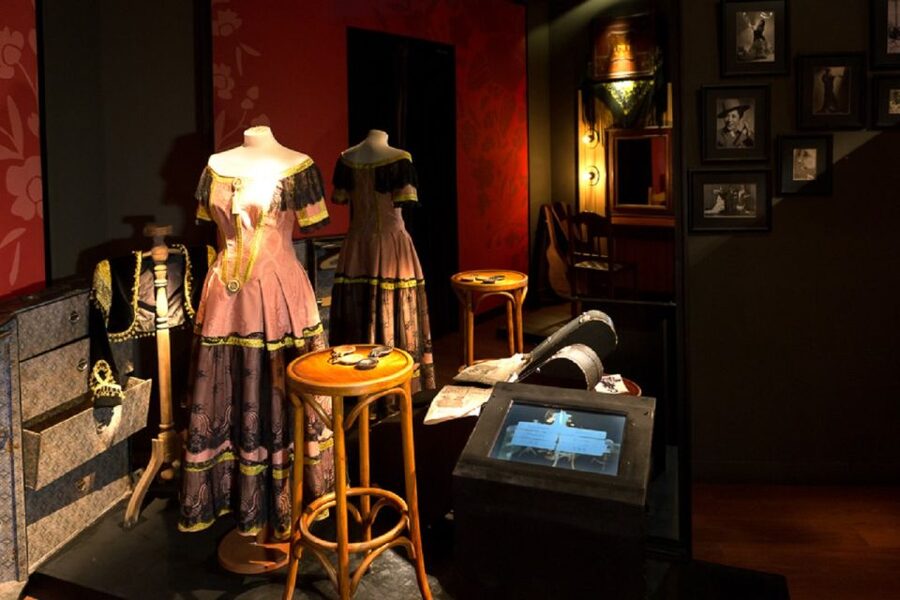
The named styles give the visit structure. You may not leave able to identify each one by ear, but you will understand that flamenco includes distinct forms rather than one single routine.
Alegría suggests a brighter side of the tradition, while Soleá carries a more serious reputation within flamenco culture. Seguiriya is another major form, often associated with a weightier mood. The museum also introduces Taranto, Tangos, and Guajira, showing how broad the repertory can be.
The value here is not memorizing a list. It is learning to watch and listen with greater care. After visiting, you may notice that a flamenco performance has its own internal changes in mood and rhythm. That makes a later show more rewarding because you are no longer seeing every movement as part of one undifferentiated dance.
The information also gives context to Cristina Hoyos’s role. As founder, dancer, and choreographer, she connects the museum’s educational purpose with the living performance tradition. Her presence in the story keeps the museum focused on dance rather than turning flamenco into a purely historical subject.
Museum ticket or live flamenco show?
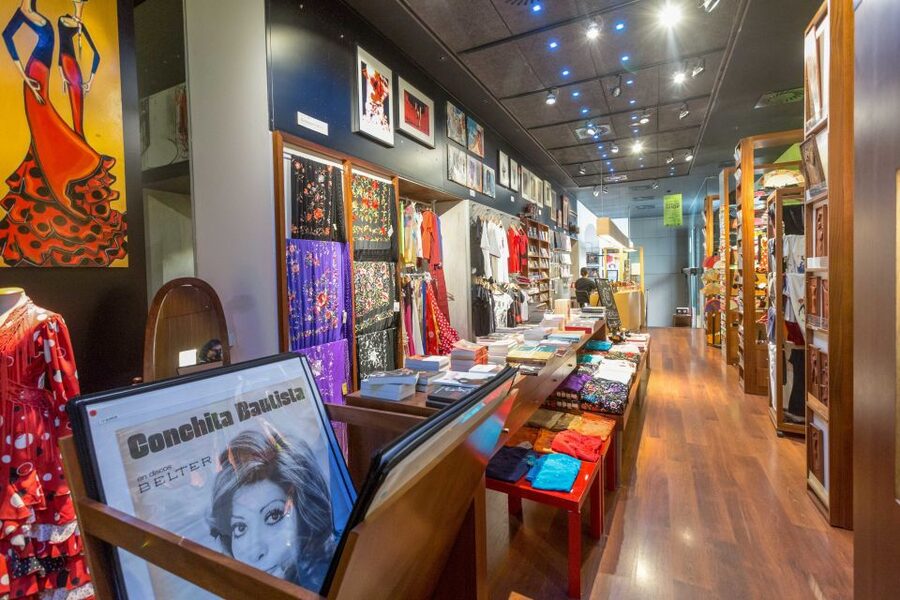
This is the most important choice you need to make. The museum admission does not include the Flamenco Dance Museum show.
If you want to understand costumes, styles, and the development of flamenco, the museum is the right product. At $7 per person, it is inexpensive by Seville sightseeing standards and easy to add to a day in the Old Town. The low price also makes it a reasonable choice for a short cultural stop.
If your main goal is to feel the drama of flamenco, buy or add a performance separately. A show gives you the movement, music, and tension that a museum gallery cannot provide. The museum can prepare you for that experience, but it does not replace it.
I would choose the museum alone for a curious first look, especially if you have a spare hour near the Cathedral. I would choose the museum and show together if flamenco is one of your main reasons for visiting Seville.
A critical point is that the museum may have limited appeal if you already know exactly what you want from flamenco and that goal is live dance. The displays work best for people who enjoy context and visual material, not only spectacle.
How long to allow, and when to visit
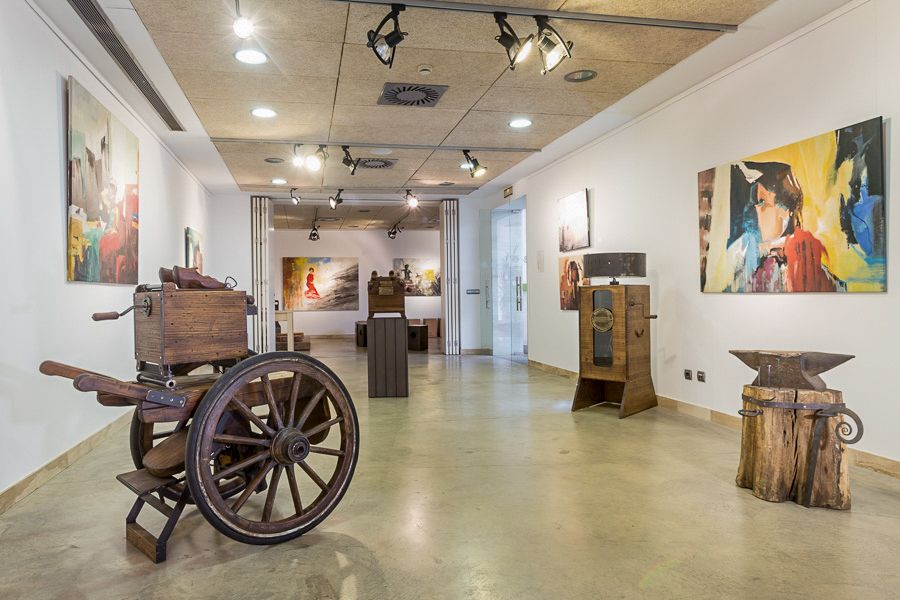
The stated duration is one hour. That is enough for a focused visit, but you can spend longer with the interactive material, particularly in room 3. If you are combining the museum with the Cathedral and Giralda, plan the museum as a flexible stop rather than a tightly timed tour.
Opening access is listed from 11:00 to 18:00, with final entry at 18:00. You can visit at any time within the period allowed by your ticket. On the first Monday of the month, opening begins at 16:00 instead.
This flexible timing is one of the ticket’s practical advantages. You do not need to hurry from another fixed appointment, and you can place the museum around lunch or other Old Town sightseeing. Still, do not leave it until the last possible moment if you want to listen carefully. Last entry at 18:00 does not mean you will have a full evening for the displays.
The museum is wheelchair accessible. Cancellation is allowed up to 24 hours before the visit for a full refund, and the reserve-now, pay-later option can help if your Seville schedule is still changing.
Who will get the most from this visit?
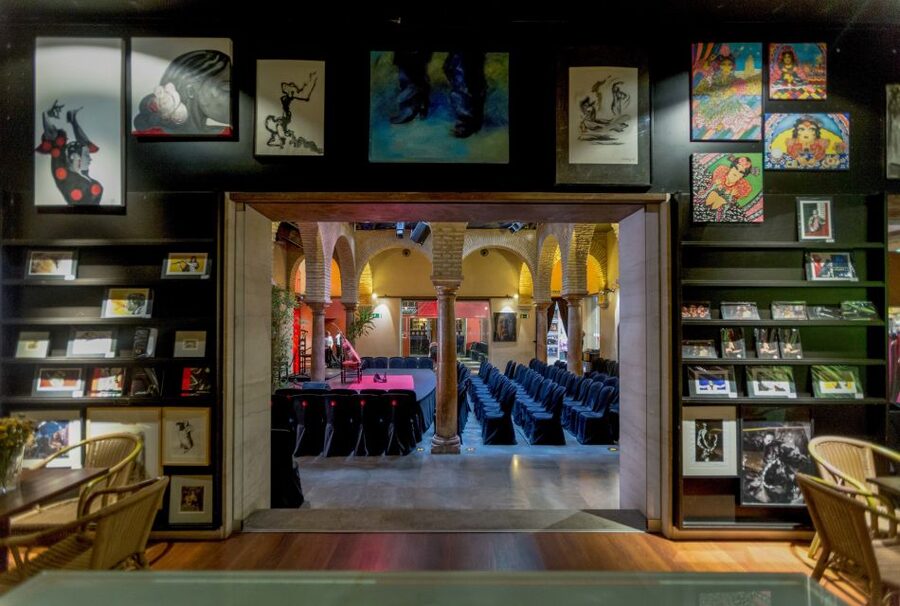
I would recommend the museum to first-time visitors who want a clear introduction to flamenco without committing to a full performance. It also suits people interested in costume, design, music, and Andalusian culture.
Families and mixed-interest groups may find the one-hour format useful because it is short enough to fit between larger sights. The interactive material gives the visit more variety than a purely text-based museum.
It is also a good choice for anyone who has already booked a show and wants some background beforehand. Knowing the names of the styles and seeing how costumes function can help you pay attention during the performance.
I would be more cautious if you are looking for a powerful theatrical event. The museum is not a substitute for a show, and the experience depends heavily on your willingness to stop, listen, and read. One low rating described the museum as less interesting for a general audience and suggested choosing the performance instead. That is fair advice if live flamenco is your priority.
The overall score of 4.4 from 197 ratings suggests that the museum works well for many visitors, but the spread of opinion also tells you something useful: it is a better match for the culturally curious than for someone seeking instant spectacle.
Is $7 a fair price?
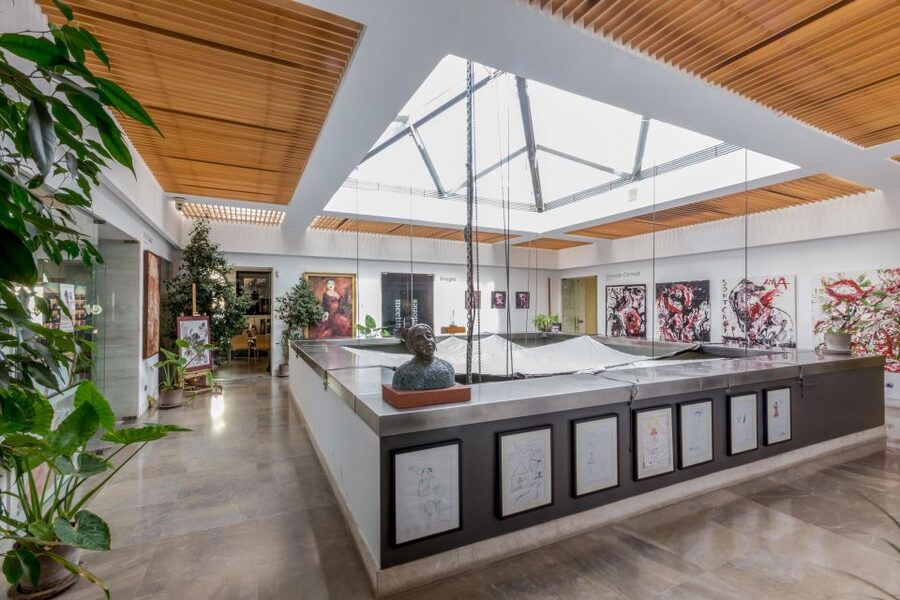
At $7, the museum offers solid value if you treat it as a compact cultural stop. You are paying for access to the exhibits, costumes, props, artwork, and interactive material, not for a guided tour or performance.
The value improves because of the location. A central museum that takes about an hour can be added without transport costs or a major change to your day. You can also linger with the displays if you want more than the basic visit.
The price is less compelling if you expect a live show. Since the performance is not included, check your booking carefully before assuming you have reserved an evening of dance.
For me, the best way to judge the price is to compare it with your aim. At $7, it is a modest fee for background and access to a specialist museum. It is not a bargain if you only want to watch dancers perform.
Should you book the Flamenco Dance Museum?
Book it if you want a short, affordable introduction to flamenco close to Seville’s Cathedral. The costumes, props, artwork, and interactive material explain the tradition in a way that can make a later performance easier to appreciate.
Do not book it as your only flamenco experience if you are hoping for live music and dance. In that case, choose the show, or pair the show with the museum if your schedule and budget allow.
My practical choice would be to visit during the day, allow at least an hour, and spend extra time in room 3. At this price and location, it is a sensible addition to an Old Town day, provided you know you are entering a museum, not a theatre.
FAQ
Where is the Flamenco Dance Museum?
The museum is at the ticket office on Calle Manuel Rojas Marcos, 3, 41004 Seville, Spain. It is about five minutes on foot from Seville Cathedral and the Giralda.
How long does the museum visit take?
The listed duration is one hour. You may stay longer with the listening and interactive displays, particularly in room 3.
What are the museum’s opening hours?
Visits are available from 11:00 to 18:00, with last entry at 18:00. On the first Monday of each month, the museum opens at 16:00.
Is the flamenco show included with museum admission?
No. The Flamenco Dance Museum show is not included in the museum admission ticket.
Who founded the Flamenco Dance Museum?
The museum was founded by Cristina Hoyos, a famous flamenco dancer and choreographer.
Which flamenco styles are presented?
The museum presents Alegría, Soleá, Seguiriya, Taranto, Tangos, and Guajira.
Is the museum wheelchair accessible?
Yes. The activity information states that the museum is wheelchair accessible.
Recently reviewed around Seville
- Seville: Alcázar Fast-Track Access with Guided Tour★ 4.2 · 432 reviews
- Seville: Small Group Jewish Quarter Tour with Tapas & Drinks★ 5.0 · 119 reviews
- Seville: Sunset Roof Top Walking Tour★ 4.5 · 122 reviews
- Seville: VIP Exclusive Early Access Tour of The Alcazar★ 4.8 · 276 reviews
- Seville: Small-Group Jewish Quarter Discovery Walking Tour★ 4.9 · 499 reviews
- Seville: Flamenco Show at Tablao Almoraima in Triana★ 4.6 · 483 reviews
- Seville: Authentic and Romantic Horse-Drawn Carriage Ride★ 4.5 · 341 reviews
- Seville: Stand Up Paddle Board Rental★ 4.6 · 134 reviews
Flamenco Shows, compared.
Live Flamenco Dancing Show Ticket at the Theater
Read our review →
Live Flamenco Show with Food and Drinks Options
Read our review →
Puro Flamenco Show with Optional Museum Ticket
Read our review →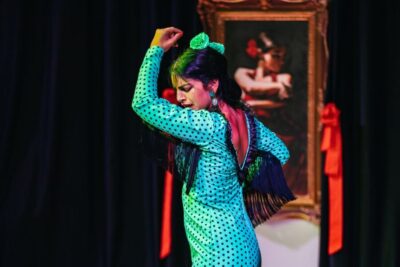
Browse the lists this tour appears in