
Reviewed · MUSEUMS
Jerez de la Frontera: Andalusian Horse Dance and Museums
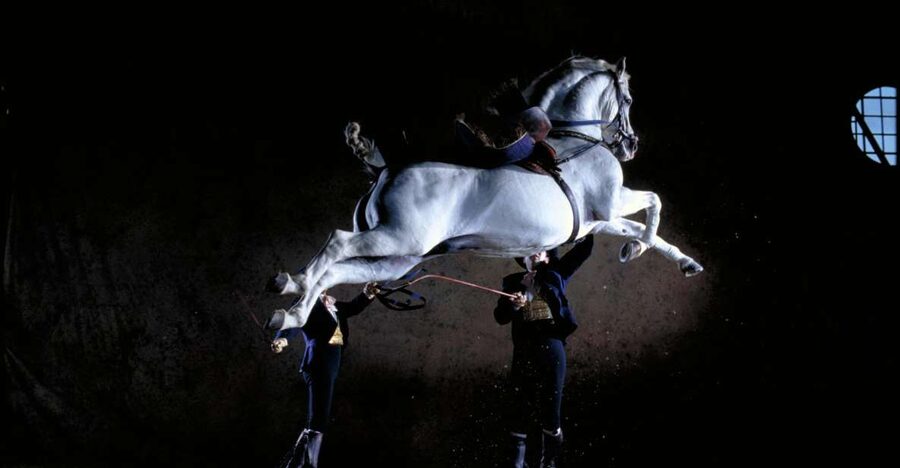
The real star here is the 90-minute Andalusian horse ballet, where horses perform passage, piaffe, pirouettes, Spanish walk, and even airs above the ground to Spanish music. I like that you see far more than a stage show: the palace gardens, training areas, stables, saddlery, and two museums give the horses a proper cultural setting.
I also like the sensible price, $38 per person, for a half-day visit with several separate sights included. You can watch horses being prepared and schooled, then see the polished performance that puts those skills together. The main drawback is timing: seating may be uncomfortable, some areas close on Saturdays and public holidays, and finding the museum entrance can be confusing after the show.
In This Review
- Key points to know before you go
- Why the Andalusian horses are the main event
- A 12:00 show with plenty before and after
- The Art Equestrian Museum explains the tradition
- The saddlery gives the horses a working context
- The Carriage Museum is more than a side attraction
- Watching the horses before the performance
- What the seating and heat are really like
- Getting to the school from Jerez or Seville
- Is $38 a fair price?
- Who should book this experience?
- Should you book the Andalusian Horse Dance and Museums?
- FAQ
- How long does the experience last?
- What time is the horse show?
- What museums are included?
- Can I take photographs or record video?
- What should I bring?
- Is the experience wheelchair accessible?
Key points to know before you go
- The horse ballet lasts 90 minutes: Expect several choreographies, including Pas de Deux, Passage and Piaffe, carriage work, and group riding.
- Arrive early for the full visit: The audio-visual presentation runs until 11:00 AM, while the Art Equestrian Museum opens from 10:00 AM to 2:00 PM.
- The stables and training areas add real value: You might see young riders schooling horses and grooms preparing them before the show.
- The Carriage Museum is a highlight: It displays historic vehicles, harnesses, and equestrian clothing, though photography is not permitted.
- Plan your transport carefully: The school is about a 10-minute taxi ride from Jerez train station, and return trains to Seville can sell out.
- Bring your passport or ID: Pets, cameras, video recording, smoking, glass objects, weapons, and sharp items are not allowed.
Why the Andalusian horses are the main event
The Andalusian horse is bred for balance, presence, and controlled movement. At this performance, those qualities are shaped into something close to ballet, but the show is still rooted in working horsemanship rather than pure theater.
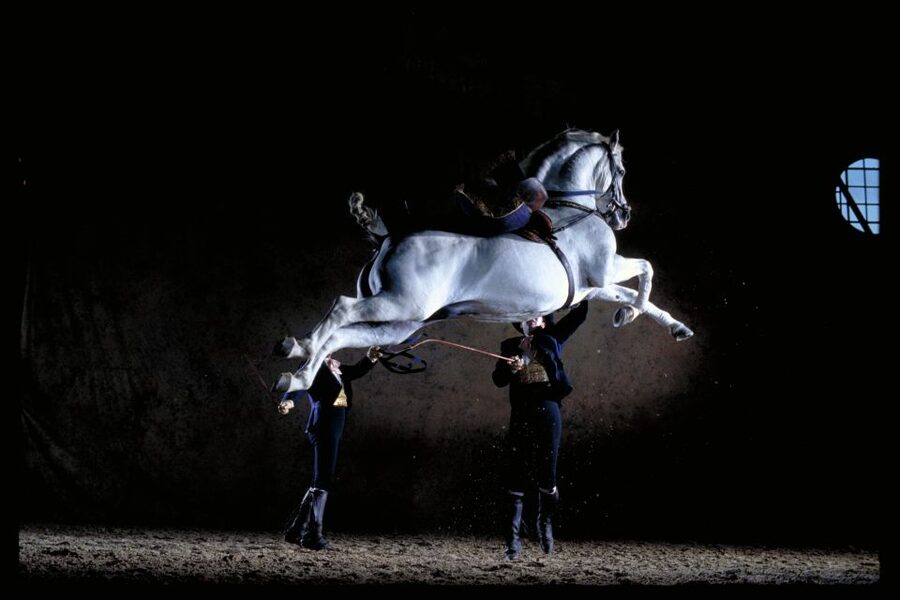
You will see Spanish riders guide the horses through classical dressage movements to music. The horses move in collected steps, lift their legs in the Spanish walk, and perform the piaffe, a controlled trot in place. Some movements look delicate. Others, especially the airs above the ground, show surprising strength and athletic power.
The program changes among six to eight choreographies. Names may include The Colts, Airs on Horseback, Pas de Deux, Passage and Piaffe, Domino on Horseback, Airs Above the Ground, and Fantasy. You should not expect every performance to feel identical, but you can expect a broad sample of the school’s riding traditions.
I find the Pas de Deux especially easy to appreciate because two horse and rider pairs work together in precise timing. The group performances are equally impressive, with several horses moving in formation without losing rhythm or calm.
The program also draws on Doma Vaquera, the traditional Spanish working style associated with handling cattle, along with classical Haute École exercises. That gives the performance a distinctly Andalusian character. It may remind you of the famous Lipizzaner shows in Vienna, but the music, costumes, riding style, and hints of Spanish ranch and bullfighting culture make this show its own thing.
More Cadiz & Jerez trips worth a second look
- Jerez: Yeguada de la Cartuja Carthusian Horses Tour
★ 4.8 · 970 reviews - Andalusian Horses Dance Show
★ 4.5 · 483 reviews - Cadiz: Andalusian Horses and Bulls Country Show
★ 4.6 · 189 reviews
A 12:00 show with plenty before and after
The headline performance runs from noon until 1:30 PM. That fixed schedule shapes the entire visit, so I would treat the show as the center of your morning rather than arriving just before the horses enter the arena.
When you arrive at the Royal Andalusian School, go first to the ticket office to exchange your ticket. The grounds are attractive, and clear signs help at the main entrance. Still, the full site is spread out, so give yourself time to find the reception area and understand where the museums and viewing areas are located.
Before the show, you can visit the digital cinema, which presents the history of equestrian art in Andalusia and the school’s traditions. This is a useful introduction if you do not know much about dressage. The audio-visual presentation is available until 11:00 AM, so it is best handled early.
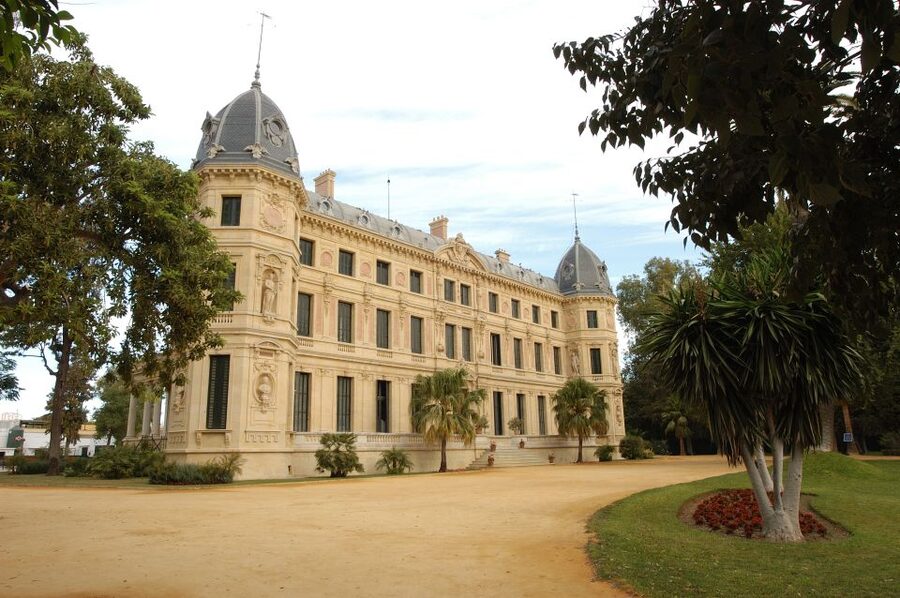
You can then move through the gardens toward the palace. The building is a 19th-century example of Spanish architecture, and the gardens give the visit a welcome pause before the arena. This is not just a quick ticket check followed by a show. You have time to connect the horses with the place, the costumes, the carriages, and the older riding traditions on display.
After the show, you can continue to the Carriage Museum, which is open until 3:00 PM. The available visiting times make it possible to build a full morning and early afternoon around the performance, though you should check the day’s schedule before setting out.
The Art Equestrian Museum explains the tradition
The Art Equestrian Museum is in the palace basement and includes 11 rooms. It traces the origins of equestrian art and explains the horse’s role in Andalusian culture.
I would not rush this section. The museum includes film clips and written information in both English and Spanish, making it useful even if you are not an expert in dressage. The displays help explain why a movement that looks simple from the stands may require years of training.
You will see material connected with saddlery, riding equipment, and the development of formal equestrian performance. The museum works best before the show because it gives you a vocabulary for what follows. Once you know the difference between piaffe, passage, and the Spanish walk, the choreography becomes easier to follow.
The palace and museum are not open on Saturdays and public holidays, according to the schedule provided. That matters because the horse show may still be the reason you come, but part of the larger visit could be unavailable. Check the date carefully if the museums are important to you.
The saddlery gives the horses a working context
The saddlery is where harnesses are made and repaired. This is a small but meaningful part of the visit because it shows that the school’s traditions depend on practical craft as well as performance.
The carriages and riding equipment are not decorative props pulled from storage. They require careful fitting, maintenance, and knowledge. Seeing the saddlery helps you understand the amount of work behind a polished 90-minute display.
The saddlery is closed Saturdays and public holidays. On an open day, I would try to see it before the show if the timing allows. After the performance, you may be focused on the carriage collection and the stables, and it is easy to run out of time.
More Cadiz & Jerez museums and collections:
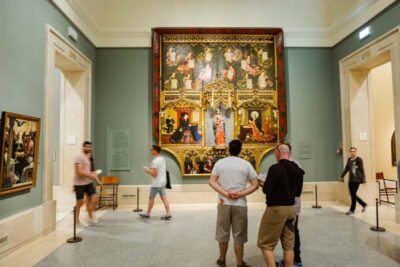
- Madrid: Prado Museum Entry Ticket
★ 4.6 · 17,509 reviews - Barcelona: FC Barcelona Museum “Barça Immersive Tour” Ticket
★ 4.4 · 10,944 reviews - Madrid: Reina Sofía Museum Entrance Ticket
★ 4.5 · 6,889 reviews - Barcelona: Park Güell and Gaudí House Museum Entry Ticket
★ 4.5 · 6,326 reviews
The Carriage Museum is more than a side attraction
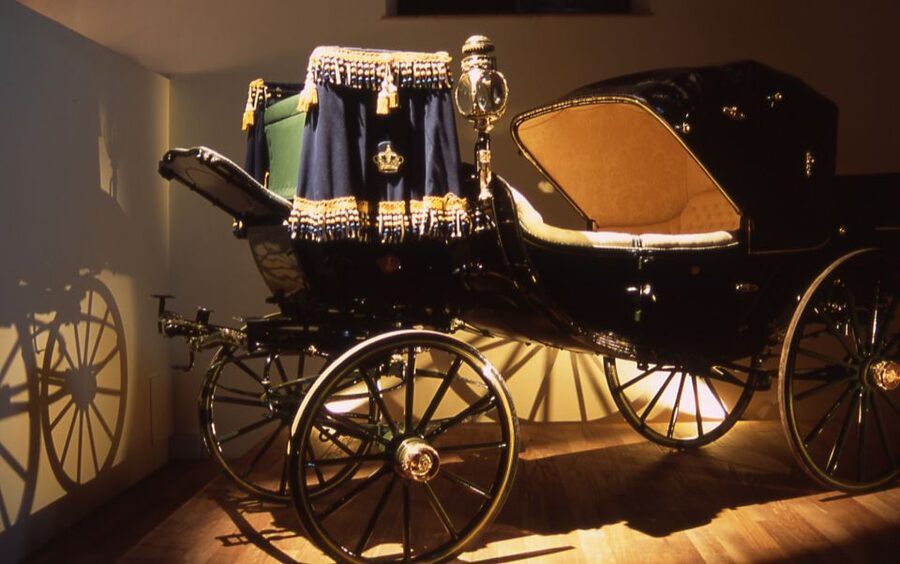
The Carriage Museum marks the final part of the visit and contains vehicles once used for transportation. Today, similar carriages are used for sport and exhibitions, but the collection shows how central horse-drawn travel once was.
You will see different carriages, classical harnesses, and equestrian costumes. The collection makes a useful contrast with the horse ballet. In the arena, the horses appear as trained performers. In the carriage museum, you see the equipment and social world that surrounded them.
The vehicles are treasures, and I understand why you may want photographs. Cameras and video recording are not allowed on the premises, so do not plan to document the displays. That rule can feel restrictive, but it also keeps the museum quiet and lets you look without people holding phones in front of the cases.
Watching the horses before the performance
One of the best extras is the chance to see horses in the training areas and stables before the show. You might watch young equestrians school their horses, see grooms grooming and preparing them, or observe the animals warming up.
This quieter part of the visit gives you a better sense of the relationship between horse and rider. The performance is highly polished, but the preparation shows the patience behind it. The pride taken in grooming and handling is easy to notice.
Access to the stables and training areas can depend on the day and the route being used. Follow the signs and ask staff if you are unsure. One practical problem is that the museum area can be difficult to locate after leaving the main venue. You may need to walk along the main street and ask at different entrances, so do not assume every building is connected from inside.
If you are especially interested in horses, you may find the training area as rewarding as the formal show. Families can also do well here because the animals are close enough to hold a child’s attention before the seated performance begins.
What the seating and heat are really like
The arena offers good sightlines, and the venue is described as clean and well organized. Some seating has good legroom and enough space to let people reach their seats without everyone standing.
That said, comfort is not guaranteed. One account specifically found the seating extremely uncomfortable. If you have back problems or are sensitive to hard seats, the 90-minute duration matters. Bring only what is permitted, and remember that cushions or other items may be subject to venue rules.
Jerez can be very hot. A performance day in September reached 37 degrees Celsius, and even the riders needed drinks afterward. If you visit during warm weather, drink water, use the shaded areas where available, and avoid making a tight onward travel plan immediately after the show.
The site has a snack bar with reasonably priced drinks and snacks. It is useful after the performance, though the coffee shop selection is limited. The souvenir shop is attractive but may close earlier than expected, so do not leave your shopping until the final minutes.
Getting to the school from Jerez or Seville
The Royal Andalusian School is an easy taxi ride from Jerez train station, about 10 minutes according to the available directions. You can also walk from central Jerez if your accommodation is nearby. One visitor made the walk back to the station in about 25 minutes.
If you are coming from Seville, the train makes this a practical day trip, but buy your return ticket in advance. Afternoon trains can sell out, leaving you with a long wait at the station. This is one of the few logistical issues that could turn a smooth day into a tiring one.
A taxi from Cádiz port takes about 30 minutes, making the experience workable during a cruise stop. Allow enough time for the return trip, especially if your ship has a firm departure time.
Parking around the school can be difficult. Surrounding streets may have fines, so driving requires more care than simply following a navigation app to the front entrance.
At the ticket office, exchange your ticket on arrival. Bring your passport or ID card. The venue is wheelchair accessible, but the site includes several museums, gardens, and separate areas, so you may want to confirm the most convenient route with staff when you arrive.
Is $38 a fair price?
At $38 per person, I consider this strong value if you plan to use the included museums and arrive early enough for the full program.
The show alone is the main reason to come, but the price also covers the digital presentation, palace access, Art Equestrian Museum, saddlery, and Carriage Museum. You are paying for a cultural visit of about 3.5 hours rather than a short animal performance.
The value is especially good for horse lovers, people interested in Spanish traditions, and families who want one organized attraction rather than several separate stops. If you only care about seeing the horses and have no interest in museums, the price may feel less compelling, but the show remains the centerpiece.
Free cancellation up to 24 hours before the activity and the option to reserve now and pay later make planning easier. Still, the date matters more than usual because the palace and saddlery close on Saturdays and public holidays.
Who should book this experience?
I would book it if you have any real interest in horses, dressage, Spanish culture, or historic transport. You do not need technical knowledge to enjoy the spectacle, but learning a few terms beforehand makes the show more rewarding.
It also suits families. Young children may not follow every detail in the museums, but the horses, music, costumes, and carriage work provide plenty to watch. A three-year-old has been captivated by the performance, and older children can enjoy seeing the animals being trained before the show.
This may be less suitable if you dislike fixed schedules, hard seating, hot weather, or attractions where photography is restricted. It is also not ideal for a rushed rail itinerary unless your return tickets are already secured.
Should you book the Andalusian Horse Dance and Museums?
Yes, if you want a distinctly Spanish equestrian experience rather than a generic riding show. The horse and rider partnership is the heart of it, but the palace, museums, saddlery, gardens, and carriages give the performance much more meaning.
Arrive early, see the cinema and museums before noon, watch for the training areas, and leave time for the Carriage Museum after the show. Book return rail tickets ahead, do not bring a camera, and keep your afternoon flexible enough for the site to be enjoyed without rushing.
FAQ
How long does the experience last?
The stated duration is 3.5 hours. The main horse show runs from 12:00 PM to 1:30 PM, with the museums, audio-visual presentation, palace, gardens, and other areas visited around it.
What time is the horse show?
The show takes place from 12:00 PM to 1:30 PM. Check the available date and start time when booking because schedules can vary.
What museums are included?
The visit includes the Art Equestrian Museum and the Carriage Museum. It also includes access to the palace, saddlery, and a digital audio-visual presentation, subject to opening times and closures.
Can I take photographs or record video?
No. Cameras and video recording are listed among the prohibited items. Smoking, pets, glass objects, weapons, and sharp objects are also not allowed.
What should I bring?
Bring your passport or ID card. Do not bring a camera, recording equipment, pets, glass objects, weapons, or sharp items.
Is the experience wheelchair accessible?
Yes, the activity is listed as wheelchair accessible. Ask staff at the ticket office for practical guidance on moving between the various areas of the site.
Recently reviewed around Cadiz & Jerez
- Cadiz Food Tour: Tapas, Drinks and Delights with a Local★ 5.0 · 174 reviews
- Walking Tour through Cádiz: Stories from the hand of a local guide★ 5.0 · 532 reviews
- City Sightseeing Cadiz Hop-On Hop-Off Bus Tour★ 3.5 · 163 reviews
- Cadiz Small Group Bike Tour★ 4.5 · 215 reviews
- Cadiz Shore Excursion: City Sightseeing Cadiz Hop-On Hop-Off Bus Tour★ 4.0 · 124 reviews
- Andalusian Horses Dance Show★ 4.5 · 483 reviews
- Jerez: Traditional Tapas Tour★ 4.6 · 138 reviews
- Sancti Petri: Sunset Catamaran Cruise★ 4.5 · 277 reviews
Museums, compared.
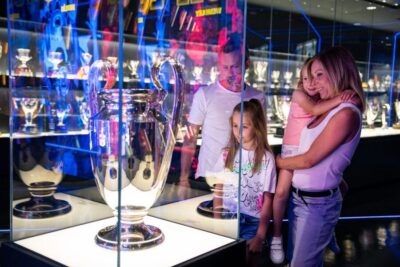
FC Barcelona Museum “Barça Immersive Tour” Ticket
Read our review →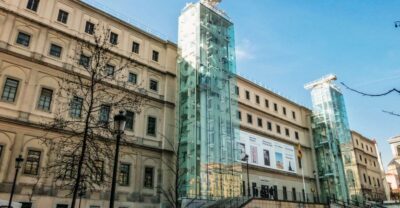
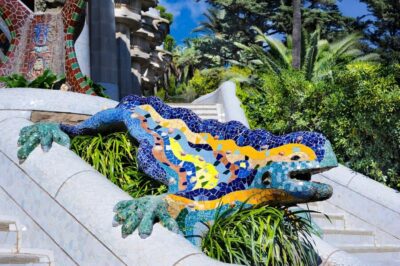
Park Güell and Gaudí House Museum Entry Ticket
Read our review →
Puro Flamenco Show with Optional Museum Ticket
Read our review →
Girona & Dali Museum Small Group Tour with Pick-up from Barcelona
Read our review →
Oceanogràfic, Hemisfèric & Science Museum Combo
Read our review →Browse the lists this tour appears in