
Reviewed · HISTORICAL TOURS
Albayzín y Sacromonte, Unesco Heritage Neighborhoods
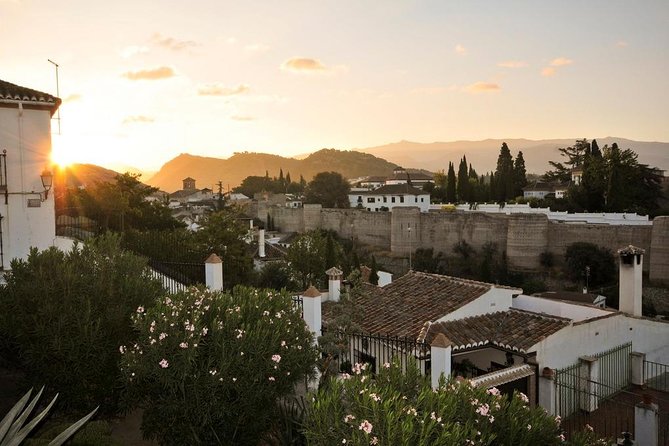
Granada’s best views often come after a climb, and this walk takes you through two of the city’s most atmospheric quarters to reach them. The Albayzín rises in a maze of lanes above the old city, while Sacromonte follows the dry hillside toward cave homes and broad views of the Alhambra and Sierra Nevada.
I like two things here. First, a guide keeps you from wasting time on wrong turns in the Albayzín, where narrow streets and stairways can quickly scramble your sense of direction. Second, the walk connects Muslim Granada, Christian Granada, and Sacromonte’s Roma and flamenco traditions in one outing. The main trade-off is the terrain: expect hills, cobblestones, and stairs, especially in the Albayzín.
In This Review
- What makes this Granada walk worth your time
- Two old quarters, one revealing walk
- Entering the Albayzín through Muslim Granada
- Cármenes, churches, and Granada’s hillside houses
- San Nicolás and the view across to the Alhambra
- Sacromonte and its cave homes
- Why the historical connection matters
- The guide and group size
- Price, timing, and practical value
- Who should book this Albayzín and Sacromonte tour?
- The final call
- FAQ
- How much does the Albayzín and Sacromonte tour cost?
- How long does the tour last?
- What time does the tour begin?
- Where does the tour meet?
- Where does the tour finish?
- Is the tour offered in English?
- What is included in the price?
- Are monument tickets included?
- Are food and drinks included?
- How large is the group?
- Is the route physically demanding?
- Can I cancel for a full refund?
What makes this Granada walk worth your time
- The Albayzín’s maze of lanes: Explore an old Muslim quarter with cisterns, mosque remains, churches, mansions, and Granada’s distinctive garden houses.
- San Nicolás and San Cristóbal viewpoints: Pause for wide views of the Alhambra, Granada, and the Sierra Nevada.
- Sacromonte’s cave quarter: Learn how homes were formed around ravines and how the area became tied to Roma culture and flamenco.
- A manageable small group: The tour accepts no more than 15 people, which should make it easier to hear the guide and ask questions.
- A sunset-friendly start: The 5:00 pm departure gives the walk an appealing late-day setting, depending on the season.
- Good value for a walking overview: At $21.78 per person, the price covers an official tourism guide and about two and a half hours of orientation.
Two old quarters, one revealing walk
This is not a monument-entry tour. You will not go inside the Alhambra, and tickets for monuments are not included. Instead, the focus is on streets, viewpoints, architecture, and the way Granada’s communities occupied the hills above the city.
That distinction matters. If you want a detailed visit inside a palace or church, you need a separate ticket and more time. If you want to understand how Granada fits together before exploring on your own, this walk gives you a useful frame.
The route begins at Plaza de Santa Ana at 5:00 pm and finishes in the Albayzín. The stated duration is about two hours and 30 minutes, though the general timing is given as two to three hours. Food and drinks are not included, so plan to eat before or after the walk.
The tour is offered in English. The official guide is part of the price, and past guide names include Ana, Jaime, Juana, and Alexandra. Your assigned guide may be different, but those names give you an idea of the kind of personal, history-focused tour leadership reported for this experience.
More history-led days around Granada:
- Segway Your Way Through Granada’s History: The Ultimate Ride
★ 5.0 · 334 reviews - Granada: Historic Center and Lower Albaicin Walking Tour
★ 4.7 · 136 reviews - Granada: 3-hour Historical Tour by Segway
★ 5.0 · 104 reviews
Entering the Albayzín through Muslim Granada
The Albayzín is one of Granada’s oldest urban quarters. Along with the Alhambra, Realejo, and the former Arrabal de Bib-Arrambla, it formed part of the historic Muslim city. At its height, the neighborhood held about 40,000 people and roughly 30 mosques.
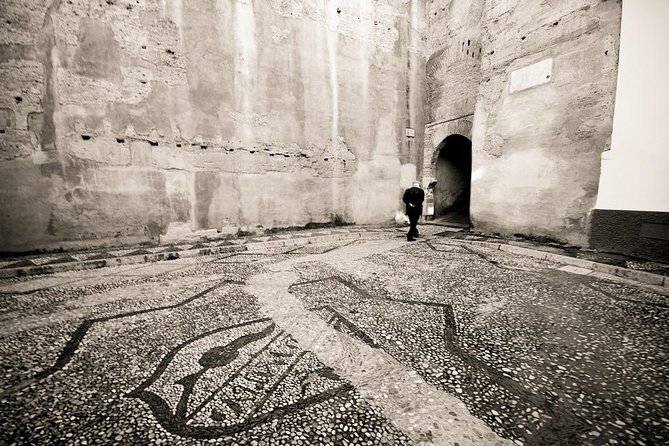
You will not see that medieval quarter intact. Granada changed under Christian rule, and many Islamic buildings were replaced or adapted. Yet pieces remain in the street plan and in details such as cisterns, mosque traces, minaret forms, and walls.
The most valuable part of a guided walk is learning to read those clues. A winding lane may seem merely picturesque until you understand that its twists helped shape a defensive hillside settlement. A quiet square may look like a pleasant place to rest, but its scale and enclosure tell you something about how daily life once worked.
The Albayzín is also a living neighborhood. Its lanes are not arranged as a museum display. You may pass churches, private homes, old mansions, and ordinary residential streets in a short stretch. That mix gives the walk more character than a simple parade of monuments.
Cármenes, churches, and Granada’s hillside houses
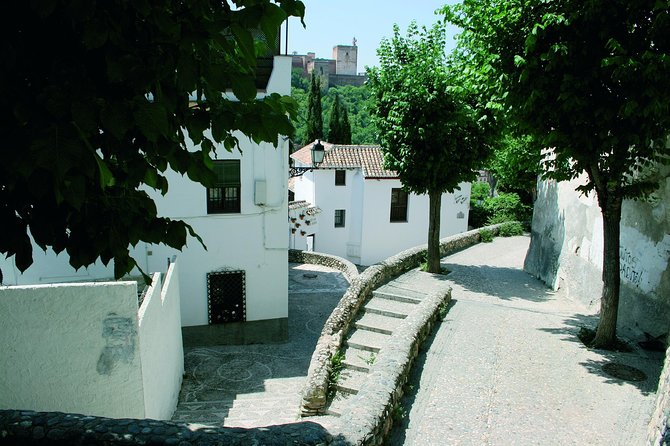
One of the Albayzín’s most distinctive features is the carmen. In Granada, a carmen is a house with a garden, often hidden behind a wall or gate. These homes reflect the quarter’s blend of urban privacy, hillside space, and garden culture.
You might also notice Mudejar towers and buildings with layers from different periods. The tour’s subject is not just the Muslim past. It is the long transition between Muslim and Christian Granada, and the way both traditions remain visible in the buildings and street pattern.
This is where a guide can add real value. Without help, you might photograph an attractive doorway and move on. With context, you can begin to separate a former religious site from a private mansion, or understand why a church occupies a site connected to an earlier mosque.
The route is also physically uneven. The Albayzín’s charm comes partly from its slopes, but those slopes are not a minor detail. You will walk up and down hills, use cobblestone lanes, and encounter stairs. One useful description of the outing is that the pace is reasonable and the effort is not extreme, but it is still a walking tour rather than a flat city stroll.
Wear shoes you trust on uneven ground. I would also avoid carrying more than you need, since a lighter bag makes the climbs and stairs easier.
San Nicolás and the view across to the Alhambra
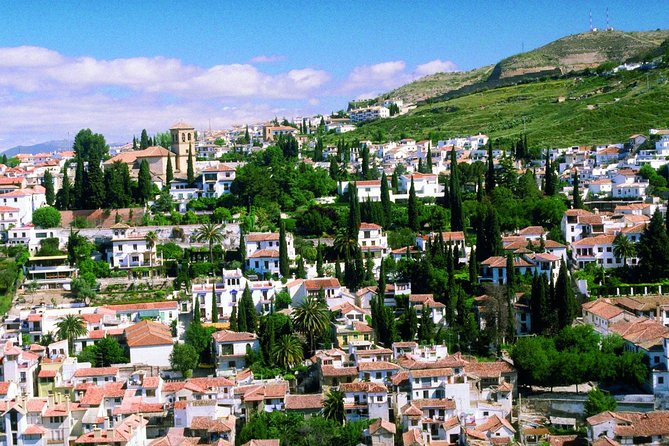
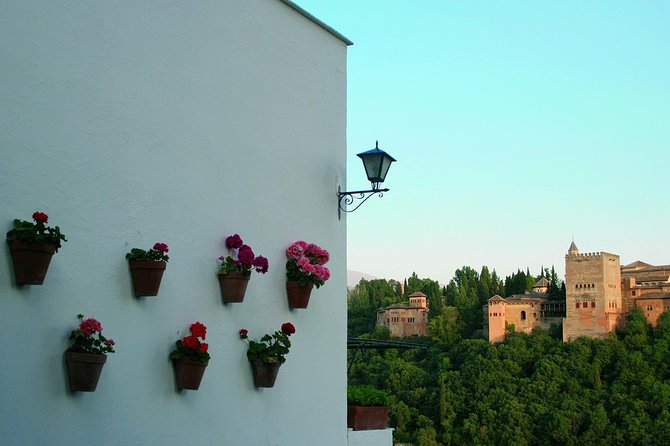
The Albayzín’s viewpoints are among the main rewards of the route. San Nicolás and San Cristóbal offer views toward Granada and the Alhambra, with the Sierra Nevada providing a dramatic mountain backdrop when conditions are clear.
The view from this side of the valley has a special advantage. You see the Alhambra from across the Darro, with its towers set against the hills rather than encountered room by room. That wider view helps you understand the Alhambra’s position and scale.
Bring your camera, but do not let the photo stop take over the walk. One past group had difficulty because a person with a selfie stick stood in front of others. That is a small but useful reminder: viewpoints are shared spaces, and you may need to step aside or wait your turn for a clear picture.
The 5:00 pm departure is well suited to late afternoon light. The exact sunset experience will depend on the time of year, since sunset varies greatly in Granada. Still, the schedule gives you a good chance of seeing the neighborhoods in softer light rather than under the harshest midday sun.
A different way to spend the day, same corner of Spain:
- Granada: Alhambra & Nasrid Palaces Tour with Tickets
★ 4.7 · 19,801 reviews - Granada: Alhambra and Nasrid Palaces Entry Ticket
★ 4.6 · 15,130 reviews - Granada: Alhambra & Generalife Fast-Track Guided Tour
★ 4.7 · 8,313 reviews - Granada: Alhambra & Gardens Tour w/Nasrid Palaces Option
★ 4.5 · 6,437 reviews
Sacromonte and its cave homes
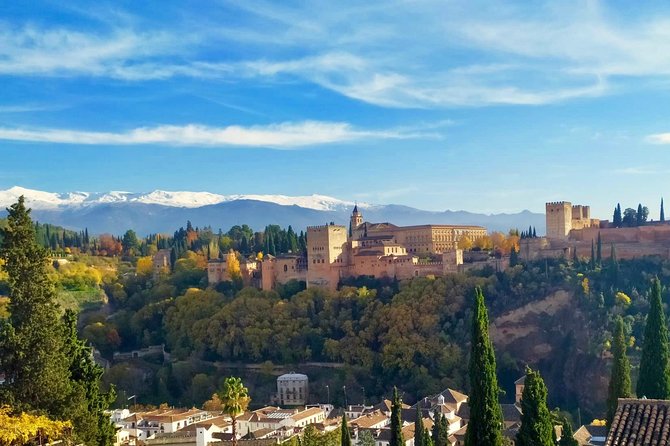
From the Albayzín, the experience continues toward Sacromonte, a hillside quarter traditionally associated with Granada’s Roma community. The area is marked by a dry, reddish slope, prickly pears, and pitas, with the Darro running through the Valparaíso Valley below.
Sacromonte’s cave homes are grouped around ravines. The ravines form natural corridors, and the cave entrances create a distinct pattern of streets and dwellings. Inside, a typical cave arrangement placed the kitchen near the entrance, beside the dining area, with one or two bedrooms farther in, depending on the space available.
These are not simply unusual houses for photographs. They reflect practical use of the hillside and the materials at hand. The caves have also been linked for generations with Roma families, bohemians, and flamenco artists.
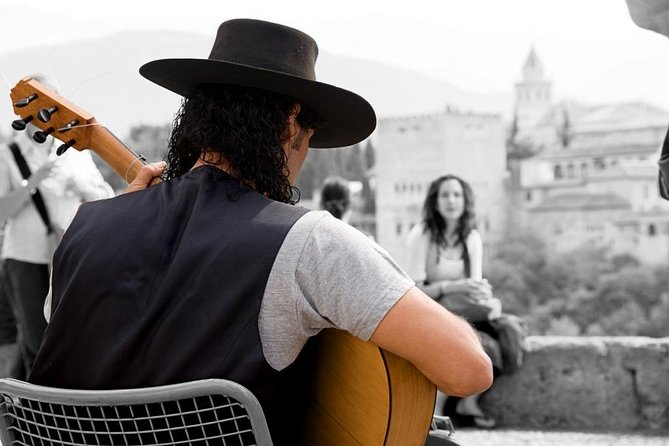
The tour explains the cultural setting without requiring you to attend a flamenco show. Sacromonte is known for its zambras, performances connected with flamenco traditions and the cave quarter. If you want a full evening performance, that would be a separate activity, since food, drinks, and show tickets are not part of this walk.
The stop lasts about 45 minutes, so expect an introduction rather than a long, detailed visit to every cave. The value comes from seeing the area in its setting and understanding why Sacromonte developed differently from the streets below.
Why the historical connection matters
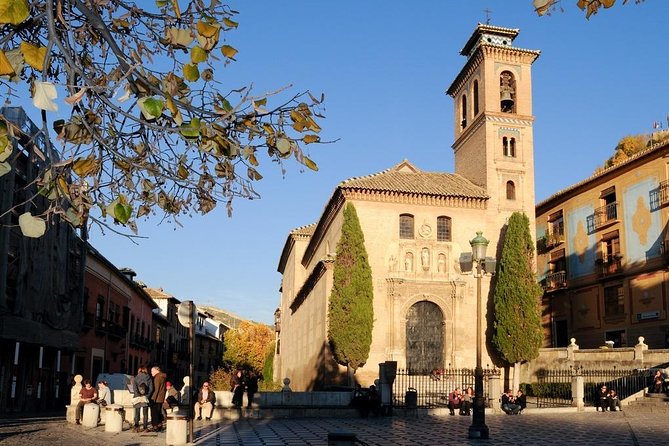
The two neighborhoods make sense together. The Albayzín shows the form and remains of Muslim Granada, while Sacromonte adds another layer of community, migration, housing, and performance culture.
The historical connection between Muslims and Christians is one of the strongest themes available on this walk. Granada was not built in one period and then frozen. Its streets and buildings show change over time, often in ways that are easy to miss when you explore alone.
I especially like this kind of tour early in a Granada visit. You gain a mental map of the hills, the river valley, the Alhambra’s position, and the relationship between the old quarters. Later, when you return on your own, the streets should feel less confusing and the buildings easier to place.
There is also a practical benefit. The Albayzín is famous for getting people turned around. A guide handles the route while you pay attention to the views and explanations. You can always return later for a slower wander once you know the basic layout.
The guide and group size
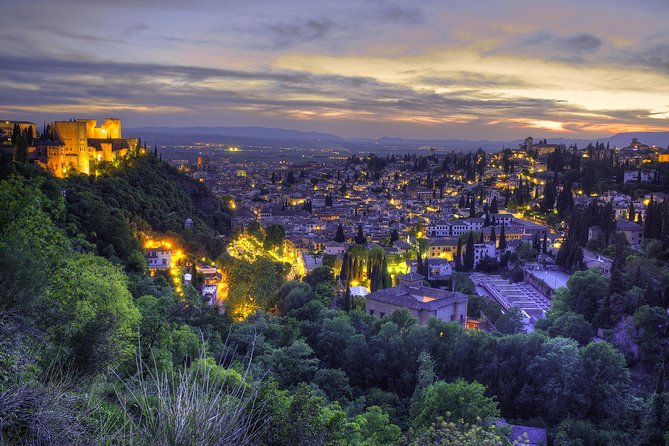
The maximum group size is 15 people. That is not a private tour, but it is small enough to feel more controlled than a large crowd moving through narrow lanes.
A good guide matters here because the setting can distract you. Ana has been praised for leading the walk, while Jaime was described as especially effective at explaining the connection between Muslim and Christian residents. Juana was noted for keeping a reasonable pace through the inclines and stairs, and Alexandra received praise for a polished tour.
Those individual experiences cannot guarantee who will lead your visit. Still, the outing depends heavily on clear explanations, sensible pauses, and keeping the group together on winding streets. The guide also needs to balance history with practical movement, since stopping too often on a narrow lane can block other people.
The strongest version of this tour will give you time for photographs without allowing every stop to become a long photo session. You should expect a group walk, not a private itinerary shaped around your own camera or schedule.
Price, timing, and practical value
At $21.78 per person, this is a modest price for an official guide and about two and a half hours of walking orientation. The value is best if you want context and navigation help, not if you mainly want admission to an attraction.
The price does not include monument tickets, food, or drinks. That keeps the cost low, but you should budget separately if you want to visit paid sites or add a meal and flamenco performance later.
The tour is booked, on average, 33 days ahead. That suggests you should reserve early if the date and 5:00 pm start fit your plans. Confirmation is provided at booking, and the meeting point is near public transportation at Plaza de Santa Ana.
Most people can take part, but the hills and stairs deserve honest attention. If you have trouble walking uphill or on uneven cobblestones, ask yourself if two to three hours of this terrain sounds comfortable. The walk is described as moderate in pace, not flat or effortless.
Free cancellation is available up to 24 hours before the start time for a full refund. Changes or cancellations made less than 24 hours before the local start time are not accepted for a refund.
Who should book this Albayzín and Sacromonte tour?
I would choose this outing if you are visiting Granada for the first time and want a clear introduction to the old hillside quarters. It suits anyone who likes urban history, architecture, viewpoints, and local cultural traditions more than a tightly packed list of indoor attractions.
It also works well for photographers, provided you are comfortable sharing viewpoints and walking with a group. The Alhambra views, white Albayzín houses, mountain backdrop, cave entrances, and narrow streets provide plenty of subjects.
Families and older participants may find the pace manageable, but the route remains hilly. Anyone seeking a fully accessible route should not assume this walk will meet that need, since the description specifically includes inclines, stairs, and cobblestones.
I would not make it your only Granada activity. Pair it with a separate Alhambra visit if that is a priority, since this tour does not include monument admission. And if your main goal is a long Sacromonte flamenco night, book that separately rather than expecting this sightseeing walk to provide it.
The final call
Book this tour if you want the Albayzín and Sacromonte to make sense, rather than simply looking attractive in photographs. For $21.78, the guide, small group, route-finding help, and two-and-a-half-hour overview offer solid value.
Skip it if hills, stairs, or a group walking format will make the outing uncomfortable. Also skip it if you need interior monument visits included. For most first-time Granada visitors who can handle the terrain, this is a smart way to see the city from above and understand the people and traditions behind its oldest quarters.
FAQ
How much does the Albayzín and Sacromonte tour cost?
The price is $21.78 per person.
How long does the tour last?
The visit lasts about two hours and 30 minutes. The general duration is listed as approximately two to three hours.
What time does the tour begin?
The tour starts at 5:00 pm.
Where does the tour meet?
The meeting point is Plaza de Santa Ana, Pl. de Sta. Ana, Granada, Spain.
Where does the tour finish?
The walk ends in the Albaicín neighborhood.
Is the tour offered in English?
Yes. The experience is offered in English.
What is included in the price?
The price includes an official tourism guide and a visit lasting about two and a half hours.
Are monument tickets included?
No. Monument tickets are not included.
Are food and drinks included?
No. Food and drinks are not included.
How large is the group?
The tour has a maximum of 15 people.
Is the route physically demanding?
The walk includes hills, stairs, and cobblestone streets. The pace is described as reasonable, and the walk is not considered extremely intense, but you should be comfortable walking uphill and downhill.
Can I cancel for a full refund?
Yes. You can cancel at least 24 hours before the experience start time for a full refund. Cancellations or changes made less than 24 hours before the local start time are not accepted for a refund.
Recently reviewed around Granada
- Granada: Alhambra Guided Tour including Nasrid Palaces★ 5.0 · 351 reviews
- Alhambra with Nazaries Palaces Private Tour★ 5.0 · 605 reviews
- Granada: 3-hour Historical Tour by Segway★ 5.0 · 104 reviews
- Private Tour to The Alhambra with Nasrid Palaces in Granada★ 5.0 · 192 reviews
- Flamenco Show Ticket at tablao Jardines de Zoraya Granada★ 4.5 · 162 reviews
- Flamenco show at Cueva Los Amayas, in Sacromonte★ 4.5 · 140 reviews
- Flamenco Show in a Cave Restaurant in Granada★ 4.5 · 659 reviews
- Zooming Through Granada: A Fun-Filled Electric Bike Tour★ 4.5 · 201 reviews
Historical Tours, compared.
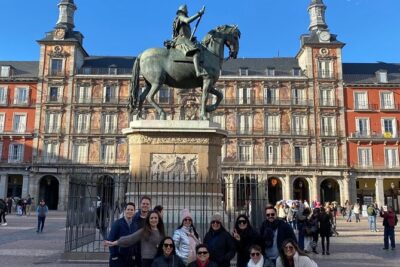
Madrid Essential: Historic Center, Plaza Mayor & Royal Palace
Read our review →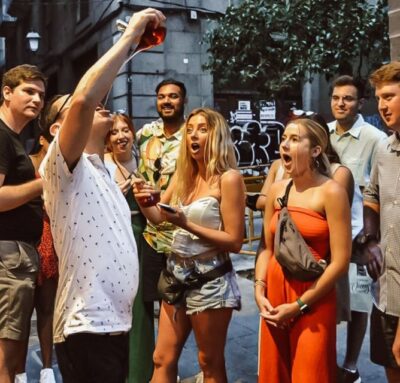
Tapas Walking Tour with Food, Wine, and History
Read our review →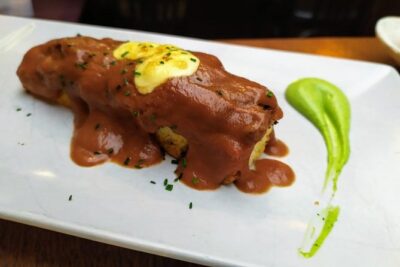
Sevilla Food Tour: Tapas, Wine, History & Traditions
Read our review →
Valencia Old Town Tour with Wine & Tapas in 11th Century Historic Monument
Read our review →
Barcelona Tapas Walking Tour: Food, Wine & History
Read our review →
Ultimate Seville Tapas, Wine & History Small Group Tour
Read our review →
Skip-the-Line Great Mosque-Cathedral History Tour
Read our review →
Browse the lists this tour appears in