
Reviewed · HISTORICAL TOURS
Granada: Historic Center and Lower Albaicin Walking Tour
Granada’s story comes alive when you walk from the Catholic Monarchs monument through the old center and into the lower Albaicin. In 2.5 hours, you connect the city’s Islamic past, the 1492 Reconquista, grand Christian buildings, and a viewpoint facing the Alhambra.
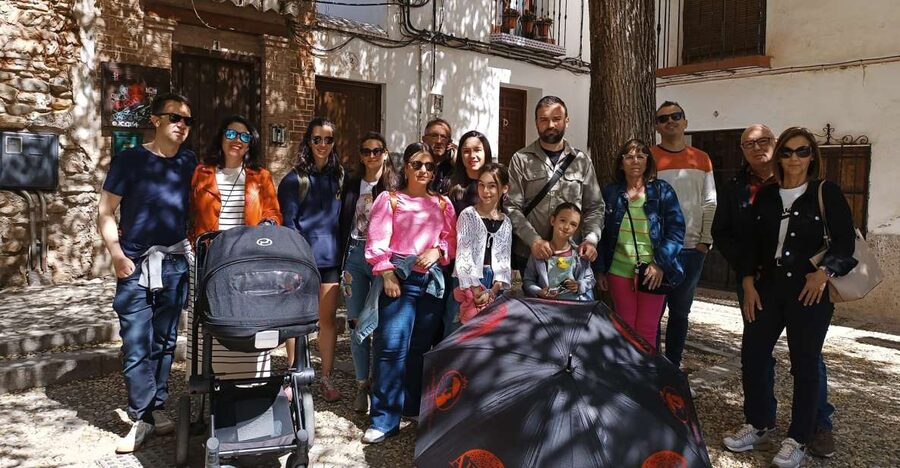
I like the mix of major sights and small streets. You see the Cathedral, Madraza, Alcaiceria, and Corral del Carbón, then turn into the Albaicin’s narrow lanes for a more intimate sense of Moorish Granada. I also like the guide-led storytelling, with guides such as Pablo, Jaime, Irene, and Rocio praised for making history clear, lively, and easy to follow.
The main consideration is the walking itself. The lower Albaicin includes an uphill section, narrow streets, and old cobblestones, so this is not a good match for people with mobility impairments. If stairs, slopes, or uneven paving are hard for you, ask before booking.
In This Review
- Key points to know before you book
- A smart first look at Granada’s old city
- Meeting the guide beside the Catholic Monarchs
- Corral del Carbón and Granada’s commercial past
- Alcaiceria, Bib Rambla, and the center’s public spaces
- The Madraza beside Granada’s Christian monuments
- Lower Albaicin lanes and a closer feel for Moorish Granada
- The Alhambra viewpoint that completes the route
- What the guides add to the experience
- Value at $16 per person
- Who should book this Granada walk?
- Should you book the Historic Center and Lower Albaicin Tour?
- FAQ
- How long is the Granada Historic Center and Lower Albaicin Walking Tour?
- How much does the tour cost?
- Where do I meet the guide?
- What languages are available?
- Does the tour include entry to the Alhambra?
- Is the walk suitable for people with mobility impairments?
Key points to know before you book
- See Granada’s main historic center in one focused walk: The route links the Corral del Carbón, Alcaiceria, Bib Rambla, Madraza, Cathedral, and other major buildings.
- Learn how Islamic Granada became Christian Granada: The guide explains the city’s Moorish heritage and the events surrounding 1492.
- Walk through the lower Albaicin: This section brings narrow lanes, old architecture, and a strong sense of the neighborhood’s past.
- Photograph the Alhambra from a lower Albaicin viewpoint: You get a memorable view without taking an Alhambra tour.
- Use it early in your stay: The route helps you get your bearings and gives you ideas for places to revisit on your own.
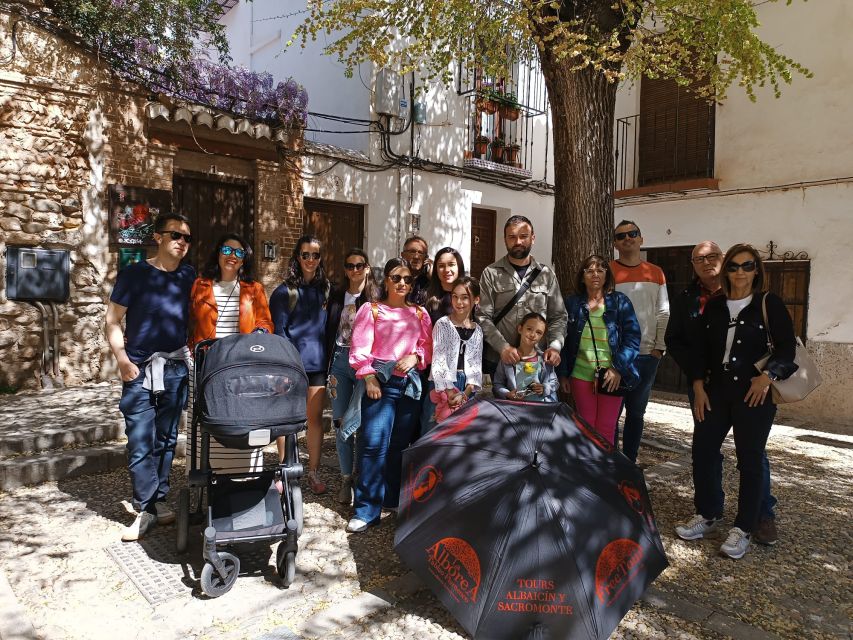
- Expect strong guide involvement: Pablo, Jaime, Irene, Anna, Emilio, and others have been praised for answering questions and sharing practical suggestions.
A smart first look at Granada’s old city
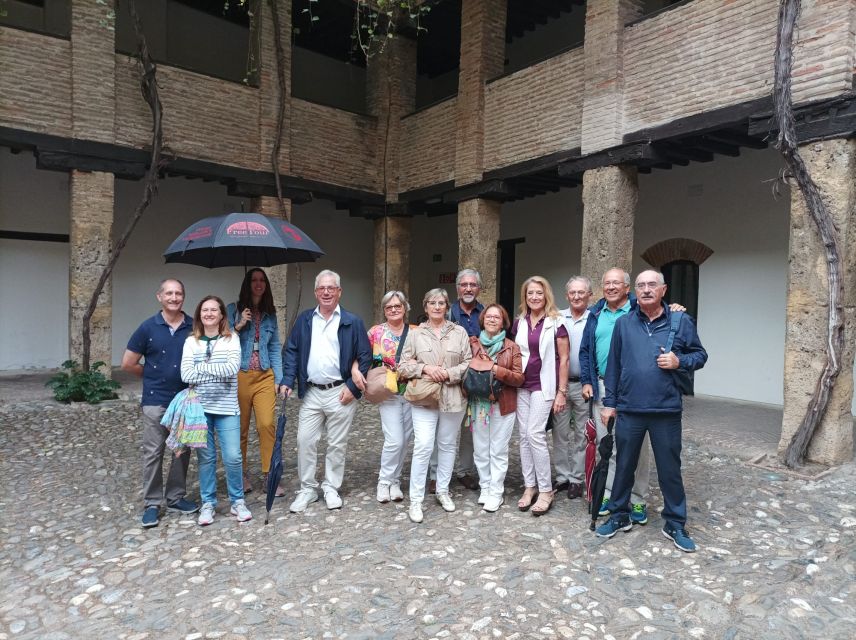
At $16 per person, this is a low-cost way to put Granada’s center into context. You are not paying for entry to the Alhambra or a long list of interior visits. You are paying for a local guide who connects the streets, buildings, religions, and political changes that can otherwise feel scattered.
That distinction matters in Granada. The Cathedral sits close to buildings shaped by the Islamic city, while the Albaicin still preserves the feel of an older Muslim quarter. Without explanation, you may see attractive façades and narrow lanes. With a good guide, you understand why the city looks the way it does.
The tour lasts about 2.5 hours, long enough to cover a useful stretch of the city without taking up your entire day. I would schedule it near the start of your Granada stay. You can then return to the buildings that caught your attention, choose restaurants with better context, and plan other visits with a clearer map in your head.
The overall rating is 4.7 from 136 reviews, and the repeated praise focuses on the guides’ history knowledge, friendliness, patience, and ability to keep the group involved. A few people found an accent difficult to follow at times, although they still described the tour as worthwhile. If spoken English is important to you, choose the language you follow most comfortably.
More Walking Tours in Granada
- Granada: Albaicín and Sacromonte Guided Sunset Walking Tour
★ 4.9 · 2,962 reviews - Guided Walking Tour of the Alhambra in Granada
★ 4.0 · 863 reviews - Granada: Albaicín and Sacromonte 2.5-Hour Walking Tour
★ 4.7 · 777 reviews
Meeting the guide beside the Catholic Monarchs
The meeting point is in front of the monument to Isabel la Católica and Cristóbal Colón, also described as the monument to Queen Isabella and Christopher Columbus. This places you in the heart of central Granada, close to the area where the city’s Christian and Islamic stories meet.
The opening explanation sets up the major theme of the walk: Granada’s long Islamic period, the Christian conquest, and the end of the Reconquista in 1492. That date is not just a line in a history book here. Granada was the final Muslim kingdom in the Iberian Peninsula to fall to Ferdinand and Isabella, and the city’s buildings still show the change that followed.
A good guide can make this introduction useful rather than heavy. Pablo has been praised for being both informative and entertaining, while Jaime has been described as deeply interested in Granada and generous with answers. Irene has also received strong praise for asking questions, involving the group, and explaining how the city developed.
The quality of this opening matters because the rest of the route depends on it. You are not simply moving from one photo stop to the next. You are learning to read Granada as a city shaped by different rulers, faiths, and building traditions.
Corral del Carbón and Granada’s commercial past
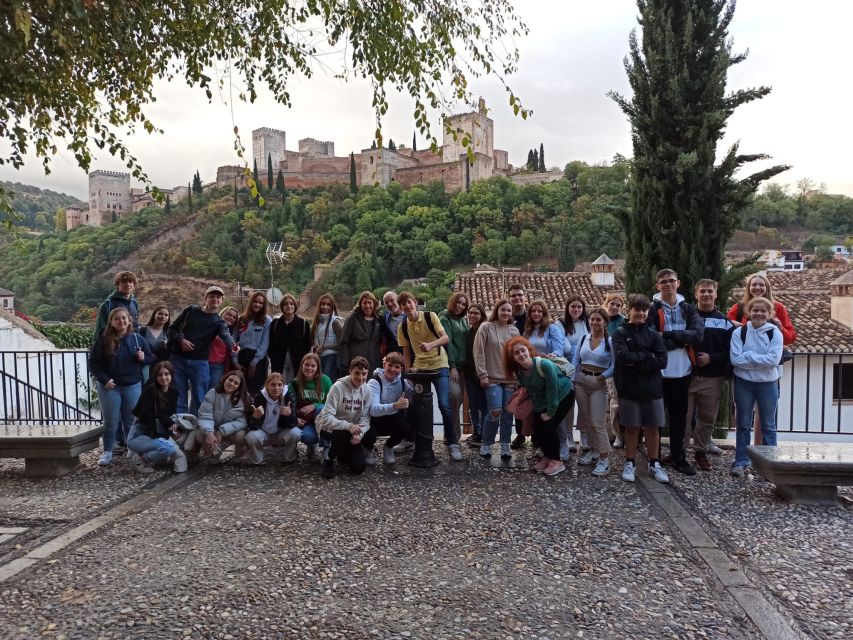
The Corral del Carbón is one of the most distinctive early stops. This former inn and commercial building reflects Granada’s role as a place of trade, lodging, and movement during its Islamic period.
Its name is often translated as Coal Yard, but the building’s earlier purpose was broader than that nickname suggests. It served merchants and goods moving through the city. The structure gives you a useful change of pace from grand religious monuments, since it shows how ordinary commerce helped keep the city running.
This is the sort of place that benefits from a guide. You might pass through the area on your own and notice the gateway, but a short explanation helps you picture the building as part of a working urban network. It also reinforces the tour’s larger point: Granada’s past was not only about palaces and rulers.
Alcaiceria, Bib Rambla, and the center’s public spaces
The route continues through the Alcaiceria, the old market area, and Plaza Bib Rambla. These stops bring you into the city’s public and commercial core.
The Alcaiceria is closely tied to Granada’s Islamic past. Its lanes and shops now serve modern visitors, but the name and setting recall the old bazaar that once occupied this part of the city. The tour does not treat it as a museum piece. Instead, you see how the area sits within the present-day center while learning what came before.
Plaza Bib Rambla offers a broader public space. The Giants Fountain is one of the features pointed out here, and the square gives you room to pause after the tighter lanes around the market. The contrast is helpful: Granada’s old city includes both compact passages and open civic spaces.
One practical advantage of these stops is that they give you landmarks you can easily find again. After the tour, you can return to the Alcaiceria for another look or use Bib Rambla as a meeting point while exploring the center. Penelope’s experience included a peaceful pause with an explanation of flamenco, along with suggestions for things to do later. That kind of extra cultural detail can make the walk feel less like a checklist.
More history-led days around Granada:
- Segway Your Way Through Granada’s History: The Ultimate Ride
★ 5.0 · 334 reviews - Madrid Essential: Historic Center, Plaza Mayor & Royal Palace
★ 5.0 · 6,416 reviews - Barcelona: Tapas Walking Tour with Food, Wine, and History
★ 4.8 · 4,261 reviews - Sevilla Food Tour: Tapas, Wine, History & Traditions
★ 5.0 · 3,468 reviews
The Madraza beside Granada’s Christian monuments
The Madraza adds another important piece to the Islamic story. A madraza was a school, and this building represents the intellectual and religious life of Muslim Granada. Its presence near the later Christian monuments makes the city’s political change especially clear.
From there, the route brings you toward the Cathedral and other major buildings in the historic center. The Cathedral is one of Granada’s defining landmarks, with a scale and style that announce the authority of the Christian rulers who reshaped the city after 1492.
You should understand that this walking tour mainly views these places from the outside. The itinerary includes the Cathedral, the Royal High Court, the Royal Chancillería, and the Royal Jail as part of the street route, but admission to interiors is not listed. That keeps the price low and the pace moving, but you will need separate tickets and time if you want to explore inside.
The guide’s value here is the connection between buildings. The Royal High Court and Royal Chancillería represent law and administration, while the Royal Jail points to the machinery of government and punishment. The Cathedral represents religious power. Taken together, these stops show how Granada was reorganized after the Christian conquest.
Lower Albaicin lanes and a closer feel for Moorish Granada
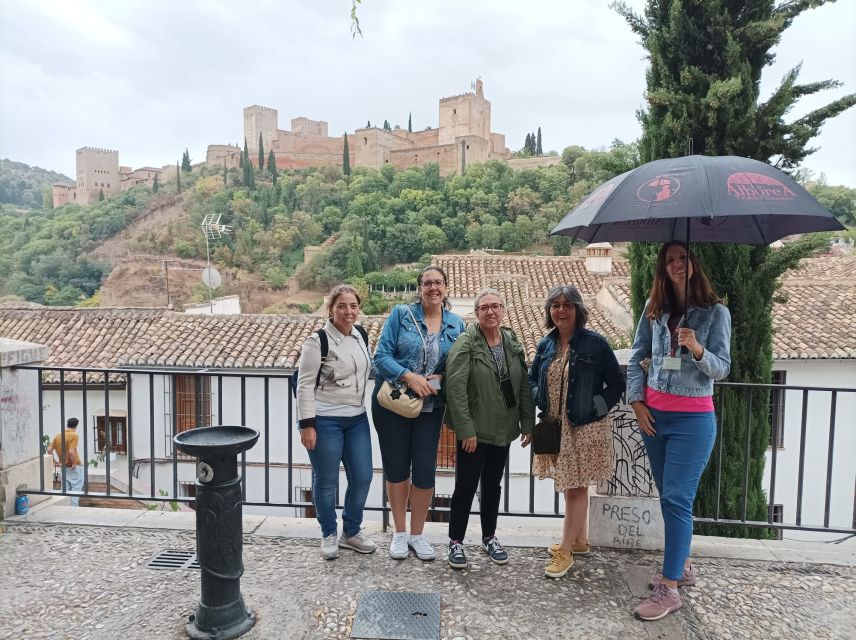
The lower Albaicin is where the tour becomes less formal. Instead of large façades and open plazas, you walk through narrow streets that evoke the neighborhood’s Moorish past.
The route is not the highest or most remote part of the Albaicin, but it still requires some uphill walking. That is important for planning. One family group included people with angina and knee problems. Their guide, Jaime, allowed pauses and adjusted the pace because the group was small. You should not count on that same flexibility in every departure, particularly if the group is larger.
The reward is a change in atmosphere. The lower neighborhood feels more residential and close-up than the grand center. You get a sense of how streets, walls, and buildings create a compact old quarter. It is also where the tour’s historical material becomes physical. The Moorish past is no longer only a date or a list of rulers. It is present in the form of the lanes and the way the neighborhood is arranged.
Wear comfortable shoes, as requested for the activity. This is not the place for thin soles or footwear that makes uneven paving awkward. Carrying water is also sensible, although the tour information specifically highlights shoes rather than a required equipment list.
The Alhambra viewpoint that completes the route
The final major reward is a viewpoint in the lower Albaicin facing the Alhambra. You do not enter the palace and fortress complex on this walk, but you get a strong visual introduction to Granada’s most famous landmark.
The view is valuable because it places the Alhambra in relation to the city. From the center, the Alhambra can feel like a separate attraction. From the Albaicin, you see how the two historic areas face one another across Granada’s terrain.
Bring a phone or camera, but do not let the photo stop swallow the explanation. The guide can help you understand what you are looking at and why the Alhambra matters to Granada’s story. Umut specifically appreciated discovering the old city and seeing the Alhambra from the lower Albaicin.
This is also a good point to note the tour’s limit. If the Alhambra is your main reason for visiting Granada, you still need a separate Alhambra visit. This walking tour gives you historical setting and an outside view, not palace access.
What the guides add to the experience
The strongest part of this tour is the human element. Guides named in the feedback include Pablo, Jaime, Irene, Anna, Emilio, Rocio, Elene, and others. Their styles may differ, but the common strengths are clear: they explain Granada’s past, answer questions, and try to keep the group engaged.
Irene has been praised for asking the group questions rather than delivering a one-way lecture. That approach can help you remember the material, especially when the route includes many names and dates. Pablo has been described as both friendly and entertaining, with useful suggestions for places to visit later. Emilio was praised for patience and a warm manner.
The group size can affect the feel of the walk. In quieter periods, some departures have been very small, including groups of five or seven people. That can feel almost private and makes it easier to ask questions. A larger group may be less personal, and a strong accent can occasionally make English explanations harder to catch.
The tour is offered in English and Spanish. Choose carefully when booking. Historical detail is only useful if you can follow it comfortably while walking.
Value at $16 per person
At $16, the tour offers particularly good value if you are visiting Granada for the first time. You see many of the city’s central landmarks, enter the lower Albaicin, get an Alhambra viewpoint, and receive a usable introduction to local history in one morning or afternoon.
I would not compare it to a paid monument visit. There are no listed interior admissions, and the experience depends on the guide’s interpretation. Think of it as a city orientation with historical depth, not as a substitute for the Cathedral, Alhambra, or other ticketed attractions.
The tour also saves planning time. Instead of researching every building before arrival, you can let the route supply a framework. Several guides have offered suggestions about what to eat and what to visit afterward, which can be useful when your schedule is short.
Free cancellation up to 24 hours before the start and the option to reserve now and pay later add flexibility. Those policies are helpful if your Andalusia plans are still shifting, but the real value remains the amount of ground and context covered for a modest fee.
Who should book this Granada walk?
I recommend it for first-time visitors, history fans, independent explorers, and anyone who wants to understand Granada before tackling the Alhambra. It is also a good choice if you have only a short stay and want to see the center and lower Albaicin in one organized outing.
Families can benefit from the clear route and guide interaction, provided everyone can manage the slopes and uneven streets. The tour may also suit solo visitors who want an easy way to meet a small group and get practical ideas for the rest of the visit.
I would be cautious if you have significant mobility limits. The lower Albaicin section includes uphill walking, and the activity is specifically not suitable for people with mobility impairments. If you need frequent rests, contact the provider before booking rather than assuming every group will move at a gentle pace.
Should you book the Historic Center and Lower Albaicin Tour?
Book it if you want a low-priced introduction to Granada’s history, layout, and Moorish heritage, with a guide to connect the sights. The combination of the Alcaiceria, Bib Rambla, Madraza, Cathedral area, lower Albaicin, and Alhambra viewpoint gives you a useful first picture of the city.
Skip it if you want extensive interior visits, a dedicated Alhambra tour, or a mostly flat walk. For most able walkers, though, the 2.5-hour route is a sensible first activity, especially when guides such as Pablo, Jaime, or Irene are leading. Schedule it early, wear comfortable shoes, and use the rest of your stay to return to the places that deserve more time.
FAQ
How long is the Granada Historic Center and Lower Albaicin Walking Tour?
The tour lasts 2.5 hours.
How much does the tour cost?
The listed price is $16 per person.
Where do I meet the guide?
Meet the guide in front of the monument to Isabel la Católica and Cristóbal Colón, also known as the monument to the Catholic Kings, Ferdinand and Isabella.
What languages are available?
The live tour guide service is available in English and Spanish.
Does the tour include entry to the Alhambra?
No. The tour includes a viewpoint of the Alhambra from the lower Albaicin, but Alhambra admission is not included.
Is the walk suitable for people with mobility impairments?
No. The activity is listed as not suitable for people with mobility impairments, and the route includes walking through narrow streets and an uphill section in the lower Albaicin.
Recently reviewed around Granada
- Segway Your Way Through Granada’s History: The Ultimate Ride★ 5.0 · 334 reviews
- Granada: Alhambra and Nasrid Palaces Private Tour★ 4.9 · 242 reviews
- Granada: Sacromonte Caves Flamenco Show with Dinner★ 4.4 · 156 reviews
- Sacromonte Caves Museum Admission Ticket★ 4.6 · 502 reviews
- From Granada: Alpujarra Villages Guided Day Tour★ 4.8 · 217 reviews
- From Granada: Alpujarra Mountain Villages Tour★ 4.7 · 298 reviews
- Granada: Traditional Flamenco Show at Tablao Casa Ana★ 4.8 · 390 reviews
- Granada: Fast-Track Alhambra & Nasrid Palaces Guided Tour★ 4.8 · 415 reviews
Historical Tours, compared.
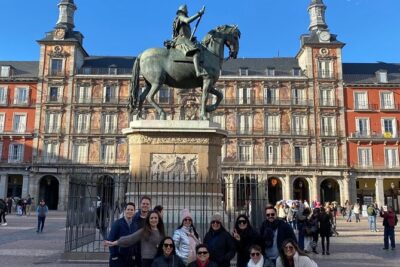
Madrid Essential: Historic Center, Plaza Mayor & Royal Palace
Read our review →
Tapas Walking Tour with Food, Wine, and History
Read our review →
Sevilla Food Tour: Tapas, Wine, History & Traditions
Read our review →
Valencia Old Town Tour with Wine & Tapas in 11th Century Historic Monument
Read our review →
Barcelona Tapas Walking Tour: Food, Wine & History
Read our review →
Ultimate Seville Tapas, Wine & History Small Group Tour
Read our review →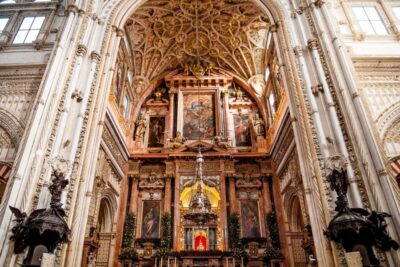
Skip-the-Line Great Mosque-Cathedral History Tour
Read our review →
Browse the lists this tour appears in