
Reviewed · TENERIFE TOURS
Tenerife: Mount Teide Observatory Astronomical Tour
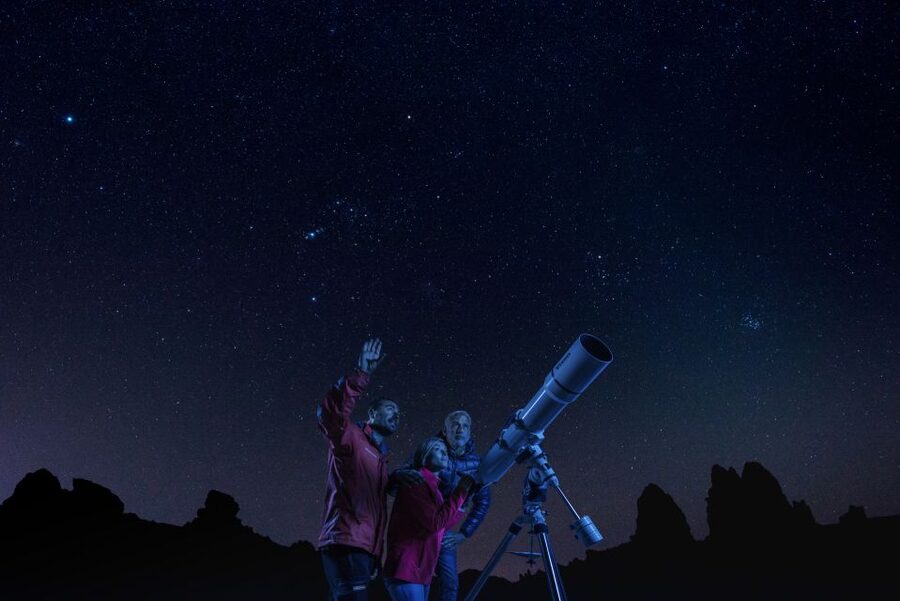
Mount Teide turns astronomy into a full-day mountain outing. You visit the world’s largest solar observatory in the afternoon, watch the volcanic summit glow at sunset, then return after dark to study constellations through powerful telescopes.
I especially like the rare mix of working science and open-air stargazing. I also like the small-group format and guides such as Lucas and Micaela, who explain complex subjects in plain language. The catch is the cold: Tenerife may be warm at the coast, but Mount Teide can be windy and close to freezing after sunset.
A few practical points matter. This is an eight-hour trip, costs $121 per person, and includes pickup from selected hotels in north Tenerife. Food is not included, children under eight cannot join, and the clothing rules are strict.
In This Review
- Key points to know before booking
- Why this Mount Teide tour is different
- The drive into Teide National Park
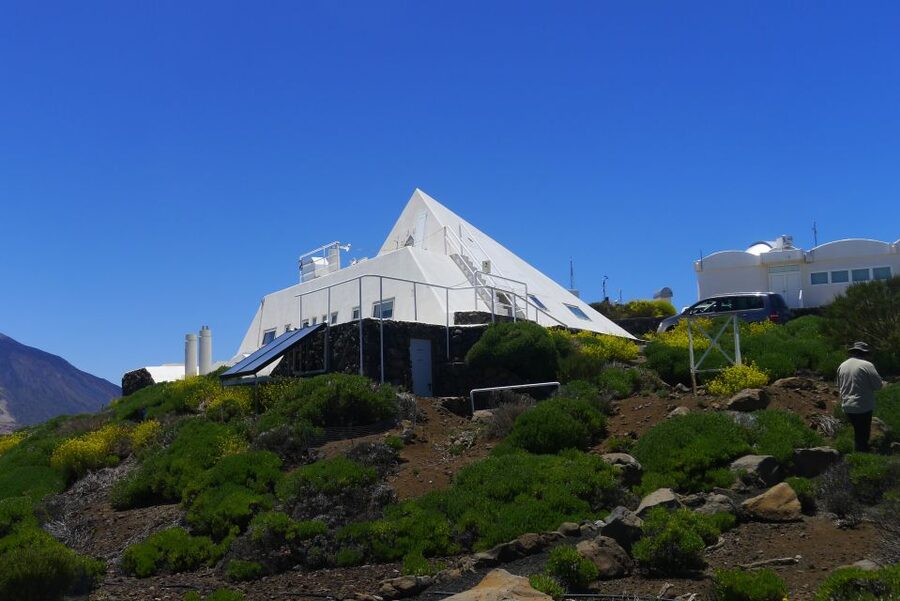
- Inside the world’s largest solar observatory
- Sunset above Tenerife
- Learning the constellations before using a telescope
- Looking through the long-range telescopes
- What happens when the weather turns bad
- Timing, food, and what to wear
- Who will get the most from the $121 price?
- Booking advice and final verdict
- FAQ
- How long does the Mount Teide Observatory Astronomical Tour last?
- How much does the tour cost?
- Is hotel pickup included?
- What languages are available?
- Is food included?
- What clothing is required?
- What happens if the weather prevents stargazing?
- Can children join the tour?
Key points to know before booking
- Solar science in daylight: Visit Teide Observatory while the sun is still up and learn how solar telescopes work.
- A proper sunset stop: The afternoon ends with views from a volcanic mountain viewpoint before the night program begins.
- Two ways to see the sky: Use your unaided eyes to learn constellations, then look through long-range telescopes.
- Expert-led explanations: Professional astronomy staff handle the observatory visit, with guides including Lucas and Micaela praised for clear, friendly teaching.
- Small groups and hotel pickup: Transport is by small vehicle, with pickup available at selected hotels in north Tenerife.
- Weather backup plans: Poor conditions may mean two nocturnal telescopes instead of one, or an audiovisual tour of the night sky.
Why this Mount Teide tour is different
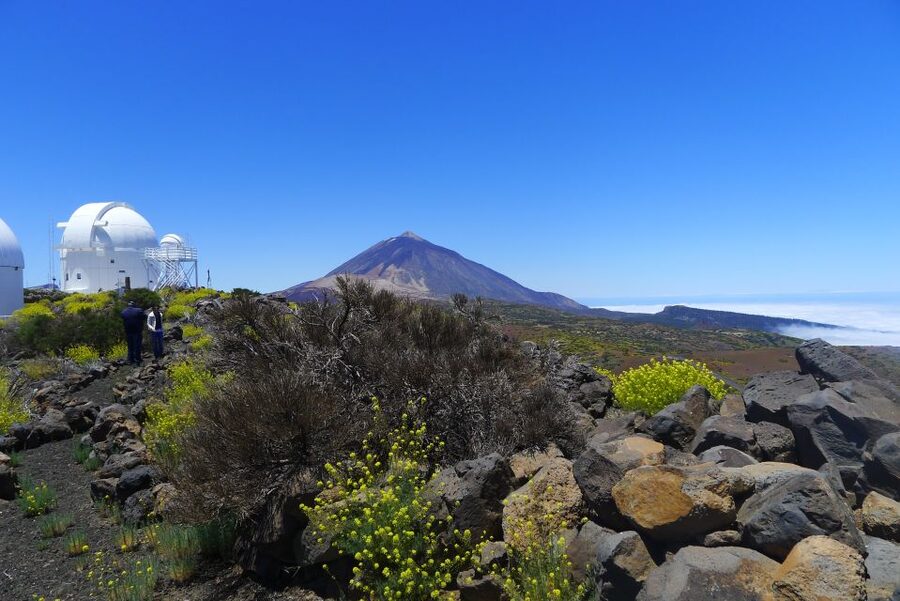
Many Mount Teide excursions focus on scenery, the cable car, or a quick sunset stop. This one is built around astronomy. You are not simply driven uphill, shown a few stars, and sent back down. The day connects the island’s volcanic setting with the scientific work carried out at the observatory.
That makes the $121 price easier to assess. You are paying for transport, a guide, a guided observatory visit, sunset views, and night observation with a long-range telescope. Food is extra, and the eight-hour schedule takes a large part of your day, but the program offers more than a basic stargazing outing.
The group size also matters. A small vehicle is more comfortable on a long mountain outing than a large coach, and it gives you a better chance to ask questions. The tradeoff is that pickup can take time, especially when several hotels are involved. One detailed account described a long return day, with hotel pickups and drop-offs adding to the total.
Other Tenerife days travellers weigh against this one:
- Siam Park Entry Tickets
★ 4.5 · 15,710 reviews - Tenerife: Eco-Yacht Whale and Dolphin Watching and Swimming
★ 4.7 · 15,619 reviews - Los Cristianos Respectful No-Chase Whale and Dolphin Safari
★ 4.6 · 12,782 reviews
The drive into Teide National Park
Your pickup time changes with the season because the tour is planned around sunset. Pickup is available from selected hotels in north Tenerife, including Parque San Antonio, GF Noelia, Hotel Magec, Hotel Concordia, Tucán, Coral Teide Mar, Riu Garoé, CC La Cúpula, and Kiosko Paragüitas.
The drive is part of the experience rather than dead time. As the vehicle climbs, coastal warmth gives way to cooler mountain air. You may also get broad views across Tenerife and, depending on the route, dramatic sights along the west coast, including the cliffs of Los Gigantes.
The route and exact stops can vary. The important point is to expect a full excursion, not a short evening transfer. The time spent on the road allows your guide to introduce the island’s volcanic setting and explain what you will see at the observatory.
This is also where the small-group format helps. Guides can add a little natural history and point out features along the way. One guide was praised for explaining the surrounding nature, not just astronomy, which gives the day more range.
Inside the world’s largest solar observatory
The observatory visit is the heart of the afternoon. Teide Observatory is used for solar and nighttime research, and the guided visit gives you a look at the equipment and the way astronomers study the sun.
You can expect an explanation of telescope design, how the instruments gather light, and why Mount Teide is useful for observing the sky. The visit may include a chance to look inside a telescope, which makes the equipment feel less like a sealed-off research facility and more like working scientific machinery.
The solar portion is especially memorable when conditions cooperate. You may see solar activity in real time, including flares or other features on the sun. That is a very different experience from nighttime stargazing. Instead of waiting for darkness, you watch a nearby star through specialized instruments.
The observatory is not a theme-park attraction. The emphasis is on working science, technical explanations, and the purpose of the instruments. If you enjoy asking questions, this is where the tour earns much of its value. Guides and observatory astronomers are ready to explain how telescopes operate and how scientists interpret what they see.
One point deserves a clear warning: promotional photographs can show very large instruments, while the solar telescope used during a particular visit may be smaller. The visit remains worthwhile, but you should not expect access to every major telescope on the site or a private laboratory tour.
Sunset above Tenerife
After the observatory, the schedule turns from science to scenery. You stop at a viewpoint to watch the sun drop over the volcanic highlands. This pause breaks up the technical material and gives you time to take in the scale of Teide.
Sunset is more than a pretty interlude. It marks the transition between the solar and nighttime parts of the tour. The light changes quickly at altitude, and the mountain takes on a different character as the sun disappears.
Bring a warm layer even if your hotel is enjoying beach weather. One account described temperatures near 30 degrees at the hotel and about 7 degrees at the cable car station, with strong wind. That difference is easy to underestimate when you leave the coast in short sleeves.
The sunset viewpoint can also be a busy part of the evening, depending on the day and the number of groups in the area. The small-group vehicle helps, but you should still expect a popular national park setting rather than total solitude.
A different way to spend the day, same corner of Spain:
- Tenerife: Loro Parque Entry Ticket
★ 4.8 · 12,411 reviews - Loro Parque and Siam Park Combined Admission Tickets
★ 4.7 · 7,307 reviews - Tenerife: Kayak and Snorkel with Turtles, Wetsuits Included
★ 4.6 · 7,215 reviews - Costa Adeje: Whale & Dolphin Eco-Cruise with Snacks & Drinks
★ 4.6 · 5,096 reviews
Learning the constellations before using a telescope
Once darkness arrives, the guide begins with the unaided sky. This is an important choice. Telescopes show detail, but your eyes give you the broad picture: constellations, bright stars, and the shape of the sky overhead.
Your guide may explain how to orient yourself, identify constellations, and use the stars for navigation. This part is especially useful if you have little astronomy experience. You do not need to know the names of stars before arriving.
The best guides make the subject accessible without reducing it to a string of facts. Previous participants singled out Lucas for explaining how telescopes work, how to navigate by the stars, how constellations are identified, and how stars form and change. Micaela was also praised for professional, clear explanations.
You should have time to ask questions. This is not a silent viewing session where you line up, look through an eyepiece, and move on. The educational side is one of the strongest reasons to choose this tour over a simple viewpoint visit.
Looking through the long-range telescopes
The main nighttime observation uses a long-range telescope. The exact objects available depend on the sky, the season, and the conditions, so no responsible tour can promise a fixed list of planets or deep-sky objects.
That uncertainty is part of astronomy. On a clear night, you might see the moon, planets, bright stars, or other prominent objects. One particularly fortunate outing included a comet and shooting stars. Other sessions used several large telescopes to show different targets.
The telescope viewing is paired with commentary. You learn what you are looking at rather than seeing an unnamed bright point. If you already know some astronomy, the guide’s explanations and question time should keep the session interesting. If you are new to the subject, the step-by-step approach prevents the sky from becoming a confusing scatter of lights.
The equipment is a major part of the appeal, but keep expectations sensible. Atmospheric conditions affect sharpness, and the moon can change the appearance of the sky. Cloud, wind, or poor visibility may also limit what you see.
What happens when the weather turns bad
Mount Teide’s high elevation brings excellent viewing potential, but it also brings weather risk. If conditions prevent proper visibility through the solar telescopes or create a safety concern, the itinerary can change.
You may visit two nocturnal telescopes instead of one. If the stars cannot be seen properly, guides use audiovisual equipment for a virtual tour of the night sky, constellations, and prominent objects that might otherwise have been visible.
That backup does not replace a clear night under the stars. Still, it means the tour has an educational alternative instead of simply abandoning the astronomy portion. You should book this with the right mindset: the guide can provide a strong program, but nobody controls clouds, wind, or atmospheric clarity.
If seeing the Milky Way or specific planets is your only reason for booking, the weather policy is worth taking seriously. If you also value the observatory visit, the mountain scenery, and the science explanations, the outing remains useful even when the sky is not perfect.
Timing, food, and what to wear
The eight-hour duration is realistic for a program that includes pickup, the mountain drive, the observatory, sunset, and nighttime viewing. The day can feel long, especially if your pickup is early or the vehicle collects people from several hotels.
Food and drinks are not included. Bring something to eat. A cafe may be available near the mountain facilities, but supplies can be limited and demand can be high. Do not assume you will have a full meal exactly when you want one.
Clothing is not a minor suggestion here. You need:
- Warm clothing
- A long-sleeved shirt
- Long pants
- Closed-toe shoes
- Comfortable clothes suitable for a long outing
Sandals, flip-flops, shorts, short skirts, and sleeveless shirts are not allowed. People without the required clothing may be refused permission to join. This is unusually strict for a Tenerife excursion, but it makes sense in a cold, windy mountain setting.
You also need a passport or ID card for children so their ages can be confirmed. The tour is not recommended for children under eight, and people with health conditions should ask their doctor before taking part.
Who will get the most from the $121 price?
I would recommend this to anyone who wants more than a scenic drive up Mount Teide. Astronomy fans get the strongest match, especially people who want to see solar instruments by day and stars through telescopes at night.
It also suits curious families with older children, couples, and visitors who enjoy guided learning. The Spanish and English options make the scientific explanations accessible to a broad audience.
The value is less clear if you want a short, relaxed sunset trip. Eight hours is a major commitment, and the cold can be uncomfortable. You also pay for an astronomy program, so someone who has little interest in telescopes may find the observatory explanations too technical.
People with mobility impairments should note that the tour is not suitable for them. The long day, mountain conditions, walking between facilities, and outdoor viewing make this a poor choice if you need a fully accessible outing.
Booking advice and final verdict
Book this Mount Teide experience if you want the island’s volcanic setting explained through science, not just photographed from a viewpoint. The strongest parts are the professional observatory visit, the chance to see solar activity, and the patient nighttime instruction from guides such as Lucas and Micaela.
Pack more warmth than you think you need, bring food, and leave room in your schedule for a long day. If the weather is clear, the combination of sunset and a star-filled sky can be extraordinary. If clouds arrive, the audiovisual program and alternate telescope plan help, but they cannot create the same sense of wonder.
At $121, this is good value for an astronomy-focused excursion with transport and a small group. Choose it for the observatory and the teaching as much as for the stars. If you do, even an imperfect night can still feel worthwhile.
FAQ
How long does the Mount Teide Observatory Astronomical Tour last?
The tour lasts eight hours. Pickup time changes by season because the schedule depends on sunset.
How much does the tour cost?
The price is $121 per person.
Is hotel pickup included?
Pickup is available from selected hotels in north Tenerife, including Parque San Antonio, GF Noelia, Hotel Magec, Hotel Concordia, Tucán, Coral Teide Mar, Riu Garoé, CC La Cúpula, and Kiosko Paragüitas.
What languages are available?
The live guide service is available in Spanish and English.
Is food included?
No. Food and drinks are not included, so you should bring food with you.
What clothing is required?
You need warm clothing, a long-sleeved shirt, long pants, comfortable clothes, and closed-toe shoes. Sandals, flip-flops, shorts, short skirts, and sleeveless shirts are not allowed.
What happens if the weather prevents stargazing?
If conditions prevent proper viewing, the program may use two nocturnal telescopes instead of one. If stars cannot be seen, guides provide an audiovisual virtual tour of the night sky, constellations, and prominent objects.
Can children join the tour?
Children under eight are not recommended for this experience. Children who do join must confirm their age with a passport or ID card.
Recently reviewed around Tenerife
- BRONZE tandem paragliding flight in South Tenerife, free pick up★ 5.0 · 257 reviews
- Tenerife: Teide, Icod de los Vinos & Garachico Full Day Tour★ 4.3 · 602 reviews
- Las Galletas: Whale & Dolphin Tour with Local Skipper★ 4.8 · 397 reviews
- Tenerife: Sunset Night Tour and Stargazing at Teide + Dinner★ 3.8 · 316 reviews
- Tenerife: Teide National Park Guided Buggy Tour★ 4.6 · 299 reviews
- Tenerife: Siam Park All-Inclusive Entry Ticket★ 4.7 · 915 reviews
- Tenerife: Sunset Catamaran Tour with Transfer, Buff & Drinks★ 4.8 · 570 reviews
- Tenerife: Siam Park Full-Day VIP Entry Ticket★ 4.5 · 183 reviews
Tenerife Tours, compared.
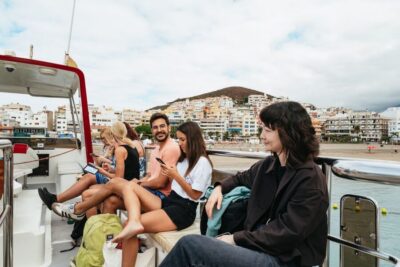
Eco-Yacht Whale and Dolphin Watching and Swimming
Read our review →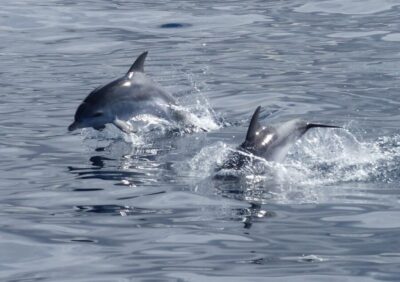
Los Cristianos Respectful No-Chase Whale and Dolphin Safari
Read our review →
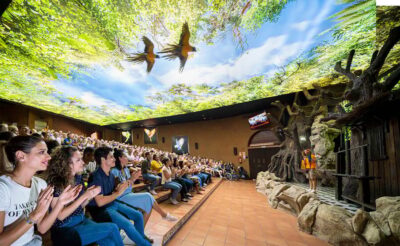
Loro Parque and Siam Park Combined Admission Tickets
Read our review →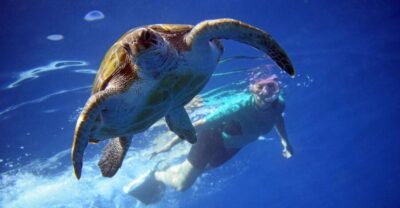
Kayak and Snorkel with Turtles, Wetsuits Included
Read our review →
Whale & Dolphin Eco-Cruise with Snacks & Drinks
Read our review →
Mount Teide Tour with Cable Car Ticket & Transfer
Read our review →Browse the lists this tour appears in