
Reviewed · MUSEUMS
MNAC Barcelona: National Art Museum of Catalonia Admission Ticket
Barcelona’s MNAC is most memorable for its Romanesque frescoes, removed from mountain churches and displayed inside recreated medieval interiors. You see Christ in Majesty glowing above you, then move through Gothic, Renaissance, Baroque, and modern Catalan rooms in a grand palace overlooking the city.
I like the freedom to set your own pace, and I like that the ticket covers a museum where the building, gardens, rooftop views, and collections all matter. The main caution is that MNAC is large and heavily weighted toward religious art in its older galleries, so visitors expecting a museum focused mainly on famous Spanish painters may find parts repetitive.
In This Review
- Key points
- Why MNAC’s Romanesque rooms deserve your first look
- Following the collection from Gothic to Baroque
- The Modern Art galleries and Gaudí’s practical designs
- The National Palace is part of the ticket
- Allow three hours, but do not treat that as a limit
- Montjuïc gives you more than a museum stop
- Getting in and using the mobile ticket
- Is $14.48 good value?
- Who will enjoy MNAC most?
- Small tips that improve the visit
- Should you book this MNAC ticket?
- FAQ
- What does the MNAC admission ticket include?
- How long should I spend at MNAC?
- Is this a guided tour?
- Is an audioguide included?
- How do I enter the museum with the ticket?
- Is the ticket available in English?
- What art periods can I see?
- Does MNAC have Romanesque frescoes?
- Can I see Gaudí’s work at MNAC?
- Is the museum near public transportation?
- Can I cancel the ticket?
Key points
- Romanesque frescoes: See vivid medieval paintings displayed in reconstructed church interiors, including the famous 12th-century Christ in Majesty.
- A thousand years of art: Move from Romanesque and Gothic works to Renaissance, Baroque, Romantic, and modern Catalan art.
- Gaudí’s furniture: Look for sinuous wooden chairs, doors, and other decorative works connected with Catalan Modernisme.
- National Palace setting: The museum occupies Barcelona’s grand Palau Nacional on Montjuïc Hill, with gardens and city views outside.
- Independent visit: This is an admission ticket, not a guided tour. An audioguide is not included.
- Three hours is a useful plan: You can stay longer, but three hours gives you time for major galleries without turning the visit into an all-day march.
Why MNAC’s Romanesque rooms deserve your first look
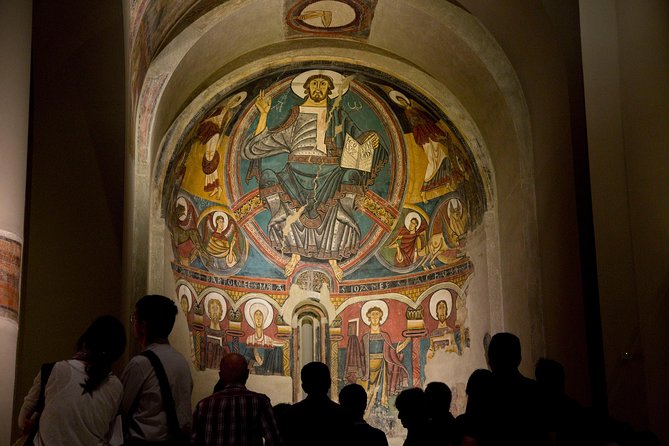
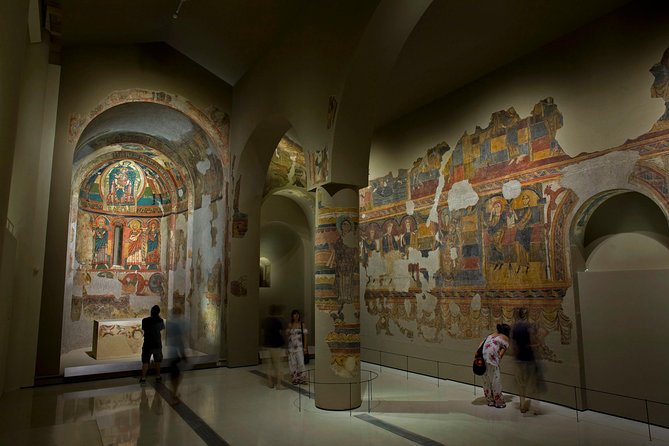
If you have time for only one part of MNAC, begin with the Romanesque collection. These frescoes were painted for churches in Catalonia, where they once covered walls, apses, and ceilings. At the museum, many are shown in specially rebuilt church interiors, which gives you a better sense of their original scale than a single framed painting could.
The most famous image is the 12th-century Christ in Majesty. Christ sits on a rainbow, surrounded by symbolic figures, with a calm, direct presence that makes the work feel surprisingly immediate. The colors remain strong, and the simplified forms have a force that does not depend on knowing the full religious story.
I find this section valuable because it shows Catalonia as a major center of medieval art, not just a place that later produced Gaudí and Picasso. You are looking at local works with a clear connection to the churches and communities of the region.
The drawback is simple: there is a lot of religious art. If you prefer portraits, landscapes, or modern sculpture, the Romanesque and Gothic rooms may feel repetitive after a while. Give them focused attention rather than trying to inspect every panel.
More Museum Tours in Barcelona
- Barcelona: FC Barcelona Museum “Barça Immersive Tour” Ticket
★ 4.4 · 10,944 reviews - Barcelona: Park Güell and Gaudí House Museum Entry Ticket
★ 4.5 · 6,326 reviews - Barcelona: Picasso Museum Skip-the-Line Guided Tour
★ 4.5 · 3,355 reviews
Following the collection from Gothic to Baroque
After the Romanesque galleries, continue through the later European periods. The museum presents art in a broad historical sequence, so you can watch subjects, techniques, and styles change as you move from medieval painting toward the Renaissance and Baroque eras.
The Renaissance and Baroque collections include paintings and sculptures from the 1400s through the 1900s. Names connected with the collection include Titian, Canaletto, and Goya, along with other Catalan, Spanish, and European artists. The point is not a single blockbuster painting. It is the chance to see how art in Spain and Catalonia fits into a wider European story.
I like this arrangement for first-time museum visits. You do not need to arrive with a study plan. Start with the earliest rooms, follow the sequence, and pause when something catches your eye. The museum map is reported to be easy to follow, which helps in a building this large.
You should also adjust your expectations. MNAC is not organized as a greatest-hits tour of every famous Spanish artist. Some galleries contain works by important names, while others are more useful for showing regional styles, church commissions, and changing tastes. That makes the museum especially worthwhile if you want Catalan art rather than only the most familiar Spanish masterpieces.
The Modern Art galleries and Gaudí’s practical designs
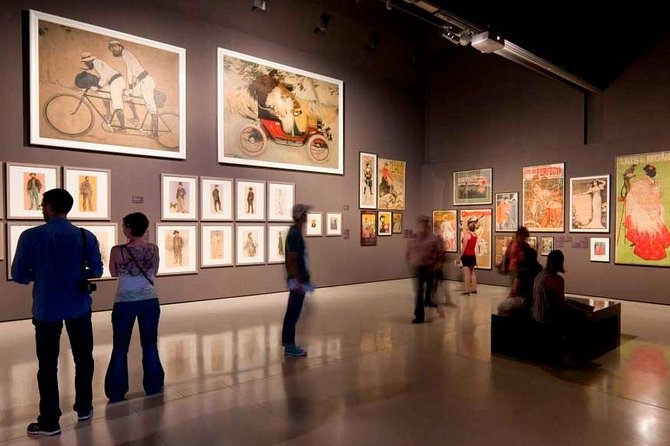
The Modern Art section changes the mood. Here you find paintings, sculptures, posters, and decorative works by 19th- and 20th-century Catalan artists. It is a good place to understand Catalan Modernisme as more than unusual architecture.
Gaudí’s furniture is a highlight. Look for the curved wooden chairs, doors, and other pieces whose shapes seem to flow rather than sit still. Furniture can be easier to overlook than paintings, but these objects show how modernist ideas reached into everyday rooms and working spaces.
I especially like this part because it brings Barcelona’s famous architectural style down to human scale. Instead of looking only at a building facade, you can study the shapes of objects made to be touched, used, and lived with.
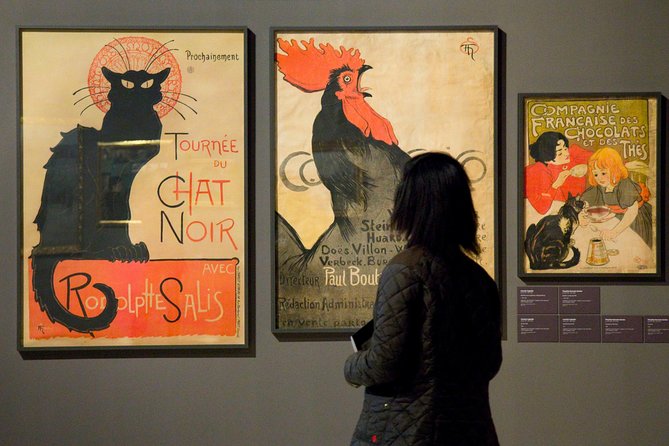
The section also includes posters and other works that broaden the picture of modern Catalan culture. It is not just a parade of famous artists. You get a sense of how art, design, public life, and regional identity came together in the late 19th and early 20th centuries.
The National Palace is part of the ticket
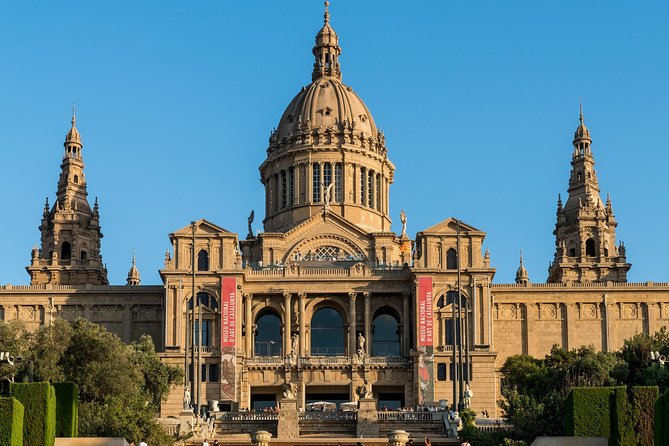
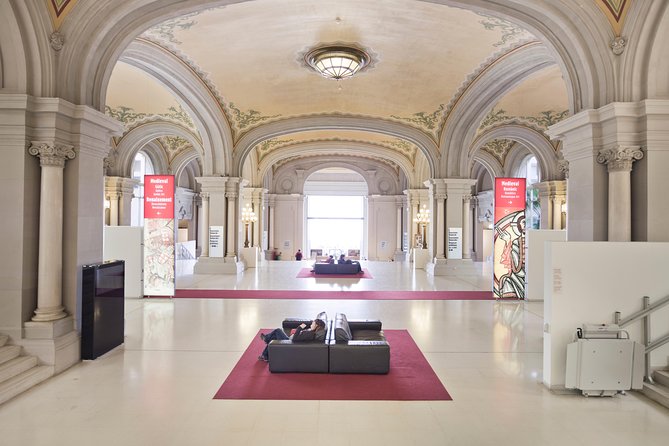
MNAC occupies the National Palace on Montjuïc Hill. The setting is not a neutral container for art. The palace, grand interior spaces, exterior facades, gardens, and high position above Barcelona all contribute to the visit.
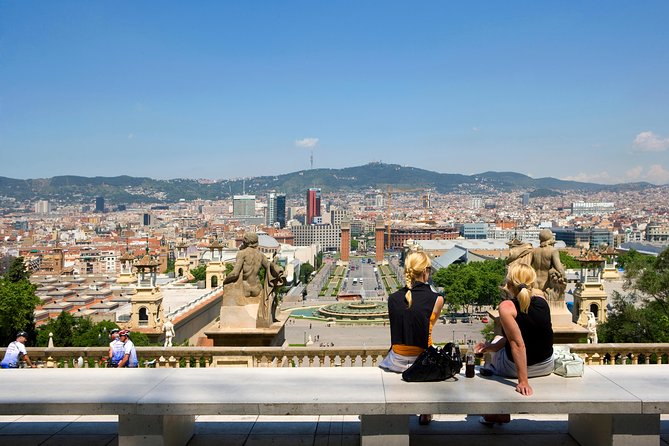
Several hours inside can make you forget that the city is just below. Then you reach an open area or step outside and Barcelona returns in one broad view. The grounds are scenic enough to deserve time of their own, and you should not rush straight to the museum exit after the last gallery.
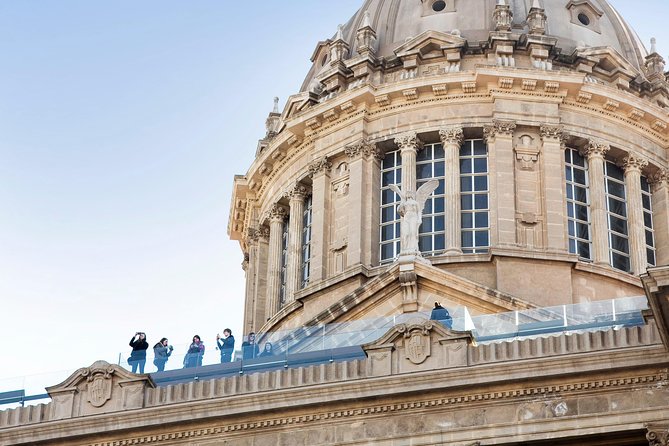
A rooftop visit is also worth checking during your visit. The ticket information and practical comments connected with this experience indicate that access to the roof terrace may be included. One useful approach is to go up early, since the small elevator can develop a wait later in the day. Follow the full rooftop route if it is open to you, rather than taking the first way down.
Because details such as rooftop access and operating arrangements can change, confirm them when you exchange your voucher. Still, the high views are one of MNAC’s strongest advantages. You are paying for art, but you are also getting a palace on Montjuïc with a fine outlook over Barcelona.
More Barcelona museums and collections:
- Girona & Dali Museum Small Group Tour with Pick-up from Barcelona
★ 5.0 · 2,965 reviews - Moco Museum Barcelona Banksy & More
★ 4.6 · 2,340 reviews - From Barcelona: Girona, Figueres, Dalí Museum, and Cadaqués
★ 4.7 · 1,928 reviews - Montserrat Museum and Monastery Entry Ticket
★ 4.5 · 1,740 reviews
Allow three hours, but do not treat that as a limit
The suggested visit takes about three hours. That is a sensible target for a first visit, especially if you want to see the Romanesque frescoes, later European art, and the modern galleries without inspecting every object.
A practical rhythm might look like this:
- Spend your first hour with the Romanesque and Gothic collections.
- Use the second hour for Renaissance, Baroque, and later European works.
- Reserve the final hour for modern Catalan art, Gaudí furniture, the building, and views.
That plan is flexible. You can shorten the older religious sections if they are not your interest and spend more time with Modernisme. Or you can stay four hours, as some visitors do, if you want a slower look at the collection and a break at the museum café or restaurant.
The building itself can make the visit tiring. MNAC is spacious, and the range of periods is wide. Take a pause rather than pushing through rooms when your attention fades. The goal is not to complete every gallery. It is to leave with a clear picture of Catalan art and a few works you remember.
Montjuïc gives you more than a museum stop
The experience includes time at Parc de Montjuïc, listed as roughly one hour. Think of this as part of the setting rather than a separate guided park tour. You can walk around the grounds, enjoy the palace exterior, and take in the elevated views before or after the galleries.
This matters because MNAC sits away from the tight central streets of Barcelona. The trip works best when you treat Montjuïc as a half-day area, not as a quick indoor stop squeezed between two central attractions.
The palace approach and surrounding grounds are particularly good for photographs. You can also pause outside with a drink and look back toward the city. One review specifically praised sitting with sangria and enjoying the view, which captures the mood better than a rushed entrance and exit.
If you are visiting during a period when the Magic Fountain area has evening activity, you might find that a return to the area later in the day adds another reason to visit. The exact schedule is not provided here, so check current local information rather than planning around it.
Getting in and using the mobile ticket
The ticket is a mobile voucher, and you redeem it at the museum ticket office before entering. In practice, allow a little time for this step. The voucher may need to be exchanged, and the desk may direct you to another staff member or ticket point.
Most people can participate, and the museum is near public transportation. The information provided does not give a detailed route from every part of Barcelona, so check your own transport plan and allow time to reach Montjuïc Hill.
The ticket is offered in English, but that does not mean an English-speaking guide accompanies you. This is an independent visit. There is no guided tour, and the audioguide is not included.
A free museum app may be available for additional information about the art. Since the supplied details do not promise the app as part of the ticket, treat it as a useful possibility rather than a guaranteed feature. Ask at the information desk or check the museum’s current app details before relying on it.
Is $14.48 good value?
At $14.48 per person, the ticket is fairly priced if you want a planned visit on a normal paid-admission day. You receive access to a major museum, a collection spanning about 1,000 years, the National Palace setting, and the surrounding Montjuïc grounds.
The value is strongest for people who appreciate more than famous names. You get medieval frescoes, local Catalan art, European paintings, sculpture, posters, decorative art, and Gaudí furniture in one place. The city views and palace architecture add value that a standard gallery ticket does not always provide.
Before booking, check current free-admission rules. The information supplied with this experience notes that the museum can be free on the first Sunday of the month and may have no-charge periods later in the day. It also indicates that seniors may enter free. Policies and times can change, so compare the date, age category, and official museum conditions before paying for a voucher.
The prepaid ticket may still be useful on a busy day. One practical advantage is avoiding a long standard admission line, especially in hot weather. But the voucher exchange is not always faster than buying at the desk, and you may still need to visit more than one counter. That makes advance purchase most useful when you value planning or expect a queue, not simply because it guarantees a special museum experience.
Who will enjoy MNAC most?
I would recommend MNAC to you if you want to understand Catalan art beyond Gaudí’s buildings. The museum is also a good choice if you enjoy seeing art in a strong architectural setting, or if city views and a pleasant outdoor stop matter as much as the collection.
Families and mixed-interest groups can make it work because the displays cover many periods. One person can focus on medieval art, another on modern design, and everyone can meet outside for the views. The large building also gives you room to set different paces.
Art lovers should plan extra time. The Romanesque frescoes are a serious attraction in their own right, and the modern Catalan galleries contain works you may not encounter elsewhere. Returning visitors can also find new details because the collection is so broad.
You may want to skip it if your Barcelona plan is already packed with central sights and you have little interest in religious art. The hill setting takes time to reach, and three hours inside is a poor use of your day if you only want a handful of famous Spanish paintings.
Small tips that improve the visit
Arrive early if you want the best chance of moving through the building calmly or visiting the roof terrace before queues form. Do not assume the museum keeps the same hours every day. Sunday closing can be as early as 3 p.m., so check the exact schedule for your date before setting out.
Take a photo or screenshot of your mobile voucher before you reach the ticket desk. If the staff do not immediately recognize the voucher format, explain that you need to exchange it for museum admission. The staff can direct you, but a clear copy saves time.
Pick up a map. The museum is easy to follow once you understand its sections, but a map helps you avoid wandering and makes it easier to choose between the older galleries and modern art.
Leave room for the exterior. The palace facade, gardens, rooftop, and city views are not filler. They are among the most praised parts of the visit, and they help break up the long indoor sequence.
Should you book this MNAC ticket?
Book it if you want a self-guided visit to one of Barcelona’s best places for Catalan art, especially the Romanesque frescoes and modernist design. The $14.48 price is reasonable on a paid day, and advance entry can help when the regular line is long.
I would first check free-admission periods, senior rules, and Sunday hours. If your date falls within a no-charge period, paying for this voucher may offer little benefit. If you visit at a busy time, want a set plan, and can give MNAC at least three hours, the ticket is a practical way to experience the art, palace, park, and views together.
FAQ
What does the MNAC admission ticket include?
It includes admission to the permanent collection of the National Art Museum of Catalonia. The experience also includes access to the Parc de Montjuïc stop listed with the visit.
How long should I spend at MNAC?
Plan about three hours for the museum. You can stay longer if you want more time for the modern galleries, building, rooftop, café, restaurant, or surrounding grounds.
Is this a guided tour?
No. This is an independent museum visit. A guided tour is not included.
Is an audioguide included?
No. The audioguide is not included in the ticket.
How do I enter the museum with the ticket?
Use the mobile voucher and redeem it at the museum’s ticket office. Staff may direct you to the correct counter or admission point.
Is the ticket available in English?
Yes. The experience is offered in English, though no English-speaking guide is included.
What art periods can I see?
The collection covers roughly 1,000 years, from Romanesque and Gothic art through the Renaissance, Baroque, Romantic period, and modern art.
Does MNAC have Romanesque frescoes?
Yes. Many Romanesque frescoes are displayed in reconstructed church interiors. A major highlight is the 12th-century Christ in Majesty.
Can I see Gaudí’s work at MNAC?
Yes. The Modern Art section includes Gaudí furniture, including curved wooden chairs and doors, along with other modernist works.
Is the museum near public transportation?
Yes. The museum is near public transportation, although the supplied information does not give a specific route from your accommodation.
Can I cancel the ticket?
Yes. You can cancel for a full refund if you cancel at least 24 hours before the experience start time. Changes or cancellations made less than 24 hours before the start time are not accepted for a refund.
Recently reviewed around Barcelona
- Excursion Aigüestortes – Estany Llebreta (1/2 day)★ 5.0 · 138 reviews
- E-Bike tour in Barcelona with English Guide★ 5.0 · 128 reviews
- Wine Tasting Experience in Barcelona★ 5.0 · 172 reviews
- Barcelona Luxury Yacht Cruise – Day or Sunset, Open Bar & Snacks★ 5.0 · 154 reviews
- Montserrat: Cog-Wheel, Basilica, Black Madonna & Licor Tasting★ 4.5 · 886 reviews
- Barcelona Wax Museum Admission Ticket★ 4.5 · 237 reviews
- Barcelona: Wine Tasting and 5 Course Tapas Pairing Dinner★ 4.5 · 129 reviews
- Andorra Original History and Sightseeing Tour (Private, Pickup)★ 5.0 · 350 reviews
Museums, compared.
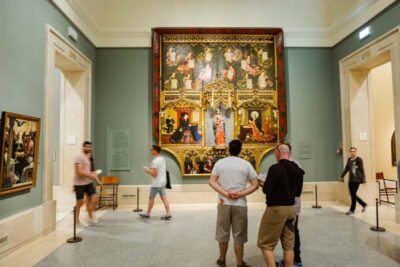

FC Barcelona Museum “Barça Immersive Tour” Ticket
Read our review →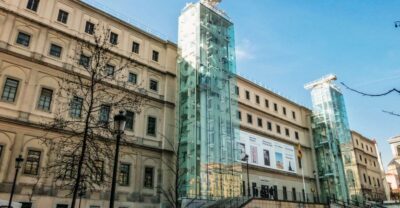
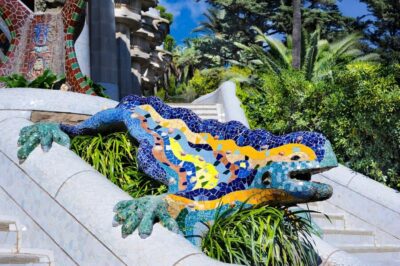
Park Güell and Gaudí House Museum Entry Ticket
Read our review →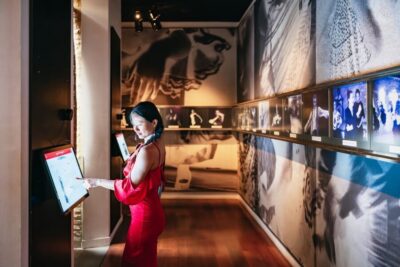
Puro Flamenco Show with Optional Museum Ticket
Read our review →
Girona & Dali Museum Small Group Tour with Pick-up from Barcelona
Read our review →
Oceanogràfic, Hemisfèric & Science Museum Combo
Read our review →Browse the lists this tour appears in