
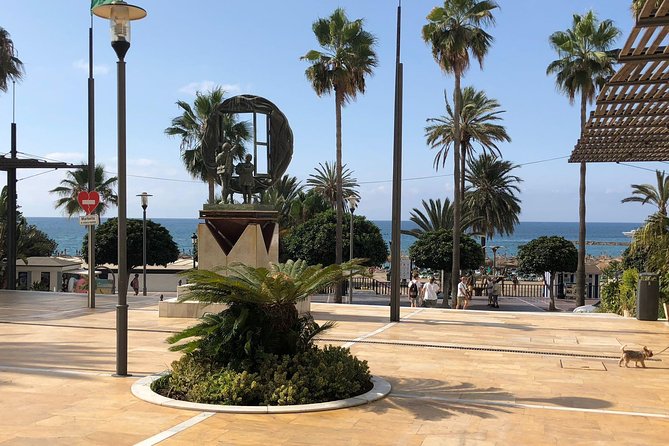
Reviewed · MALAGA & COSTA DEL SOL TOURS
Marbella Old Town: Group Tour with a True Local
Marbella’s glossy resort image fades quickly once you enter the narrow streets of the old town. This 90-minute walk follows the old Arab medina, pauses at landmarks many beach visitors miss, and explains how Marbella changed after the Christian reconquest of 1485. It finishes with an extra virgin olive oil tasting when available.
I like two things here. First, guides such as Javier, Xavier, Eva, and Silvina bring local stories and practical advice, including restaurant suggestions and ideas for the rest of your stay. Second, the olive oil stop gives the tour a real Andalusian flavor rather than ending with one more round of dates and names.
The main consideration is pace and timing. You cover several stops in only an hour and a half, so this is a lively introduction, not a slow museum visit. The tour also needs at least four people to operate, and the tasting depends on availability.
In This Review
- Key points at a glance
- Why this Marbella walk is worth your first morning
- Alameda Park and the Virgen del Rocio meeting point
- Avenida del Mar and the resort-city connection
- Capilla San Juan De Dios and the palace from 1502
- Plaza Altamirano and Marbella’s quieter corners
- Torre de la Pólvora and the defensive past
- Plaza de los Naranjos, the classic finish
- The olive oil tasting is the tour’s best extra
- The guides make the difference
- Who should book this tour?
- Timing, price, and practical planning
- My verdict: a smart introduction to Marbella
- FAQ
- Where does the Marbella old-town tour begin?
- Where does the tour finish?
- How long does the walking tour last?
- Is the olive oil tasting included?
- What language is the tour conducted in?
- What should I bring?
- Is the tour wheelchair accessible?
- How many people are needed for the tour to operate?
Key points at a glance
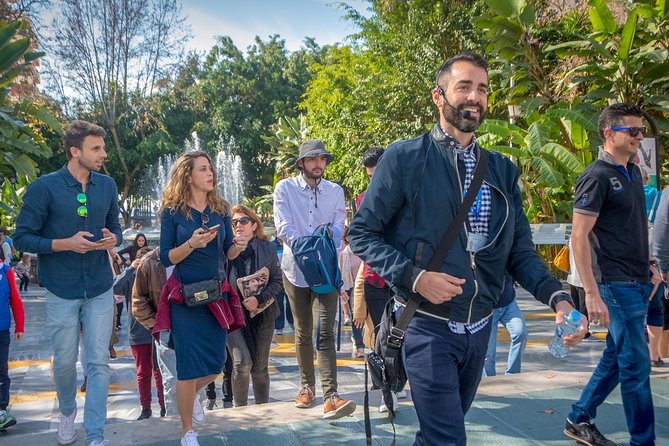
- An 8th-century Arab medina: Walk the tight lanes of Marbella’s oldest quarter and learn how the street plan reflects its past.
- A palace from 1502: See one of the old town’s grandest historic buildings and connect it to the years after Christian rule returned.
- Olive oil with local context: Taste extra virgin olive oil at the end when the activity is available, with time to ask questions and possibly buy a bottle.
- Guides with strong local knowledge: Javier, also called Javi by some visitors, is frequently named, while Xavier, Eva, Silvina, and Ara have also led sessions.
- A manageable 1.5-hour walk: The route is short enough for most sightseeing schedules and finishes in Plaza de los Naranjos.
- Good value at $29: You get a licensed local guide, a focused introduction to the town, and a tasting that adds something you would not get from a monument-only walk.
Why this Marbella walk is worth your first morning
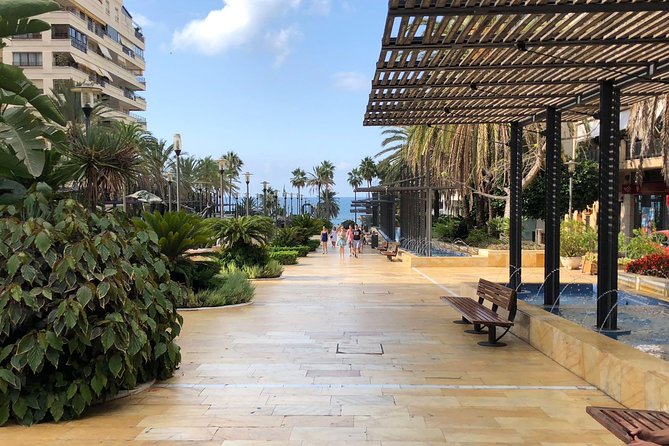
I would use this tour to get your bearings early in a Marbella stay. The route begins at the Virgen del Rocio fountain in Alameda Park, a clear central meeting point, and then heads toward the old town. You do not need private transport, and the finish at Plaza de los Naranjos leaves you in a useful spot for lunch or further exploring.
The tour’s strongest feature is its sense of place. Marbella is easy to reduce to beaches, nightclubs, luxury hotels, and polished shopping streets. This walk shifts attention to the older town, where the narrow lanes, small chapels, squares, towers, and old walls tell a less glossy story.
I also like the way the guide connects visible buildings to change over time. You are not simply shown a pretty square and told its name. The route covers the 8th-century Arab medina, the Christian reconquest of 1485, and a palace dating from 1502, giving you a basic timeline for understanding the streets around you.
At $29 per person, the value is solid if you want orientation and human explanation. A self-guided walk costs less, of course, but you would need to research the sites and piece together the history yourself. Here, the guide supplies the thread, answers questions, and can point you toward places to eat or visit later.
Other Malaga & Costa del Sol days travellers weigh against this one:
- Málaga: Caminito del Rey Guided Tour with Transportation
★ 4.8 · 12,183 reviews - Caminito del Rey: Guided Tour and Entry Ticket
★ 4.6 · 11,286 reviews - Málaga: Museo Picasso Málaga Entry Ticket
★ 4.4 · 11,138 reviews
Alameda Park and the Virgen del Rocio meeting point
Meet by the Virgen del Rocio fountain in the center of Alameda Park. This matters because Marbella has several busy gathering areas, and a named fountain is easier to find than a vague instruction to meet somewhere in the old town.
Alameda Park gives the tour a pleasant start before you enter the denser historic quarter. The guided portion here lasts about 10 minutes. Expect an introduction to Marbella and a first explanation of how the modern resort town relates to its older center.
Bring water, sunscreen, and a hat, especially in summer. The tour runs rain or shine, so check the forecast and dress for the conditions. Comfortable shoes are essential. The streets are narrow and the route includes several stops, so beach sandals may be less practical than they first appear.
The activity is described as wheelchair accessible. Still, you should confirm your own needs before booking, since old-town streets and historic buildings can vary in their ease of access.
Avenida del Mar and the resort-city connection
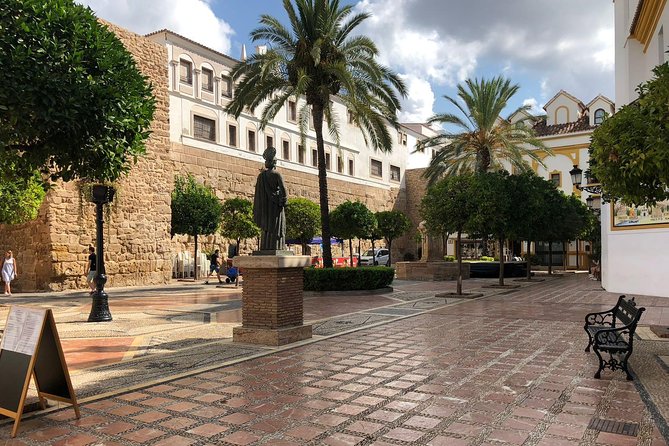
The next stop is Avenida del Mar, with around 15 minutes of guided explanation. This is a useful contrast to the old lanes because it helps show Marbella’s later development and its public face as a resort destination.
The walk does not treat Marbella as a town frozen in the past. Instead, the guide explains how the city developed after the Christian reconquest and how its identity changed over the centuries. That broader view is valuable because the old town makes more sense when you understand that it is one layer of a much newer coastal city.
This section may also help you spot details you would otherwise pass without thought. Several people who have taken the tour after visiting Marbella before found that the guide pointed out places they had never noticed. That is the practical benefit of a good walking guide: the town becomes easier to read.
Capilla San Juan De Dios and the palace from 1502

The route continues to Capilla San Juan De Dios for about five minutes. It is a short stop, but it adds a religious and civic layer to the walk. The guide places the chapel within the story of Christian Marbella rather than treating it as an isolated photo stop.
You then visit or view a magnificent palace dating to 1502. The supplied details do not give the palace a name, so you should not book this expecting a long, formal palace tour. Its value here is as part of the old town’s story, showing the architecture and power structures that followed the return of Christian rule.
The guide’s explanation is the important part. In 90 minutes, the tour cannot spend a full hour inside every building. You get enough context to recognize why the palace matters, then continue through the streets where the town’s history is easier to see as a whole.
A different way to spend the day, same corner of Spain:
- From Málaga & Costa del Sol: Caminito del Rey Guided Tour
★ 4.7 · 7,488 reviews - El Chorro: Caminito del Rey Guided Tour with Shuttle Bus
★ 4.7 · 7,091 reviews - Caminito del Rey: Tour with Official Guide and Drink
★ 4.7 · 6,190 reviews - Málaga: Alcazaba and Roman Theatre Guided Tour With Entry
★ 4.8 · 5,792 reviews
Plaza Altamirano and Marbella’s quieter corners
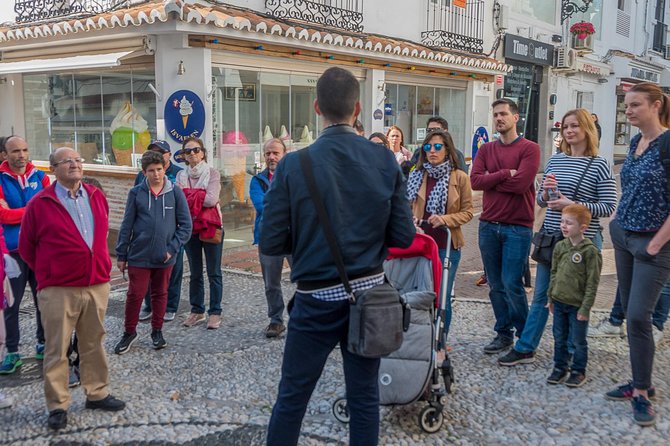
Plaza Altamirano receives roughly 10 minutes. This is the kind of stop that separates a local walking route from a simple checklist of famous sights. A square may look like just another attractive corner until someone explains its role in the old town and points out the surrounding details.
The tour is designed around smaller discoveries as much as headline sights. You move through lanes that can be easy to miss when you are walking from a hotel to the beach or heading straight for Plaza de los Naranjos. The guide’s commentary helps you notice the shape of the neighborhood and the remnants of earlier Marbella.
The pace is described as leisurely by one visitor, while another appreciated that the guide kept the group moving and remained easy to hear from the back. That tells you what to expect: a steady walk with frequent explanations, not a strenuous march and not a completely unstructured wander.
Torre de la Pólvora and the defensive past
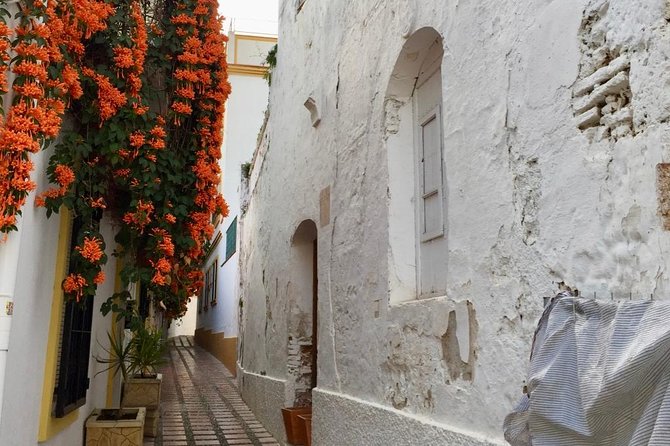
Torre de la Pólvora is another 10-minute stop. The name points to Marbella’s defensive and military past, and the tower helps shift the story away from palaces and pretty plazas.
This is where the route’s historical sequence becomes clearer. You have already heard about the Arab medina and the Christian reconquest. At the tower, the old town feels less like a decorative district and more like a place shaped by security, power, and changing rulers.
The stop is brief, but that works well for a first visit. You get a clear explanation and a chance to look around without being trapped in a long lecture. If you become fascinated by the tower or the old defenses, you can return later with more time.
Plaza de los Naranjos, the classic finish
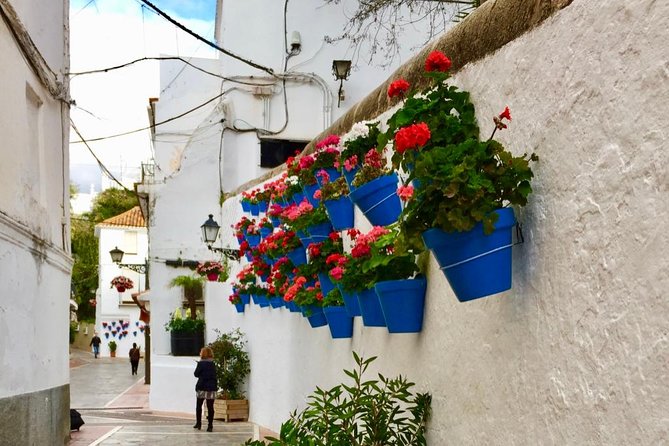
The final stop is Plaza de los Naranjos, where the tour ends after about 10 minutes of guided commentary. This is Marbella’s best-known old-town square and a natural place to finish because it brings together architecture, cafés, orange trees, and the energy of the historic center.
Ending here is convenient. You can stay for a meal, continue exploring on foot, or use the square as a reference point for returning to your hotel. The guide may also offer restaurant recommendations and suggestions for local activities. Several people valued that advice enough to use it later during their stay.
Do not expect the tour to end at the starting point. You begin in Alameda Park and finish in Plaza de los Naranjos. That is not a problem, but it is worth knowing if you have a timed reservation, a parked car, or a meeting elsewhere.
The olive oil tasting is the tour’s best extra
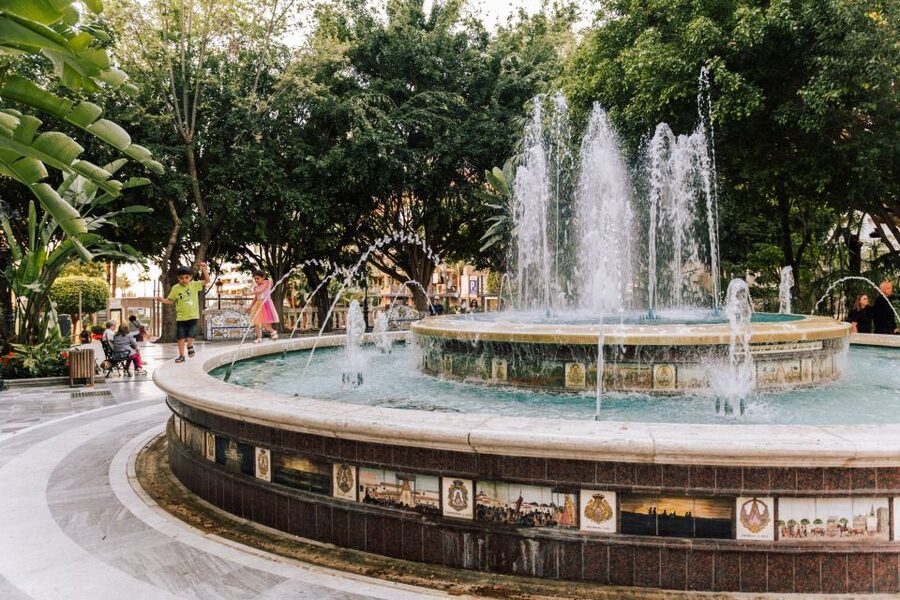
The olive oil tasting is free when available, and it adds genuine value to the walk. Extra virgin olive oil is one of Andalusia’s signature foods, but tasting it properly is different from seeing bottles on a supermarket shelf.
The guide can explain what you are tasting and how olive oil fits into local food culture. The stop often takes place in an olive oil shop in the old town. You may have the chance to compare different oils, ask questions, and buy something to take home. If you only have hand luggage, one person used the shop’s mailing service to send oil home, though you should confirm current shipping arrangements yourself.
Some sessions have also included a glass of wine or another small treat at the end. That should be viewed as a possible bonus, not a guaranteed inclusion. The dependable promise is the olive oil tasting when available.
The tasting also gives the walk a better finish than simply saying goodbye in a square. You have moved through history, then ended with a food tied to the region. It is a small detail, but it makes the experience feel more connected to Andalusia.
The guides make the difference
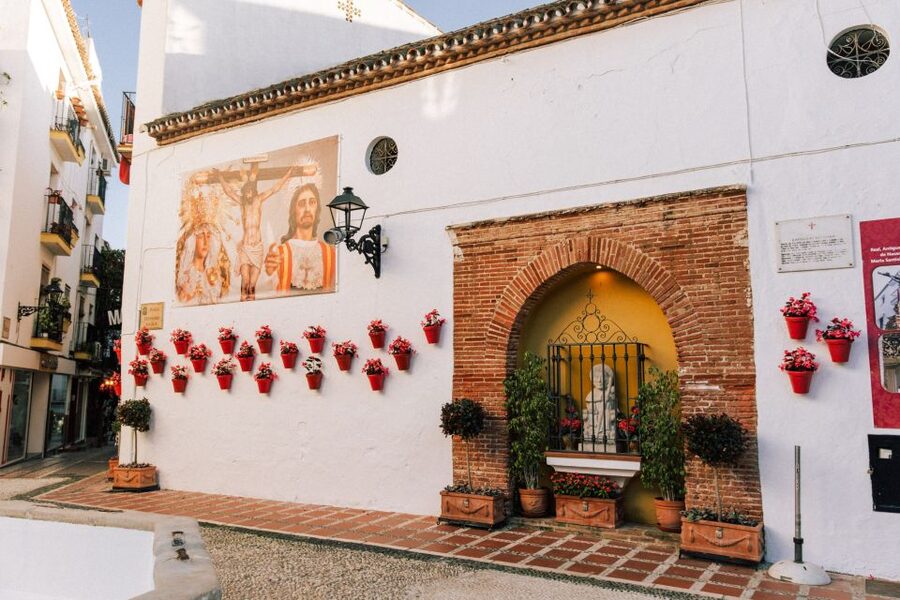
Guide quality matters more on a walking tour than almost anything else. The named guides include Javier, Xavier, Eva, Silvina, Ara, and Sergio appears in connection with recommendations and the tasting stop. Javier and Javi refer to the same guide in some comments.
Javier is repeatedly praised for clear explanations, local pride, humor, and an easy way of handling questions. One group of 11 felt included in the conversation rather than treated as a crowd. Another appreciated that he could be heard from the back while keeping the walk moving at a good pace.
He also seems to be generous with practical advice. Expect suggestions for places to eat and things to do after the tour, though the exact recommendations will depend on your guide and the day. That can be especially useful in Marbella, where a restaurant’s location and atmosphere may matter as much as its menu.
Xavier is also described as friendly and well informed, and Eva has used old photographs to show how Marbella changed over time. Silvina handled a late-arriving group warmly in one session, though you should not assume a guide can always wait for delays. The tour runs with a minimum of four people, and timing matters.
The high rating of 4.9 from 111 reviews points to consistent satisfaction, but I would still keep expectations realistic. The experience depends partly on the guide assigned to your date, the group size, and whether the tasting is available.
Who should book this tour?
This walk suits first-time visitors who want a quick but meaningful introduction to Marbella. It is also useful if you have stayed in the resort area before and want to see the old town with fresh eyes. One person who had visited for many years still found unfamiliar places along the route.
Families can use it as a manageable history lesson because the walk lasts only 90 minutes. Couples and solo visitors may appreciate the restaurant tips and the small-group setting. It also works well near the beginning of a trip, when you want local suggestions before choosing where to eat.
You may want something else if you prefer long interior visits, extensive museum time, or a private guide setting the pace around your interests. This is a group walk with several short stops. It gives you a broad introduction rather than a detailed study of one building.
The tour is in English only. You should be comfortable listening while walking and standing outdoors. Since the activity takes place rain or shine, poor weather may make the experience less pleasant even though it will still operate.
Timing, price, and practical planning
The duration is 1.5 hours, with availability depending on the selected start time. The tour costs $29 per person. For a guided old-town walk that includes a licensed local guide and a possible olive oil tasting, I consider that a fair price.
You can cancel up to 24 hours before the start for a full refund, and you can reserve now and pay later. Those terms are useful if your Andalusia plans are still shifting. The minimum group requirement of four people is the main operational detail to watch.
Book a morning or late-afternoon slot if you want to avoid the strongest sun, though the best time depends on availability. Wear comfortable shoes, carry water, and bring sun protection. Do not plan a tight connection immediately afterward, since the group may finish a few minutes later than expected and you may want to continue exploring Plaza de los Naranjos.
My verdict: a smart introduction to Marbella
I would book this tour if I wanted to understand Marbella beyond its resort image. The route covers the Arab medina, Christian-era landmarks, a palace from 1502, a defensive tower, and the city’s most famous square, all in a manageable 90 minutes.
The best reasons to choose it are the strong local guiding, the useful food and restaurant advice, and the olive oil tasting that gives the walk a distinctly Andalusian finish. The main limits are the short duration, group format, English-only delivery, and tasting subject to availability.
Book it early in your stay if you want orientation. Skip it only if you already know the old town well and prefer to explore at your own pace without scheduled stops. For $29, this is an efficient way to see the layers of Marbella and leave with a better sense of where to return.
FAQ
Where does the Marbella old-town tour begin?
Meet your guide by the Virgen del Rocio fountain in the center of Alameda Park.
Where does the tour finish?
The tour finishes in Plaza de los Naranjos.
How long does the walking tour last?
The experience lasts 1.5 hours.
Is the olive oil tasting included?
The extra virgin olive oil tasting is free when available. It is subject to availability, so it cannot be guaranteed for every session.
What language is the tour conducted in?
The live tour guide speaks English.
What should I bring?
Bring comfortable shoes, a sun hat, sunscreen, and water. The tour operates rain or shine.
Is the tour wheelchair accessible?
The activity is listed as wheelchair accessible.
How many people are needed for the tour to operate?
A minimum of four people is required for the tour to run.
Recently reviewed around Malaga & Costa del Sol
- From Marbella: Canyoning Tour in Guadalmina Canyon★ 5.0 · 778 reviews
- Torremolinos: Crocodile Park Entrance Ticket★ 3.7 · 309 reviews
- Torremolinos: Flamenco Show with Drinks★ 4.6 · 290 reviews
- Selwo Aventura Admission Ticket with Skip-the-Line Access★ 4.2 · 151 reviews
- Tour to Gibralfaro★ 4.7 · 182 reviews
- Ronda: Spanish – Classical & Flamenco – Guitar Concert★ 4.8 · 108 reviews
- Ronda: Guided Walking Tour★ 4.6 · 104 reviews
- From Costa del Sol: Ronda and Setenil de las Bodegas★ 4.5 · 149 reviews
Malaga & Costa del Sol Tours, compared.
Caminito del Rey Guided Tour with Transportation
Read our review →
Caminito del Rey: Guided Tour and Entry Ticket
Read our review →
From Málaga & Costa del Sol: Caminito del Rey Guided Tour
Read our review →
Caminito del Rey Guided Tour with Shuttle Bus
Read our review →
Caminito del Rey: Tour with Official Guide and Drink
Read our review →
Alcazaba and Roman Theatre Guided Tour With Entry
Read our review →
Browse the lists this tour appears in