
Reviewed · HISTORICAL TOURS
Málaga: Historic Center Tour with Local Guide
Málaga’s story unfolds in a compact walk, from the Roman Theatre to the unfinished Cathedral, Moorish Alcazaba, Picasso’s birthplace, and the food stalls of Atarazanas Market. I like the way this tour connects grand monuments with ordinary city life, including restaurant tips and a taste of traditional products. I also like that Igor often keeps the pace relaxed and adds humor to the history.
The main consideration is time. Two hours is enough for a useful introduction, but not enough for long interior visits or a full look at each monument. The Cathedral stop is listed at about 15 minutes, and the tour may feel more like a lively orientation than a detailed archaeological or art-history study.
In This Review
- Key points at a glance
- Why this short Málaga walk works
- Starting at Plaza de la Aduana
- Roman Theatre and the Alcazaba
- Picasso, Plaza de la Merced, and the modern city
- Málaga Cathedral and the story of La Manquita
- Constitution Square and the old-town streets
- Atarazanas Market and the tasting
- Igor’s guiding style
- What $23 gets you
- Who should book this walk?
- Practical details before you go
- Should you book it?
- FAQ
- How long does the Málaga historic center tour last?
- How much does the tour cost?
- Where does the tour start?
- How can I identify the guide?
- Where does the tour end?
- What languages are available?
- Is the tour wheelchair accessible?
- What should I bring?
Key points at a glance
- Roman Theatre and Alcazaba together: See Málaga’s Roman foundations and Moorish past in the same part of town.
- A short look inside major sights: The route includes Málaga Cathedral, the Picasso Museum area, and important old-town squares.
- Igor’s personal recommendations: Ask about local places such as El Gallo Ronco and Las Chinitas for food and drinks.
- Traditional tasting included: The walk is not only about buildings, with local products built into the experience.
- Atarazanas Market finish: End near one of Málaga’s best-known food markets and get a feel for daily city life.
- Good practical flexibility: The tour costs $23, lasts two hours, allows cancellation up to 24 hours before departure, and is wheelchair accessible.
Why this short Málaga walk works
Málaga can be easy to underestimate. Many visitors arrive for the coast, museums, or airport connection, then find that the old center has layers reaching from the Roman period through Islamic rule, Christian Spain, and the modern art scene.
This tour gives you a clear first look at those layers without asking you to spend half a day indoors. You walk from Plaza de la Aduana through the old center, stopping at major sights while your guide explains how the city changed over time.
I especially like this format for a first morning in Málaga. You get your bearings, learn which streets and squares matter, and finish with ideas for eating and exploring on your own. Igor has been praised for explaining complicated history in clear language, keeping the mood light, and offering practical suggestions for the rest of your stay.
The trade-off is depth. A two-hour walk cannot give every monument the attention it deserves. If your main goal is a serious visit to the Cathedral, Alcazaba, or Picasso Museum, you should plan separate admission and extra time afterward.
More history-led days around Malaga & Costa del Sol:
- Madrid Essential: Historic Center, Plaza Mayor & Royal Palace
★ 5.0 · 6,416 reviews - Barcelona: Tapas Walking Tour with Food, Wine, and History
★ 4.8 · 4,261 reviews - Sevilla Food Tour: Tapas, Wine, History & Traditions
★ 5.0 · 3,468 reviews
Starting at Plaza de la Aduana
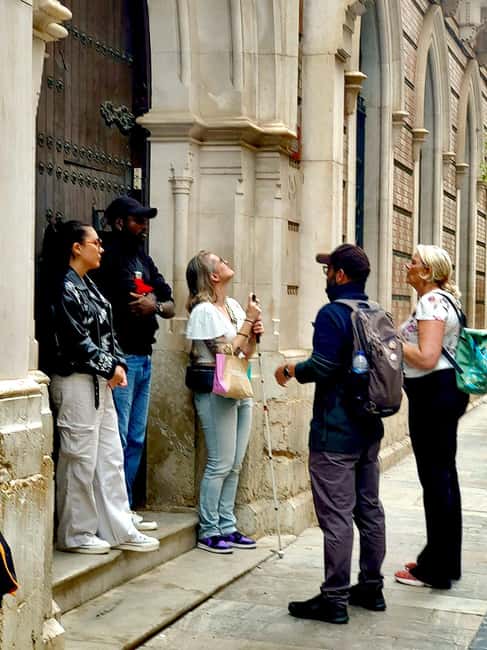
The meeting point is the white tourist information point in Plaza de la Aduana, next to the Alcazaba. Your guide wears a black cap, which helps, although the square can be busy and one person found that a clearer sign would have made the meeting easier.
Allow a few extra minutes to locate the group. The square is central and can be reached on foot from Málaga Centro-Alameda train station or from the Muelle Heredia bus station. Starting beside the Alcazaba also puts you right in the middle of Málaga’s main historic district.
This is a walking tour, so comfortable shoes matter. Málaga’s old center has narrow streets and hard paving, while the Andalusian sun can be strong. Bring water, sunscreen, and a hat. The activity is listed as wheelchair accessible, but the old-town setting still means it is sensible to confirm any personal mobility needs when booking.
Roman Theatre and the Alcazaba
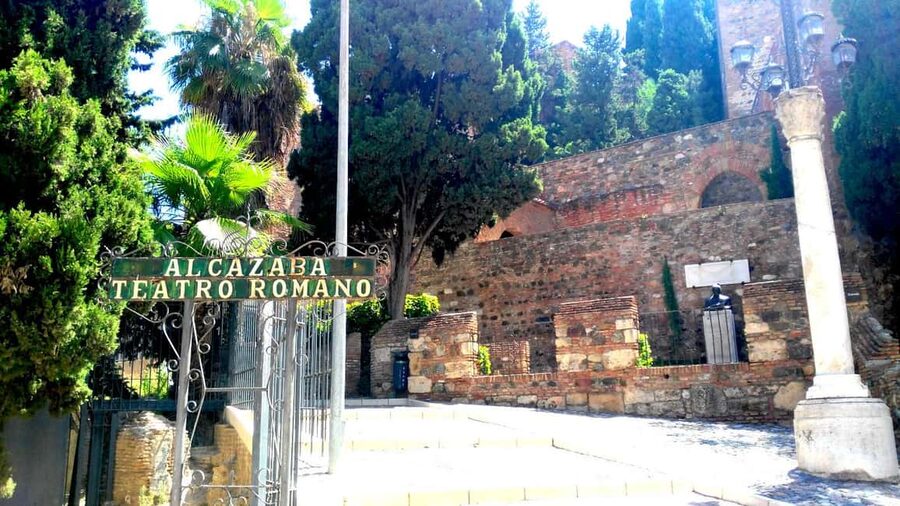
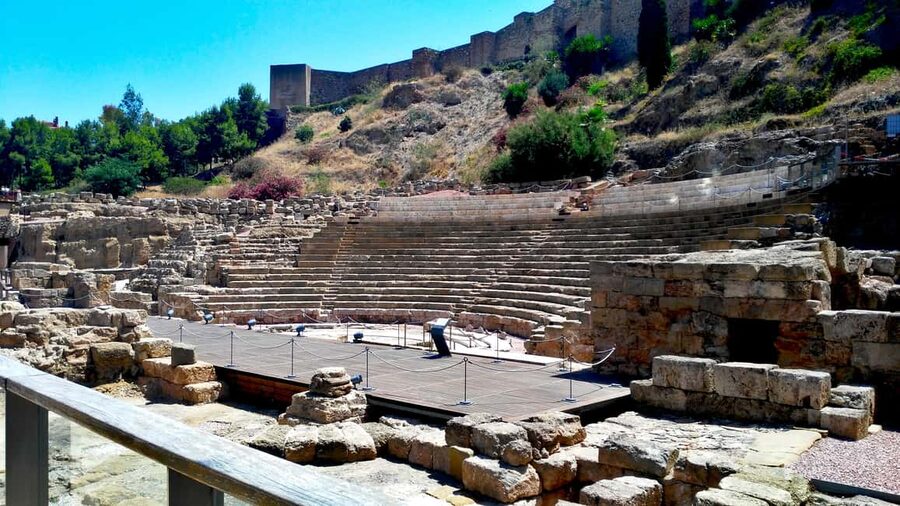
The first substantial stop is the Roman Theatre, dating from the first century BC. It gives the tour an immediate sense of age and scale. You are not starting with a vague old-town stroll. You are looking at one of the clearest reminders that Málaga was an important settlement long before its modern port and resort life.
The guided visit here lasts about 15 minutes. That is enough for the main explanation and a good look at the remains, but not a full archaeological session. I would listen for the guide’s explanation of how the theatre fits into the wider Roman city, then return later if you want more time with the site.
Above the theatre is the Alcazaba, a Moorish fortress at the foot of Gibralfaro hill. The experience includes exploration of the Alcazaba area, although the stated route does not give a separate long interior visit or extended climb. That distinction matters. You should expect useful context and views of this major landmark, not a complete fortress tour.
The pairing is excellent. Roman Málaga sits at ground level, while the Alcazaba reflects the city’s later Islamic period. In a short distance, you can see how one ruling culture built over and around the remains of another.
Picasso, Plaza de la Merced, and the modern city
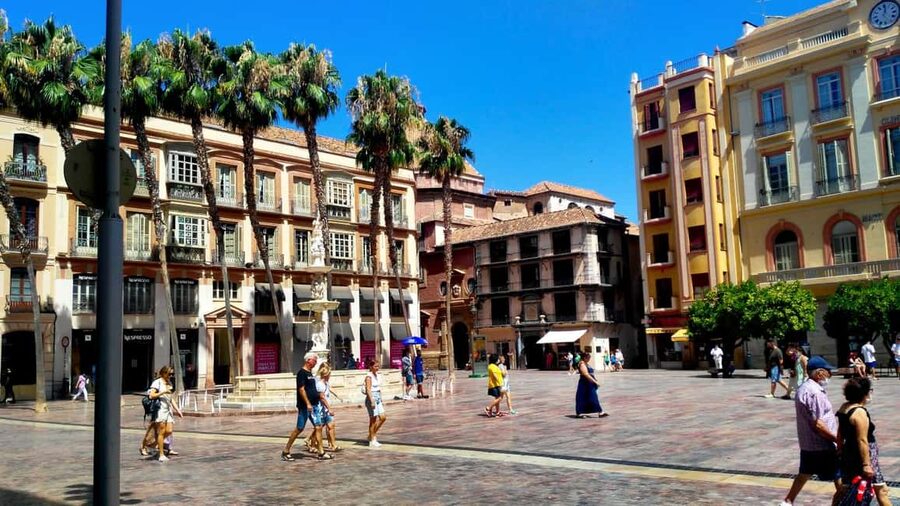
The next part of the walk brings Málaga’s most famous modern son into the story. You see the Picasso Museum area and learn about Pablo Picasso’s connection to the city. The route also includes Plaza de la Merced and Picasso’s birthplace among its highlighted sights.
The guided portion at the Picasso Museum is listed at about 15 minutes. Do not mistake this for a full museum visit. It is better understood as an introduction to Picasso’s Málaga and a useful pointer for deciding if you want to return for the collection.
I like this change of subject. Without it, a historic-center tour can become a parade of churches, fortifications, and dates. Picasso shows how Málaga’s identity continues into modern art and culture. It also gives the guide a chance to connect the old city with the creative side of present-day Málaga.
If you are visiting the museum itself, save time for a separate visit. The short stop should help you understand why it matters, but it will not replace seeing the galleries.
More Malaga & Costa del Sol trips worth a second look
- Málaga: Caminito del Rey Guided Tour with Transportation
★ 4.8 · 12,183 reviews - Caminito del Rey: Guided Tour and Entry Ticket
★ 4.6 · 11,286 reviews - From Málaga & Costa del Sol: Caminito del Rey Guided Tour
★ 4.7 · 7,488 reviews - El Chorro: Caminito del Rey Guided Tour with Shuttle Bus
★ 4.7 · 7,091 reviews
Málaga Cathedral and the story of La Manquita
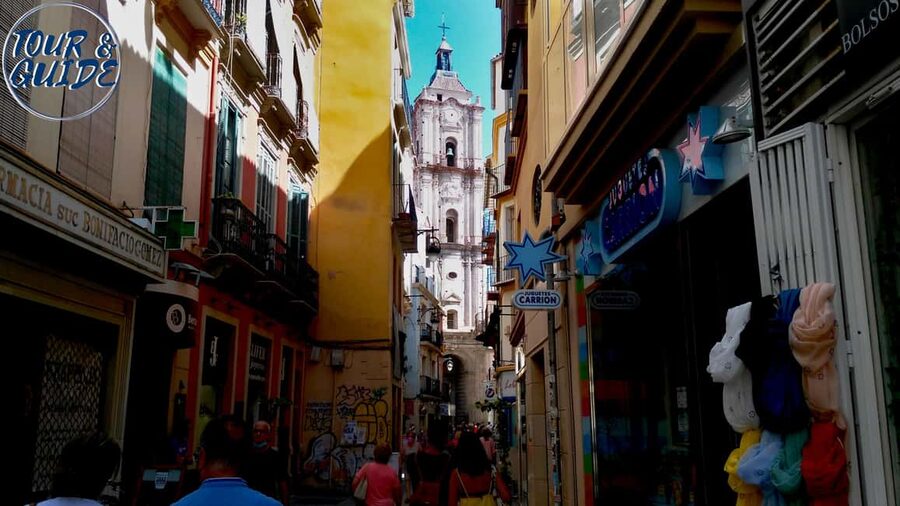
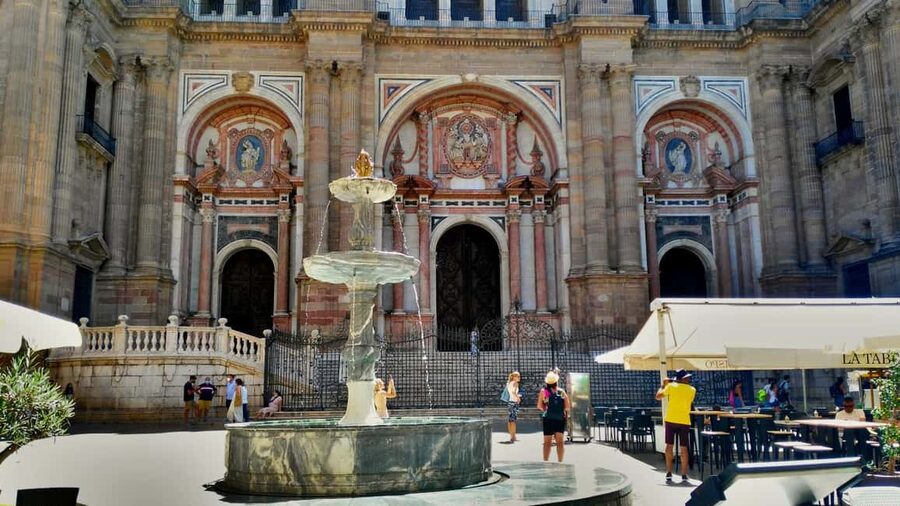
Málaga Cathedral is the architectural centerpiece of the walk. Its formal name is Catedral de la Encarnación, and it is a Renaissance masterpiece with a famous unfinished second tower.
Locals call it La Manquita, or the one-armed lady, because the missing tower gives the building its distinctive profile. The story of the incomplete tower is one of the most useful details to hear on a walking tour because it turns an imposing facade into something personal and memorable.
The visit is listed at about 15 minutes. That is enough to admire the design and hear about its construction, but it is a short stop for a major church. If you care about religious art, architecture, or the Cathedral’s interior, I would return later with more time.
The religious material is part of Málaga’s history, not a side issue. Still, one participant felt that this subject took up more attention than they preferred. If you are less interested in church history, you may find this section a little heavy. The guide’s clear storytelling and the short format help keep it moving.
Constitution Square and the old-town streets

From the Cathedral, the walk continues through the narrow streets of the old center toward Constitution Square. This is where the tour’s broader explanation of Málaga’s public life becomes useful.
The square is a natural place to pause and understand how the city’s old center works. Rather than treating each monument as an isolated stop, the guide links the streets, churches, squares, and commercial areas into one story. You get a sense of how Málaga developed beyond its Roman and Moorish foundations.
The streets themselves are part of the attraction. You pass handsome buildings, active squares, and corners that are easy to miss when you are simply following a map to the next big sight. Igor has been especially appreciated for showing places of general interest along with the formal landmarks.
The route is also a practical introduction to where you may want to return. Ask your guide about restaurants and bars during the walk. Specific recommendations have included El Gallo Ronco and Las Chinitas, both described as enjoyable and good value. Recommendations are never a substitute for your own taste, but they can save you from eating at the first place with a menu outside.
Atarazanas Market and the tasting
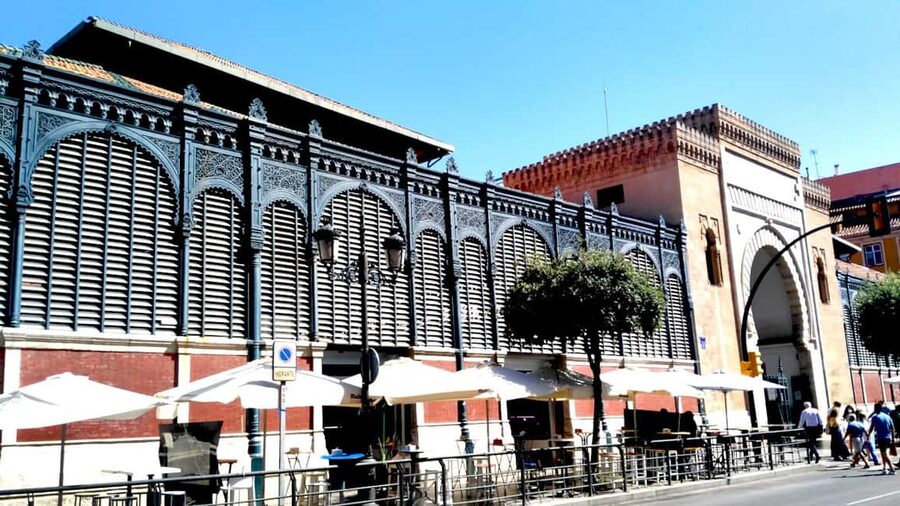
The final named stop is Mercado Central de Atarazanas, Málaga’s central market. It brings the walk back from monuments to food, trade, and everyday life.
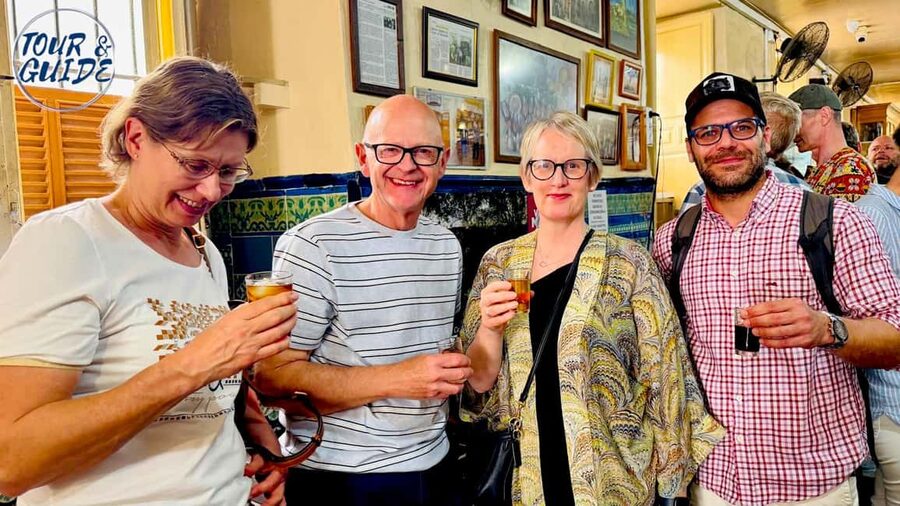
Atarazanas is a fitting ending because markets explain a city in a different way. Here, the focus is not only on royal buildings or famous artists. You get a look at the products and habits that still shape local life. The tour includes a tasting of traditional products, which adds a small but welcome sensory element to the history.
The exact tasting selection is not specified, so do not book expecting a particular dish or drink. Think of it as a brief introduction rather than a meal. You will still want to plan lunch or tapas separately.
An end-of-tour surprise is also included. Its contents are not stated in advance, which is the point, but the combination of tasting and surprise gives the final part a social feel. Some groups have also enjoyed a winery stop at the end, though you should confirm the exact plan on the day rather than treat that as guaranteed.
The activity ends back at the original meeting point. That makes it easy to continue sightseeing, revisit the market, or walk back toward the station.
Igor’s guiding style
The guide can lead in English or French. Igor is the guide most often identified with this experience, and the feedback about him is remarkably consistent: he explains Málaga’s past clearly, answers questions, keeps a comfortable pace, and adds humor without turning the tour into a comedy routine.
That style matters in Málaga. The city’s story includes Roman settlement, Moorish rule, Christian buildings, religious traditions, political change, Picasso, and the modern art scene. A guide who simply recites dates can lose you quickly. Igor appears to make the information easier to follow by mixing facts with stories and present-day observations.
He also tends to spend extra time when the group allows. Several people had very small groups, sometimes only two or six participants, which meant more chances to ask questions. Group size can change, so do not count on a private experience, but the format does leave room for conversation when numbers are low.
The personal tips are another strength. You can ask about places to eat, local bars, and what to see after the tour. That is often where a short city walk earns its keep. The monuments help you understand Málaga, but the practical advice helps you use the city that same evening.
What $23 gets you
At $23 per person, this is a reasonable price for a two-hour guided introduction in a major Spanish city. You are paying for a live guide, a carefully chosen route, explanations at the principal sights, a traditional tasting, and an end surprise.
The value is strongest if you are new to Málaga or have only a short stay. A good guide can save you time by showing how the Roman Theatre, Alcazaba, Cathedral, old center, Picasso sites, and market fit together. You also leave with a better plan for your own meals and museum visits.
The value is weaker if you already know the center well or want extended access to the major monuments. The short stops do not allow detailed exploration, and the experience does not list separate admission to every attraction. Consider it a city orientation with selected visits, not a full sightseeing pass.
Free cancellation up to 24 hours before the start and the option to reserve now and pay later make the booking less rigid. That is useful when your Andalusia plans are still shifting.
Who should book this walk?
I would choose this tour for first-time visitors, cruise passengers, couples, families with older children, and anyone who wants history explained in plain language. It also suits people who prefer a manageable two-hour walk rather than a long museum-heavy excursion.
It is a good fit if you want both famous sights and local advice. The route covers the expected highlights, but the guide also points out restaurants, bars, less formal places of interest, and the changing character of Málaga.
You may want something else if you prefer a specialist tour focused on Picasso, Roman archaeology, religious art, or the Alcazaba alone. You should also plan separate visits if entering every major building is your priority.
Practical details before you go
Meet at the white tourist information point in Plaza de la Aduana, next to the Alcazaba. Look for the guide’s black cap, and arrive early enough to find the group in the square.
The walk lasts two hours, with several stops of around 15 minutes. Wear comfortable shoes, carry water, and use sun protection. English and French tours are available, and the activity is listed as wheelchair accessible.
Because the walk ends back at the meeting point, you can easily continue to the Cathedral, Alcazaba, market, or nearby restaurants afterward. I would avoid scheduling a tight train connection immediately after the tour, since the guide may spend a little extra time with the group.
Should you book it?
Book it if you want a friendly, compact introduction to Málaga’s past and present. The strongest reasons are the route, the clear storytelling, the market and tasting, and Igor’s useful advice about where to eat and drink.
Do not book it expecting a long, detailed visit inside each monument. At $23, this works best as a first orientation. Take the walk early in your stay, note the places you want to revisit, then return to the Cathedral, Alcazaba, Picasso Museum, or market at your own pace.
FAQ
How long does the Málaga historic center tour last?
The tour lasts two hours. Starting times vary, so check availability when booking.
How much does the tour cost?
The price is $23 per person.
Where does the tour start?
It starts at the white tourist information point in Plaza de la Aduana, next to the Alcazaba in Málaga.
How can I identify the guide?
The guide will wear a black cap.
Where does the tour end?
The activity ends back at the original meeting point in Plaza de la Aduana.
What languages are available?
The live tour guide is available in English and French.
Is the tour wheelchair accessible?
Yes. The activity is listed as wheelchair accessible.
What should I bring?
Bring comfortable shoes, a sun hat, sunscreen, and water.
Recently reviewed around Malaga & Costa del Sol
- From Marbella: Canyoning Tour in Guadalmina Canyon★ 5.0 · 778 reviews
- Torremolinos: Crocodile Park Entrance Ticket★ 3.7 · 309 reviews
- Torremolinos: Flamenco Show with Drinks★ 4.6 · 290 reviews
- Selwo Aventura Admission Ticket with Skip-the-Line Access★ 4.2 · 151 reviews
- Tour to Gibralfaro★ 4.7 · 182 reviews
- Ronda: Spanish – Classical & Flamenco – Guitar Concert★ 4.8 · 108 reviews
- Ronda: Guided Walking Tour★ 4.6 · 104 reviews
- From Costa del Sol: Ronda and Setenil de las Bodegas★ 4.5 · 149 reviews
Historical Tours, compared.
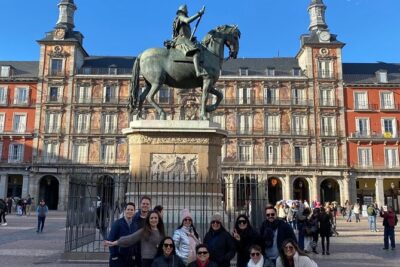
Madrid Essential: Historic Center, Plaza Mayor & Royal Palace
Read our review →
Tapas Walking Tour with Food, Wine, and History
Read our review →
Sevilla Food Tour: Tapas, Wine, History & Traditions
Read our review →
Valencia Old Town Tour with Wine & Tapas in 11th Century Historic Monument
Read our review →
Barcelona Tapas Walking Tour: Food, Wine & History
Read our review →
Ultimate Seville Tapas, Wine & History Small Group Tour
Read our review →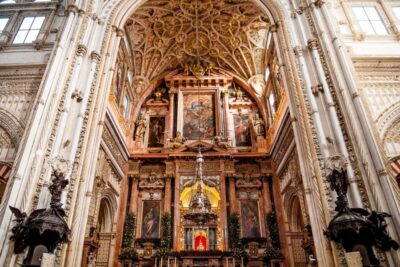
Skip-the-Line Great Mosque-Cathedral History Tour
Read our review →
Browse the lists this tour appears in