
Reviewed · WINE TOURS
Madrid Region Wineries Guided Tour with Wine Tastings
Madrid’s wine country hides in plain sight. In about 35 minutes, you leave the city behind for vineyards, old villages, and family cellars where wine is still made with methods passed down through generations. The most memorable part is not simply the tasting. It is meeting the people who make the wine and hearing why their small wineries still matter.
I like the mix of three genuinely different wineries and the chance to taste at least nine wines rather than rushing through one large commercial estate. I also like the old caves, historic towns, clay pots, and local snacks served along the way. The main drawback is that the generous pours can add up quickly, so this is not a good fit if you want a restrained tasting or need to stay completely sharp afterward.
In This Review
- Key points at a glance
- Why Madrid’s wine country is worth your morning
- Leaving Madrid from Conde de Casal
- Chinchón: wine with a postcard setting
- Colmenar de Oreja and its old wine cellars
- What the tastings are really like
- The food: enough for a light meal
- How the six hours are divided
- Is $171 a fair price?
- Who should book this wine outing?
- Practical tips for a better day
- Should you book the Madrid wineries tour?
- FAQ
- Where does the tour meet in Madrid?
- How long does the tour last?
- How many wineries will I visit?
- How many wines are included?
- Is lunch included?
- Can children join the tour?
Key points at a glance
- Three family wineries: Compare a boutique producer, a modernized traditional cellar, and historic underground wine caves.
- At least nine wines: Each stop usually includes three or more varieties, with local appetizers.
- Winemakers tell the story: Family owners and later generations often lead the visits themselves.
- Chinchón and Colmenar de Oreja: See two attractive historic towns beyond Madrid’s city center.
- A short country escape: Round-trip transport takes you from Conde de Casal into Madrid’s wine region and back in six hours.
- Small-group format: Groups range from four to 20 people, with about eight participants on an average outing.
Why Madrid’s wine country is worth your morning
Madrid is not the first Spanish place that comes to mind for wine. Rioja, Ribera del Duero, and Jerez usually get the attention. Yet the Community of Madrid has more than 900 years of wine making behind it, and its wines carry the Denomination of Origin Vinos de Madrid.
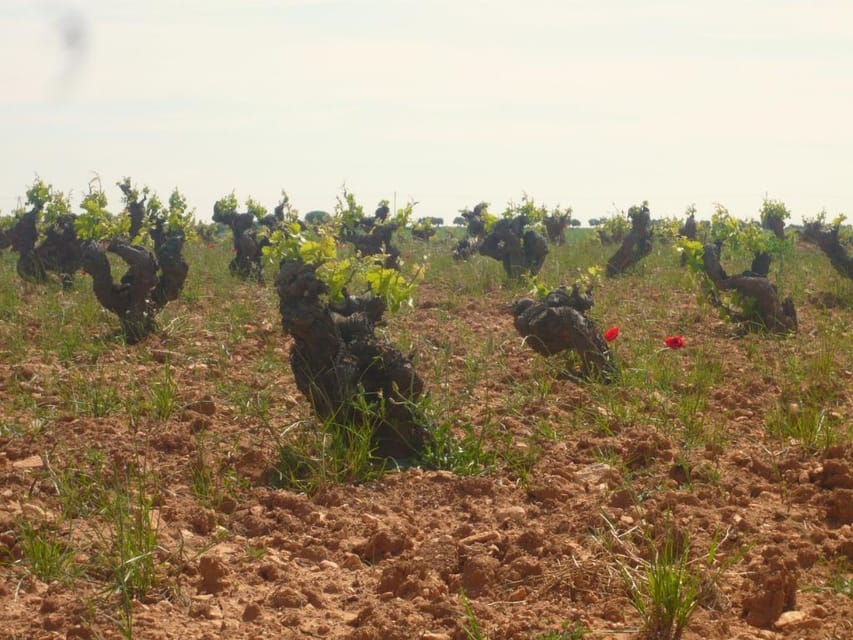
This tour takes you into the southern wine area fed by the Tagus and nearby rivers. The countryside is marked by rows of vines, olive trees, almond trees, and broad open views. You get a useful sense of place before the first glass arrives.
The area supplied Madrid with wine after the Castilians took the city from Moorish rule. Wine later appeared in the work of Cervantes and other writers and painters of Spain’s Golden Century. That background gives the tastings more meaning. You are not just sampling bottles near the capital. You are visiting an old food and trade network that helped stock royal tables, taverns, and ordinary homes.
The tour is especially useful if you are staying in Madrid without a car. You get a country outing, a guide, and a safe ride back to the city without trying to piece together regional buses or arrange a designated driver.
More Madrid trips worth a second look
- Toledo Tour & Vineyard Walk with Wine Tasting from Madrid
★ 5.0 · 2,546 reviews - Madrid: Tapas & Wine Tasting Tour with Local Guide
★ 4.8 · 2,171 reviews - Madrid Tapas & Wine Tour with Rooftop Views and Local Guide
★ 5.0 · 2,047 reviews
Leaving Madrid from Conde de Casal
The meeting point is at the front door of the cafeteria at Hotel Claridge, at Plaza del Conde de Casal, 6. The Conde de Casal Metro station, on Line 6, is close by, which makes the start easy to reach from central Madrid.
Be aware that the hotel cafeteria facilities are for hotel customers only. You can meet outside at the stated point, but do not plan on using the cafeteria as a waiting room unless you are staying there.
The drive to the countryside takes about 35 minutes. That is a major advantage over a full-day wine excursion to a distant Spanish region. You spend less time on the road and more time with the wineries. The return drive takes about 40 minutes, with short transfers between the towns and stops.
The group size is small enough for conversation. The minimum is four people and the maximum is 20, while the average group is around eight. A smaller group makes it easier to ask about grape varieties, family business decisions, and the wines in your glass. A full group of 20 will feel less personal, especially inside a narrow cellar.
Guides vary. Antonio, Nacho, Enrique, Ismael, Muna, and others have led outings, and the strongest praise consistently goes to guides who combine wine facts with humor and local context. The tour runs in English and Spanish, and both languages can be used at the same time if needed.
Chinchón: wine with a postcard setting
Chinchón is the first major stop. Its name is tied to one of the prettiest squares in the area, and its old streets give you a quick taste of the region beyond the cellar door.
The winery visit lasts about 75 minutes. You tour the property, hear about its production, and taste at least three wines with local snacks. The exact winery can vary, but past outings have included Bodegas Andrés Morate and Bodegas Peral.
The appeal here is comparison. One stop may feel like a small boutique operation, while another combines an old family tradition with newer equipment. That contrast helps you understand that family-owned does not always mean one fixed style. Some producers hold tightly to old methods. Others use modern techniques while keeping control of the business in the family.
The tastings are not limited to one red. You can expect different varieties and styles, with Tempranillo playing an important role in the region’s full-bodied reds. The supplied details promise at least three wines per winery, for a minimum of nine during the day.
The food is light, not a formal lunch. Depending on the stop, snacks can include cheese, olives, meat, hummus, pastries, and other local items. They are useful between tastings and give you a better feel for how the wines work with Spanish food.
After the winery, there is about 25 minutes for sightseeing and scenic views in Chinchón. Do not expect a long town tour. This is a short pause to see the setting, stretch your legs, and take in the village before the next transfer.
Colmenar de Oreja and its old wine cellars
The group then drives about 25 minutes to Colmenar de Oreja. This town is recognized as a historic site and cultural asset, and it has long ties to wine production and stone working.
Two winery visits take place here, each lasting about 75 minutes. One is reached by a seven-minute walk, so wear shoes that you can comfortably use on town streets and cellar floors. The walking portion is short, but the tour is not designed for wheelchair users.
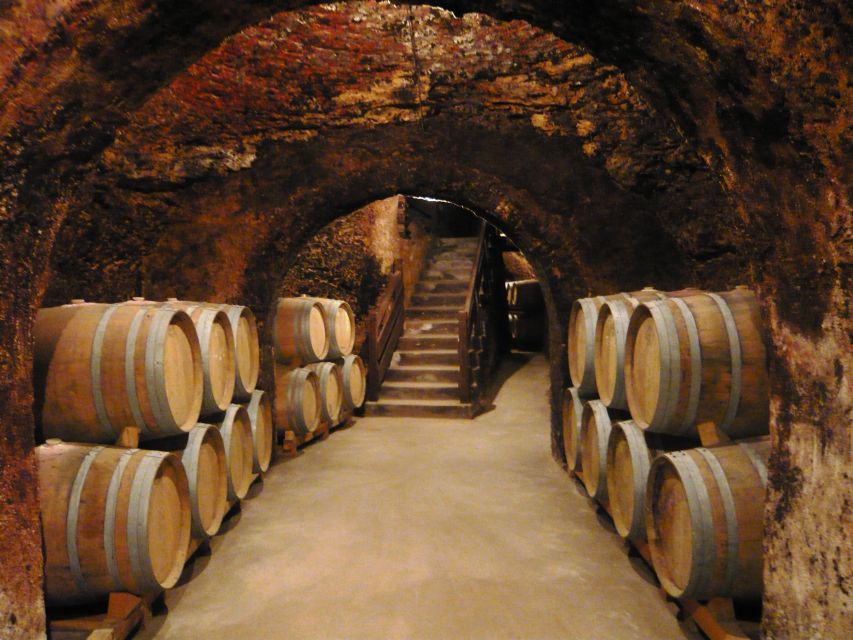
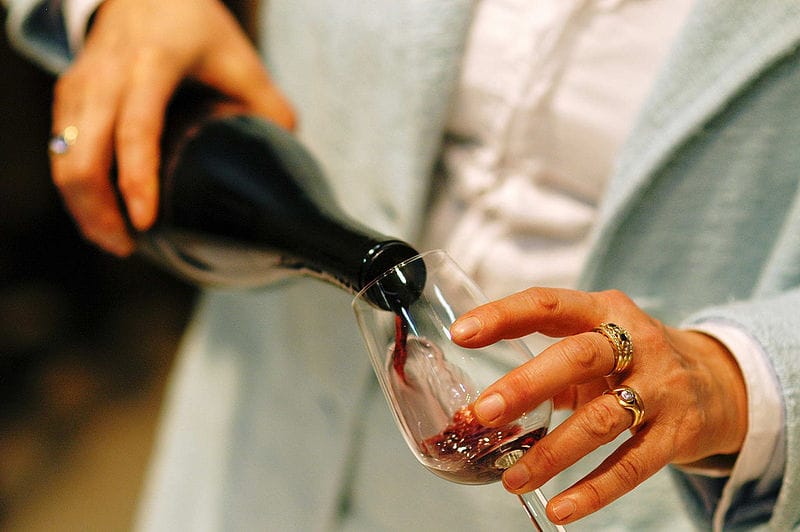
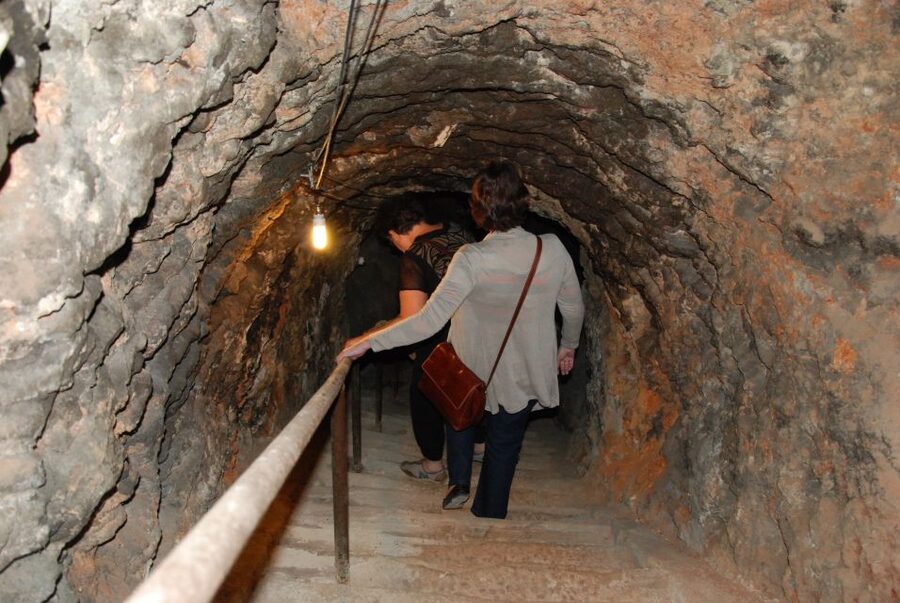
This is where the experience becomes more than a standard tasting. You may pass through centuries-old caves where wine ages underground. These spaces show the practical side of traditional wine making: steady temperatures, darkness, and thick stone walls have long helped protect wine before modern climate control.
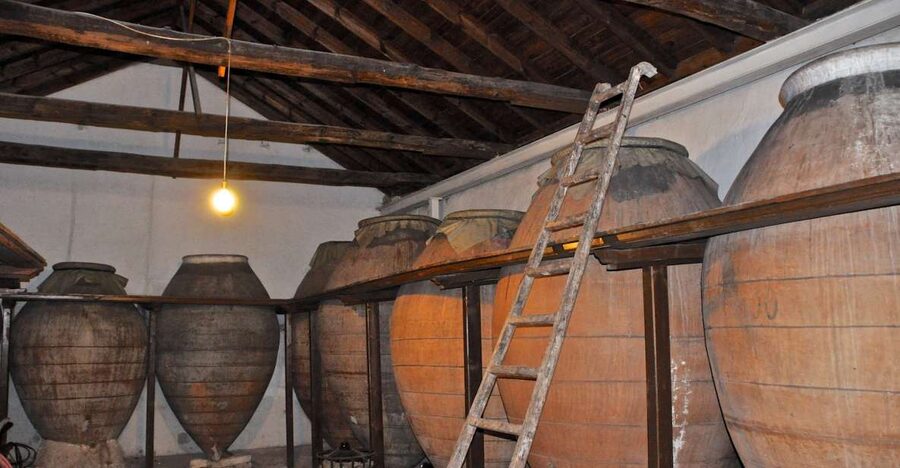
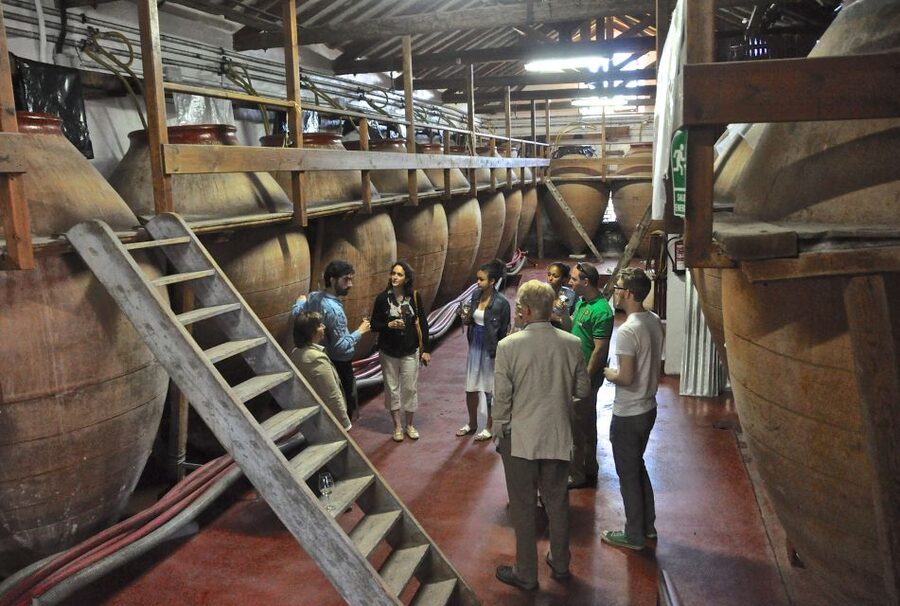
Another unusual feature is the clay pot tradition. One winery continues to make wine in clay vessels more than 100 years old. That is a memorable counterpoint to stainless steel tanks and contemporary cellar equipment. You can see how the region’s producers balance old customs with current methods.
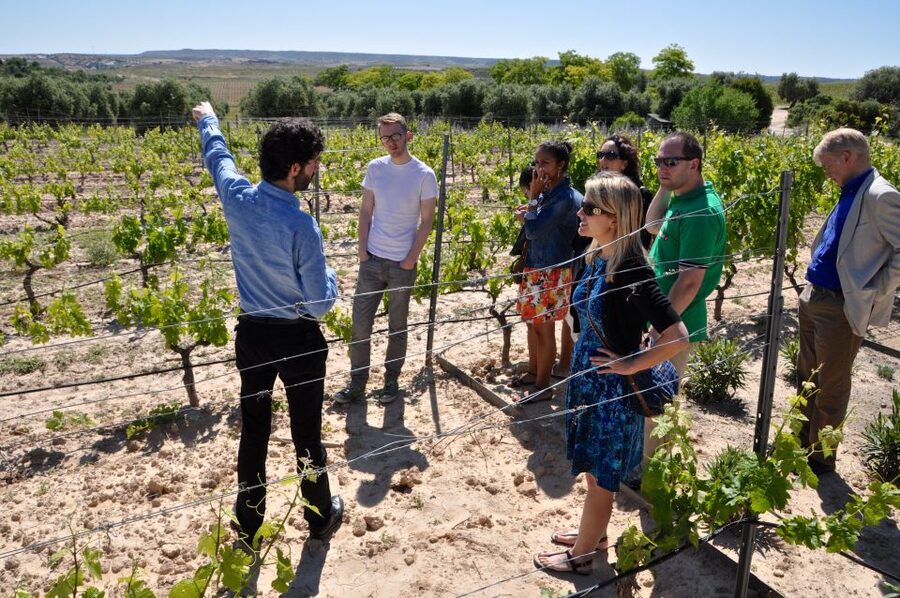
The family connection is central. At some stops, third or fifth-generation winemakers welcome the group and explain the work themselves. The experience is more personal than a scripted talk. You may hear family anecdotes, see rooms that feel like working cellars rather than visitor centers, and ask direct questions about the wines.
One past visit included a historic 1983 rosé offered as an optional shared purchase at the last stop. That bottle is not part of the stated inclusions, and availability cannot be assumed, but it shows the sort of special extra that can appear during a family-hosted visit. If a rare bottle is offered, ask about the price before agreeing to share it.
A different way to spend the day, same corner of Spain:
- Madrid: Tour Bernabéu Entry Ticket
★ 4.5 · 21,573 reviews - Madrid: Prado Museum Entry Ticket
★ 4.6 · 17,509 reviews - Madrid: Royal Palace Fast-Access Admission Ticket
★ 4.6 · 13,856 reviews - Madrid: “Emociones” Live Flamenco Performance
★ 4.8 · 12,866 reviews
What the tastings are really like
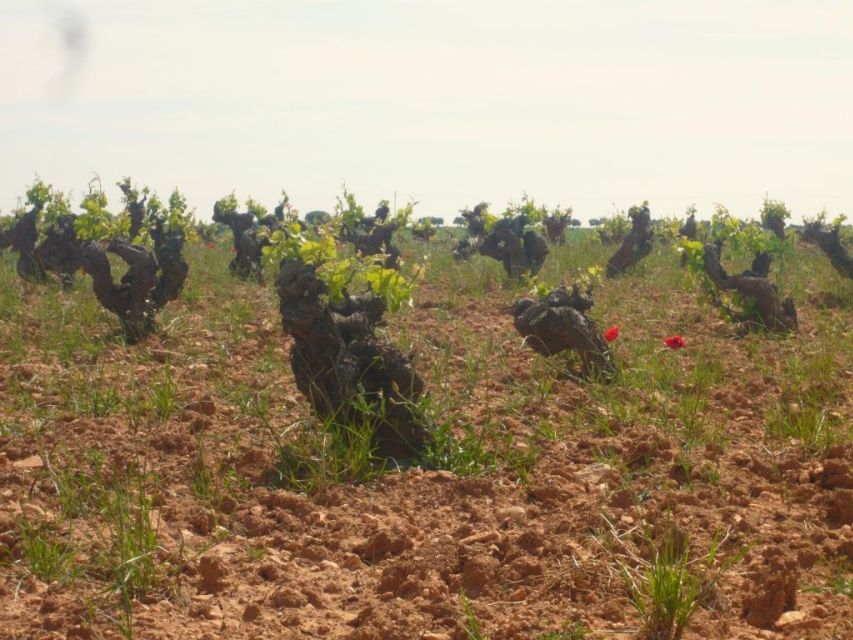
The official promise is at least nine wines, three at each winery. In practice, the tasting style can be generous. At some stops, glasses are refilled freely, and the amount can feel closer to sustained drinking than a tiny professional tasting.
That is enjoyable if you want a relaxed social day. It also means you should eat breakfast, drink water when available, and avoid scheduling a demanding activity immediately afterward. The tour does not allow intoxication, but the best way to avoid overdoing it is to pace yourself.
You do not need advanced wine knowledge. A good guide explains the grapes, aging, fermentation, and local conditions in plain terms. Antonio has been praised for mixing facts with jokes. Nacho is known for keeping a group engaged while explaining the wineries and the area. Enrique has been praised for detailed explanations and a warm group manner, while Ismael has guided visitors through the full process from grape growing to fermentation and aging.
The bilingual format can affect the rhythm. If English and Spanish are both needed, explanations may take longer or alternate between languages. For an English-speaking visitor, the tradeoff is useful access to Spanish-speaking winemakers and a more natural exchange at the cellar.
The food: enough for a light meal
Appetizers are included at all three wineries. This matters because the tour lasts six hours and includes many tastings, yet lunch is not included as a separate meal.
You might receive cheese, olives, meat, hummus, chips, pastries, or snacks based on local recipes. The food varies by winery, which is part of the charm. It is not a restaurant lunch with a set menu, so do not book this expecting a full plate and a long sit-down break.
I would treat the appetizers as a substantial snack or light lunch. If you need a large meal, eat before departure or plan dinner for after the return to Madrid. The food also serves a practical purpose: salty and savory bites make the wine easier to handle and show how local products pair with the bottles being poured.
How the six hours are divided
The schedule is fairly active, but the transfers are short:
- About 35 minutes from Conde de Casal to the Madrid wine region
- Around 75 minutes at the first winery in Chinchón
- About 25 minutes for sightseeing around Chinchón
- Roughly 25 minutes to Colmenar de Oreja
- About 75 minutes at the second winery
- A seven-minute walk to the third winery
- About 75 minutes at the third winery
- Around 40 minutes back to Madrid
That adds up to a full half-day rather than a quick tasting before lunch. You will spend much of the time standing, walking, listening, tasting, and moving between sites. The pace works well for people who want variety. It may feel tiring if you prefer one slow winery visit with time to sit outdoors.
The schedule also gives you three distinct viewpoints on Madrid wine. You see vines and countryside, learn about production, visit historic underground spaces, and meet the people behind the bottles. It is a better fit for curious drinkers than for anyone focused only on a scenic bus ride.
Is $171 a fair price?
At $171 per person, this is not a cheap wine tasting. The value depends on what you would otherwise have to arrange.
The price includes round-trip transportation from Madrid, a bilingual guide, three winery visits, at least nine wines, and appetizers at every stop. It also removes the need for a rental car and designated driver. Add the time saved, the access to family-run cellars, and the chance to meet owners directly, and the cost becomes easier to justify.
You are paying for a guided regional experience, not simply for the retail value of the wine in the glass. Small wineries often do not have the visitor infrastructure of large estates, so a guide who handles the route, translation, timing, and introductions adds real value.
I would not choose this tour if your main goal is to buy a large quantity of wine at the lowest possible price. Some visitors do make purchases, and the local bottles can offer good value, but the point is the complete day outside Madrid.
The free cancellation policy allows cancellation up to 24 hours in advance for a full refund. You can also reserve and pay later, which helps if your Madrid schedule is still shifting.
Who should book this wine outing?
I would recommend it to:
- Wine drinkers who want to learn without a formal or stuffy tone
- Couples and friends looking for a half-day outside Madrid
- Solo visitors who want organized transport and an easy way to meet people
- Anyone curious about small family businesses and traditional cellars
- Visitors who enjoy Spanish food, village scenery, and cultural background along with wine
It is safe for solo female travelers according to the tour information, and the small-group format helps solo participants join a social day without having to arrange a private tour.
I would skip it if you are traveling with children under 12, since younger children cannot participate. It is also not suitable for wheelchair users. People who dislike alcohol, narrow historic spaces, or several hours of standing should choose another Madrid excursion.
Practical tips for a better day
Eat something before you leave. The appetizers are useful, but they are described as a light lunch rather than a full meal.
Wear comfortable shoes. You will walk through Chinchón and Colmenar de Oreja, take a short transfer on foot between wineries, and may explore uneven historic cellar spaces.
Bring a layer. The countryside can feel different from central Madrid, and underground caves may be cool even when the day outside is warm.
Ask questions early. The family owners are a major part of the experience, and the best conversations often happen when you ask how their wine differs from the previous stop.
Keep your plans after the tour flexible. With at least nine wines and sometimes generous refills, you may want a quiet meal or an easy evening afterward.
If you hope to take bottles home, leave room in your luggage. Purchases are not included, but several visitors have chosen to buy wines at the wineries.
Should you book the Madrid wineries tour?
I would book this if you want to see a side of Madrid that most city itineraries miss. The short drive is a real advantage, and the three-stop format gives you a useful comparison of boutique production, updated traditional methods, and old cave cellars.
The tour earns its price through access. You meet winemakers, see family properties, taste a broad selection, and travel without worrying about driving after the pours. The main caution is the amount of wine and the light food. Pace yourself and eat first.
For a relaxed, social, educational day in the countryside, this is a strong choice. For a quiet single-estate tasting or a full restaurant lunch, choose something slower and more focused.
FAQ
Where does the tour meet in Madrid?
The meeting point is at the front door of the cafeteria at Hotel Claridge, Plaza del Conde de Casal, 6, 28007 Madrid. The nearest Metro station is Conde de Casal on Line 6.
How long does the tour last?
The experience lasts six hours, including transport from Madrid, winery visits, sightseeing, and the return trip to Conde de Casal.
How many wineries will I visit?
You will visit three family-owned wineries, including stops in Chinchón and Colmenar de Oreja. The visits include wine tastings and local appetizers.
How many wines are included?
At least nine wines are included, with at least three wines tasted at each winery.
Is lunch included?
A separate lunch is not included. Local appetizers are served at each winery, and these are intended to cover a light lunch.
Can children join the tour?
Children under 12 cannot take part. The tour is also not suitable for wheelchair users.
Recently reviewed around Madrid
- Tour Madrid: Secrets in a Electric Tuk Tuk★ 4.6 · 155 reviews
- Madrid: Don Quixote de la Mancha Windmills & Toledo Tour★ 4.9 · 254 reviews
- Tour Guiado En Tuk Tuk Recorre Avila De La Forma Mas Comoda★ 4.4 · 235 reviews
- Madrid: Guided Tour of Toledo with Cathedral Visit★ 4.3 · 399 reviews
- Madrid: Toledo Day Trip with Winery Visit and Wine Tasting★ 4.4 · 177 reviews
- Madrid: 6-Hour Day Trip to Toledo with Guided Walking Tour★ 4.0 · 865 reviews
- Madrid: Tasty Tapas Tour & Visit to a Terrace with Views★ 4.5 · 118 reviews
- Madrid: Flamenco Show&Drink at Tablao 1911 (World’s Oldest)★ 4.7 · 253 reviews
Wine Tours, compared.
Montserrat & Cogwheel Train, Gourmet Wine Tasting & Tapas/Lunch
Read our review →
Barcelona Tapas and Wine Experience Small-Group Walking Tour
Read our review →
Montserrat with Black Madonna & Medieval Winery with Tapas/Lunch
Read our review →
Montserrat and Winery Tour with Tapas or Lunch
Read our review →
Tapas Walking Tour with Food, Wine, and History
Read our review →
Sevilla Food Tour: Tapas, Wine, History & Traditions
Read our review →
Valencia Old Town Tour with Wine & Tapas in 11th Century Historic Monument
Read our review →
Toledo Tour & Vineyard Walk with Wine Tasting from Madrid
Read our review →Browse the lists this tour appears in