
Reviewed · PRADO MUSEUM TOURS
Madrid: Museo del Prado Guided Tour
The best thing about this Prado Museum guided tour is its focus. Instead of wandering through hundreds of rooms and losing steam, you move from one major painting to the next with a guide who explains what you are seeing and why it matters. The route can be adjusted for your interests, though a chronological path usually makes the collection easier to understand.
I like the included Prado ticket and the small-group or private format. I also like the guides’ lively approach, with Macarena, Maria, Alex, Stephi, Paula, and Natalia singled out for clear storytelling, humor, and strong command of the art. The main consideration is time: 1.5 hours gives you a sharp introduction, not a full visit to this huge museum.
In This Review
- Key points to know before booking
- Why a guided visit helps at the Prado
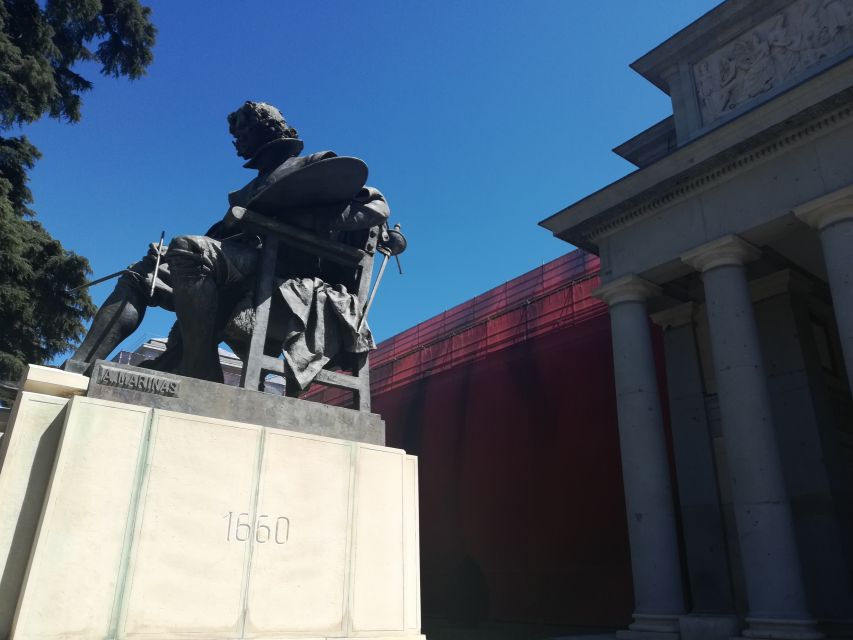
- Meeting Goya beneath the museum entrance
- Inside the Prado: a focused 1.5-hour route
- Velázquez and the art of seeing the unseen
- Goya’s difficult subjects and memorable finish
- Bosch, Rubens, Titian, and the wider European collection
- The guides make the difference
- Crowds, pacing, and the value of a small group
- Staying on after the guided portion
- Is $49 a fair price?
- Who will enjoy this Prado tour most?
- Practical details that affect your visit
- Should you book the Museo del Prado guided tour?
- FAQ
- Where does the Prado guided tour meet?
- How long does the tour last?
- Is the Prado Museum ticket included?
- Does the tour skip the ticket line?
- What languages are available?
- Can I take photographs inside the Prado?
- Can I cancel the booking?
Key points to know before booking
- See the Prado’s essential painters: The route may include Bosch, Raphael, Titian, El Greco, Velázquez, Goya, Rubens, Murillo, and others.
- Choose a flexible visit: You can request particular works, or follow the suggested chronological route for a clearer sense of artistic change.
- Skip the ticket line: Your Prado admission is included, along with a professional official guide.
- Expect a lively art lesson: The strongest guides connect painting techniques with religion, politics, daily life, and Spanish history.
- Plan for crowds and walking: Comfortable shoes matter, and the museum can be busy even when the guide handles the route well.
- Bring no camera inside: Photography is prohibited by the Prado, and food or water is not included.
Why a guided visit helps at the Prado
The Prado is not a museum you can fully absorb by simply following the biggest crowds. Its collection is broad, the building has several floors, and the most famous rooms can make you feel as if you should already know what you are looking at.
A guide gives you a usable plan. You may begin with early European painting, move through the Italian and Flemish schools, and finish with the great Spanish painters. That order helps you notice changes in color, perspective, religious symbolism, portraiture, and the role of the artist.
The flexible format is useful if you already have a wish list. You can send a request in advance for a particular painting or artist. If you arrive without a plan, the guide can choose a sensible selection rather than trying to cover everything.
That distinction matters. The Prado holds far more than you can see in a short visit. A good tour does not pretend otherwise. It picks important works and gives you enough background to continue on your own.
More Madrid trips worth a second look
- Madrid: Royal Palace Expert Guided Tour with Skip-the-Line
★ 4.7 · 6,986 reviews - From Madrid: Guided Day Trip to Toledo by Bus
★ 4.1 · 5,280 reviews - Madrid: Toledo & Segovia Full Day Guided Tour with Alcázar
★ 4.6 · 4,394 reviews
Meeting Goya beneath the museum entrance
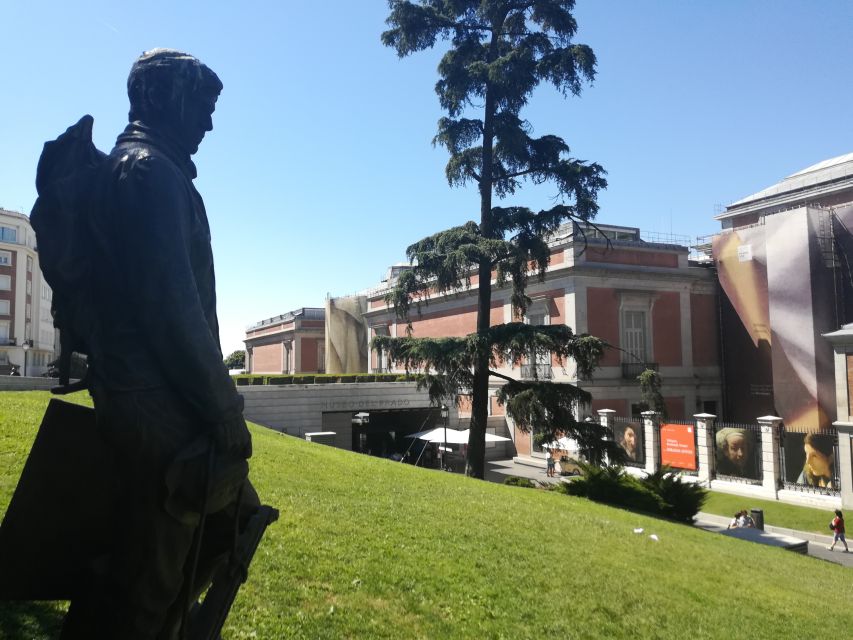
The meeting point is the Monument to Goya, directly in front of the Prado’s ticket office. The guide carries a sign reading The guides you need, which makes the group easier to spot.
Give yourself enough time to reach the statue. The tour does not include hotel pickup, so you are responsible for getting to the museum. Once you meet the guide, you go inside with the Prado ticket included.
This is a practical start because you do not first need to find a separate ticket booth or wait in the standard ticket queue. The skip-the-line benefit saves the most time on busy days, when the Prado’s entrance area can be crowded.
The starting point is also fitting. Goya is one of the central figures in the Spanish collection, and his work often provides the emotional finish to the visit. Several guides use his paintings to connect art with war, power, suffering, and social change.
Inside the Prado: a focused 1.5-hour route
The guided portion lasts about 1.5 hours, with the wider activity listed as 1.5 to 2 hours. That is enough time for a serious introduction, but not enough to pause at every important painting.
You should expect the guide to stop at selected masterpieces rather than march through every room. The exact sequence can change, especially if the museum is crowded or if your group has requested specific works.
A chronological route is usually recommended. It may begin with earlier European works and then move toward the major Spanish painters. The collection becomes easier to read when you can see how artists borrowed from one another and how styles changed over time.
The route may include:
- Bosch and Van der Weyden from the northern European tradition
- Dürer’s precise draftsmanship
- Raphael and the Italian Renaissance
- Titian, Tintoretto, and the Venetian school
- Rubens and the grand Flemish style
- El Greco’s distinctive spiritual intensity
- Murillo’s softer religious scenes
- Velázquez’s court portraits and visual puzzles
- Goya’s powerful late works
You will not spend equal time with all of them. That is a good thing. A rushed explanation of twenty painters would leave you with names but little understanding. The better approach is to study a smaller group of works and use them to explain the larger collection.
Velázquez and the art of seeing the unseen
Velázquez is one of the main reasons to visit the Prado, and his paintings reward close attention. His portraits can look simple at first, but a guide can show you how posture, clothing, light, and the direction of a gaze reveal rank and personality.
His best-known works often raise questions about who is looking at whom. That is where a live guide adds real value. You can hear an explanation, ask a question, and then return your eyes to the canvas with a clearer purpose.
The guide may also explain Velázquez’s place at the Spanish court and how his work differs from more formal royal portraiture. You begin to notice how much he communicates with small gestures rather than grand action.
I would give Velázquez more than a quick glance after the tour. The guide’s explanation helps you get started, but the paintings become more rewarding when you stand in front of them again without someone speaking beside you.
A different way to spend the day, same corner of Spain:
- Madrid: Tour Bernabéu Entry Ticket
★ 4.5 · 21,573 reviews - Madrid: Prado Museum Entry Ticket
★ 4.6 · 17,509 reviews - Madrid: Royal Palace Fast-Access Admission Ticket
★ 4.6 · 13,856 reviews - Madrid: “Emociones” Live Flamenco Performance
★ 4.8 · 12,866 reviews
Goya’s difficult subjects and memorable finish
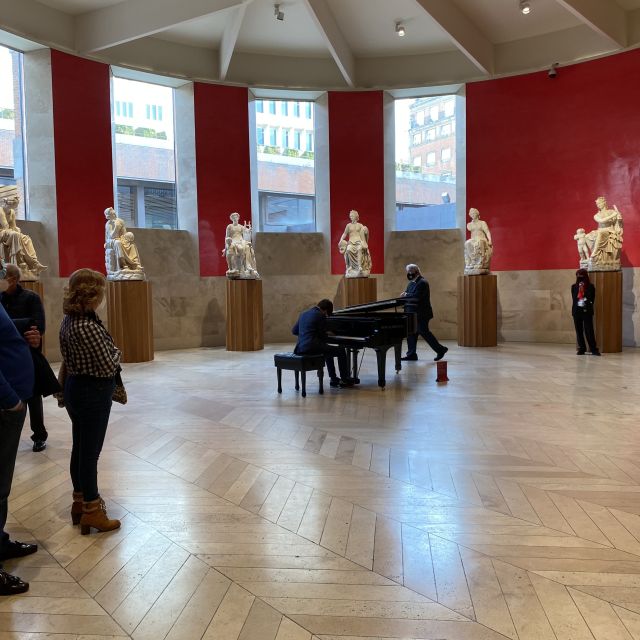
Goya is often used as the final major stop, and the choice makes sense. His paintings can feel more direct and troubling than the polished royal and religious works that come before them.
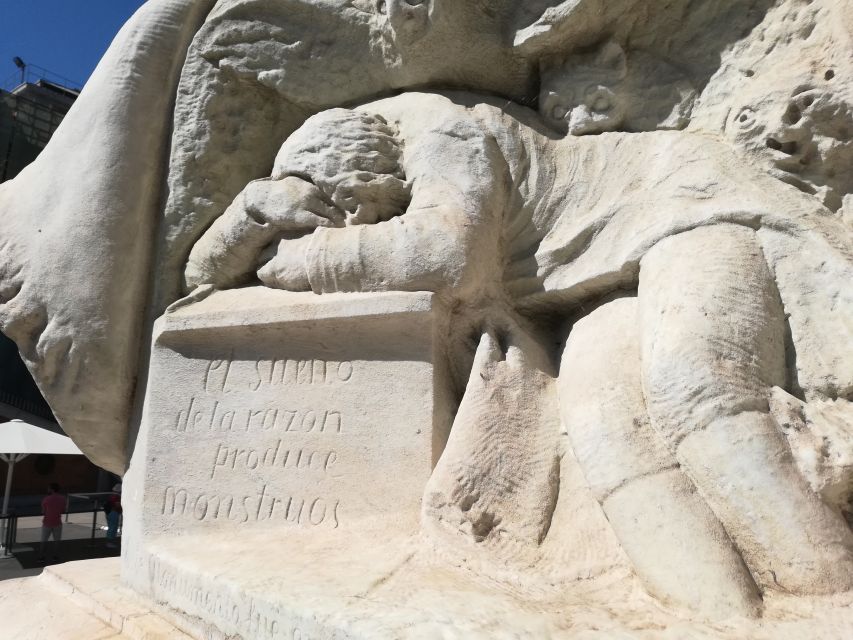
A guide may connect Goya’s art to war, political power, fear, and ordinary human suffering. This gives the end of the tour a different weight. You are no longer looking only for beauty or technical skill. You are asking what the artist is saying about people and society.
One of the strongest features of the guiding style here is the link between old paintings and modern ideas. The subject matter remains historical, but the questions can still feel current. That approach helps people who do not consider themselves art experts.
If you are sensitive to difficult themes, know that Goya’s work can be intense. The guide’s context helps, but it does not make every image easy. For many people, that emotional shift is one of the most memorable parts of the Prado.
Bosch, Rubens, Titian, and the wider European collection
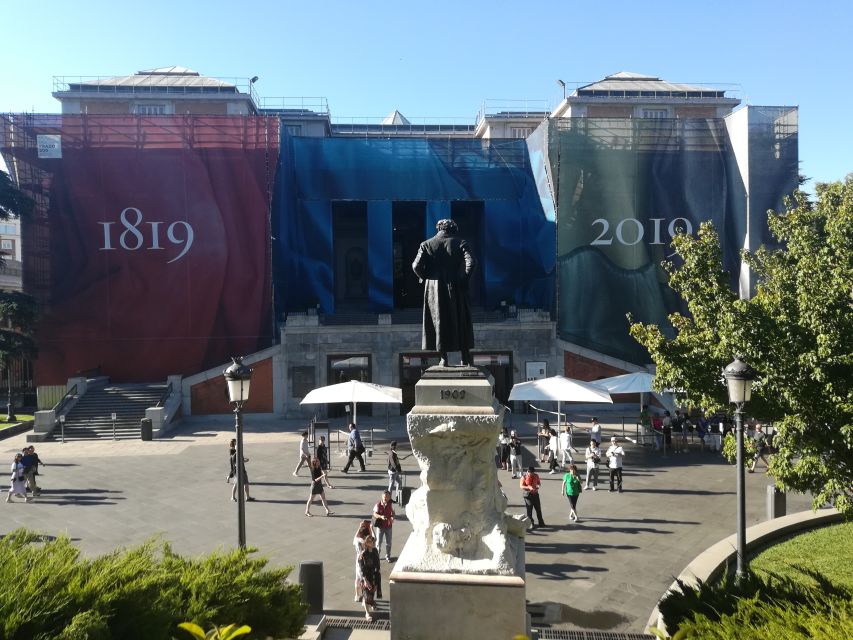
The Prado is not only a museum of Spanish art. Its European holdings give the tour much of its range.
Bosch’s strange, crowded scenes invite close looking. A guide can point out symbols and small figures that you might miss when viewing the painting alone. These works can be amusing, unsettling, or both, and they are a good reminder that old religious art was not always solemn.
The Venetian painters bring a different lesson. Titian and Tintoretto show how color, atmosphere, and movement can carry as much force as precise drawing. You may notice how warm tones and loose brushwork change the mood of a scene.
Rubens offers another contrast. His large compositions, energetic bodies, and dramatic movement are easy to recognize, but a guide can explain the political and religious purpose behind the spectacle. The result is more useful than simply hearing that a painting is impressive.
Raphael and Dürer help broaden the story further. Raphael represents the balance and order associated with the Italian Renaissance, while Dürer’s work reveals the northern European interest in detail and exact observation.
This selection gives you a working map of European painting. You may not remember every name, but you will have a better sense of how different schools approached color, space, faith, power, and the human figure.
The guides make the difference
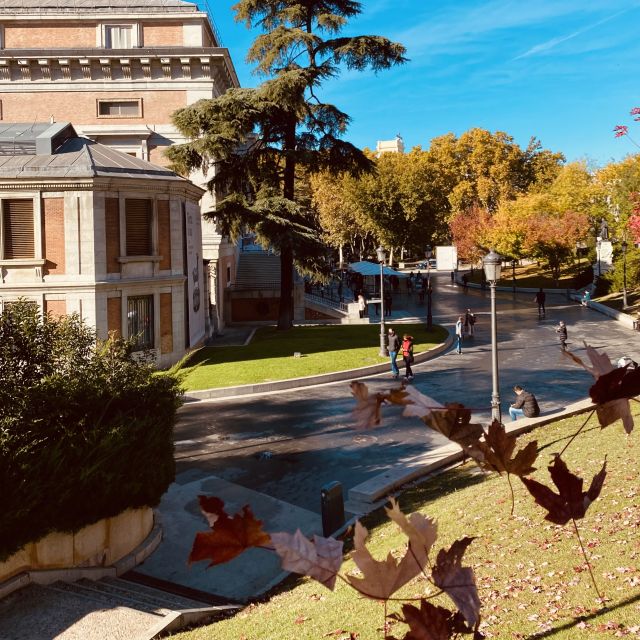
The experience depends heavily on the person leading it. The strongest reports consistently praise guides for explaining paintings in detail without turning the visit into a dry lecture.
Macarena is often described as funny, clear, and able to connect artists with modern ideas. Maria receives praise for her historical context and for keeping groups engaged in crowded rooms. Alex is noted for answering questions and bringing the paintings to life through stories.
Stephi and Stefani are praised for passion and for guiding groups through busy galleries. Paula is remembered for making each painting feel like a story being acted out, while Natalia is valued for enthusiasm and for choosing works that fit the available time.
You cannot assume which guide you will receive. Still, the repeated pattern is useful: this provider’s best guides seem to focus on storytelling, context, and a manageable number of paintings. They also appear comfortable with mixed groups, including people who know little about art.
That last point is important. You do not need to study Spanish painting before you arrive. The guide explains the basic setting, artist, subject, and technique, then adds the details that make the work memorable.
Crowds, pacing, and the value of a small group
The Prado can be crowded, particularly around its most famous works. A small group makes it easier to hear the guide and gather around a painting without blocking the room.
The group size can vary because the activity is offered privately or in small groups. Some visitors have had groups of about six or seven people, while others have effectively had a private visit. You should check the option available for your date if group size matters to you.
A skilled guide can also change the order when a room is packed. That flexibility is more useful than a fixed script. You may see a less crowded work first, then return to a major painting when there is more room.
The pace is brisk but not frantic. In 1.5 hours, you will walk between galleries and spend enough time at selected works for the explanation to sink in. Wear comfortable shoes and sensible clothing. This is an indoor visit, but you will still spend much of the tour on your feet.
Staying on after the guided portion
One of the best ways to use this tour is to treat it as your introduction, not your entire Prado visit. The guide gives you a framework, then you can continue looking at the collection independently.
A morning or earlier starting time may be wise if you want extra hours inside. You can remain in the museum after the guided visit until closing, listed as 8 p.m. in the provided information, but you cannot leave and return. Plan your bathroom break, food, and other errands before you enter.
Do not count on eating or drinking inside during the activity. Food and water are not included, so take care of those needs before the tour or after you leave.
After the guide finishes, return to the paintings that held your attention. Velázquez and Goya are obvious choices, but you may also want another look at Bosch, Rubens, or Titian now that you know what to watch for.
Is $49 a fair price?
At $49 per person, the cost includes admission to the Prado and a professional certified official guide. That makes the price easier to justify than a guide-only service, since you do not have to buy a separate museum ticket.
The real value comes from time saved and confusion avoided. If you walk into the Prado without a plan, you can spend a long time moving between rooms without understanding how the works fit together. The tour gives you a route and a foundation in less than two hours.
The price is especially sensible for first-time museum visitors, families, and anyone with limited time in Madrid. It is less essential if you already know the collection well or prefer to read labels and explore alone.
You should also weigh the opportunity cost. The tour focuses on highlights, so it will not satisfy someone who wants a slow study of minor works, temporary displays, or one particular department. For most first visits, though, the combination of ticket, guide, and focused route offers solid value.
Free cancellation is available up to 24 hours before the activity for a full refund, and you can reserve now and pay later. The tour runs in all weather unless the Prado itself closes, so rain does not change the plan.
Who will enjoy this Prado tour most?
I would recommend it most strongly if you meet one of these descriptions:
- You are visiting the Prado for the first time.
- You want the major works explained in plain language.
- You have only a few hours for the museum.
- You are traveling with children or adults who are unsure about art museums.
- You want historical and cultural context, not just artist names.
- You prefer a small group or private setting.
- You want to continue exploring alone after a guided introduction.
Families can benefit from the storytelling format. A guide who invites questions and connects pictures to human situations can keep younger visitors involved. The experience has also worked well for people who do not usually seek out art museums.
You may prefer an independent visit if you need long periods of silence in front of one painting, want to cover a narrow specialist subject, or dislike moving at another person’s pace.
Practical details that affect your visit
The tour is offered in English, Spanish, Italian, and French. Confirm your preferred language when you book so the visit matches your needs.
The museum is wheelchair accessible. The tour still involves moving through a large building, so tell the provider about any access concerns when arranging your visit.
Photography is not allowed inside the Prado. Do not plan to record the paintings or use your phone as a camera during the tour. This is the museum’s rule, not a special restriction created for this activity.
Bring comfortable shoes. Bring your curiosity, too. The guide can explain technique, symbolism, and history, but you will get more from the visit if you take time to look before listening to the answer.
Should you book the Museo del Prado guided tour?
Book it if you want a strong first look at the Prado without spending your day trying to work out where to go. The included ticket, skip-the-line entry, flexible route, and small-group choices make $49 a reasonable deal for many visitors.
I would be especially keen to book with limited time, children, or little experience with European painting. You will see major works by Velázquez, Goya, Bosch, Rubens, Titian, Raphael, and others, then have the option to keep exploring.
Skip it if you already have a detailed museum plan and want complete control over every minute. The 1.5-hour format is an introduction, not a substitute for a full day at the Prado. For most first-time visitors, that introduction is exactly what keeps this great museum from becoming an exhausting blur.
FAQ
Where does the Prado guided tour meet?
Meet at the Monument to Goya, directly in front of the Prado Museum’s ticket office. The guide carries a sign reading The guides you need.
How long does the tour last?
The guided visit lasts about 1.5 hours, and the full activity duration is listed as 1.5 to 2 hours.
Is the Prado Museum ticket included?
Yes. Prado Museum admission and a professional certified official tour guide are included.
Does the tour skip the ticket line?
Yes. Skip-the-line entry is included with the activity.
What languages are available?
The tour is offered in English, Spanish, Italian, and French.
Can I take photographs inside the Prado?
No. Photography is not allowed inside the museum under Prado policy.
Can I cancel the booking?
Yes. You can cancel up to 24 hours in advance for a full refund. The reserve-now, pay-later option is also available.
Recently reviewed around Madrid
- Tour Madrid: Secrets in a Electric Tuk Tuk★ 4.6 · 155 reviews
- Madrid: Don Quixote de la Mancha Windmills & Toledo Tour★ 4.9 · 254 reviews
- Tour Guiado En Tuk Tuk Recorre Avila De La Forma Mas Comoda★ 4.4 · 235 reviews
- Madrid: Guided Tour of Toledo with Cathedral Visit★ 4.3 · 399 reviews
- Madrid: Toledo Day Trip with Winery Visit and Wine Tasting★ 4.4 · 177 reviews
- Madrid: 6-Hour Day Trip to Toledo with Guided Walking Tour★ 4.0 · 865 reviews
- Madrid: Tasty Tapas Tour & Visit to a Terrace with Views★ 4.5 · 118 reviews
- Madrid: Flamenco Show&Drink at Tablao 1911 (World’s Oldest)★ 4.7 · 253 reviews
Prado Museum Tours, compared.
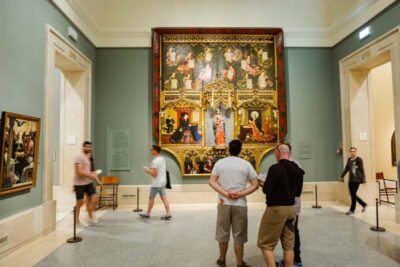

Small Group of Prado Museum Tour & Optional Tapas
Read our review →
Prado Museum Guided Tour with Skip-the-Line Ticket
Read our review →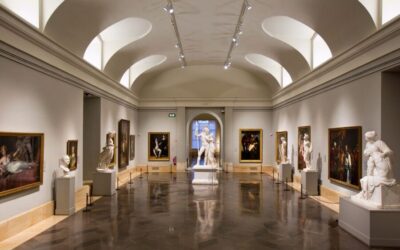
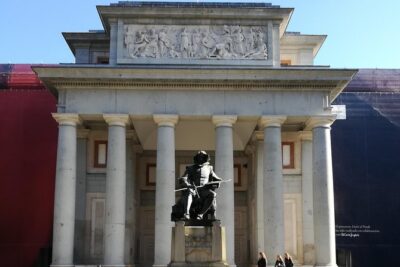
Prado Museum Small Group Tour with Skip the Line Ticket
Read our review →
Royal Palace & Prado Museum Skip the Line Guided Tour
Read our review →

Prado Museum Guided Tour with Skip-the-Line Ticket
Read our review →Browse the lists this tour appears in