
Reviewed · MUSEUMS
Madrid: Guided Tour of Reina Sofía Museum with Entry Ticket
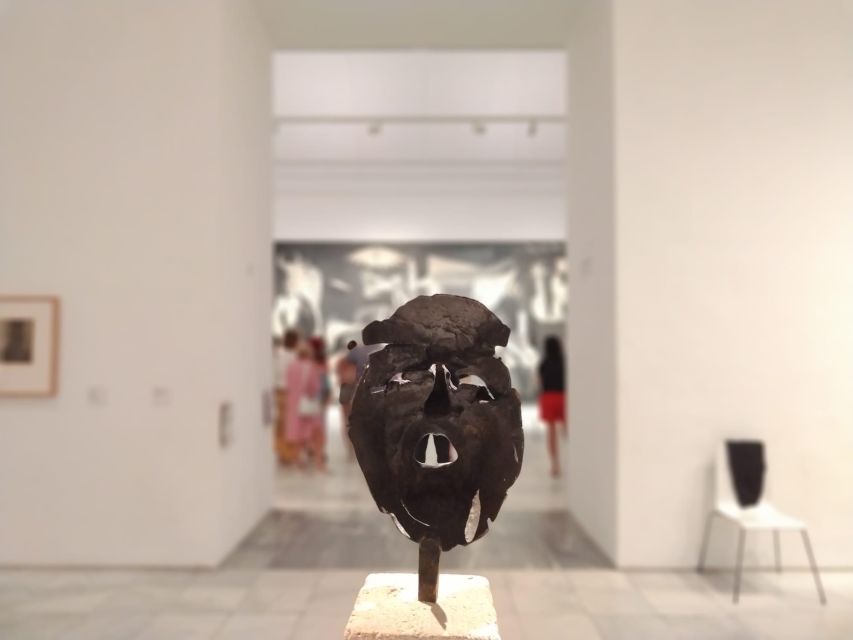
Picasso’s Guernica is the obvious star at Madrid’s Reina Sofía, but it makes more sense when you see the political and artistic road leading up to it. This 90-minute tour uses Guernica as a climax, not a lone photo stop, and places modern Spanish art beside the social upheaval that shaped it.
I like two things here: the small group of up to six, which gives the guide room to answer questions, and the clear historical thread. Guides such as Alex, Stephi, Stefania, Belen, and Natalia have been praised for explaining difficult ideas in plain language. The possible drawback is the short running time. The museum is large, so you will see a selected route rather than everything.
In This Review
- Key points at a glance
- Why the Reina Sofía deserves a guided visit
- Meeting at the museum’s main gate
- The first minutes: finding your bearings
- From modern painting to wartime Spain
- Reaching Picasso’s Guernica
- What the small group changes
- Is $59 a fair price?
- The guides and their teaching style
- Who should book this Reina Sofía tour?
- Practical details before you go
- Should you book it?
- FAQ
- How long does the Reina Sofía guided tour last?
- What is included in the price?
- Does the tour include hotel pickup?
- Where does the tour meet?
- Is the ticket line skipped?
- What languages are available?
- How many people are in the group?
- Is the tour wheelchair accessible?
- Can I cancel for a refund?
Key points at a glance
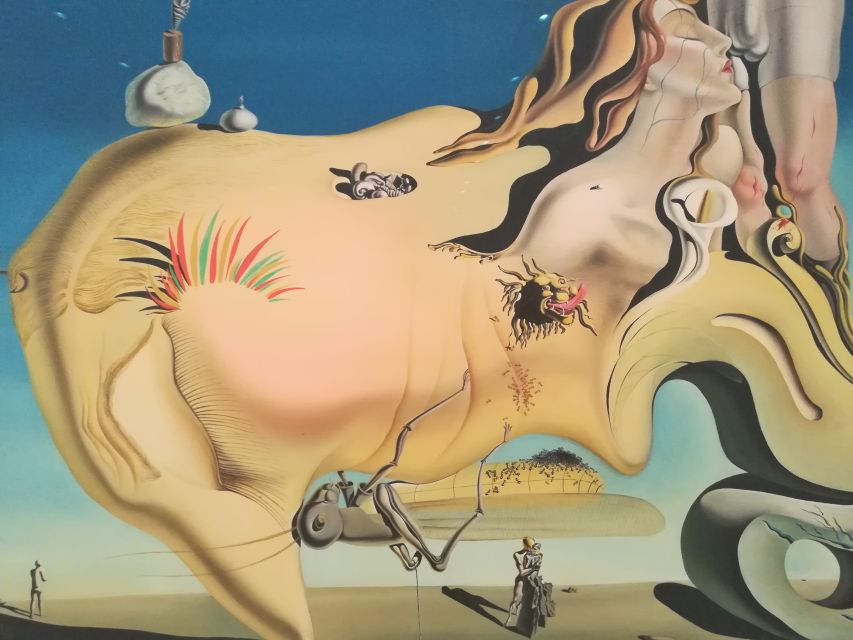
- Guernica gets a full historical setting: The tour links Picasso’s famous painting to the Spanish Civil War and the wider political climate.
- Small groups keep the visit personal: With no more than six participants, you can ask questions and stay close to the guide.
- The tour lasts 90 minutes: It offers a focused introduction, but you will need extra time afterward for the rest of the museum.
- The route follows an artistic story: You move through artists, styles, and themes instead of viewing unrelated famous works.
- Entry is included: You meet at the main gate and skip the ticket line.
- It suits different art backgrounds: The guides explain complex subjects in a way that works for newcomers and curious art lovers.
Why the Reina Sofía deserves a guided visit
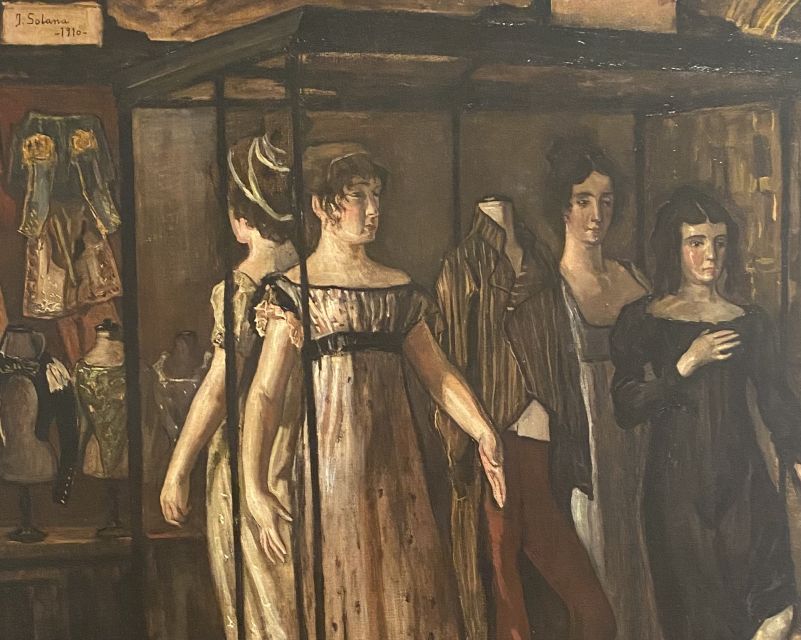
Madrid has no shortage of major art museums, but the Reina Sofía asks different questions from the Prado. Its focus is 20th-century art, with modern Spanish painting at the center. That means politics, war, changing social ideas, and new ways of seeing all matter as much as brushwork.
You can walk through a museum alone and admire a famous name. The harder part is understanding why artists changed direction, what events shaped their work, and how one movement reacted to another. That is where a guide earns the ticket price.
This tour is built around that problem. Instead of rushing from one celebrated canvas to another, your guide can explain how painting developed from the second half of the 19th century through the years surrounding World War II. Several guides have been praised for connecting art with political, social, economic, and cultural events.
I especially like that approach for the Reina Sofía. Guernica is powerful on its own, but its impact grows when you understand the period in which it was made and the artistic choices Picasso used to communicate violence and suffering.
More Museum Tours in Madrid
- Madrid: Prado Museum Entry Ticket
★ 4.6 · 17,509 reviews - Madrid: Reina Sofía Museum Entrance Ticket
★ 4.5 · 6,889 reviews - Madrid: Small Group of Prado Museum Tour & Optional Tapas
★ 4.6 · 2,437 reviews
Meeting at the museum’s main gate
The meeting point is the main gate of the Reina Sofía Museum, at the Real Reina Sofia Museum Association Friends. There is no hotel pickup or drop-off, so you make your own way to the museum.
That arrangement keeps the price focused on the museum visit rather than transport. It also means you should allow enough time to find the entrance and locate the group before the start time. The guide organizes entry, and the ticket is included, so you do not need to purchase a separate museum admission for this activity.
The skip-the-line feature matters most when the museum is busy. It will not make the building empty, but it removes one bit of waiting and lets your limited 90 minutes go toward the art.
The meeting point is simple, but do not treat it as a casual afterthought. A museum entrance can be a poor place for a last-second search, particularly if you are arriving from another part of Madrid. Check the start time when booking and arrive ready to identify the tour group.
The first minutes: finding your bearings
The Reina Sofía can feel confusing on a first visit. Its rooms do not always read like a simple straight path, and a large museum can quickly turn into a hunt for the works you came to see.
That is one of the practical strengths of this tour. The guide sets the route and keeps the visit moving. You are not spending half your time checking a floor plan or wondering if you have missed a major room.
The opening part of the tour is likely to establish the larger story: how artists broke from older conventions, how styles shifted, and how Spanish art responded to the times around it. The exact works and order can vary, but the central aim is clear. You get a framework before confronting the museum’s most famous painting.
For a first visit, this is more useful than a list of dates. You begin to see why a style changed, rather than simply memorizing its name.
From modern painting to wartime Spain
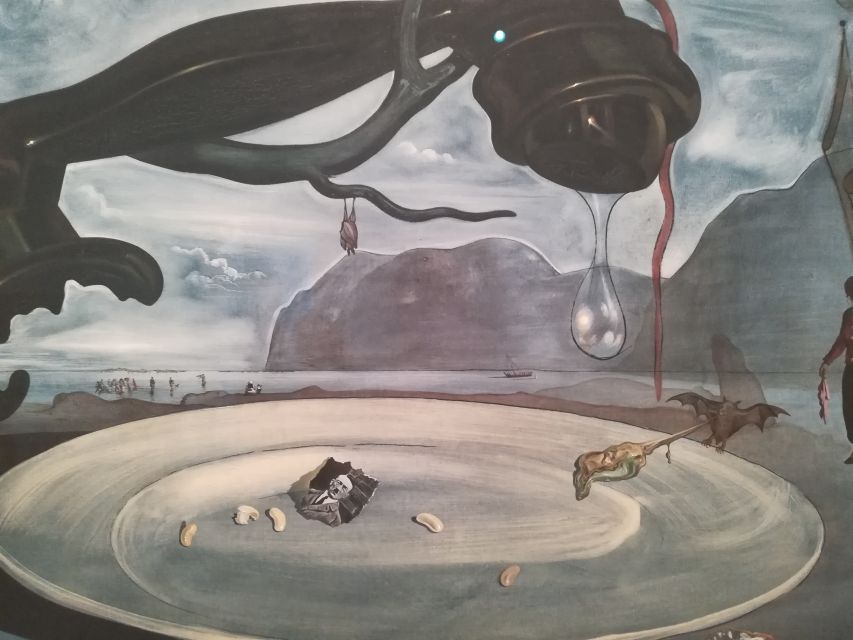
The guides are at their best when they connect art to life outside the gallery. Stefania, Stephi, Alex, and others have been praised for explaining artists in the context of Spanish political and social change.
That may include discussion of the period from the late 19th century through the Spanish Civil War and World War II. The tour is not presented as a narrow lesson in technique. It treats paintings as part of a wider story about power, conflict, culture, and changing ideas.
This approach also helps with less familiar works. You may recognize Picasso but not know Solana or other artists included along the route. A good explanation gives these paintings a role in the story instead of treating them as filler between famous names.
I like the promise of seeing lesser-known works alongside major ones. The value of a museum guide is not simply pointing at the painting everyone already knows. It is showing you why a quieter work matters and how it helps explain the period.
The risk is that the historical material may feel dense if you came expecting only a quick introduction to Picasso. The available comments about the tour point to a condensed lesson with many facts, names, and connections. That will please visitors who like context. If you prefer to wander silently, an independent visit may suit you better.
More Madrid museums and collections:
- Madrid: Prado Museum Guided Tour with Skip-the-Line Ticket
★ 4.5 · 2,018 reviews - Madrid: Museum of Illusions Ticket
★ 4.1 · 1,909 reviews - Madrid: Prado Museum Guided Tour With Fast Access
★ 4.8 · 1,785 reviews - Prado Museum Small Group Tour with Skip the Line Ticket
★ 5.0 · 1,738 reviews
Reaching Picasso’s Guernica
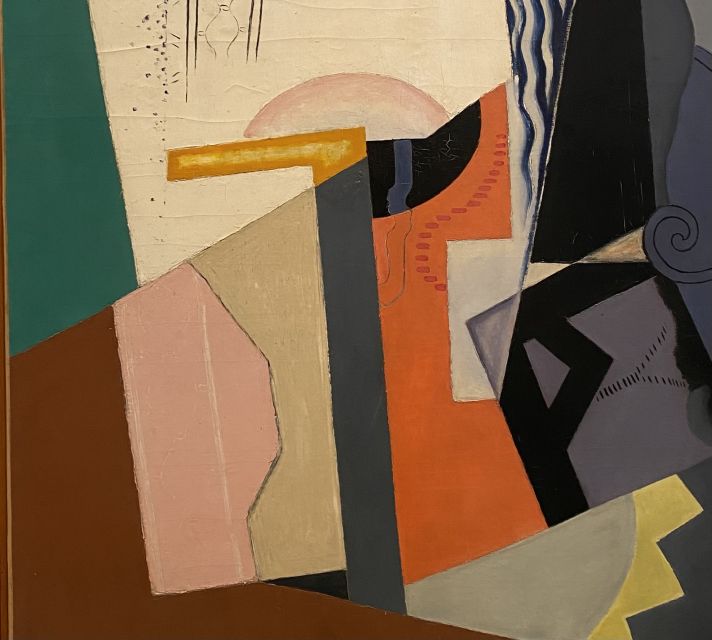
Guernica is the emotional center of the visit. The painting is famous enough that many people enter the Reina Sofía mainly to see it. A guide helps you slow down and look beyond its reputation.
The useful question is not only what Guernica depicts, but how it communicates its subject. Your guide can direct your attention to the composition, figures, symbols, and stark visual choices, while also explaining the Spanish Civil War context that gives the painting its force.
Several guides have been praised for building toward Guernica through a coherent account of artistic development and political events. That structure is important. If you encounter the painting without preparation, you may recognize its name but miss how it fits into Picasso’s work and the museum’s wider collection.
Do not expect the tour to make you an art historian in an hour and a half. It can, however, give you a set of questions to carry into the rest of your visit. After the guided portion ends, you may want to spend extra time with Guernica, then return to works you passed quickly.
The museum may have rules around the painting and other exhibits, so plan on no food or drinks, no flash photography, no plastic bottles, and no touching the art. These restrictions are easy to follow, but knowing them in advance keeps you from being corrected at the wrong moment.
What the small group changes
A group capped at six is one of the strongest features of this experience. You are close enough to hear the guide clearly, and questions do not have to compete with a crowd.
That size also lets the guide adjust the explanation. If the group wants more history, the conversation can spend a little longer there. If everyone is eager to see more works, the pace can stay brisk. The exact balance depends on the guide and the group, but six people gives far more room for that than a large museum crowd.
One booking may even have only one participant. In that case, the experience can become a private-style visit, with more time for individual questions and a route shaped around particular interests. You should not assume that every booking will work that way, but the small-group format keeps the possibility open.
The tradeoff is price. At $59 per person, this is not the cheapest way to enter the Reina Sofía. You are paying for admission, a professional guide, line-skipping, and a focused interpretation rather than just access to the building.
Is $59 a fair price?
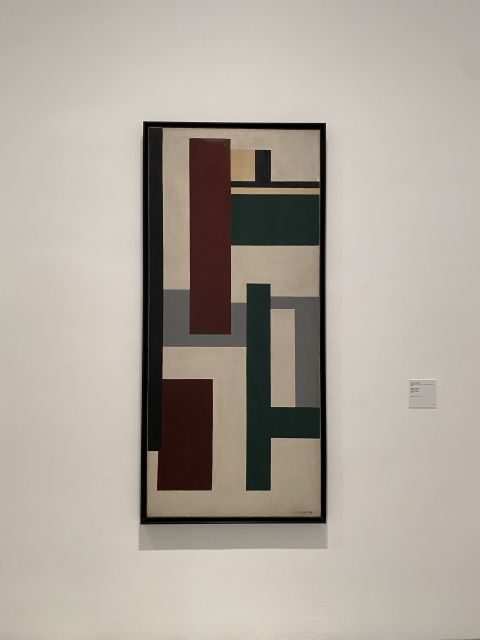
I see the value most clearly if you are a first-time visitor, have limited time, or want help with modern art. The ticket removes the need to arrange separate admission, while the guide turns 90 minutes into a structured lesson rather than an unplanned walk through galleries.
The price is less compelling if you already know the Reina Sofía well, prefer audio guides, or plan to spend several hours wandering at your own pace. The tour does not replace independent time in the museum. It gives you a starting point.
You should also remember that the 90-minute duration is a feature and a limit. It is long enough to create a proper narrative, but too short to cover the entire collection in detail. I would treat the tour as the first part of a museum visit, not the whole visit, if you want to see more than the main route.
Afterward, you can continue exploring on your own. That extra time is where the tour’s value can grow. You have a better sense of the periods, names, and themes, so the next rooms are easier to approach.
The guides and their teaching style
The strongest pattern in the feedback is the quality of the guiding. Stephi and Stefania receive repeated praise for making art and history easy to follow, while Alex is noted for connecting art to political and social events. Belen is praised for selecting strong examples and explaining artists in detail, and Natalia is described as friendly and well prepared.
Those names matter because the guide is the heart of this activity. The museum itself is already there. What you are buying is the ability to read it with help.
The most useful teaching style here appears to be storytelling rather than a random string of famous names. The guide explains how artists developed, how styles changed with the times, and why selected paintings belong in the route.
That makes the tour suitable for someone who says, I do not know much about modern art. You will not be expected to arrive with specialist terms. At the same time, the historical detail should keep the visit worthwhile for anyone who wants more than a basic introduction.
Who should book this Reina Sofía tour?
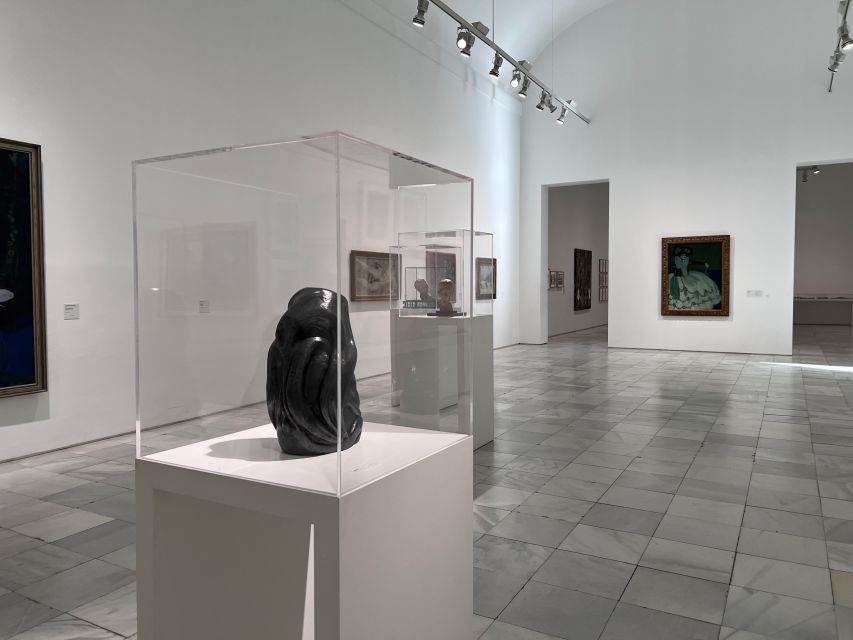
I would recommend it to first-time visitors who want to understand what they are seeing, especially if Guernica is a major reason for visiting Madrid. It also fits couples, families with older children, and solo visitors who prefer a little structure in a large museum.
It is a good choice for people who enjoy history as much as art. The route links painting with Spain’s political and cultural changes, so you are not simply studying color, form, and technique in isolation.
You may want to skip it if your main goal is a long, quiet museum visit. Ninety minutes moves quickly, and a guided route means giving up some control over where you stop and how long you look.
It may also be less useful if you have already taken a detailed Reina Sofía tour or know the collection well. In that case, the included entry and line skip may not justify $59.
Practical details before you go
The activity is available in English or Spanish, with a live professional guide. It is wheelchair accessible, and the group is limited to six participants.
You meet at the museum’s main gate. Hotel transfers are not included, so plan your route independently and check the available starting times before booking.
Food and drinks are not allowed, along with plastic bottles. Flash photography and touching the exhibits are also prohibited. These are standard museum rules, but they are worth remembering before you arrive.
You can cancel up to 24 hours in advance for a full refund, and the reserve-now, pay-later option allows you to keep your plans flexible. Those policies are helpful when your Madrid schedule is still taking shape.
Should you book it?
Book this tour if you want Guernica explained within its historical setting, not simply pointed out on a museum map. The small group, included admission, and strong focus on art history make $59 reasonable for a first visit.
I would allow extra time after the 90-minute tour to see more of the Reina Sofía on your own. That combination gives you the best of both approaches: a clear route and room to wander.
Skip it if you prefer complete independence or already understand the museum’s modern Spanish collection. For everyone else, the guide-led introduction offers a practical way into a complex museum, with enough context to make the art stay with you after you leave.
FAQ
How long does the Reina Sofía guided tour last?
The guided tour lasts 1.5 hours, or 90 minutes.
What is included in the price?
The $59 price includes the museum entry ticket and a professional guide.
Does the tour include hotel pickup?
No. Hotel pickup and drop-off are not included. You meet at the main gate of the Reina Sofía Museum.
Where does the tour meet?
The meeting point is the main gate of the Reina Sofía Museum, at the Real Reina Sofia Museum Association Friends.
Is the ticket line skipped?
Yes. The activity includes skip-the-ticket-line access.
What languages are available?
The live tour is available in English and Spanish.
How many people are in the group?
The group is limited to six participants.
Is the tour wheelchair accessible?
Yes. The activity is listed as wheelchair accessible.
Can I cancel for a refund?
Yes. You can cancel up to 24 hours in advance for a full refund.
Recently reviewed around Madrid
- Tour Madrid: Secrets in a Electric Tuk Tuk★ 4.6 · 155 reviews
- Madrid: Don Quixote de la Mancha Windmills & Toledo Tour★ 4.9 · 254 reviews
- Tour Guiado En Tuk Tuk Recorre Avila De La Forma Mas Comoda★ 4.4 · 235 reviews
- Madrid: Guided Tour of Toledo with Cathedral Visit★ 4.3 · 399 reviews
- Madrid: Toledo Day Trip with Winery Visit and Wine Tasting★ 4.4 · 177 reviews
- Madrid: 6-Hour Day Trip to Toledo with Guided Walking Tour★ 4.0 · 865 reviews
- Madrid: Tasty Tapas Tour & Visit to a Terrace with Views★ 4.5 · 118 reviews
- Madrid: Flamenco Show&Drink at Tablao 1911 (World’s Oldest)★ 4.7 · 253 reviews
Museums, compared.

FC Barcelona Museum “Barça Immersive Tour” Ticket
Read our review →
Park Güell and Gaudí House Museum Entry Ticket
Read our review →
Puro Flamenco Show with Optional Museum Ticket
Read our review →

Girona & Dali Museum Small Group Tour with Pick-up from Barcelona
Read our review →
Oceanogràfic, Hemisfèric & Science Museum Combo
Read our review →Browse the lists this tour appears in