

Reviewed · MALAGA & COSTA DEL SOL TOURS
La Herradura Coffee Farm: tour in Europe’s only plantation
Spain’s only coffee farm is not in the Canary Islands or some far-off corner of the country. It is near La Herradura, a short drive from Nerja, where Mediterranean weather helps coffee plants grow alongside mangoes, avocados, dragon fruit, lychees, bananas, and other tropical crops. The tour is led by Manuel, the owner, whose family story and sense of humor give the walk a personal feel.
I especially like the chance to see coffee plants producing beans in Europe, then follow the farm’s wider work with organic cultivation, soil care, and careful water use. The sea views and unusual fruit collection are another strong point. The main drawback is the terrain: two steep sections make this a poor choice for wheelchair users or anyone with limited fitness.
In This Review
- Key points to know before you book
- What makes this coffee farm unusual
- Walking from coffee trees to tropical fruit
- Manuel’s personal style is part of the attraction
- Organic farming, permaculture, and the problem of water
- Sea views and the 300-year-old cortijo
- How long the visit really takes
- Getting there without creating a transport headache
- Is $17 a fair price?
- Who will enjoy it most
- The small details that improve the visit
- Should you book La Herradura Coffee Farm?
- FAQ
- Where is La Herradura Coffee Farm?
- How much does the tour cost?
- How long does the tour last?
- What will I see at the farm?
- Is coffee tasting included?
- Can I buy coffee at the end?
- Is the tour suitable for children?
- Is the farm wheelchair accessible?
- What should I bring?
- Is transportation included?
Key points to know before you book
- Europe’s only coffee farm: See productive coffee plants growing near the Costa del Sol.
- Up to 30 exotic fruits: The farm includes mango, avocado, dragon fruit, lychee, sugar cane, bananas, papaya, and more.
- Owner-led tour: Manuel, also called Manolo by some visitors, brings family history, farming know-how, and plenty of jokes.
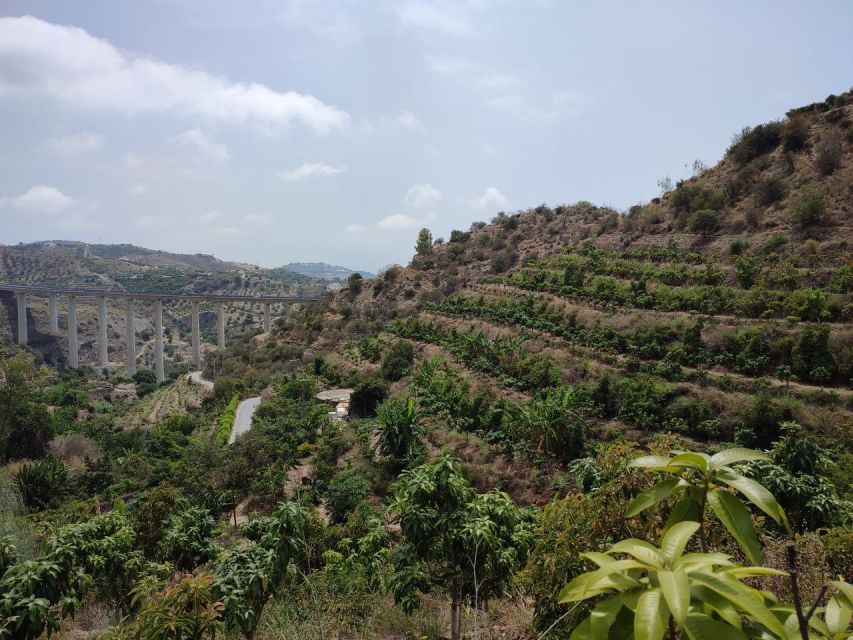
- Sea views from a working farm: The setting combines tropical crops, rolling hills, and the Mediterranean coast.
- Short but hilly walk: The advertised visit lasts about 70 minutes, while some tour descriptions refer to roughly 1.5 hours.
- Good value at $17: You receive a guided farm visit, practical agriculture lessons, and access to a family-run project, but food and hotel transport cost extra.
What makes this coffee farm unusual
The phrase Europe’s only coffee farm needs a little context. This is not a giant commercial coffee estate covering miles of land. It is a working family farm where coffee grows among a wide mix of tropical fruit and experimental crops.
That variety is part of the appeal. Instead of walking past row after row of one crop, you see coffee plants sharing space with mangoes, avocados, bananas, cherimoyas, dragon fruit, lychees, sugar cane, and other species. The farm includes Spain’s oldest mango tree, centennial cherimoyas, and a low-water avocado plantation.
For you, that means the visit is about much more than coffee. You get a close look at how a small farm tests what can grow in an unusual climate. Manuel explains the successes, the difficult patches, and the work involved in keeping the land productive without relying on a single crop.
I find that more interesting than a standard plantation tour. You are not being shown a polished factory designed only for sightseeing. You are seeing a family project still adapting and trying new ideas.
More Malaga & Costa del Sol trips worth a second look
- Barcelona: Sunrise Standup Paddle Tour w/ 4K Video & Coffee
★ 4.9 · 112 reviews
Walking from coffee trees to tropical fruit
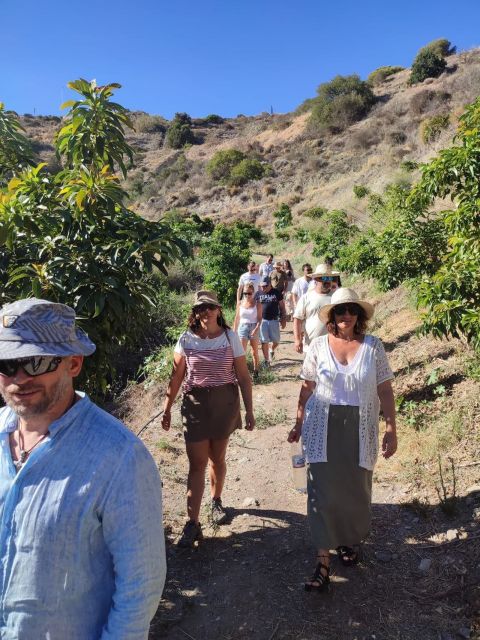
The walk begins at the farm meeting point and continues through the plantation with a guide. The route is designed to show the growing process rather than simply take you to a scenic viewpoint.
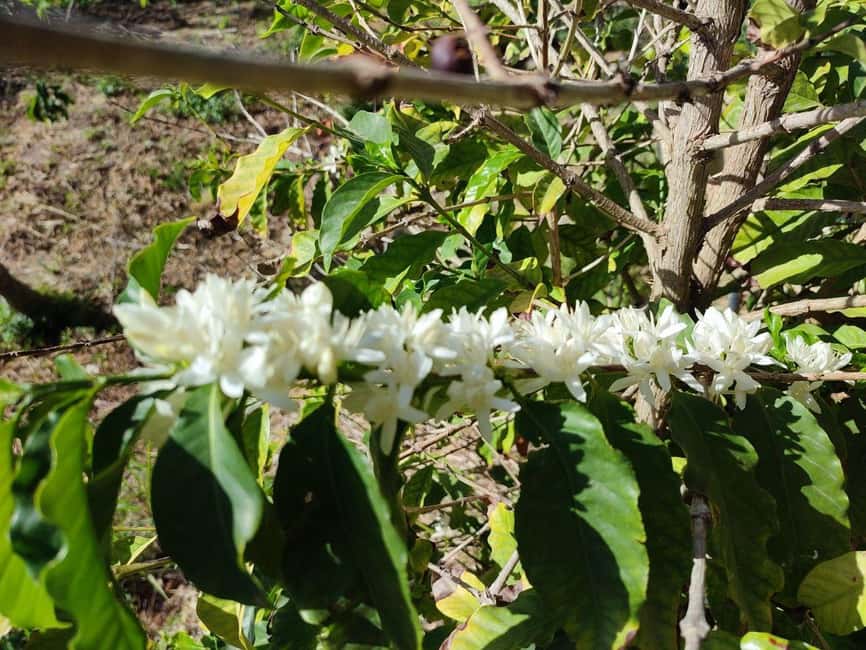
You can expect explanations of planting, care, harvesting, and the early stages of coffee production. The coffee plants are productive, so you see more than decorative shrubs. Depending on the season, the amount of fruit, flowers, or ripe coffee will vary. That seasonal change is worth keeping in mind if you have your heart set on a particular crop.
The fruit collection gives the tour its broad appeal. You might see several types of mango, avocado, banana, papaya, and other tropical produce. Dragon fruit is especially memorable because the plants and their night flowers require unusual care, including hand pollination work. One past visitor even joked about returning to help with the nighttime pollination dressed as a bat.
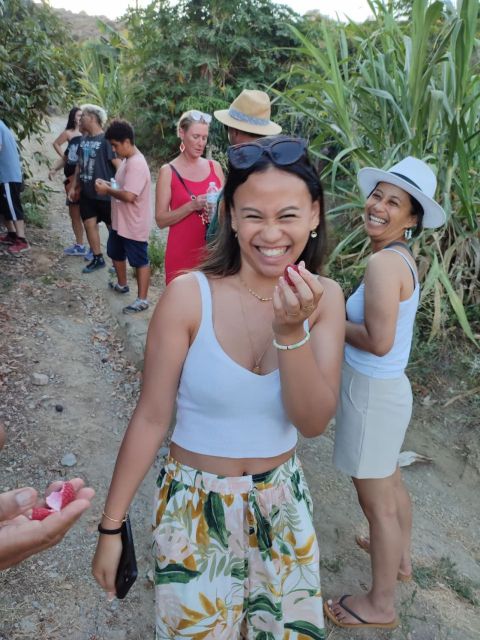
The tour can include the chance to smell leaves and taste some fresh fruit. Seasonal availability matters, though. A child hoping for a mango straight from the tree may find that the mangoes are not ripe during the visit. The farm’s produce changes with the calendar, so consider the tasting an enjoyable possibility rather than a fixed menu.
The coffee side also has a practical finish. Freshly roasted coffee is available to buy at the end, along with seasonal fruit and other local products. The tour description refers to freshly brewed coffee, but tasting arrangements may vary. If sampling the coffee is central to your plans, ask when booking.
Manuel’s personal style is part of the attraction
Manuel is more than a guide reading out plant names. He owns the farm and explains its history, family connections, and future plans. That personal link changes the tone of the visit.
His style is informal, funny, and direct. He has guided mixed groups in English, Spanish, German, and other listed languages, and he seems comfortable keeping both adults and children involved. Families with children aged around 11 to 13 have found the visit entertaining, even in rainy weather.
I like tours where the guide can explain both the dream and the hard work behind a project. Here, you hear about the challenges of growing coffee and tropical fruit in this part of Spain, rather than getting the impression that everything grows easily. The heat, slope, water needs, and crop experiments all form part of the story.
The owner-led approach can also mean that the experience feels less formal than a large attraction. That is a plus if you enjoy conversation and questions. If you prefer a tightly timed tour with polished museum-style displays, this may feel more relaxed and improvised.
Organic farming, permaculture, and the problem of water

One of the most useful parts of the visit is the discussion of sustainable farming. The farm works with organic cultivation and explains the difficulties of doing so in the local climate.
Coffee and tropical fruit both need careful management. Water is precious, and the farm focuses on reducing consumption while keeping crops productive. You also learn about permaculture, soil regeneration, and the attempt to avoid monoculture by mixing many plant species.
These ideas are easier to understand when you see them in the soil rather than only reading about them. The farm’s range of crops shows how diversity can be part of a small agricultural system. It also reflects the owner’s willingness to experiment with plants that are not usually associated with mainland Spain.
Do not expect a technical university lecture or a full lesson in agronomy. The information is delivered during a walk, with stories and humor. Still, it gives you a better sense of what organic farming requires: constant attention, practical trial and error, and a serious effort to manage limited resources.
A different way to spend the day, same corner of Spain:
- Málaga: Caminito del Rey Guided Tour with Transportation
★ 4.8 · 12,183 reviews - Caminito del Rey: Guided Tour and Entry Ticket
★ 4.6 · 11,286 reviews - Málaga: Museo Picasso Málaga Entry Ticket
★ 4.4 · 11,138 reviews - From Málaga & Costa del Sol: Caminito del Rey Guided Tour
★ 4.7 · 7,488 reviews
Sea views and the 300-year-old cortijo
The setting adds plenty to the visit. As you move through the plantation, you get views toward La Herradura, with hills and the Mediterranean nearby. The sea backdrop helps explain why this corner of Andalusia can support crops that usually need warmer tropical conditions.
The views are especially useful during rest stops. This is not a flat garden path from start to finish, so a pause with a coastal outlook is welcome. Chairs are available in the steeper areas, allowing you to slow down instead of treating the walk as a race.
The tour ends at a 300-year-old Andalusian cortijo. This old farmhouse gives the visit a fitting final stop, linking the farm’s present-day experiments with the area’s agricultural past.
Here you can buy roasted coffee, seasonal fruit, and local products. The exact selection will depend on what is available from the farm. Items mentioned in connection with the visit include coffee, fresh fruit, jam, oil, smoothies, and other produce, but you should not assume every product will be in stock on every date.
This final stop is also where the $17 price makes good sense. You are supporting a small family business and getting a guided look at land that is still being developed, rather than paying only for a coffee tasting.
How long the visit really takes
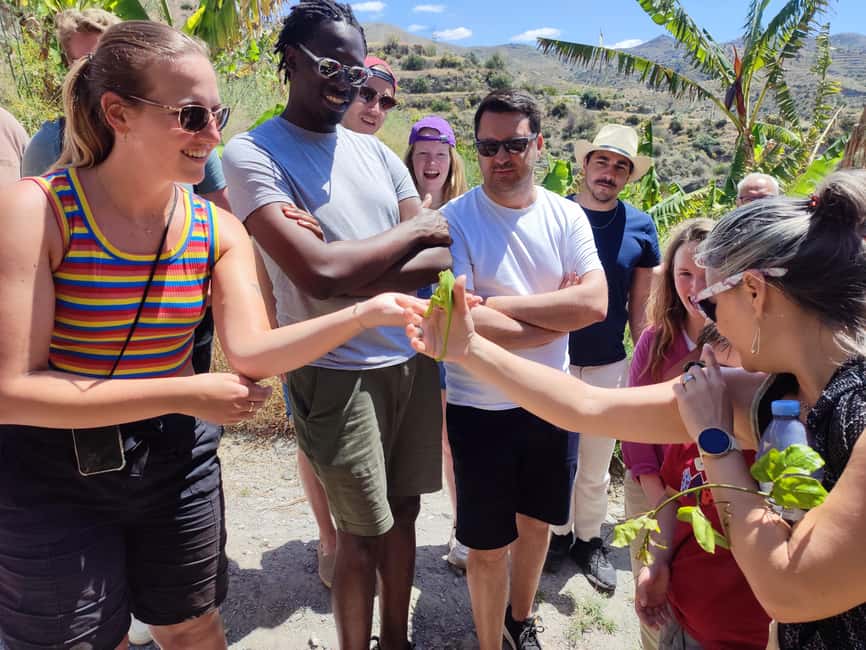
The activity is advertised as a 70-minute walking tour. The detailed tour information also describes the plantation visit as about 1.5 hours, and several accounts place the walk in that longer range.
I would plan for roughly 70 to 90 minutes, allowing extra time for questions, pauses, photographs, and shopping at the cortijo. If you have a tight connection, lunch reservation, or scheduled bus, leave a buffer.
The route includes two steep areas. Chairs are available, and the guide makes pauses, but the walk is not suitable for people with mobility impairments, wheelchair users, or low fitness. Comfortable shoes are essential. Sunscreen is also sensible, particularly in the warmer months, although it is not listed as a required item.
The farm is within walking distance of La Herradura beach, and it is only minutes from Nerja by car. Walking from La Herradura can take around 30 to 35 minutes, according to one practical account, with the route feeling more comfortable during a cool morning.
The meeting point and ending point are not necessarily the same. Confirm the exact starting place before setting off. That detail matters if you walk, use a taxi, or plan to arrange a ride back.
Getting there without creating a transport headache
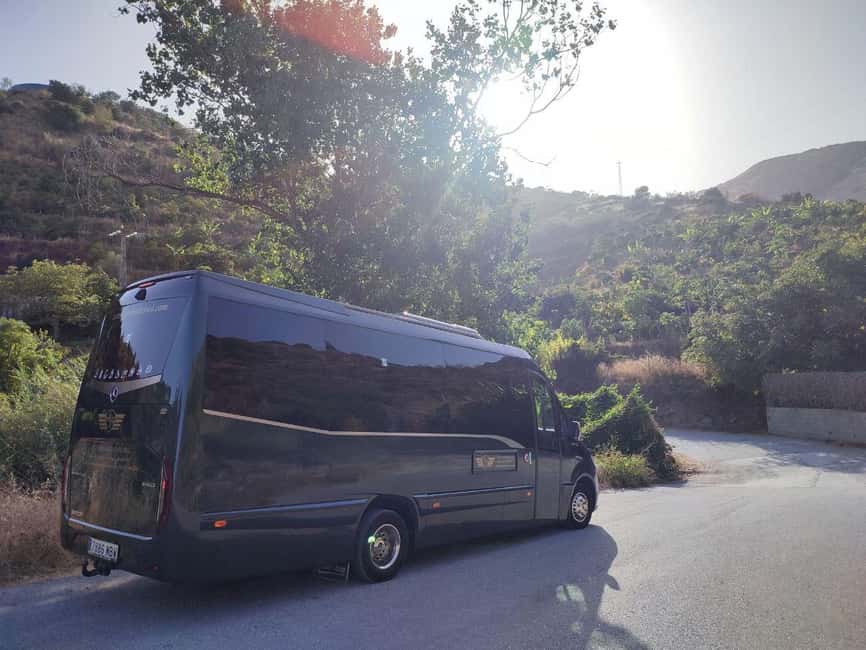
Hotel pickup and drop-off are not included. You need to arrange your own way to the farm and back.
From La Herradura, walking is possible if you are comfortable with the distance and local roads. From Nerja, a taxi or rideshare may be more practical. One important local tip is that an Uber may take you to the farm but may not be reliable for the return journey. A local taxi is the safer plan, and Manuel has sometimes helped arrange one for visitors.
The end point is listed around Finca La Herradura, with Almuñécar also mentioned as an option. Since the meeting point can change according to the booking option, check the directions carefully rather than relying only on the name of the attraction in your map app.
This is a small detail, but it can shape your whole morning. The farm is easy enough to reach when planned properly, but an unplanned return trip could leave you waiting in a rural area.
Is $17 a fair price?
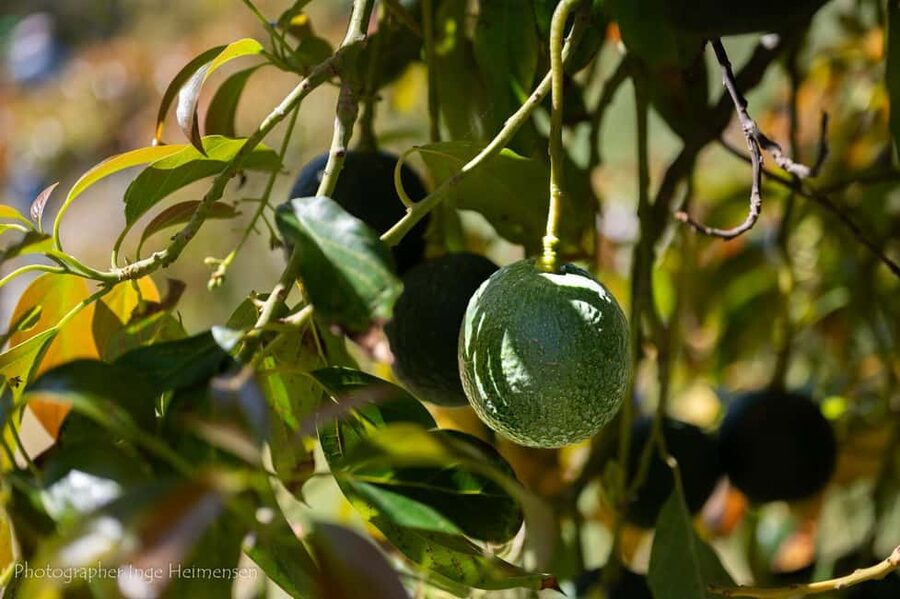
At $17 per person, this is one of the better-value nature activities around Nerja and La Herradura.
You are paying for a guided walk through a working coffee and fruit farm, explanations of cultivation and sustainability, sea views, and the chance to support a family-owned operation. You may also taste seasonal fruit and buy coffee or produce at the end.
The value is strongest if you are curious about farming, local food, or unusual crops. It is also a good choice for families who want an outing that gives children something to look at and questions to ask. The guide’s humor helps keep the information from feeling like a classroom lesson.
The price is less attractive if you expect a full meal, a long coffee workshop, or a large tasting session. Food and drinks are not included, and a paella workshop is a separate activity. Treat this as a farm walk with agricultural insight, not as a cooking class or café visit.
Who will enjoy it most
I would recommend this tour to anyone staying in Nerja, La Herradura, or Almuñécar who wants a break from beaches and historic centers. It suits people who enjoy plants, local food, family businesses, and hands-on stories about how things are grown.
Families are a particularly good match. Children can see unusual fruits, smell leaves, learn where coffee comes from, and possibly taste produce from the farm. The walk is short enough to hold attention, though the hills mean you should judge your family’s fitness honestly.
It also works well for couples. A honeymoon visit, for example, combines an unusual activity with beautiful views and a personal meeting with the farm owner. You do not need to be a coffee expert to enjoy it.
You should think twice if you have a heart problem, insect allergies, or serious difficulty walking uphill. The activity is outdoors, includes insects and uneven ground, and is not designed for wheelchairs.
The small details that improve the visit
Book a morning slot if you want cooler walking conditions. A visit in the heat can feel more demanding on the slopes, even though the route is not long.
Wear sturdy, comfortable shoes. Sandals or smooth-soled footwear will make the steep sections less pleasant. Bring sun protection and water for your own comfort, since food and drinks are not included.
If you are visiting for a particular fruit, ask about the season before booking. Mangoes, dragon fruit, coffee, and other crops will not all be at their best at the same time. A farm visit is partly about seeing what is growing now, not ordering a fixed display.
Keep an eye on the meeting point. The departure and ending locations differ, and this is the most important logistical detail to confirm.
Finally, leave room in your bag for coffee or seasonal produce. Buying something at the cortijo is a direct way to support the farm, and it lets you take home a more lasting reminder than a photograph.
Should you book La Herradura Coffee Farm?
Book it if you want an affordable, personal, slightly offbeat outing near Nerja. The strongest reasons are the rare chance to see coffee growing in mainland Europe, the surprising range of tropical fruit, the coastal views, and Manuel’s warm, humorous way of explaining his family project.
Do not book it expecting a flat route, guaranteed ripe mangoes, or a full coffee-tasting workshop. The walk has steep sections, transport is your responsibility, and tastings may depend on the day’s crops and arrangements.
For $17, I think it is a worthwhile choice for curious adults, families, and anyone interested in organic farming. Plan your transport, wear proper shoes, and approach it as a working farm visit rather than a polished theme attraction. That is exactly where its charm lies.
FAQ
Where is La Herradura Coffee Farm?
The farm is in La Herradura, Andalusia, near the beach and a few minutes from Nerja. Almuñécar is also mentioned in connection with the farm’s location.
How much does the tour cost?
The listed price is $17 per person.
How long does the tour last?
The activity is advertised as 70 minutes. Other tour details describe the guided plantation walk as about 1.5 hours, so allow roughly 70 to 90 minutes.
What will I see at the farm?
You can see productive coffee plants and up to 30 types of exotic fruit. Crops and trees include mango, avocado, dragon fruit, lychee, sugar cane, bananas, papaya, and cherimoya.
Is coffee tasting included?
The experience description refers to freshly brewed coffee and tasting fruit, but individual visit details can vary. Ask when booking if a coffee tasting is important to you.
Can I buy coffee at the end?
Yes. The tour ends at a 300-year-old Andalusian cortijo where you can buy the farm’s roasted coffee, seasonal fruit, and local products.
Is the tour suitable for children?
Yes. The visit can suit families, and children can learn about coffee, tropical fruit, and farming. The route includes two steep areas, so children should be comfortable walking uphill.
Is the farm wheelchair accessible?
No. The activity is not suitable for wheelchair users or people with mobility impairments.
What should I bring?
Bring comfortable shoes. Sunscreen is also a practical choice, especially during warm weather.
Is transportation included?
No. Hotel pickup and drop-off are not included. Confirm the meeting point, arrange your own transport, and plan your return because the ending point may differ from the starting point.
Recently reviewed around Malaga & Costa del Sol
- From Marbella: Canyoning Tour in Guadalmina Canyon★ 5.0 · 778 reviews
- Torremolinos: Crocodile Park Entrance Ticket★ 3.7 · 309 reviews
- Torremolinos: Flamenco Show with Drinks★ 4.6 · 290 reviews
- Selwo Aventura Admission Ticket with Skip-the-Line Access★ 4.2 · 151 reviews
- Tour to Gibralfaro★ 4.7 · 182 reviews
- Ronda: Spanish – Classical & Flamenco – Guitar Concert★ 4.8 · 108 reviews
- Ronda: Guided Walking Tour★ 4.6 · 104 reviews
- From Costa del Sol: Ronda and Setenil de las Bodegas★ 4.5 · 149 reviews
Malaga & Costa del Sol Tours, compared.
Caminito del Rey Guided Tour with Transportation
Read our review →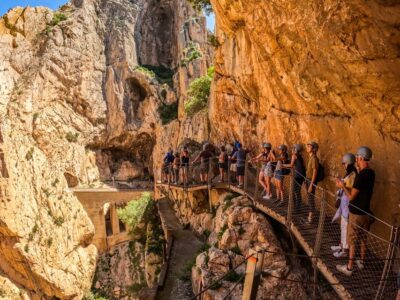
Caminito del Rey: Guided Tour and Entry Ticket
Read our review →
From Málaga & Costa del Sol: Caminito del Rey Guided Tour
Read our review →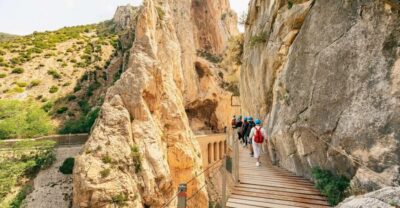
Caminito del Rey Guided Tour with Shuttle Bus
Read our review →
Caminito del Rey: Tour with Official Guide and Drink
Read our review →
Alcazaba and Roman Theatre Guided Tour With Entry
Read our review →
Browse the lists this tour appears in