
Reviewed · MUSEUMS
Guided Tour of the Factory + Anchovy Museum
The most memorable part of this Santoña outing is the chance to see anchovy production while it is happening, not just read about jars in a display case. The visit connects the fish auction, the work of the artisans, and the finished anchovy on your plate.
I like the low $8 price and the tasting with an anchovy and wine pintxo. I also like the museum’s unusual sensory design, with auction sounds, old fishing equipment, a recreated seabed, and even the remains of a stranded ship. The main consideration is language: the guided tour is in Spanish, and the live factory visit is limited to weekday mornings at 12:30, subject to the working calendar.
In This Review
- Key points before you book
- Why Santoña anchovies matter
- The morning factory visit at 12:30
- Inside the Santoña Anchovy Museum
- Old fishing tools and the route from sea to jar
- Watching an octavillo take shape
- Finishing with anchovies and wine
- How much time should you allow?
- Spanish language and accessibility
- Is $8 a fair price?
- Who will enjoy this experience most?
- Booking and cancellation basics
- Should you book the Santoña anchovy tour?
- FAQ
- Where does the tour begin?
- How much does the experience cost?
- How long does the tour last?
- Is the live factory visit available every day?
- What language is the tour in?
- What does the price include?
- Is the experience wheelchair accessible?
- Can I cancel the booking?
Key points before you book
- Live cannery work: On Monday through Friday mornings, the 12:30 visit may include real production by the factory’s artisans.
- Anchovy and wine pintxo: The experience includes a small tasting, with Conservas Ana María anchovies served with wine.
- A sensory museum: Hear a fish auction, see traditional tools, smell and taste the product, and explore a seabed-style exhibition.
- Octavillo demonstration: A craftswoman shows how the small tin container used for preserving anchovies is made.
- Spanish-language guide: The tour is conducted in Spanish, with no English option listed.
- Easy value: At $8 per person, this is a modest-cost activity for a short stop in Santoña, especially if you enjoy local food production.
Why Santoña anchovies matter
Santoña is closely tied to anchovies from the Cantabrian Sea. This tour gives you a useful look at the work behind a familiar food, from the fish auction to the careful process of preserving the fillets in a jar or tin.
That connection is the real reason to visit. You are not simply sampling a local snack. You are seeing how a fish becomes a carefully prepared product, and how fishing, handwork, packaging, and regional food culture fit together.
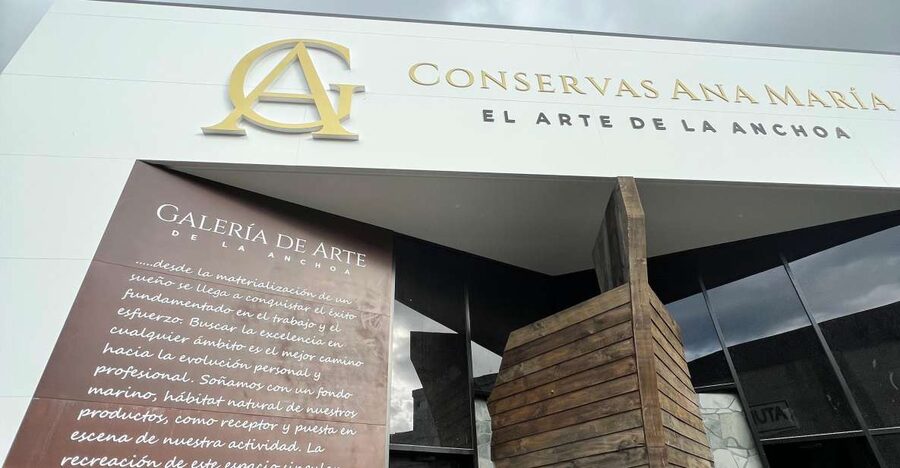
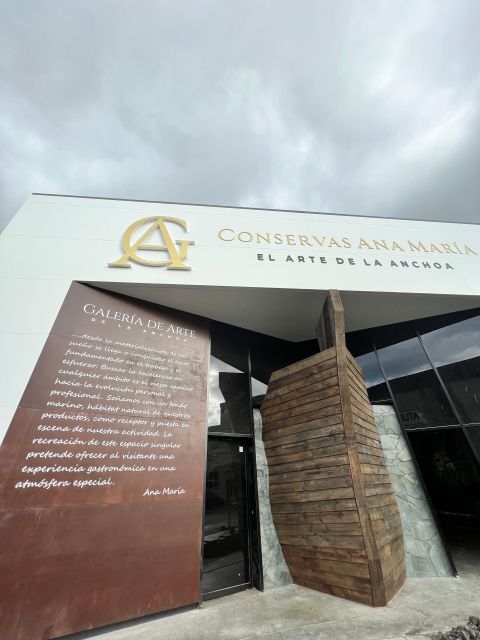
The tour takes place at the Ana María Canned Food Anchovy Art Gallery, also known as the Santoña Anchovy Museum. The meeting point is at C. Baldomero Villegas, 38, in Santoña. One practical warning is worth noting: the street number may not be clearly marked, so allow a little time to identify the entrance.
More Spain museums and collections:
- Madrid: Prado Museum Entry Ticket
★ 4.6 · 17,509 reviews - Barcelona: FC Barcelona Museum “Barça Immersive Tour” Ticket
★ 4.4 · 10,944 reviews - Madrid: Reina Sofía Museum Entrance Ticket
★ 4.5 · 6,889 reviews
The morning factory visit at 12:30
If you book the weekday morning option, the visit begins at the cannery at 12:30, provided the factory is working that day. This condition matters. A live production visit cannot happen when the artisans are not working, so you should treat it as a scheduled possibility rather than a guarantee for every departure.
When production is taking place, you can observe the anchovy or bonito process in real time. The guide explains the steps and gives you a better sense of the labor involved, from handling the fish to preparing it for preservation.
That working setting adds something a display cannot. You see the pace and care of the job, and you understand why the finished product costs more than an ordinary tin from a supermarket. One especially useful part of the experience is learning how much work lies between the catch at sea and the anchovies served at the table.
The factory portion is also where the tour feels most connected to present-day Santoña. The museum presents the story, but the cannery shows that the trade is not only part of the past.
Inside the Santoña Anchovy Museum
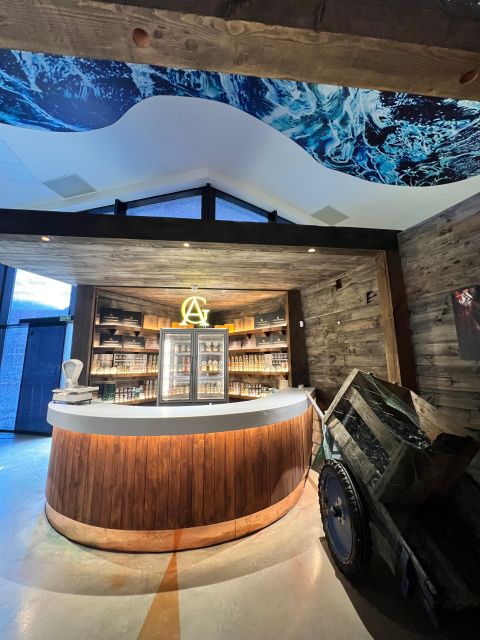
After the factory, you move to the Ana María anchovy gallery. The building is designed to suggest the seabed, which gives the museum a more playful setting than a standard food display.
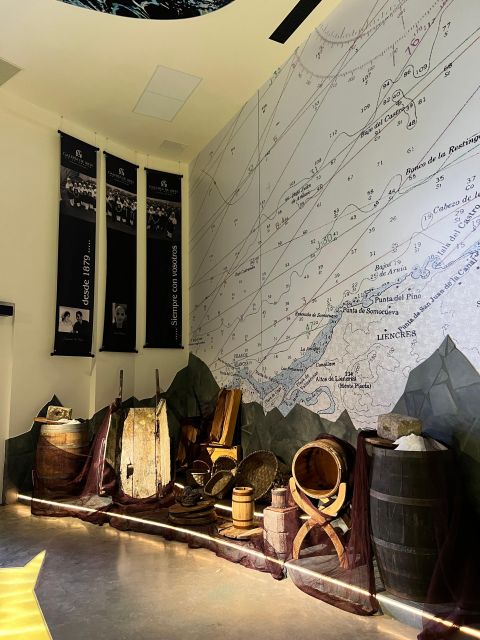
The exhibition uses several senses rather than relying only on written panels. You hear the sound of an auction, see traditional equipment, and encounter displays connected with fishing and preserving anchovies. The layout includes the remains of a stranded ship, creating a small wreck-themed feature within the museum.
This approach works well for families and for anyone who prefers an active presentation. You are asked to listen, look, smell, taste, and touch as you move through the space. It is not a large museum, but the sensory design gives the short visit a clear rhythm.
The opening sound is especially useful because it places the anchovy trade in its working setting. You hear the three sirens of the Santoña fish market, which signal that the fish is about to be sold. That detail links the finished jar back to the market and the boats that supply it.
Old fishing tools and the route from sea to jar
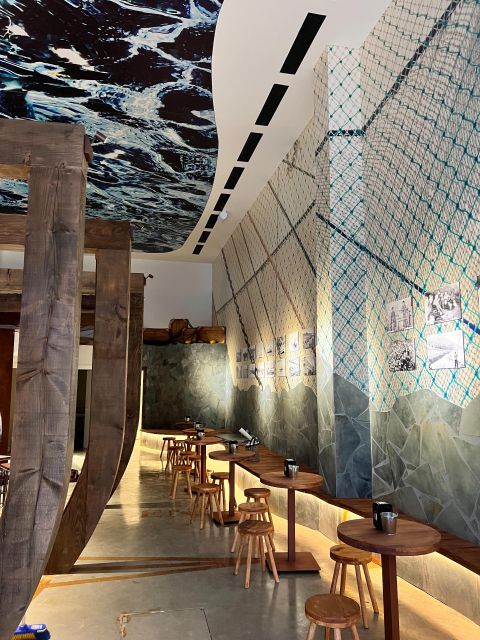
The museum displays utensils from the last century that were used in fishing and preserving anchovies from the Cantabrian Sea. These objects help explain the practical side of the industry.
The guided explanation then follows the anchovy from its catch at sea to its final preservation in a can or jar. A video in the projection room covers this process, giving you a simple visual guide before the hands-on demonstration.
I find this part valuable because it fills in the missing middle. Many food tours jump from raw ingredient to tasting without explaining the work in between. Here, you get a basic production story, then see part of the process demonstrated by hand.
The museum is also a good choice if you have children in your group. The ship remains, seabed setting, sounds, and moving images give younger visitors more to notice than a row of static labels. Still, the amount you get from the explanation depends on your Spanish. If you cannot follow Spanish, the visual displays and demonstration will help, but the spoken guide will be difficult.
More Spain trips worth a second look
- Barcelona: Sagrada Familia Entry Ticket with Audio Guide
★ 4.6 · 105,312 reviews - Barcelona: Park Guell Guided Tour with Skip The Line Entry
★ 4.7 · 17,563 reviews - Málaga: Caminito del Rey Guided Tour with Transportation
★ 4.8 · 12,183 reviews - Caminito del Rey: Guided Tour and Entry Ticket
★ 4.6 · 11,286 reviews
Watching an octavillo take shape
One of the most specific demonstrations is the making of an octavillo. This is the tin container used to preserve anchovies.
A craftswoman shows the process live, giving you a direct look at the handwork behind the packaging. This small demonstration is easy to overlook in a food tour, yet it helps you see the container as part of the product’s identity, not just a disposable wrapper.
The octavillo also gives the visit a human scale. You see an artisan working with a traditional form, rather than only watching a video about industrial production. If you enjoy crafts, packaging, and old trades, this may be one of the more satisfying parts of the museum.
Because the activity is short, the demonstration does not turn into a long workshop. You watch and listen rather than make your own container. That keeps the tour moving, but it also means you should not expect an extended hands-on class.
Finishing with anchovies and wine
The tour ends with a tasting of Conservas Ana María anchovies. The included food is described as an anchovy and wine pintxo, giving you a small taste of the product after learning how it is made.
This is a sensible ending. You have just heard about the catch, watched the production, seen the preservation container, and followed the process through the museum. The tasting lets you judge the finished product for yourself.
Conservas Ana María has received national and international awards for its Cantabrian anchovies in recent years. That does not mean every visitor will have the same taste preferences, but it does give the tasting some context. You are sampling the house product at the place where it is produced and presented.
Keep your expectations realistic about quantity. This is a pintxo and tasting, not a full meal. If you are hungry, plan another meal in Santoña. The value comes from combining the sample with the factory and museum visit, not from the amount of food alone.
You can also purchase products at the establishment after the tour. This is useful if you want to take home jars or tins, though the information provided does not specify the exact range or prices.
How much time should you allow?
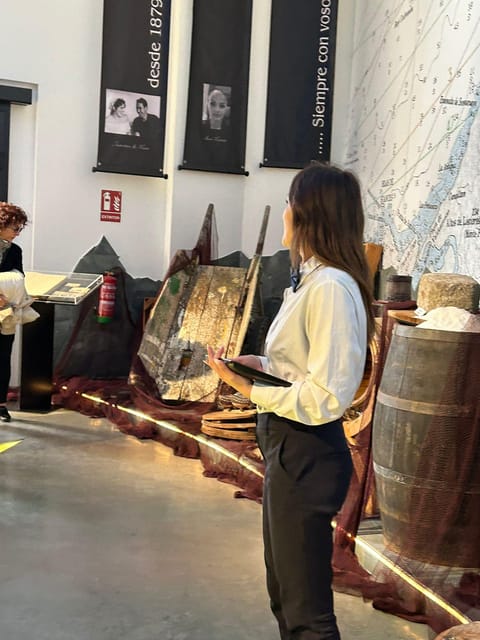
The listed duration is 45 minutes, while the detailed museum description says the visit lasts approximately one hour. That small difference is worth keeping in mind when planning your day.
I would avoid scheduling another activity immediately afterward. The exact length may depend on the factory visit, the guide’s explanation, and the pace of the group. The itinerary includes the cannery, museum, demonstration, and tasting, so the time can pass quickly.
The 12:30 morning slot is the key time for live production. Other starting times may be available, but the factory portion is only offered in the morning from Monday through Friday and only when the artisans are working. If seeing the cannery in operation is your main reason for booking, check the working calendar before paying.
Spanish language and accessibility
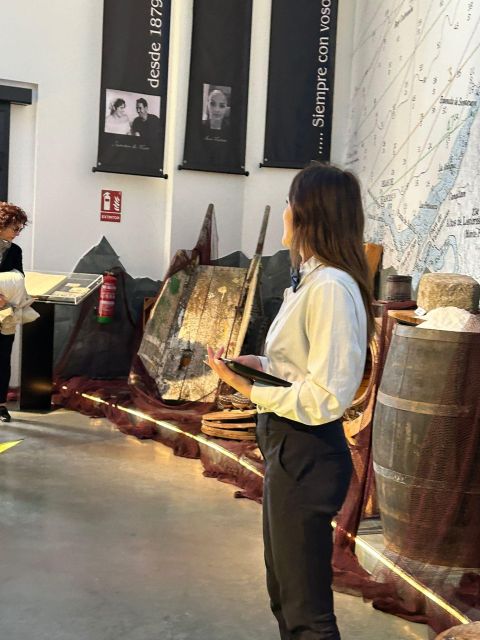
The live tour guide speaks Spanish. There is no English-language tour listed, and a few visitors have found the Spanish explanation difficult when they could not speak the language.
You can still follow some of the experience through the objects, video, sounds, demonstrations, and tasting. However, the tour’s story depends on the guide explaining the production process, so basic Spanish or a translation tool would make the visit more rewarding.
The experience is wheelchair accessible. The meeting point is at the entrance to the Ana María gallery, which keeps the arrival straightforward once you locate the address.
Is $8 a fair price?
At $8 per person, the tour is good value if you want a short local food experience rather than a major half-day attraction. The price includes the guided explanation, the museum, the production observation when available, and the anchovy and wine pintxo.
The factory access is the most important factor in judging the value. If you visit during a working weekday morning, you receive the strongest version of the experience: a live look at production followed by the museum and tasting.
If you visit at a time when the factory is not operating, you should expect the museum-focused version instead. That still includes the exhibition, video, octavillo demonstration, and tasting, but it is not the same as seeing the artisans at work.
The price also works well for a flexible day in Santoña. You do not need to commit a large part of your budget or schedule, and the product shop gives you a chance to buy something connected to the visit.
Who will enjoy this experience most?
I would recommend this tour to you if you enjoy regional food, small museums, traditional crafts, or the practical side of food production. It suits families, couples, and anyone looking for a short activity between meals or coastal sightseeing.
It is especially suitable if you are already in Santoña. The meeting point is central to the experience, and the tour gives you a reason to spend time with a local product rather than simply passing through.
You should think twice if you need an English-language explanation or want a long factory tour with extensive access to every stage of production. The tour is short, conducted in Spanish, and the live factory element depends on the work schedule.
It is also not the right choice if you expect a full meal. The anchovy and wine pintxo is a tasting, so plan food separately.
Booking and cancellation basics
You can cancel up to 24 hours before the activity for a full refund. A reserve-now, pay-later option is also available, which helps if you are still adjusting your Cantabria plans.
Before booking, check three things: the language, the starting time, and whether the selected visit falls during the weekday morning factory schedule. Those details will shape the experience more than the small price difference between this and other local activities.
Should you book the Santoña anchovy tour?
Book it if you want an affordable, clearly local experience that links food with working life. The best version is the 12:30 weekday visit when production is active. You get the cannery, the museum’s unusual seabed setting, the octavillo demonstration, and a tasting for $8.
I would skip it only if you need English commentary, want a longer industrial tour, or cannot visit during the factory’s working hours. For everyone else, it is a practical way to understand why Santoña anchovies matter, with enough hands-on detail to make the tasting feel earned.
FAQ
Where does the tour begin?
The meeting point is at C. Baldomero Villegas, 38, at the entrance to the Ana María Canned Food Anchovy Art Gallery, also known as the Santoña Anchovy Museum.
How much does the experience cost?
The listed price is $8 per person.
How long does the tour last?
The activity is listed as lasting 45 minutes. The detailed museum description says the visit lasts approximately one hour, so allow some flexibility.
Is the live factory visit available every day?
No. The live factory visit is available only in the morning at 12:30, from Monday through Friday, and only when the artisans are working according to the factory calendar.
What language is the tour in?
The live guided tour is in Spanish. No English-language option is listed.
What does the price include?
The price includes a guided cannery visit, an explanation of the production process, observation of anchovy or bonito production when available, and an anchovy and wine pintxo.
Is the experience wheelchair accessible?
Yes, the activity is listed as wheelchair accessible.
Can I cancel the booking?
Yes. You can cancel up to 24 hours in advance for a full refund. A reserve-now, pay-later option is also available.
Recently reviewed around Spain
- Segway Your Way Through Granada’s History: The Ultimate Ride★ 5.0 · 334 reviews
- Firgas, Tejeda, Guayadeque – VIP Tour Gran Canaria★ 4.5 · 173 reviews
- Scuba Diving Experience for Beginners in Gran Canaria★ 5.0 · 561 reviews
- Sioux City Park Entrance Ticket★ 4.5 · 171 reviews
- The Best Horse Riding Experience in Gran Canaria (2 hours)★ 4.5 · 349 reviews
- Supercar Experiences on the Circuit of Maspalomas★ 5.0 · 110 reviews
- Sala Scala Gran Canaria Dinner Show★ 4.5 · 212 reviews
- SUBMARINE ADVENTURE – Submarine Excursion in Puerto de Mogán★ 4.0 · 126 reviews
Museums, compared.
FC Barcelona Museum “Barça Immersive Tour” Ticket
Read our review →
Park Güell and Gaudí House Museum Entry Ticket
Read our review →
Puro Flamenco Show with Optional Museum Ticket
Read our review →
Girona & Dali Museum Small Group Tour with Pick-up from Barcelona
Read our review →
Oceanogràfic, Hemisfèric & Science Museum Combo
Read our review →Browse the lists this tour appears in