
Reviewed · WINE TOURS
Gran Canaria: Winery Tour, Wine Museum, and Tasting
A 1912 family winery, a working cellar, and Gran Canaria’s only wine museum make this more than a quick tasting stop. I like the old stone lagar, where grapes were once trodden by foot, and the way the tour connects volcanic soil, local grape varieties, and modern organic wine production. The garden tasting, with cheese and toasted bread, gives the visit a pleasant finish.
The main drawback is transport. There is no hotel pickup, and reaching the finca by bus can take some planning. The meeting instructions also deserve close attention, especially since one visitor found the starting point unclear. Still, at $34 for 1.5 hours, the visit offers a useful slice of Gran Canaria’s rural culture without taking half a day.
In This Review
- Key points at a glance
- A 1912 winery with a family story
- Walking through the organic vineyard
- The old stone lagar and the wine museum
- Inside the cellar
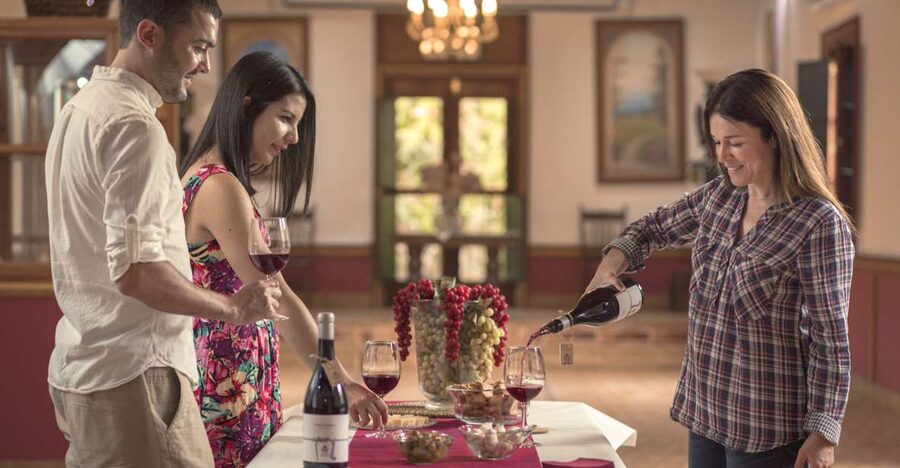
- Two wines, cheese, toast, and olives
- Is $34 good value?
- Getting there and planning the visit
- Who will enjoy this winery visit?
- Should you book Bodega San Juan?
- FAQ
- Where does the winery tour meet?
- How long does the experience last?
- How much does the tour cost?
- Is hotel pickup included?
- What does the tasting include?
- Is the tour offered in English?
- What will I see during the tour?
- What happens if it rains?
Key points at a glance
- A five-generation winery: Bodega San Juan, also known as Finca El Mocanal, has been in the same family for generations and dates back to 1912.
- Gran Canaria’s only wine museum: See old machinery and family photographs that show how winemaking changed over time.
- A working organic vineyard: Learn about local grape varieties, volcanic soil, sun, and the care needed to keep the crop healthy.
- A 100-year-old stone lagar: This historic grape-pressing area gives the tour a strong link to earlier island winemaking.
- Two wines with local food: The tasting includes two wines, Gran Canaria cheese, toasted bread, and olives.
- A warm English-speaking guide: Maria receives repeated praise for her humor, clear explanations, and ability to handle mixed-language groups.
A 1912 winery with a family story
Bodega San Juan is not a polished wine theme park. That is part of its appeal. The finca is a family-run place with old buildings, working vineyard land, and objects that show how the business operated before modern equipment arrived.
You begin with the family story, including old photographs and the history of a winery that has passed through five generations. This gives the visit a personal anchor. Instead of hearing only broad claims about island wine, you see how one family kept its property and traditions going over many decades.
I like this opening because it helps you read the buildings and tools that come later. The museum pieces are not isolated antiques. They belong to the same family story, and the guide explains how older methods fit into the winery’s current work.
Guide Maria receives especially strong praise for making the history easy to follow. She is described as friendly, funny, and clear in English. One tour even involved switching between languages so the whole group could keep up. That matters in a short visit, since a rushed or flat explanation could make the old equipment feel like a collection of dusty objects.
One recent account did note that the guide seemed abrupt before the tour began and that the starting location was not explained clearly. That sounds like a meeting-point issue rather than a problem with the tour itself, but I would still confirm that you are going to Bodega San Juan at Finca El Mocanal before setting out.
More Food Tours in Gran Canaria
- Gran Canaria: Camel Ride Safari w/ Optional Food & Transport
★ 4.2 · 1,167 reviews - The Volcano Heart Tour: Hiking, Tasting and Sunset Experience
★ 5.0 · 1,120 reviews - Gran Canaria: Fun Catamaran Cruise with Food and Drinks
★ 4.6 · 1,019 reviews
Walking through the organic vineyard
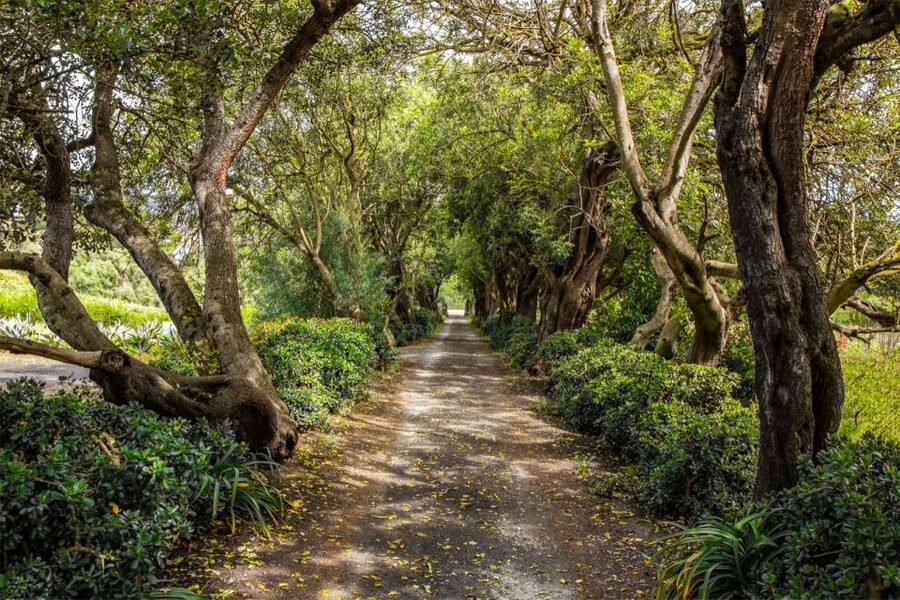
The outdoor part of the visit introduces you to the vineyard itself. You walk among the vines, look at the setting, and hear how the local climate helps the grapes ripen in the island sun.
The important point here is that Gran Canaria wine does not come from a generic European growing region. The tour explains the role of volcanic soil and the local grape varieties that have adapted to the island. You also hear about the daily work needed to keep the crop in good condition.
That practical detail makes the vineyard walk worthwhile even if you are not a serious wine enthusiast. You get a better sense of why a small island winery may produce wines with their own character. The guide covers the path from grape to bottle, including crop care, fermentation, and production choices.
Do not expect a long hike. The complete experience lasts only 1.5 hours, so the vineyard visit is a compact walk and explanation rather than a full agricultural tour. I see that as a plus for a holiday schedule. You have time for the main ideas, photographs, and tasting without giving up an entire afternoon.
The grounds also appear to be one of the strongest parts of the setting. The old buildings, vines, and garden provide good photo opportunities, and the tasting may take place outside, with butterflies around the garden. Since the tour runs rain or shine, bring sensible clothing for the forecast rather than assuming every part will be indoors.
The old stone lagar and the wine museum
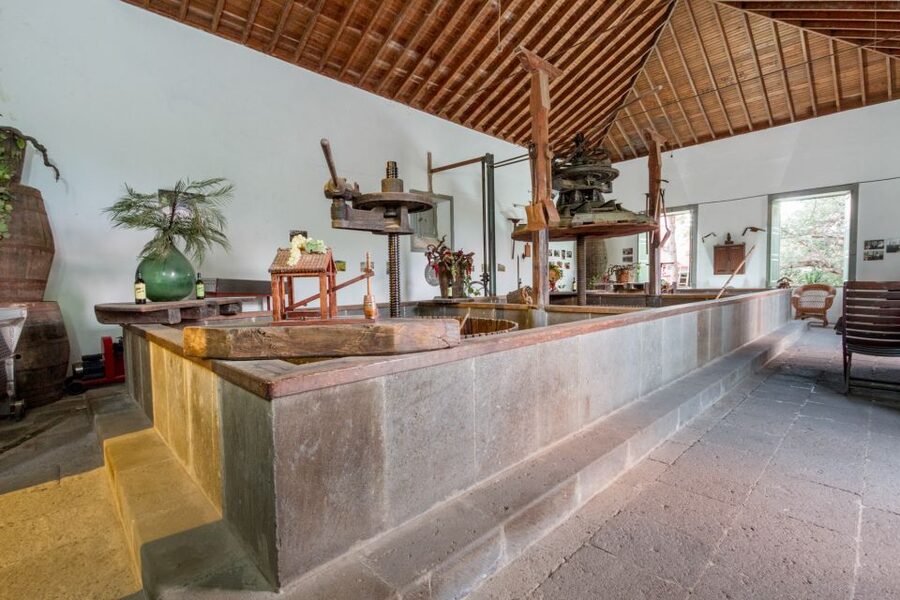
One of the most memorable objects is a stone lagar dating back about 100 years. This is where grapes were once pressed by foot. It gives you a clear picture of the physical work behind earlier winemaking, long before compact modern machinery took over.
I like stops like this because they explain the past through something concrete. You are not just told that winemaking used to be labor-intensive. You see the place where the work happened.
The wine museum adds another layer. It is described as the only wine museum in Gran Canaria, and it contains old machinery used in the production process. The collection is modest rather than grand, but that fits the character of the winery. The point is not to fill a large hall with unrelated objects. It is to show how this particular finca made wine over time.
The guide compares the old methods with the current facility, so you can follow the changes from grape pressing to fermentation and bottling. This old-and-new contrast is one of the tour’s best teaching tools. The historic equipment shows the labor and limits of earlier production, while the modern area shows how the winery now works.
If you have already visited large commercial wineries, you may find this one less elaborate. You will not get a giant visitor center or a highly staged presentation. In return, you get a smaller family operation where the objects and buildings feel tied to the place.
Inside the cellar
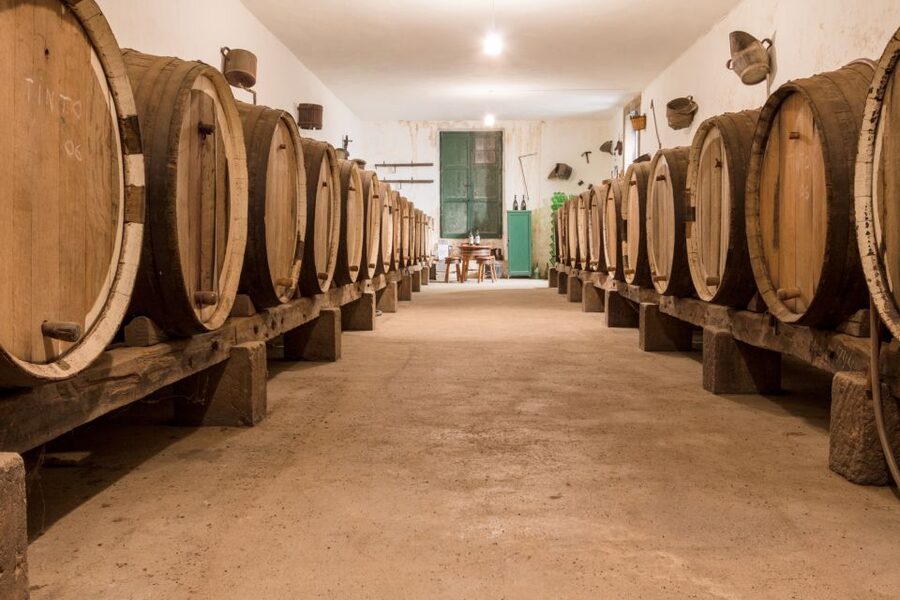
The cellar supplies the sensory center of the visit. As you enter, you can smell wine fermenting in wooden casks. That aroma makes the process feel immediate in a way that a museum display cannot.
The guide explains the work involved in turning grapes into organic wine, from the vineyard through fermentation and on to the bottle. You also see how the old cellar relates to the newer production space.
This is a useful distinction for booking decisions. If you only want to drink wine in a pretty setting, the tasting alone may be enough. If you want to understand what happens before the glass reaches the table, the cellar and production explanation add real value.
The word organic is part of the experience, but the supplied details do not specify particular certification standards or farming methods. I would treat the tour as an introduction to the winery’s organic approach, not as a technical certification lecture.
The scale of the place also affects the mood. Several people describe the visit as relaxed and less commercial than larger wineries. That suits you if you prefer a family business and a personal guide. It may not suit you if you want a broad comparison of many Gran Canaria producers.
More Gran Canaria trips worth a second look
- Montserrat Half-Day Tour with Tapas and Gourmet Wines
★ 5.0 · 7,359 reviews - Montserrat & Cogwheel Train, Gourmet Wine Tasting & Tapas/Lunch
★ 5.0 · 6,290 reviews - Barcelona Tapas and Wine Experience Small-Group Walking Tour
★ 5.0 · 5,804 reviews - Montserrat with Black Madonna & Medieval Winery with Tapas/Lunch
★ 5.0 · 5,209 reviews
Two wines, cheese, toast, and olives
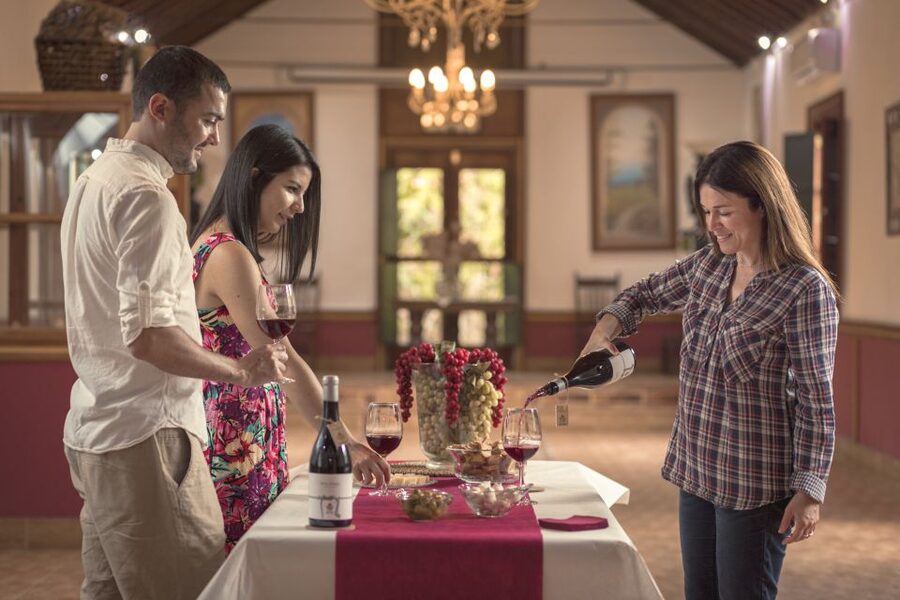
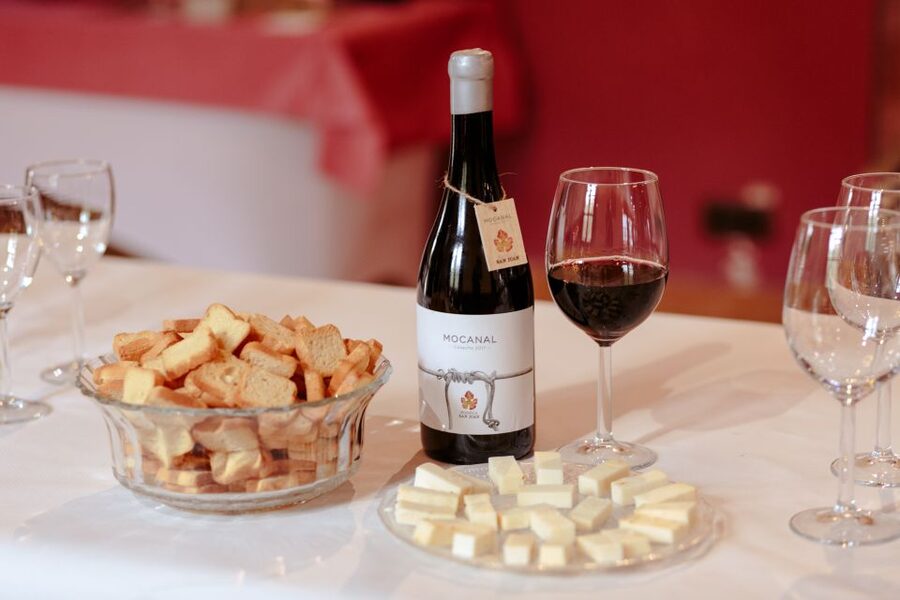
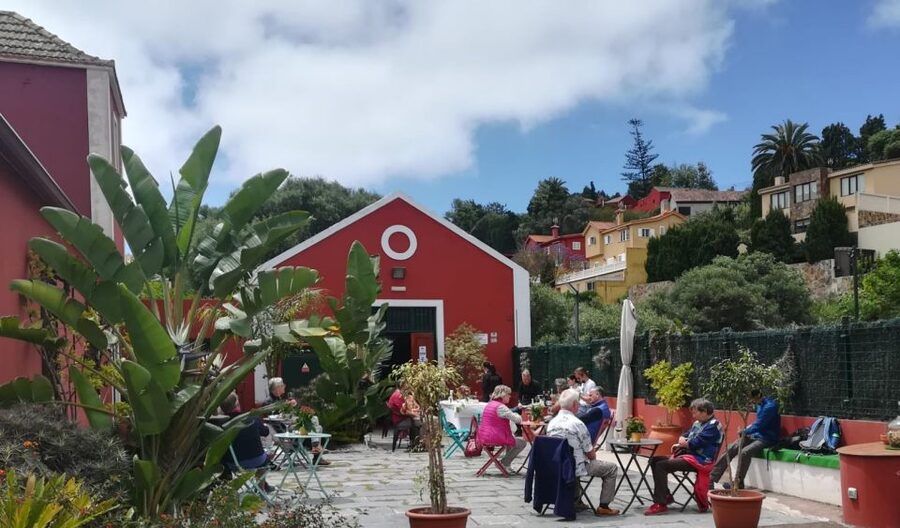
The tasting comes at the end and includes two wines, Gran Canaria cheese, toasted bread, and olives. This is not a long tasting flight, but two well-chosen wines are enough to finish a 90-minute tour without making the experience feel hurried.
The food matters. Cheese and bread give you something substantial to pair with the wine, while olives add a simple local touch. The tasting is designed as a snack, not lunch, so plan another meal if you are hungry.
The setting can be part of the pleasure. The tasting area is described as a beautiful garden on the estate, and the outdoor atmosphere gives the final portion a slower pace. After walking through the vineyard, museum, and cellar, you can sit with the wine and think about what you have just seen.
The wines receive some of the strongest praise in the available feedback. Several people describe them as delicious, and one couple bought two bottles to take home. Another visitor particularly enjoyed the red wine but found that none was available to buy at the time. That is a useful warning: do not assume every wine you taste will be in stock for purchase.
Another visitor regretted that the winery did not export its wine. If you find a bottle you like, ask about current availability before you leave. The information provided does not promise bottle sales, so buying wine should be treated as a possible extra, not a guaranteed part of the visit.
Is $34 good value?
At $34 per person, I consider this good value if you want a small cultural experience with food and drink. The price covers the farm and vineyard visit, the museum and cellar explanations, a guided look at the production process, and two wines with cheese, toast, and olives.
The value comes from the combination. A basic tasting might cost less, but it would not give you the same connection to the family, the old lagar, or the museum. A longer winery tour might offer more wines, yet it could also feel more commercial and take more time.
The 1.5-hour length is particularly useful. You can fit the visit into a day of sightseeing without making it the only activity. It also works well for a relaxed afternoon, especially if you want a break from busy resort areas.
I would not choose it solely as a meal replacement or a full wine course. The tasting is limited to two wines, and the snacks are modest. The experience earns its price through the setting, story, and access to the old and new parts of the winery.
Getting there and planning the visit
You meet at Bodega San Juan, Finca El Mocanal, and hotel pickup and drop-off are not included. That means you need to arrange your own transport and allow enough time to find the finca.
Bus access is possible, but it may be complicated. One person found it manageable, while another account describes a taxi being arranged after the tour. If you rely on public transport, check the route carefully and leave a buffer before the starting time.
Driving may be simpler, but the provided details do not include parking information, so do not assume anything beyond the stated meeting point. The location wording is repeated in the booking details, which makes it especially important to confirm the exact map pin or directions before departure.
The activity is offered in English, with an English-speaking host or greeter. Maria has handled groups with different language needs, but English is the only language specifically listed for the experience.
The tour goes ahead in rain or shine. The vineyard and garden are part of the visit, so pack for the weather and use shoes suitable for walking around a working finca. The walking is not presented as strenuous, but outdoor surfaces may not be as smooth as those at a city museum.
You can cancel up to 24 hours ahead for a full refund, and reserve now while paying later. Those terms are useful if your Gran Canaria plans are still shifting, but they do not remove the need to get to the meeting point on time.
Who will enjoy this winery visit?
I would recommend it first to wine drinkers who want context with their glass. You will learn about the family, grapes, soil, cellar, and equipment before tasting the finished product.
It also suits people who enjoy small family businesses and historic buildings. The old photographs, 100-year-old lagar, museum tools, and garden give the experience more personality than a standard tasting counter.
It works for a birthday or a quiet afternoon, too. One visit was arranged for a mother’s birthday, and the flexible, friendly guiding style helped make it feel personal. The setting is scenic without requiring a long walk.
Families and mixed groups may also find the short format useful, though the central subject remains wine. If you do not drink wine, you may still appreciate the history and buildings, but much of the final portion centers on the two-wine tasting.
I would think twice if your priority is a large selection of wines, a full meal, or hotel-to-hotel convenience. You get two wines, light snacks, and self-arranged transport. The reward is the intimate setting and the chance to see a working family winery from vineyard to glass.
Should you book Bodega San Juan?
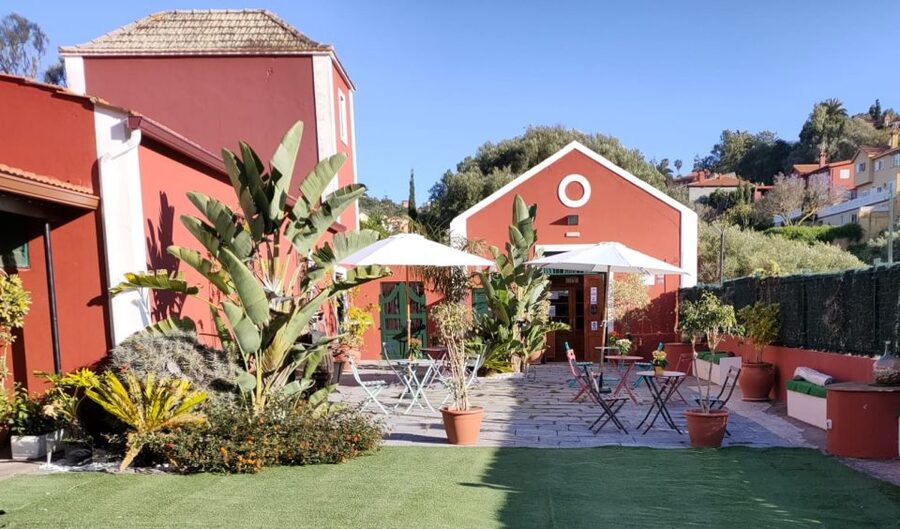
I would book this tour if you have an interest in wine, island agriculture, or family-run historic properties. The strongest reasons are the 1912 setting, the old stone lagar, the only wine museum in Gran Canaria, and the tasting in the estate garden.
At $34, the price is fair for the amount packed into 1.5 hours. Just plan your route carefully, confirm the meeting point, and do not count on buying a particular bottle after the tasting.
If you want a polished, high-volume winery operation, choose something else. If you want an approachable guide, local cheese, two wines, old machinery, and a direct look at how Gran Canaria wine is made, this is an easy addition to your itinerary.
FAQ
Where does the winery tour meet?
The meeting point is Bodega San Juan at Finca El Mocanal in Gran Canaria.
How long does the experience last?
The tour lasts 1.5 hours.
How much does the tour cost?
The listed price is $34 per person.
Is hotel pickup included?
No. Hotel pickup and drop-off are not included, so you must arrange your own transport to and from the winery.
What does the tasting include?
You receive two wines accompanied by Gran Canaria cheese, toasted bread, and olives.
Is the tour offered in English?
Yes. The host or greeter is listed as English-speaking, and English is the stated tour language.
What will I see during the tour?
You will visit the organic vineyard, see a 100-year-old stone lagar, explore the wine museum and its old machinery, enter the cellar, compare older and modern production areas, and finish with a tasting.
What happens if it rains?
The tour takes place rain or shine. You should dress for the weather, since part of the experience takes place outdoors.
More Museum Tours in Gran Canaria
- Madrid: Prado Museum Entry Ticket
★ 4.6 · 17,509 reviews - Barcelona: FC Barcelona Museum “Barça Immersive Tour” Ticket
★ 4.4 · 10,944 reviews - Madrid: Reina Sofía Museum Entrance Ticket
★ 4.5 · 6,889 reviews - Barcelona: Park Güell and Gaudí House Museum Entry Ticket
★ 4.5 · 6,326 reviews
Recently reviewed around Gran Canaria
- Firgas, Tejeda, Guayadeque – VIP Tour Gran Canaria★ 4.5 · 173 reviews
- Scuba Diving Experience for Beginners in Gran Canaria★ 5.0 · 561 reviews
- Sioux City Park Entrance Ticket★ 4.5 · 171 reviews
- The Best Horse Riding Experience in Gran Canaria (2 hours)★ 4.5 · 349 reviews
- Supercar Experiences on the Circuit of Maspalomas★ 5.0 · 110 reviews
- Sala Scala Gran Canaria Dinner Show★ 4.5 · 212 reviews
- SUBMARINE ADVENTURE – Submarine Excursion in Puerto de Mogán★ 4.0 · 126 reviews
- Small-Group Surf Lessons in Gran Canaria★ 5.0 · 138 reviews
Wine Tours, compared.

Montserrat & Cogwheel Train, Gourmet Wine Tasting & Tapas/Lunch
Read our review →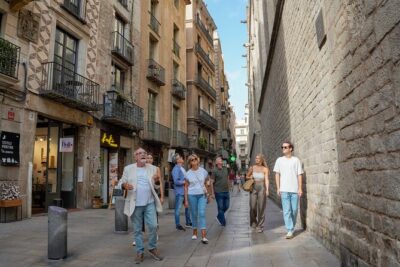
Barcelona Tapas and Wine Experience Small-Group Walking Tour
Read our review →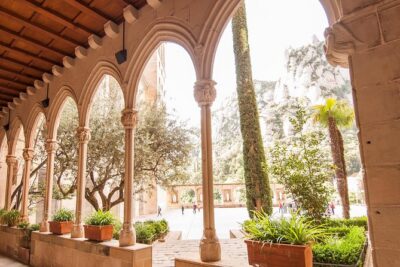
Montserrat with Black Madonna & Medieval Winery with Tapas/Lunch
Read our review →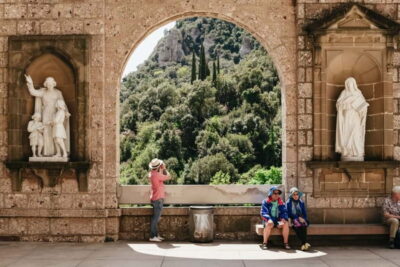
Montserrat and Winery Tour with Tapas or Lunch
Read our review →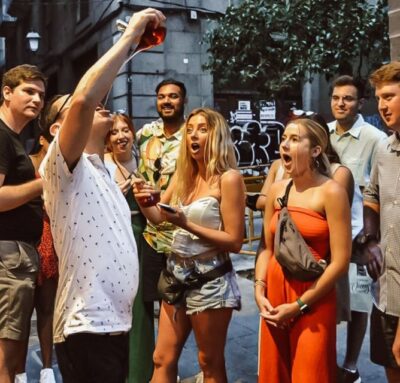
Tapas Walking Tour with Food, Wine, and History
Read our review →
Sevilla Food Tour: Tapas, Wine, History & Traditions
Read our review →
Valencia Old Town Tour with Wine & Tapas in 11th Century Historic Monument
Read our review →
Toledo Tour & Vineyard Walk with Wine Tasting from Madrid
Read our review →Browse the lists this tour appears in