
Reviewed · MADRID TOURS
From Madrid: El Escorial and Valley’s Basilica Half Day Tour
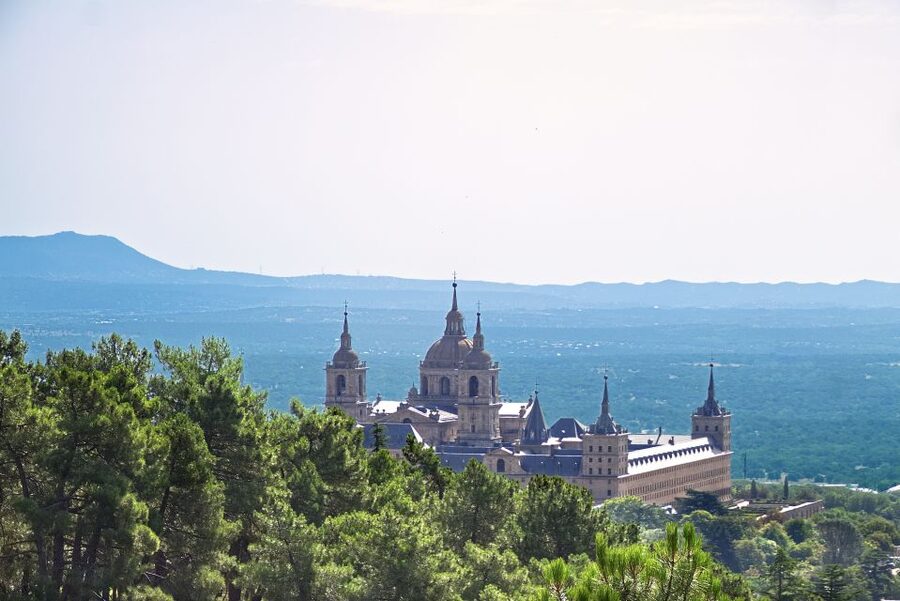
El Escorial is no ordinary royal palace. It is a monastery, a royal residence, a burial place, and a grand statement of Spanish power, all packed into one severe stone complex. The tour then shifts sharply to the Valley of the Fallen, a vast and politically charged memorial with a basilica cut into a mountain.
I like the efficient five-hour format, which lets you see two major sites without giving up a full day in Madrid. I also like the guided approach: guides such as Pilar, Sylvia, Carlos, Ana, and Anne have helped visitors make sense of places that can otherwise feel overwhelming. The main drawback is time. Forty-five minutes at the Valley of the Fallen can feel tight, and bilingual tours may give English speakers less explanation than expected.
In This Review
- Key points at a glance
- Why El Escorial makes a strong first stop
- Inside the cloister, palace, and royal tombs
- The Valley of the Fallen and its difficult meaning
- Forty-five minutes at the Valley: enough or too short?
- The five-hour schedule from Madrid
- What the $78 price includes
- Guide quality and the English experience
- Who should book this half-day outing?
- Practical advice before you go
- Should you book it?
- FAQ
- How long does the tour last?
- Where does the tour begin?
- What languages are available?
- How much time is spent at El Escorial?
- How much time is spent at the Valley of the Fallen?
- Is entry to the basilica included?
- Is transportation included?
- Is the tour suitable for wheelchair users?
Key points at a glance
- Two very different monuments in one morning: El Escorial explains royal Spain, while the Valley of the Fallen confronts the memory of the Spanish Civil War.
- El Escorial gets about two hours: Enough for the major rooms, cloister, royal tombs, and a guided introduction, but not every corner.
- The Valley of the Fallen includes the basilica interior: You are not limited to an outside view of the giant cross and mountain site.
- Transport saves time and effort: The coach takes you from central Madrid to the monuments and back in about five hours.
- Guide quality matters: Many guides have earned strong praise for clear explanations and a comfortable pace, though English delivery can vary.
- Comfortable shoes are essential: Expect walking through a large historic complex, with no suitability for wheelchair users.
Why El Escorial makes a strong first stop
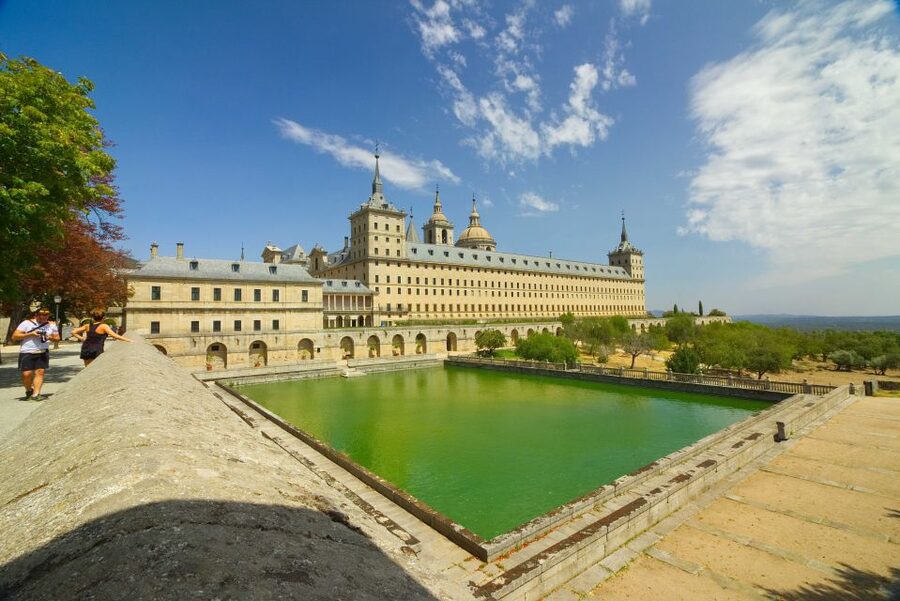
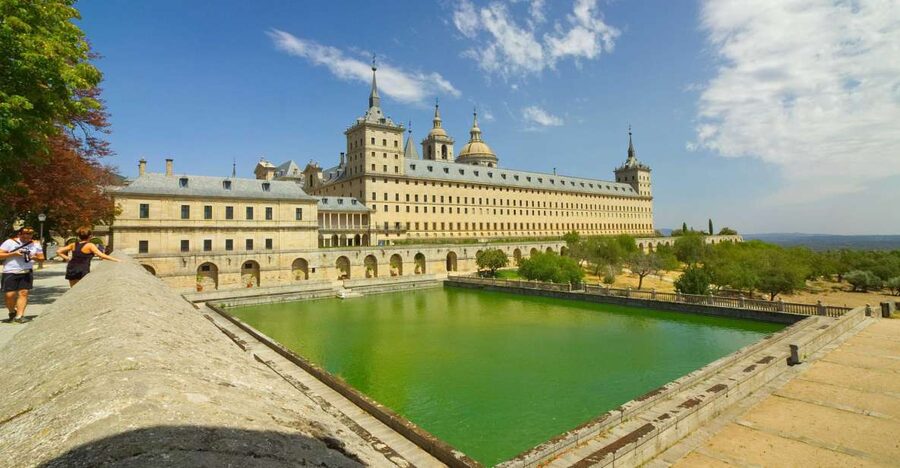
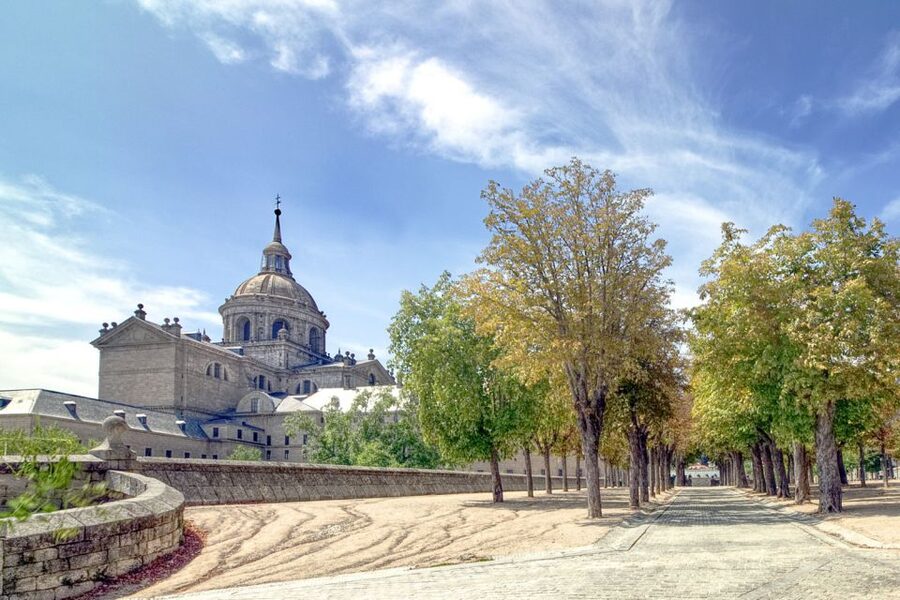
The Monastery of San Lorenzo de El Escorial was created under King Philip II, one of Spain’s most powerful monarchs. He intended the building to serve several purposes at once: royal residence, monastery, burial place, and a visible symbol of the Spanish Empire.
That mixture gives the visit its force. You are not simply touring an old palace. You are moving through a building designed to show how monarchy, Catholic faith, military success, and royal memory supported one another.
The exterior is imposing, but the interior is where the visit gains detail. Your guide leads you through the Cloister of the 4 Evangelists, the Palace of Philip II, and the Royal Pantheon. Each area offers a different view of royal life.
The Palace of Philip II is especially useful for putting the king’s image into human scale. After hearing about imperial rule and vast political ambitions, you see the more personal spaces linked to the monarch. The Royal Pantheon shifts the mood again, taking you into the burial place of Spain’s kings and queens.
The tombs of royal children are part of the experience too. They add a sobering detail often missed in a quick palace visit: royal succession was not secure, and infant mortality touched even the most powerful family in Europe.
Other Madrid days travellers weigh against this one:
- Madrid: Tour Bernabéu Entry Ticket
★ 4.5 · 21,573 reviews - Madrid: Prado Museum Entry Ticket
★ 4.6 · 17,509 reviews - Madrid: Royal Palace Fast-Access Admission Ticket
★ 4.6 · 13,856 reviews
Inside the cloister, palace, and royal tombs
The tour’s guided format is most valuable at El Escorial. The complex is large, and a short visit could easily become a procession of rooms without a clear story. A good guide connects the architecture to Philip II’s reign and explains why the building mattered to the Spanish monarchy.
Pilar was praised for giving a thorough explanation while keeping the group moving at a comfortable pace. Sylvia was noted for leading visitors through the monastery and down into the tombs with clear historical context. Carlos has also been praised for bringing genuine interest to the royal palace, which can help you look beyond its size and decoration.
The audio headset is meant to help you hear the guide while walking. This is useful in a large group, but you should check that your receiver works at the start. Some visitors have had trouble with headsets, wind, breathing sounds, or weak audio, particularly during the English portion.
The library may not be open during your visit. One visitor specifically wished to see it after viewing photographs, so treat it as a possible omission rather than a guaranteed stop. The included highlights are the cloister, palace, royal burial areas, and other specified rooms, not every part of the monument.
The Valley of the Fallen and its difficult meaning
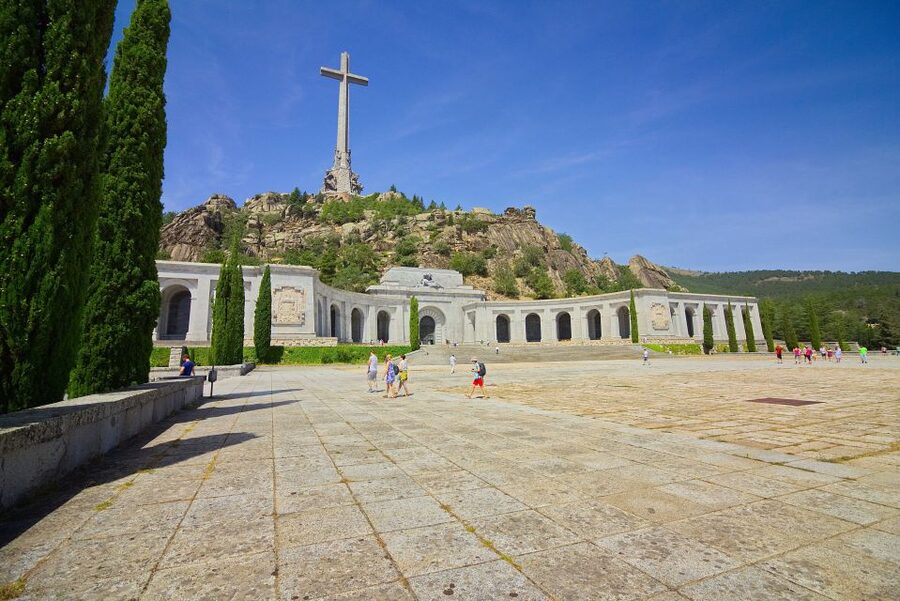
After about two hours at El Escorial, the coach takes roughly 15 minutes to the Valley of the Fallen. The site is about nine kilometers from El Escorial, in the Guadarrama Mountains, and its setting is one reason the stop feels so different from the monastery.
A cross more than 150 meters high dominates the site. Below it, the basilica and crypt are built into hard rock under the mountain. The scale is difficult to grasp from photographs. Even with a short visit, you can see why the monument leaves such a strong impression.
The Valley of the Fallen was built as a memorial to those who died in the Spanish Civil War. It is also tied to the dictatorship of Francisco Franco, and the site carries a difficult political and moral history. The basilica and cross were created in part through the labor of Franco’s prisoners, a fact that makes the monument more troubling than its monumental design might first suggest.
You should expect a somber stop, not a light sightseeing break. The physical scale is impressive, but the meaning of the place is contested and painful. A good guide can help you understand that tension rather than treating the site as just another grand church.
The tour includes entry to the Valley and the interior of the basilica. That matters because the main experience is not complete from the outside. You enter the mountain-carved religious space and see how architecture, memorial politics, and national memory meet in one place.
Forty-five minutes at the Valley: enough or too short?
The scheduled visit at the Valley of the Fallen is about 45 minutes. That gives you a focused look at the basilica and the main features, but it leaves little spare time.
One visitor felt that 10 extra minutes would have helped. I think that is a fair warning, especially if you want time for photographs, quiet reflection, or a closer look at the setting. The stop works best if you accept its limits and stay with the group.
This is not an ideal tour for wandering at your own speed. The coach must return to Madrid, and the two-site schedule depends on everyone being ready. Anne and Anna were praised for keeping groups together while maintaining a comfortable pace, which is important at a site where it is easy to fall behind.
The short visit is also part of the value. A private visit could give you more freedom, but transportation, admission, and an organized explanation would require more planning. Here, you get a strong introduction without giving the Valley an entire day.
A different way to spend the day, same corner of Spain:
- Madrid: “Emociones” Live Flamenco Performance
★ 4.8 · 12,866 reviews - Madrid: Panoramic Route City Tour
★ 4.1 · 12,259 reviews - Madrid: Live Flamenco Show with Food and Drinks Options
★ 4.5 · 9,901 reviews - Avila & Segovia Tour with Tickets to Monuments from Madrid
★ 5.0 · 9,762 reviews
The five-hour schedule from Madrid
The tour begins at VPT Tours, listed as the meeting point and starting location. From there, the coach ride to the El Escorial area takes about one hour.
The return journey from the Valley of the Fallen takes about 50 minutes, bringing the total transport time to nearly two hours. That is a significant part of a five-hour tour, but it is also what makes the excursion practical from Madrid. You do not have to arrange separate transport to two monuments outside the city.
The coach has been described as clean, comfortable, and air-conditioned. That will matter most in summer, when walking around large stone monuments and waiting outdoors can become tiring. The ride also gives older visitors a break between sites. One visitor specifically found the pace pleasant for older people.
The tour is scheduled tightly enough to keep the outing to half a day. You return to VPT Tours with the rest of the day available for Madrid museums, neighborhoods, or dinner. If you have only a short stay in the capital, that efficient timing is a real advantage.
What the $78 price includes
At $78 per person, the tour is not the cheapest way to leave Madrid, but the price covers several costs that add up quickly. You receive transportation, a live guide, entry and a guided visit at El Escorial, entry to the Valley of the Fallen and basilica, and an audio headset.
The strongest value comes from combining the two sites. El Escorial is worth visiting on its own, but adding the Valley gives you a broader view of Spanish history. One site presents royal power and Catholic monarchy. The other deals with civil conflict, dictatorship, remembrance, and the use of monumental architecture.
The price also buys simplicity. You have one meeting point, one coach, one guide, and no need to work out how to reach both monuments. If you prefer independent travel and already have a car or a firm transport plan, you may find the guided structure less necessary. If you want the practical work handled for you, the cost is reasonable.
Meals and drinks are not included. Food and drinks are also not allowed in the vehicle, so plan to eat before or after the tour. Do not bring large bags, oversized luggage, or pets.
Guide quality and the English experience
The guide can shape this tour more than any other single detail. The strongest experiences have included guides such as Pilar, Sylvia, Carlos, Ana, Anne, and Anna, who were praised for clear information, friendly manner, and steady pacing.
The language setup deserves attention. Tours are offered in English and Spanish, but a bilingual outing may not divide the explanation evenly. Some English-speaking visitors found that only part of the information was presented in English, while others had difficulty with an accent or a low voice.
If you book this tour, ask at the meeting point whether your group will be conducted entirely in English or bilingually. That simple check can help set your expectations. Use the headset, stay near the guide, and tell the guide promptly if the receiver is not working.
The pace is generally manageable, but the group must move together. You may not have time to stop at every object that catches your eye. In exchange, you get a clear route through a huge complex and a guide who can point out the major rooms and explain their purpose.
Who should book this half-day outing?
I would recommend this tour to anyone with at least one free morning in Madrid who wants more than city-center sights. It is especially suitable for first-time visitors who want a quick introduction to Spanish monarchy and the country’s 20th-century political memory.
It also suits people who prefer history explained on site. El Escorial can feel formal and austere without context, while the Valley of the Fallen requires more than a quick photograph to understand its significance.
The tour may work well for older visitors because the coach is comfortable and the pace has been described as pleasant. You still need comfortable shoes, since both monuments involve walking. The experience is not suitable for wheelchair users, according to the supplied accessibility information.
You may want a different option if you dislike group schedules, need long periods for photography, or want to explore every room independently. The Valley’s 45-minute visit is focused, and the entire outing runs on a firm timetable.
Practical advice before you go
Wear comfortable shoes. That is the clearest packing advice for this excursion.
Arrive ready to follow a group schedule. The tour has two major stops, and delays at one site can reduce time at the next. Keep your belongings small, since large bags and oversized luggage are not allowed.
Flash photography and video recording are not permitted. Food and drinks are not allowed in the vehicle, and meals are not included, so plan around the five-hour schedule.
The tour offers free cancellation up to 24 hours before departure, and you can reserve now and pay later. Those terms are useful if your Madrid plans are still changing.
Should you book it?
Book this tour if you want two major historical sites in half a day, with transport, admission, and explanation handled together. El Escorial is the stronger stop for royal art, architecture, and tombs, while the Valley of the Fallen adds a serious and unsettling chapter about the Spanish Civil War and Franco-era Spain.
I would not book it expecting a leisurely day or a fully independent visit. The Valley is brief, bilingual guiding can affect how much English you hear, and headset problems have occurred. But if your schedule is tight and you value a well-organized introduction, $78 is a fair price for the combination. It gives you memorable places, useful historical context, and most of an afternoon back in Madrid.
FAQ
How long does the tour last?
The tour lasts five hours, including transport from Madrid to the monuments and back.
Where does the tour begin?
The meeting point is VPT Tours, also listed as VPT Travel for All.
What languages are available?
Live guiding is offered in English and Spanish.
How much time is spent at El Escorial?
The scheduled visit to San Lorenzo de El Escorial lasts about two hours.
How much time is spent at the Valley of the Fallen?
The scheduled visit lasts about 45 minutes.
Is entry to the basilica included?
Yes. The tour includes entry to the Valley of the Fallen and a visit inside the basilica.
Is transportation included?
Yes. Coach transportation between Madrid, El Escorial, the Valley of the Fallen, and Madrid is included.
Is the tour suitable for wheelchair users?
No. The activity is listed as unsuitable for wheelchair users.
Recently reviewed around Madrid
- Tour Madrid: Secrets in a Electric Tuk Tuk★ 4.6 · 155 reviews
- Madrid: Don Quixote de la Mancha Windmills & Toledo Tour★ 4.9 · 254 reviews
- Tour Guiado En Tuk Tuk Recorre Avila De La Forma Mas Comoda★ 4.4 · 235 reviews
- Madrid: Guided Tour of Toledo with Cathedral Visit★ 4.3 · 399 reviews
- Madrid: Toledo Day Trip with Winery Visit and Wine Tasting★ 4.4 · 177 reviews
- Madrid: 6-Hour Day Trip to Toledo with Guided Walking Tour★ 4.0 · 865 reviews
- Madrid: Tasty Tapas Tour & Visit to a Terrace with Views★ 4.5 · 118 reviews
- Madrid: Flamenco Show&Drink at Tablao 1911 (World’s Oldest)★ 4.7 · 253 reviews
Madrid Tours, compared.

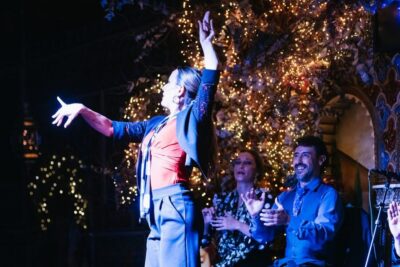
Live Flamenco Show with Food and Drinks Options
Read our review →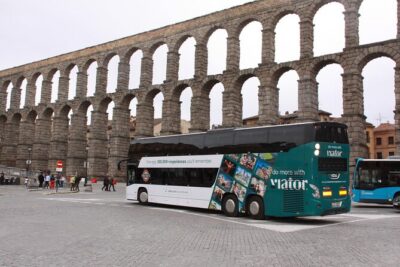
Avila & Segovia Tour with Tickets to Monuments from Madrid
Read our review →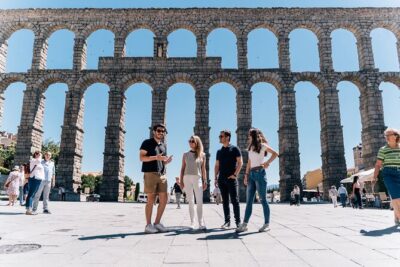
Three Cities in One Day: Segovia, Avila and Toledo from Madrid
Read our review →
Royal Palace Expert Guided Tour with Skip-the-Line
Read our review →Browse the lists this tour appears in