
Reviewed · FOOD & DRINK
Cazorla: Tour and Tasting at 1 of the Largest Oil Factories
Cazorla’s olive oil story comes alive inside a working cooperative, where you can follow the path from olive tree to bottle rather than simply admire rows of trees from the road. The visit includes reception patios, the designation of origin building, a packaging plant, an oil mill and museum, gardens with more than 60 native plant varieties, and a tasting.
I like the practical focus and the chance to compare oils by smell, taste, and color. I also like the personal scale: this is a private activity for your group, and guides such as Laura take time to explain cultivation, extraction, and production with useful anecdotes. The main consideration is the setting outside central Cazorla, at kilometer 10.5 on the road to Peal de Becerro, so you need to plan your own way there.
In This Review
- Key points to know
- Why Cazorla olive oil deserves a closer look
- Starting at the cooperative on the Cazorla road
- From olive trees to the first production steps
- Inside the packaging plant and oil mill museum
- The gardens and the Cazorla Blues Festival photo stop
- Learning to taste oil by smell, flavor, and color
- Is $24.20 a fair price?
- Who should book this Cazorla experience?
- Booking, timing, and cancellation details
- Should you book the Oleotour Cazorla visit?
- FAQ
- Where does the olive oil tour begin and end?
- How long does the experience last?
- Is the tour offered in English?
- Is this a private activity?
- What facilities are included in the visit?
- Can I cancel for a full refund?
Key points to know
- See the full olive oil chain: The visit connects farming, milling, packaging, designation of origin, and tasting.
- Laura may lead your tour: Her clear explanations and patient tasting guidance are a major strength.
- Taste with purpose: You learn to notice aroma, flavor, and color instead of treating every oil as the same.
- Explore more than a factory: The grounds include a museum, oil mill, gardens, and a Cazorla International Blues Festival photocall.
- Private and English-language: Only your group participates, and the activity is offered in English.
- Allow up to two and a half hours: The advertised duration is about two to two and a half hours, with the guided facility visit listed at one hour.
Why Cazorla olive oil deserves a closer look
Andalusia is closely tied to olive growing, and Cazorla gives that subject a local setting. Here, olive oil is not presented as a supermarket ingredient with a fancy label. You get a look at the work behind it, from the trees and harvest to the machinery and final bottle.
That matters because olive oil terms can be confusing. Labels, grades, origin claims, and production methods often sound more complicated than they need to be. A good visit gives you a simple framework: how olives are grown, how oil is extracted, how it is prepared for sale, and how the finished product differs in the glass.
I would choose this experience if you want more than a short tasting. The strongest feature is the link between the physical facilities and the tasting table. After seeing where the product is handled, you can better understand what you are smelling and tasting.
The tour is also useful for anyone who cooks regularly. Learning the difference between oils by aroma and flavor can help you choose a bottle with more confidence. You do not need to be an olive oil expert. The guide supplies the structure, and you can concentrate on the sensory part.
More Spain food and drink outings:
- Madrid: Live Flamenco Show with Food and Drinks Options
★ 4.5 · 9,901 reviews - Montserrat & Cogwheel Train, Gourmet Wine Tasting & Tapas/Lunch
★ 5.0 · 6,290 reviews - Ibiza Beach Hopping Cruise with Paddleboards, Drinks and Food 6h
★ 5.0 · 5,588 reviews
Starting at the cooperative on the Cazorla road

The meeting point is Oleotour Cazorla, at the Aceites Cazorla cooperative on CTRA de Peal de Becerro a Cazorla, kilometer 10.5, in Cazorla, Jaén. The activity begins and ends at this same place.
This is an important practical detail. The tour does not begin in a central Cazorla plaza or at a general tourist office. You should check your route to the cooperative before setting out and leave enough time to arrive without rushing.
The setting also shapes the experience. You are visiting an operating olive oil center, not just a display room designed as a quick stop. The cooperative gives the tour a working, local feel, while the museum and themed areas make the subject easier to follow.
The activity is private, so only your group participates. That is a good arrangement for people who prefer to ask questions freely or move at a comfortable pace. It may also suit families and small groups better than a large coach-style tour.
From olive trees to the first production steps
The visit begins with the culture of the olive tree and its place in local life. You can expect an explanation of cultivation and the role olive oil plays in the area before moving through parts of the cooperative’s facilities.
This opening is valuable because it prevents the visit from becoming a machine tour. You first get the human and agricultural context, then see how that tradition connects to modern production.
The tour includes the reception patios, where olives arrive and begin their journey through the facility. The exact operating details can vary by season and production schedule, but the patios help you understand that quality begins before the oil reaches the mill.
You also visit the designation of origin building. This is one of the more useful stops for anyone who wants to understand regional olive oil labels. The designation connects the product to its recognized area and standards, giving you a better sense of why origin matters when you shop.
The guide explains the process in plain terms. Laura, named in several strong recommendations, is praised for covering cultivation, extraction, and production in detail while adding local stories. Her approach appears especially useful during the tasting, where technical information becomes something you can test for yourself.
Inside the packaging plant and oil mill museum
The packaging plant shows the final stages before olive oil reaches shops and kitchens. This part helps complete the picture. Many tastings skip the practical business of bottling and presentation, yet packaging is how the product is protected, identified, and prepared for sale.
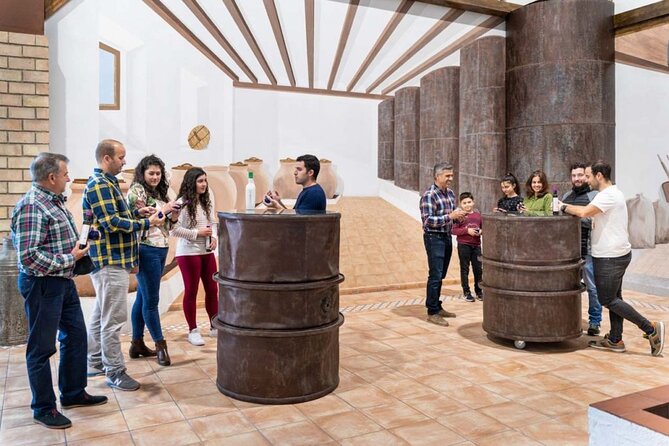
You then visit the museum and oil mill. These spaces connect older olive-growing practices with the equipment and methods used today. The museum offers context, while the mill shows the central production idea: olives are processed so their oil can be separated and preserved.
I like this combination because it keeps the visit from feeling too narrow. You are not only standing in a tasting room hearing polished descriptions. You see several parts of the cooperative and gain a clearer sense of the labor behind a bottle.
The listed facility visit takes about one hour, while the full activity lasts roughly two to two and a half hours. That difference suggests that the tasting, explanations, and transitions make up a substantial part of the visit. Plan for the full time rather than treating the one-hour figure as the total.
The main limitation is that the available information does not promise a live production demonstration at every departure. Olive oil production is seasonal and operational, so you might see the facilities without witnessing every step in motion. Even so, the combination of mill, museum, packaging area, and guide-led explanation gives you plenty to connect.
A different way to spend the day, same corner of Spain:
- Barcelona: Sagrada Familia Entry Ticket with Audio Guide
★ 4.6 · 105,312 reviews - Barcelona: Park Güell Admission Ticket
★ 4.4 · 76,534 reviews - Seville: Royal Alcázar Entry Ticket
★ 4.6 · 28,378 reviews - Barcelona: Casa Batlló Entry with Self-Audioguide Tour
★ 4.7 · 25,359 reviews
The gardens and the Cazorla Blues Festival photo stop

The cooperative grounds include gardens with more than 60 varieties of native plants. This is a welcome change of pace after the indoor production areas and adds a local botanical angle to the visit.
The gardens also show that the experience is not limited to machinery and bottles. You get a short outdoor element that reflects the plants and setting of the Cazorla area. If you enjoy taking photographs, this portion gives you a chance to slow down and look around.
Another distinctive feature is the photocall honoring the Cazorla International Blues Festival. It is an unusual detail in an olive oil visit, but it ties the cooperative to a local cultural event rather than presenting the factory as an isolated business.
I would not book the tour solely for the gardens or the photo stop. They are supporting features, not the main reason to come. Still, they make the visit more varied and give your group a few lighter moments between the production explanation and tasting.
Learning to taste oil by smell, flavor, and color
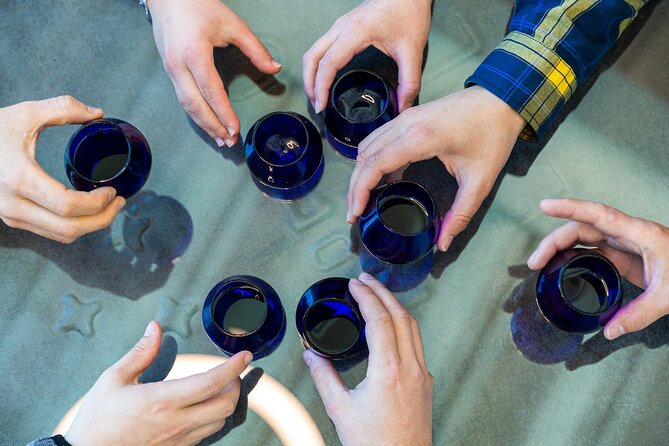
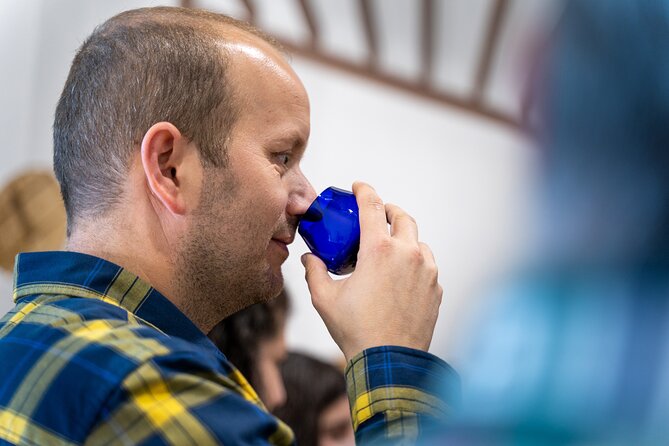
The tasting is where the information becomes personal. You are introduced to differences among olive oils through smell, taste, and color. That three-part approach is useful because people often judge oil only by color, even though color alone does not tell you everything about quality.
The guide can help you slow down and identify what is in the glass. First comes aroma, then flavor, with color forming part of the visual comparison. You may notice that oils can feel and taste quite different even when they all belong to the same broad category.
One of the most useful lessons is that tasting is not about finding a single oil that everyone must prefer. You are learning how to notice differences and decide what suits your own cooking and palate.
Laura is particularly praised for making this part enjoyable and clear. Her detailed explanation of cultivation, extraction, and production gives the tasting a firm base, while her anecdotes keep it from becoming a technical lecture.
If you have never attended an olive oil tasting, expect a learning experience rather than a wine-style performance. The purpose is to understand the product. Ask questions if something smells or tastes unfamiliar, especially if you want help choosing oil for salads, dipping, or cooking.
The tasting may be the most valuable part for food-minded visitors. You leave with a skill you can use later, not just a souvenir bottle or a few facts about a factory.
Is $24.20 a fair price?
At $24.20 per person, this is reasonably priced for an activity lasting around two to two and a half hours. The price includes admission to the cooperative facilities and the guided visit, along with the oil tasting.
The value comes from the amount of ground covered. You are not paying only for a sample at a counter. The experience includes the reception patios, designation of origin building, packaging plant, museum and oil mill, gardens, cultural photo stop, explanations, and tasting.
A private format makes the price more attractive for couples, families, or small groups who value direct attention. The listing also notes group discounts, so larger parties should check whether the reduced rate applies to their booking.
I would compare this cost with what you would spend on a short attraction plus a separate food tasting. Here, the two ideas are combined, and the guide provides the connection between them.
The price may feel less compelling if you have little interest in food production or already know olive oil well. It is also less convenient if you are staying in central Cazorla without a practical way to reach the cooperative. The experience is good value when you want a focused local activity and can fit the drive into your day.
Who should book this Cazorla experience?
I would recommend it to food lovers, curious cooks, and anyone who wants to understand a major part of Andalusian rural culture. It also suits visitors who enjoy seeing how a regional product is made rather than collecting only postcard views.
Families can benefit from the range of stops. The museum, machinery, gardens, and tasting offer more variety than a talk held in one room. Since the activity is private, your group can ask questions without worrying about a large audience.
It is also a good choice for people who prefer a guide with a personal teaching style. Laura’s role is highlighted for detailed explanations, local anecdotes, and patience during the tasting.
You may want to skip it if you have only a short time in Cazorla and are focused entirely on the natural park itself. The tour takes up to two and a half hours, and you must reach the cooperative at the stated road address. It is a dedicated olive oil visit, not a general sightseeing tour of the town or park.
The activity is offered in English. Service animals are allowed, and most people can participate. No special physical requirements are stated, but you should confirm any specific needs before booking if your group requires more detailed assistance.
Booking, timing, and cancellation details
Confirmation is provided when you book, and the experience is commonly reserved about 20 days ahead. That does not guarantee that every date sells out, but it is a useful planning signal during a busy Andalusian trip.
The activity ends back at the cooperative, so do not expect transport to another attraction. You can build it into a day around Cazorla, but you will need to organize the rest of your route yourself.
Free cancellation is available if you cancel at least 24 hours before the start time. Cancellations made less than 24 hours before the experience are not refunded, and changes inside that period are not accepted. The provider may also cancel if the minimum number of participants is not met, in which case you receive another option or a full refund.
Should you book the Oleotour Cazorla visit?
Book this tour if you want a clear, local introduction to Andalusian olive oil, especially if you enjoy tasting food with some explanation behind it. The combination of a working cooperative, museum, mill, packaging plant, gardens, and private guidance gives the visit more substance than a basic sample-and-shop stop.
The strongest reason to choose it is the guide-led tasting, with Laura receiving particular praise for making the subject detailed, friendly, and easy to follow. The main caution is location: you must reach the cooperative outside central Cazorla and allow the full two to two and a half hours.
For a modest price, you get a useful look at one of the area’s defining products and a better understanding of what you are buying when you choose olive oil. If that sounds like a good use of part of your Cazorla day, this is an easy tour to add.
FAQ
Where does the olive oil tour begin and end?
It begins and ends at Oleotour Cazorla, at the Aceites Cazorla cooperative on CTRA de Peal de Becerro a Cazorla, kilometer 10.5, 23470 Cazorla, Jaén, Spain.
How long does the experience last?
The total duration is approximately two to two and a half hours. The guided facility visit is listed as taking one hour.
Is the tour offered in English?
Yes. The experience is offered in English.
Is this a private activity?
Yes. Only your group participates in the activity.
What facilities are included in the visit?
The tour includes parts of the cooperative’s reception patios, designation of origin building, packaging plant, museum and oil mill, gardens with more than 60 native plant varieties, and a photocall honoring the Cazorla International Blues Festival.
Can I cancel for a full refund?
Yes, if you cancel at least 24 hours before the experience start time. Cancellations made less than 24 hours before the start time are not refunded.
Recently reviewed around Spain
- Segway Your Way Through Granada’s History: The Ultimate Ride★ 5.0 · 334 reviews
- Firgas, Tejeda, Guayadeque – VIP Tour Gran Canaria★ 4.5 · 173 reviews
- Scuba Diving Experience for Beginners in Gran Canaria★ 5.0 · 561 reviews
- Sioux City Park Entrance Ticket★ 4.5 · 171 reviews
- The Best Horse Riding Experience in Gran Canaria (2 hours)★ 4.5 · 349 reviews
- Supercar Experiences on the Circuit of Maspalomas★ 5.0 · 110 reviews
- Sala Scala Gran Canaria Dinner Show★ 4.5 · 212 reviews
- SUBMARINE ADVENTURE – Submarine Excursion in Puerto de Mogán★ 4.0 · 126 reviews
Food & Drink, compared.

Live Flamenco Show with Food and Drinks Options
Read our review →
Montserrat & Cogwheel Train, Gourmet Wine Tasting & Tapas/Lunch
Read our review →
Ibiza Beach Hopping Cruise with Paddleboards, Drinks and Food 6h
Read our review →
Tapas Walking Tour with Food, Wine, and History
Read our review →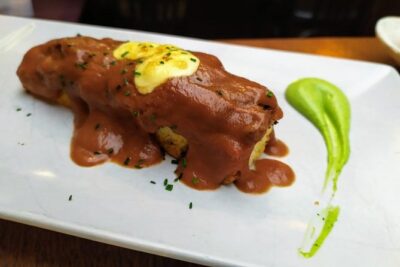
Sevilla Food Tour: Tapas, Wine, History & Traditions
Read our review →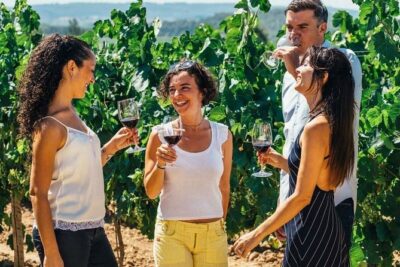
Toledo Tour & Vineyard Walk with Wine Tasting from Madrid
Read our review →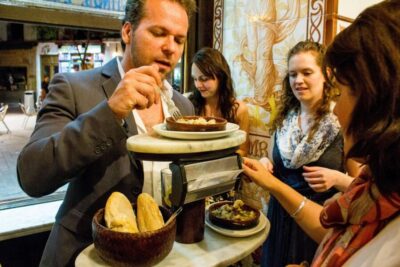

Barcelona Tapas Walking Tour: Food, Wine & History
Read our review →Browse the lists this tour appears in