
Reviewed · MUSEUMS
Bilbao: San Mamés Museum and Stadium Tour
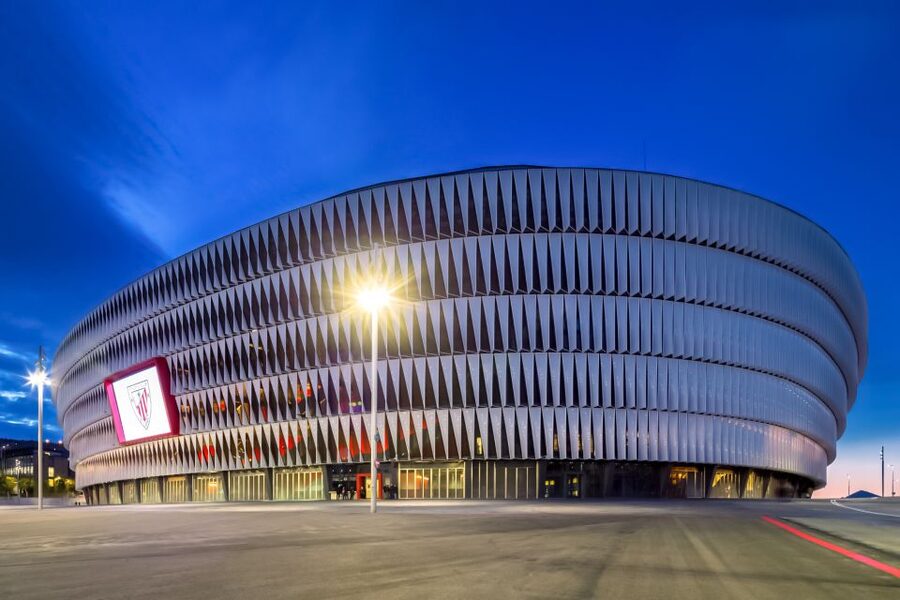
San Mamés is not simply a stadium with a few framed shirts in a corner. The visit takes you from the players’ tunnel to pitchside, then through Athletic Club’s modern museum, where 500 original objects, hundreds of videos, and interactive displays explain why this club matters so much in Bilbao and across the Basque Country. I love the access: you can see the changing room, press room, dugouts, and VIP areas instead of viewing the stadium from one public corridor.
I also like the freedom to move at your own pace. The museum deserves more than a quick look, and families can pause at the videos, graphics, playroom, and interactive sections without being hurried along. The main drawback is that the audio guide requires your own charged smartphone and headphones, and the instructions can feel unclear if you do not have a reliable internet connection.
In This Review
- Key points
- Why San Mamés matters in Bilbao
- Entering between gates 19 and 20
- The Athletic Club museum takes football beyond trophies
- Walking the players’ tunnel to pitchside
- Changing rooms, press room, and VIP areas
- How long should you allow?
- Is $19 good value?
- Using the audio guide without frustration
- Who will enjoy San Mamés most?
- Practical tips for a better visit
- Should you book the San Mamés tour?
- FAQ
- Where does the San Mamés Museum and Stadium Tour begin?
- What does the ticket include?
- Which languages are available for the audio guide?
- Do I need to bring anything for the audio guide?
- Can I visit the changing room and players’ tunnel?
- Is the tour wheelchair accessible?
- How long is the tour?
- Can I visit on a match day?
- What are the museum’s seasonal closing times?
Key points
- Pitchside access: Walk out through the players’ tunnel and stand beside the field.
- Athletic Club story: See trophies, clothing, graphics, and 500 original football objects.
- Behind-the-scenes rooms: Visit the home changing room, press room, dugouts, and other stadium areas.
- Strong interactive element: Four audiovisual productions, 13 interactive systems, 600 videos, and a large video-wall keep the museum active.
- Good value at $19: The price is modest for a self-guided visit that can occupy an hour or several hours.
- Plan around football: Match days, training, and stadium events can change the route or closing time.
Why San Mamés matters in Bilbao
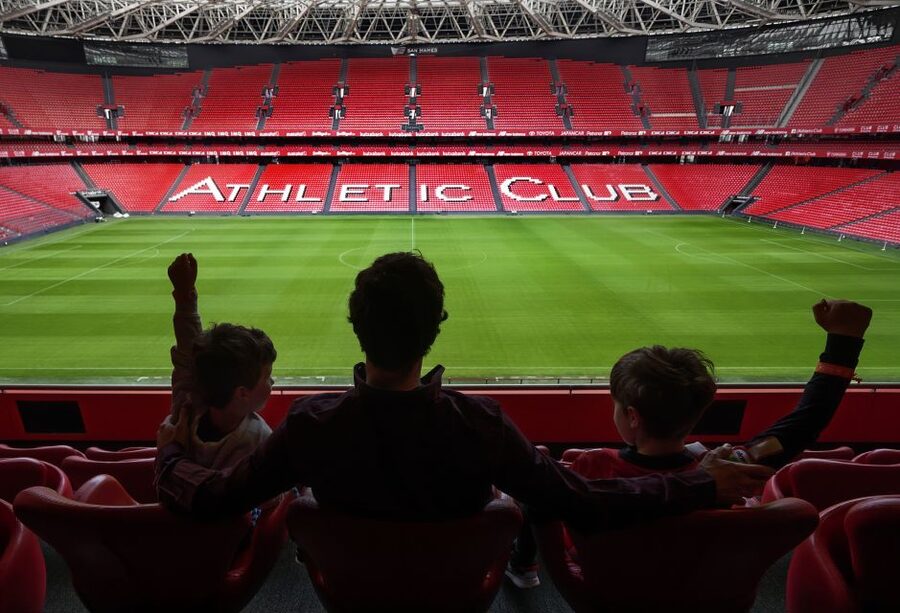
Athletic Club is closely tied to Bilbao and Basque identity, and San Mamés gives you a useful way to understand that connection. The museum is not only a display of cups and famous names. It presents the club’s past and present through audiovisual material, graphics, clothing, and objects gathered over more than a century.
You do not need to be a devoted football supporter to enjoy the visit. The stadium itself is impressive, and the behind-the-scenes route gives you a look at how a major football ground functions when no match is taking place. If you know little about Athletic Club, the museum supplies the background. If you already follow the team, the displays provide the details and atmosphere you came for.
The club is known for its strong local identity, and that comes through in the museum’s storytelling. You are not just looking at an arena. You are seeing the home of a club with a distinct place in Bilbao’s culture.
More Bilbao & Basque Country museums and collections:
- Bilbao: Guggenheim Museum Skip-the-Line Guided Tour & Dinner
★ 4.6 · 456 reviews - Bilbao: Guggenheim Museum Tour with Skip-the-Line Tickets
★ 4.7 · 372 reviews - Bilbao: Private & Exclusive Guggenheim Museum Guided Tour
★ 4.8 · 296 reviews
Entering between gates 19 and 20

Your visit begins at San Mamés, between gates 19 and 20. That detail matters because a large stadium can be confusing when you first arrive, and more than one visitor has found the directions less clear than they should be. Give yourself a few extra minutes to find the correct entrance rather than arriving at the last second.
The ticket includes the museum and stadium tour with an audio guide. The guide is available in English, Spanish, Basque, and French. You need to use your own phone, and you need your own headphones or earphones. Charge your phone before you go, and pack headphones even if you usually rely on a speaker.
One practical point deserves special attention: the audio guide may require scanning a QR code. A visitor had trouble using it because there was no free Wi-Fi available at the stadium, so I would not depend on connecting once inside. If your phone connection is uncertain, ask staff for help as soon as you arrive.
The visit is self-guided, which is a plus for most people. You can linger over a display, skip material you already know, or spend longer in the stadium than a fixed group would allow. A guided option has existed at times, but the standard activity described here is built around exploring independently with the audio guide.
The Athletic Club museum takes football beyond trophies
The museum is the first major part of the experience, and it is more active than a traditional cabinet-lined sports display. Along with trophies and memorabilia, you will find four audiovisual productions, 13 interactive systems, 600 videos, an immersive video-wall, and a playroom designed for all ages.
The volume of material means you can shape the visit to suit your interest. A football expert might want to stop at every historical detail, while a casual visitor can focus on the most visual displays and still come away with a sense of Athletic Club’s importance.
I like museums that give children something to do besides read labels, and this one makes a real effort in that direction. The interactive areas and playroom are useful for families, especially if one person in your group is less interested in football. Teenagers also have enough visual and digital material to keep the visit moving.
Do not rush through the museum before heading to the stadium. It provides the context that makes the changing room, tunnel, and pitchside sections more meaningful. Once you understand the club’s story, those spaces feel less like empty rooms and more like working parts of a football tradition.
Walking the players’ tunnel to pitchside
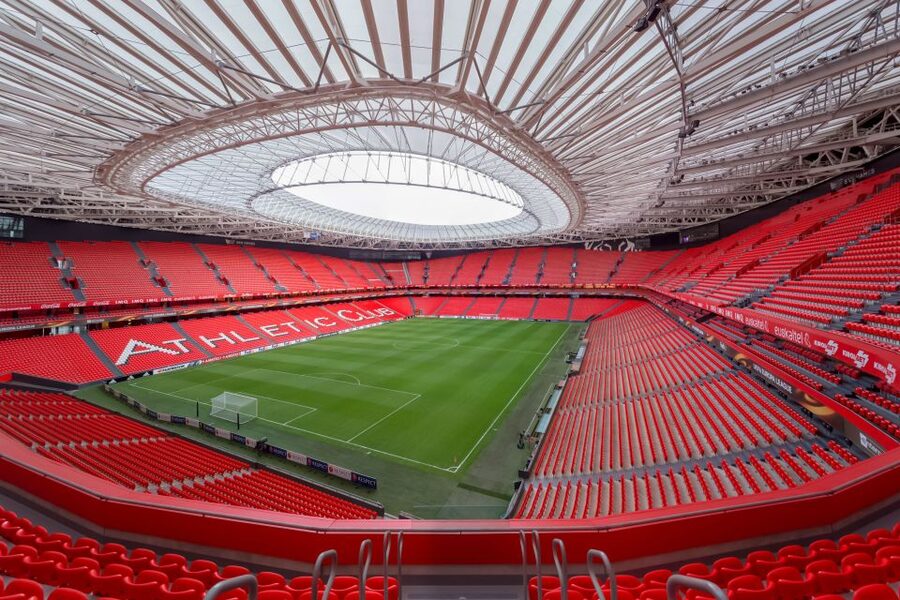
The emotional center of the tour is the route from the changing room through the players’ tunnel and out toward the field. You can imagine the noise and pressure of match day as you approach the pitch, even when the stadium is quiet.
You do not get a match itself, of course, but the route offers the kind of access that a normal ticket does not. Standing at grass level changes your sense of the building. From the seats, a stadium can seem like one large bowl. At pitchside, you notice the distance to the stands, the dugouts, the tunnel entrance, and the working areas around the field.
You can also sit in the dugout and take photographs from a viewpoint usually reserved for team staff. This is one of the strongest parts of the tour for football fans, but it also works for curious non-fans because it turns an abstract sporting venue into a collection of real places.
The route includes some walking and climbing steps. One visitor described the amount of movement as considerable, so wear comfortable shoes and do not treat this as a quick museum stop. The stadium is wheelchair accessible, but the route may still involve different levels, so anyone with specific mobility needs should confirm the current path with staff.
A different way to spend the day, same corner of Spain:
- Bilbao: 1- or 2-Hour Sightseeing Boat Tour
★ 4.2 · 1,723 reviews - Bilbao: Gaztelugatxe, Bermeo, Mundaka, Gernika, & Wine Tour
★ 4.5 · 1,407 reviews - From Bilbao: Gaztelugatxe, Gernika, and Mundaka Group Tour
★ 4.8 · 1,112 reviews - San Sebastian Old Town Pintxos & Wine Tour Small Group Tour
★ 5.0 · 1,102 reviews
Changing rooms, press room, and VIP areas
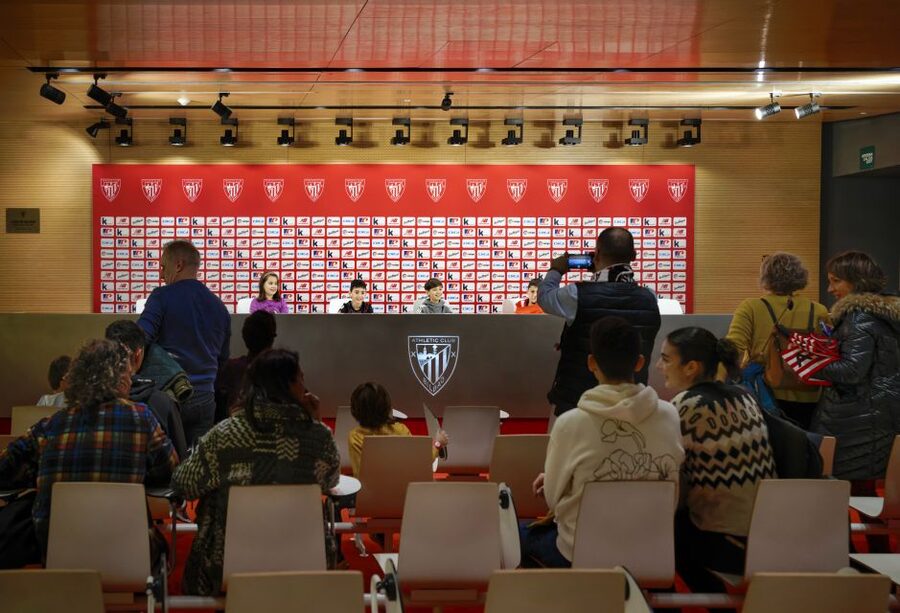
The home changing room gives you another glimpse behind the match-day curtain. It is a simple idea, but it works because the space connects the museum’s history with the physical routine of modern players.
The press room adds a different angle. Here, you can picture the post-match interviews and public side of football, where results become headlines and players face questions moments after leaving the field. The tour also reaches other stadium areas, including VIP sections, giving you a fuller sense of San Mamés beyond the spectator stands.
Access can vary with stadium operations, so do not assume every visit will follow precisely the same route. Matches, closed training sessions, or other events can lead to changes. That is especially important if one particular room is the main reason you want to go.
Still, the strength of the standard route is its range. You are not limited to the museum, and you are not limited to a view of the pitch. You move through the spaces used by players, coaches, media, and spectators.
How long should you allow?
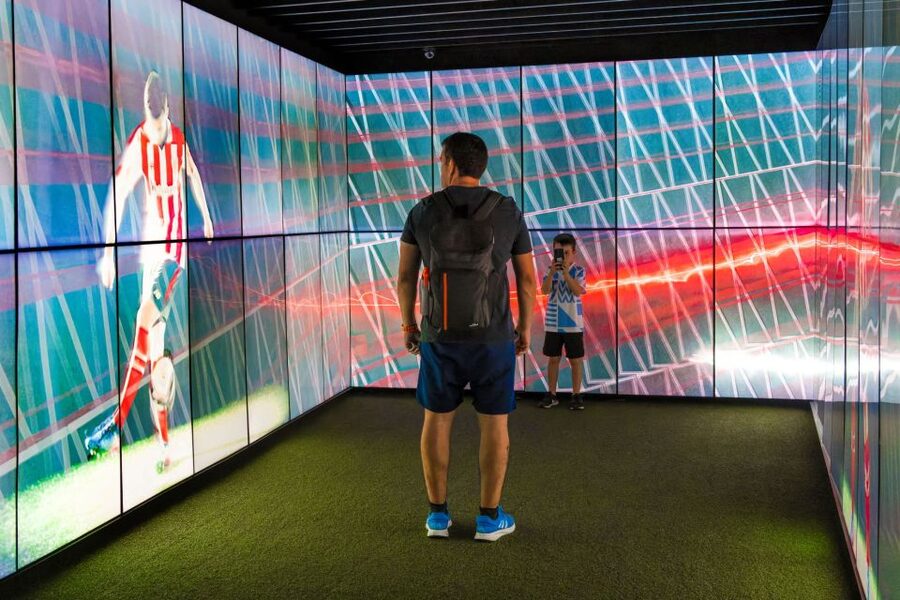
The activity is valid for one day, and you should check the available starting times when booking. The actual time inside depends on how closely you follow the audio guide and how much time you give the museum.
An hour is possible if you keep moving and focus on the main areas. I would allow two to three hours if you are visiting with children, watching the videos, trying the interactive displays, and taking time in the stadium. One family with teenagers spent around three hours and found the time passed quickly. Another visitor described the museum as a place where you could easily spend several hours.
This flexibility is useful during a Bilbao sightseeing day. You can fit the visit into a morning or afternoon without committing to a long guided excursion. Just keep the seasonal closing times in mind. From November through February, the museum closes at 7:00 PM. From March through October, it closes at 8:00 PM.
The schedule becomes more complicated on match days. If a match takes place during museum opening hours, the museum closes two hours before kickoff, and stadium access ends four hours before kickoff. The opening time may also change according to the match schedule. Check before you set your day around the tour.
Is $19 good value?
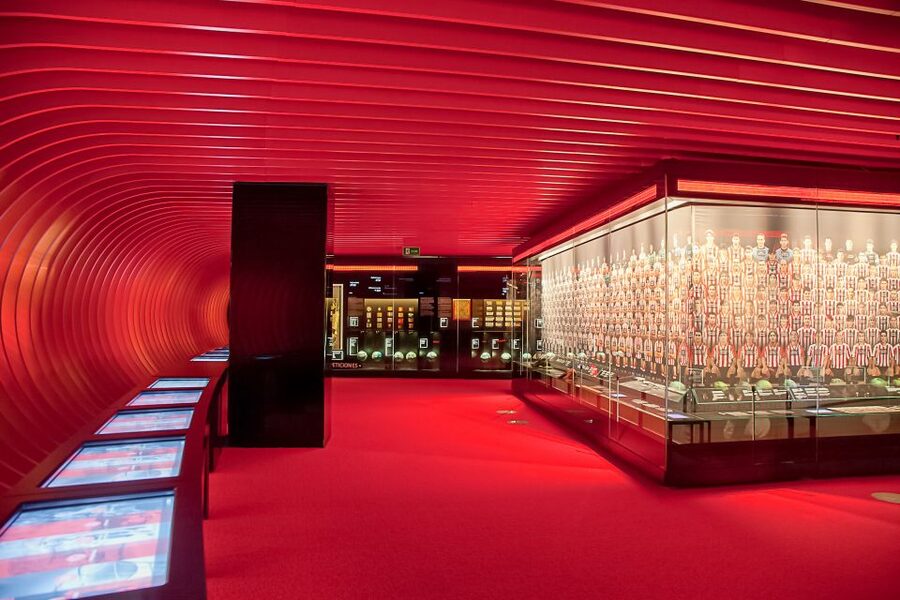
At $19 per person, this is a strong-value stadium visit. You are paying for both a museum and a behind-the-scenes route, not just a look at the seats. The price is especially fair if you use the interactive displays and stay for a couple of hours.
The value is less impressive if you only want a quick photograph of the pitch. In that case, the museum and audio material may feel like more than you need. But the ticket gives you the option to move quickly or stay longer, so you are not locked into one pace.
Families should also consider the price in relation to the range of activities. The playroom, videos, graphics, and interactive systems give younger visitors something to do, while the stadium route keeps the experience physical rather than purely instructional.
At this price, the visit compares well with other major football stadium tours. Its best feature is not luxury or personal guiding. It is the amount of access you receive for a modest fee and the freedom to explore without a group setting.
Using the audio guide without frustration
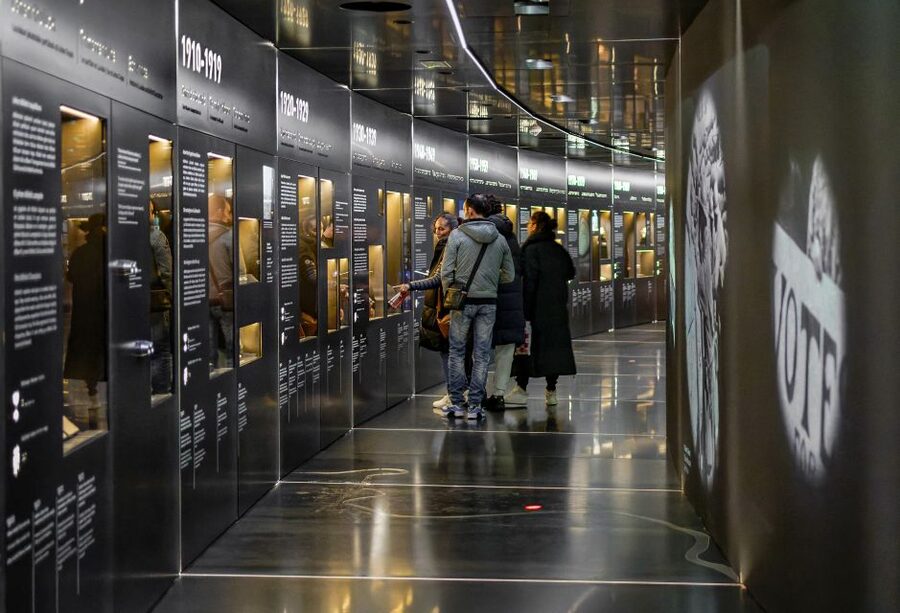
The audio guide adds useful background, especially in the museum, but it is also the part most likely to cause trouble. Bring a charged smartphone and headphones. Do not assume that the stadium will provide either item.
Use earphones that are comfortable for walking, since you may be listening while moving between displays and stadium areas. If the QR code does not load, ask staff early rather than losing time trying to solve the problem alone.
The guide is available in four languages, which makes the experience accessible to a broad range of international visitors. English, Spanish, Basque, and French are listed. The audio format also lets you pause and move at your own speed, though the instructions and route markers could be clearer in places.
If you prefer a live explanation, check if a guided option is available on your date. A past guided visit was led by Paulo, and Maialen was praised for her language skills on another occasion, but the tour described here is the self-guided format. I would choose the audio guide if you value flexibility.
Who will enjoy San Mamés most?
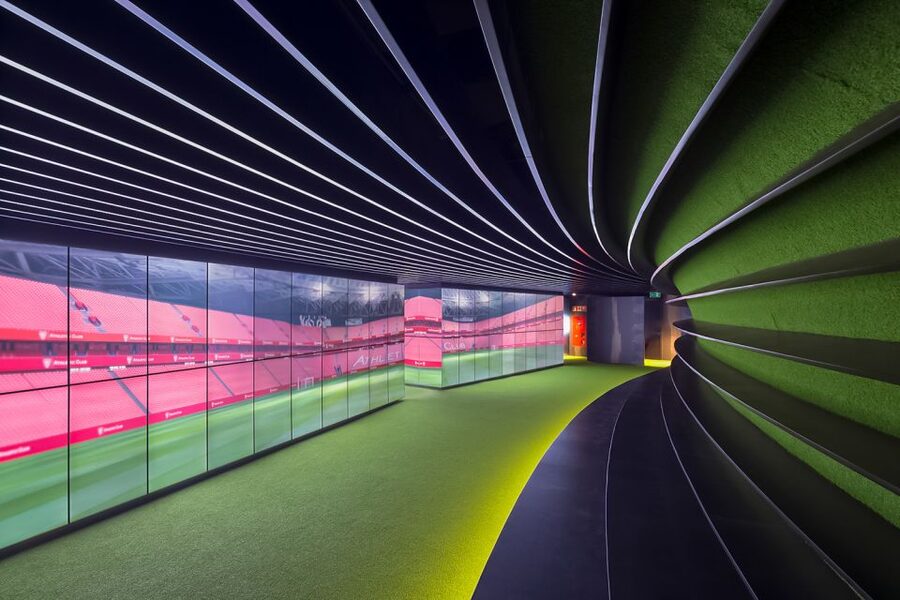
This is an easy choice for Athletic Club supporters and football fans who like seeing stadiums from the inside. The tunnel, changing room, dugouts, press room, and pitchside access cover the main features you want from a football-ground visit.
It also suits families. Children can move through the stadium, explore interactive displays, and use the playroom, while older teenagers are likely to enjoy the videos and graphics. The route is not entirely effortless, though. There is plenty of walking and some climbing, so plan on comfortable footwear.
Non-fans should not dismiss it. The museum explains the club’s role in Basque life, and the stadium route offers a behind-the-scenes look at a major public venue. If your group contains one football enthusiast and several indifferent companions, the museum’s visual and interactive sections give everyone a reasonable chance of finding something worthwhile.
You may want to skip it if you strongly dislike sports museums, have very limited time in Bilbao, or need a fully guided experience with constant personal explanation. The self-guided format is part of the appeal, but it will not suit everyone.
Practical tips for a better visit
- Bring your own headphones and a fully charged phone.
- Find gates 19 and 20 before your scheduled start time.
- Allow two to three hours if you want to watch videos and use the interactive displays.
- Wear comfortable shoes for the walking and steps.
- Check match-day access restrictions before booking your sightseeing schedule.
- Visit earlier in the day if you want plenty of time before the seasonal closing hour.
- Keep your pace flexible. You can browse the museum quickly, but the displays reward patience.
- Assistance dogs are allowed, but other pets are not.
The tour is wheelchair accessible. Because stadium routes and event schedules can change, contact the venue if you need details about the exact accessible path on your chosen date.
Cancellation is free up to 24 hours in advance, and you can reserve now and pay later. Those options are useful if your Bilbao plans are still shifting, especially around the football calendar.
Should you book the San Mamés tour?
I would book it if you want more than a photograph of a famous stadium. The combination of pitchside access, player areas, and a strong interactive museum gives you a full visit for $19, and the self-guided structure lets you decide how much time to spend.
Football supporters will get the most from the club story and behind-the-scenes spaces. Families should allow several hours, while casual visitors can make a worthwhile shorter stop. Just prepare your phone and headphones, check for match-day changes, and do not expect a live guide as part of the standard ticket.
If those small practical points are handled, San Mamés is one of Bilbao’s better-value indoor attractions and a good way to connect football with the character of the Basque Country.
FAQ
Where does the San Mamés Museum and Stadium Tour begin?
The visit begins at San Mamés Stadium, between gates 19 and 20.
What does the ticket include?
The ticket includes entry to the Athletic Club museum and stadium tour with an audio guide.
Which languages are available for the audio guide?
The audio guide is available in English, Spanish, Basque, and French.
Do I need to bring anything for the audio guide?
Yes. Bring your own charged smartphone and headphones or earphones.
Can I visit the changing room and players’ tunnel?
Yes. The route includes the home changing room and players’ tunnel, along with pitchside areas and the dugout.
Is the tour wheelchair accessible?
Yes, the activity is listed as wheelchair accessible.
How long is the tour?
The ticket is valid for one day, and the time inside is flexible. You might spend about an hour or several hours, depending on how closely you explore the museum and stadium.
Can I visit on a match day?
Schedules can change on match days. If a match takes place during museum opening hours, the museum closes two hours before kickoff, and the stadium cannot be visited four hours before kickoff.
What are the museum’s seasonal closing times?
The museum closes at 7:00 PM from November through February and at 8:00 PM from March through October.
Recently reviewed around Bilbao & Basque Country
- Semi-Private Rioja Tour of 3 Premium Wineries from Bilbao★ 5.0 · 128 reviews
- PRIVATE San Sebastian and Basque Coast Tour from Bilbao★ 5.0 · 103 reviews
- Biarritz, Saint-Jean-de-Luz and San Sebastián from Bilbao★ 4.5 · 144 reviews
- Bilbao Highlights 3-hour E-Bike tour: Small Group or Private Tour★ 5.0 · 202 reviews
- Basque Best Bites – #1 Food & Wine tour of Bilbao★ 5.0 · 268 reviews
- Rioja Wine Tour: 2 Wineries From Bilbao★ 5.0 · 111 reviews
- Enjoy the Coast of Biscay★ 5.0 · 139 reviews
- Gaztelugatxe, Mundaka and Gernika Tour from Bilbao★ 5.0 · 706 reviews
Museums, compared.

FC Barcelona Museum “Barça Immersive Tour” Ticket
Read our review →
Park Güell and Gaudí House Museum Entry Ticket
Read our review →
Puro Flamenco Show with Optional Museum Ticket
Read our review →

Girona & Dali Museum Small Group Tour with Pick-up from Barcelona
Read our review →
Oceanogràfic, Hemisfèric & Science Museum Combo
Read our review →Browse the lists this tour appears in