
Reviewed · WINE TOURS
Barcelona Wine Tasting: Catalan and Spanish Wines
Barcelona’s wine story is far bigger than cava. In this 90-minute tasting, you move from sparkling wine to whites and reds while learning how Catalonia fits into Spain’s wider wine map. The setting is in the Old Town, near the Picasso Museum, so it is an easy cultural stop between sightseeing and dinner.
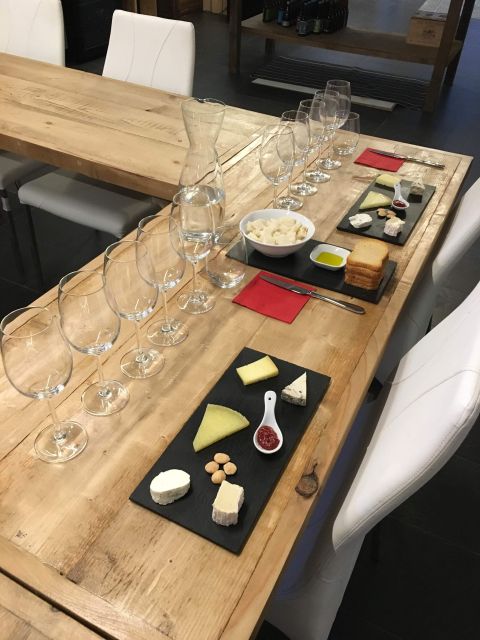
I like the five-wine format, which gives you a useful range without turning the session into a drinking marathon. I also like the relaxed teaching style: guides such as Robert, Omar, Vivien, Vivian, and Christina have been praised for making room for questions and conversation. The main consideration is the food. Pairings are included, but one booking option may offer a lighter snack plate rather than a full meal.
In This Review
- Key points at a glance
- Starting with cava and Catalan wine
- Comparing two Spanish white wines
- Finishing with two regional reds
- The food pairing is more than a garnish
- A relaxed room with room for questions
- Why the Old Town setting works well
- Is $41 a fair price?
- Who should book this tasting?
- Practical timing and booking advice
- Should you book the Barcelona wine tasting?
- FAQ
- How long does the Barcelona wine tasting last?
- How many wines are included?
- Is the tasting held in Barcelona’s Old Town?
- What food is included?
- Is the activity conducted in English?
- Are children allowed to attend?
- Can I cancel the booking?
Key points at a glance
- Five wines in 90 minutes: One sparkling, two whites, and two reds create a clear introduction to Spanish and Catalan wine.
- A useful regional lesson: You learn how Spain’s wine areas and grape varieties differ, rather than simply tasting unrelated bottles.
- Food changes the flavor: Cheeses, olives, charcuterie, or other snacks show how the same wine can taste different with food.
- Small, social setting: Groups are often intimate enough for easy conversation and direct questions.
- Friendly teaching: Guides including Omar, Robert, and Vivien have been praised for warmth, humor, and generous pours.
- Good Old Town location: The meeting point is marked by big wooden doors, with the Picasso Museum and dinner options close by.
Starting with cava and Catalan wine
The tasting begins with a broad look at Spanish wine, then moves through five pours: one sparkling wine, two whites, and two reds. That order makes sense. Sparkling wine wakes up your palate, whites let you compare freshness and texture, and the reds bring the tasting toward fuller flavors.
The sparkling pour is a chance to put Catalonia’s famous cava in context. Cava is made using traditional bottle fermentation, the same broad method associated with Champagne, but it has its own Spanish identity and grape mix. The point here is not to turn you into a wine scholar. It is to help you recognize why a Catalan sparkling wine tastes and smells different from a French bottle.
You are also shown how to look at, smell, and taste wine. These are simple steps, but they help beginners. You may learn to notice color and clarity first, then scent, then the way the wine feels and finishes in your mouth. I appreciate this practical approach because it gives you something to use later in a Barcelona wine bar or at home.
The tasting is conducted in English. That matters if you want a clear explanation of unfamiliar grapes and regions rather than a quick pour with little background.
More Food Tours in Barcelona
- Montserrat & Cogwheel Train, Gourmet Wine Tasting & Tapas/Lunch
★ 5.0 · 6,290 reviews - Barcelona: Tapas Walking Tour with Food, Wine, and History
★ 4.8 · 4,261 reviews - Barcelona Tapas Walking Tour: Food, Wine & History
★ 4.5 · 1,928 reviews
Comparing two Spanish white wines
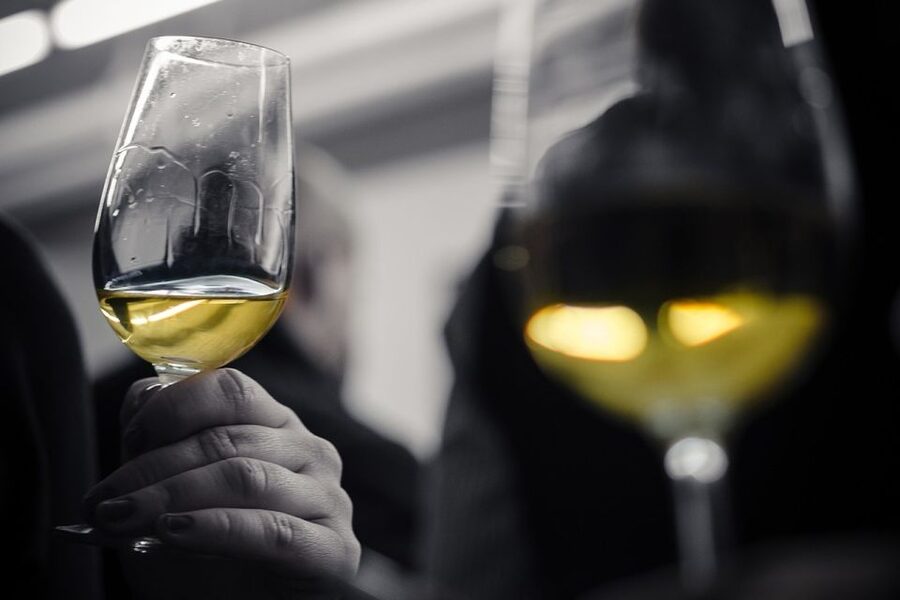
The two white wines are where the regional differences begin to make sense. Spain is not one single wine style, and the session uses the wines to show how climate, grapes, and local traditions affect what you drink.
The sommelier explains the grape varieties and the areas where they grow. You are not just told that one wine is crisp and another is fuller. You get a basic reason for the difference, then test it yourself by smelling and tasting each glass.
This is especially helpful if you normally order wine by color rather than by grape or region. You may leave able to recognize that a white wine can be fresh and light, round and aromatic, or shaped by different winemaking choices. The explanations are aimed at newcomers, but experienced wine drinkers still have room to ask more detailed questions.
I would not expect a full survey of every Spanish white wine in 90 minutes. The value is the organized comparison. Two wines are enough to teach the method without burying you in names and facts.
Food pairings make this part more useful. A salty cheese or olive can make a wine seem softer, sharper, or fruitier. Trying the wine before and after a bite gives you a direct lesson in pairing, rather than a list of rules to memorize.
Finishing with two regional reds
The final two pours are red wines from Spain and Catalonia. Again, the goal is contrast. You taste the wines, hear about the grapes and growing regions, and consider how body, acidity, tannin, and fruit work with food.
If red wine usually seems too strong or too dry to you, the tasting gives you a better way to describe what you are experiencing. A wine may feel drying because of tannin, bright because of acidity, or warm and full because of its alcohol and fruit. You do not need to remember every technical term. Even learning to say this needs food is useful.
The red wine portion also connects naturally to Catalan eating. Cheese, charcuterie, and other regional snacks give you a sense of how these wines fit into local meals. One tasting option focuses on snacks, while another offers cheese pairing advice. The exact plate depends on what you book.
That detail is worth checking before you reserve. Some people will find the food sufficient as a tasting accompaniment. Others will want a more substantial meal afterward. I would treat the pairing as part of the lesson, not as dinner.
The food pairing is more than a garnish
The strongest part of the food element is the chance to taste before and after eating. A small bite can change the way a wine feels, and the sommelier explains why certain combinations work.
Cheese, olives, and charcuterie have appeared as pairing foods, with vegetarian choices also available in at least some sessions. One account of the experience describes a wine and cheese format with artisanal cheeses. Another notes that food allergies were handled well. Still, tell the provider about dietary needs when booking, since the included food can vary by option.
The pairings also give you ideas for later. You might learn why a sparkling wine works with salty snacks, why a white wine suits a particular cheese, or why a red wine becomes easier to drink with richer food. These are practical lessons for ordering tapas in Barcelona.
The possible weakness is portion size. One person felt the snacks could have been more generous for the price, while other sessions were described as having generous food and wine. That difference may reflect the option booked or the particular session, so I would not assume the plate will replace lunch or dinner.
More Wine Tastings in Barcelona
- Montserrat with Black Madonna & Medieval Winery with Tapas/Lunch
★ 5.0 · 5,209 reviews - Barcelona: Montserrat and Winery Tour with Tapas or Lunch
★ 4.8 · 4,695 reviews - Montserrat Full Day Tour with Farmhouse Lunch and Winery Visit
★ 5.0 · 1,068 reviews - Montserrat & Winery Visit Tour with Traditional Farmhouse Lunch
★ 4.5 · 1,035 reviews
A relaxed room with room for questions
This is not presented as a formal lecture. The format is social, and groups have sometimes been around 10 people. That size can work well: large enough for conversation, but still small enough to ask the sommelier about a grape, region, or pairing.
The atmosphere is often described as casual and intimate. You may end up chatting with people from other countries, and one session continued informally for half an hour after the scheduled tasting. That kind of extra conversation is not guaranteed, but it shows the tone of the experience.
The guide makes a real difference. Robert has been praised for his warmth and command of Spanish wine. Omar has been described as personable, passionate, and happy to answer questions. Vivien and Vivian have received similar praise for making groups feel included, while Christina has been described as friendly and engaging.
Different guides may lead different dates, so you should not book solely expecting one named person. The useful pattern is the teaching style: approachable, conversational, and not overly stiff.
Portions also seem to be generous in many sessions. That is good value for a tasting, but pace yourself. Five pours in 90 minutes can add up, especially if you arrive without eating.
Why the Old Town setting works well
The meeting point is in the heart of Barcelona’s Old Town. You are told to look for the big wooden doors, a useful detail in an area where streets, entrances, and building fronts can look similar.
The setting is close to the Picasso Museum, making the tasting easy to pair with a museum visit. You can use it as a midafternoon break, an early evening activity, or a first-day introduction to Barcelona’s food culture.
The location also solves a common problem with wine tours. You do not need to spend half a day traveling to a vineyard to learn the basics. Instead, you get a compact regional introduction in the city, then can use that knowledge at dinner.
The tradeoff is that this is an urban tasting, not a vineyard visit. You will not be walking through vines or touring a winery. If you want cellar machinery, countryside views, and a production tour, choose a full-day wine excursion outside Barcelona instead.
Is $41 a fair price?
At $41 per person, I consider this good value if you want instruction as well as wine. You receive five regional wines, a sommelier guide, water, and food pairing guidance. The 90-minute length also keeps the cost and time commitment manageable.
The value improves if you are new to Spanish wine. A bottle chosen at random can be a gamble, while this tasting lets you compare styles before buying. The session may even point you toward a nearby wine shop, and one person used the advice to buy a bottle after tasting it.
For experienced wine drinkers, the value depends on the selection and the quality of the guide. You may already know the basics of swirling, smelling, and tasting, but the regional comparison and local food context can still make the session worthwhile.
I would not book it as a substitute for a full meal. The snacks can be generous, but the food is there to support the wine. Plan dinner nearby, especially if you are booking the lighter snack option.
Who should book this tasting?
I would recommend it to first-time visitors who want a simple introduction to Catalan and Spanish wine. It is also a good choice for couples, small groups of friends, and celebrations such as a hen party, since the atmosphere is social without being wild or noisy.
It suits people who know little about wine because the teaching starts with the basics. It also works for casual drinkers who want to understand a menu better before ordering tapas, cheese, or a bottle with dinner.
I would be more selective if you want a serious collector’s tasting, a long vineyard visit, or a large meal. The experience is compact and city-based. Its strength is clear instruction, five contrasting wines, and an easy social setting.
Children under 18 are not permitted, and the activity is not suitable for pregnant women. The instruction is in English, so you should be comfortable following an English-language presentation.
Practical timing and booking advice
The tasting lasts 1.5 hours, with starting times depending on availability. I would schedule it after a little food rather than arriving hungry. You want to notice the wines, not race through the snacks to keep your balance.
Keep the rest of the evening flexible. The tasting finishes in the Old Town, close to restaurants and bars, so it works well before dinner. It can also fit after a visit to the Picasso Museum.
The experience offers free cancellation up to 24 hours before the start time for a full refund. You can also reserve and pay later, which helps if your Barcelona plans are still shifting. Check the exact food option and time when booking.
Should you book the Barcelona wine tasting?
Book it if you want to learn how Catalan and Spanish wines differ without leaving Barcelona. The five-glass structure is easy to follow, the food pairings make the lessons stick, and the friendly sommelier-led format gives beginners permission to ask basic questions.
I would especially choose it early in your stay. Afterward, you will have more confidence reading a Spanish wine list and choosing a bottle with dinner.
Skip it if you want a winery visit, vineyard scenery, or a full meal. For a compact Old Town activity at $41, though, this is a sensible and enjoyable introduction to Spain’s wine culture.
FAQ
How long does the Barcelona wine tasting last?
The tasting lasts 1.5 hours.
How many wines are included?
Five regional wines are included: one sparkling wine, two white wines, and two red wines.
Is the tasting held in Barcelona’s Old Town?
Yes. The experience takes place in the heart of Barcelona’s Old Town.
What food is included?
The booking includes snacks or cheese pairing tips, depending on the option selected. Cheese, olives, charcuterie, and other regional snacks have been used in the tasting.
Is the activity conducted in English?
Yes. The instructor language is English.
Are children allowed to attend?
No. The activity is not suitable for children under 18.
Can I cancel the booking?
Yes. You can cancel up to 24 hours in advance for a full refund. Reserve now and pay later is also available.
More Wine Tours in Barcelona
- Montserrat Half-Day Tour with Tapas and Gourmet Wines
★ 5.0 · 7,359 reviews - Barcelona Tapas and Wine Experience Small-Group Walking Tour
★ 5.0 · 5,804 reviews - Montserrat Lunch & Wine at Farmhouse Small Group from Barcelona
★ 5.0 · 2,368 reviews - From Barcelona: Montserrat Half-Day Wine and Tapas Trip
★ 4.8 · 1,918 reviews
Recently reviewed around Barcelona
- Excursion Aigüestortes – Estany Llebreta (1/2 day)★ 5.0 · 138 reviews
- E-Bike tour in Barcelona with English Guide★ 5.0 · 128 reviews
- Wine Tasting Experience in Barcelona★ 5.0 · 172 reviews
- Barcelona Luxury Yacht Cruise – Day or Sunset, Open Bar & Snacks★ 5.0 · 154 reviews
- Barcelona Wax Museum Admission Ticket★ 4.5 · 237 reviews
- Barcelona: Wine Tasting and 5 Course Tapas Pairing Dinner★ 4.5 · 129 reviews
- Montserrat: Cog-Wheel, Basilica, Black Madonna & Licor Tasting★ 4.5 · 886 reviews
- Andorra Original History and Sightseeing Tour (Private, Pickup)★ 5.0 · 350 reviews
Wine Tours, compared.

Montserrat & Cogwheel Train, Gourmet Wine Tasting & Tapas/Lunch
Read our review →
Barcelona Tapas and Wine Experience Small-Group Walking Tour
Read our review →
Montserrat with Black Madonna & Medieval Winery with Tapas/Lunch
Read our review →
Montserrat and Winery Tour with Tapas or Lunch
Read our review →
Tapas Walking Tour with Food, Wine, and History
Read our review →
Sevilla Food Tour: Tapas, Wine, History & Traditions
Read our review →
Valencia Old Town Tour with Wine & Tapas in 11th Century Historic Monument
Read our review →
Toledo Tour & Vineyard Walk with Wine Tasting from Madrid
Read our review →Browse the lists this tour appears in