
Reviewed · MUSEUMS
Barcelona: Skip-the-Line to History Museum of Catalonia
Barcelona’s History Museum of Catalonia gives you more than a room full of old objects. Its main exhibition, The Memory of a Country, guides you through the people, turning points, and conflicts that shaped Catalonia, using films, drawings, and interactive displays. It is a useful stop when you want context for the language, symbols, and local pride you see around Barcelona.
I like the clear chronological structure and the chance to move at your own pace. I also like that the ticket includes the rooftop terrace, where you can look over the port, Montjuïc, and the city after touring the galleries.
The main drawback is that this is a self-guided museum visit. There is no guide or audio guide included, so you need to read and interpret the displays yourself. The museum also closes early on Sundays and holidays, and it is closed Mondays.
In This Review
- Key points to know before you go
- Start at Plaça Pau Vila, 3
- Follow The Memory of a Country
- Take time with the temporary exhibitions
- Use the films, drawings, and interactive features wisely
- Finish upstairs at the fourth-floor terrace
- How the $9 ticket earns its place
- Opening hours can shape your day
- Who will get the most from this museum
- Practical ways to make the visit better
- Should you book the History Museum of Catalonia?
- FAQ
- Where is the History Museum of Catalonia?
- How much does admission cost?
- How long is the ticket valid?
- Does the ticket include skip-the-line entry?
- What exhibitions are included?
- Is there a rooftop terrace?
- Are food and drinks included?
- Is the museum wheelchair accessible?
- What are the museum’s opening hours?
Key points to know before you go
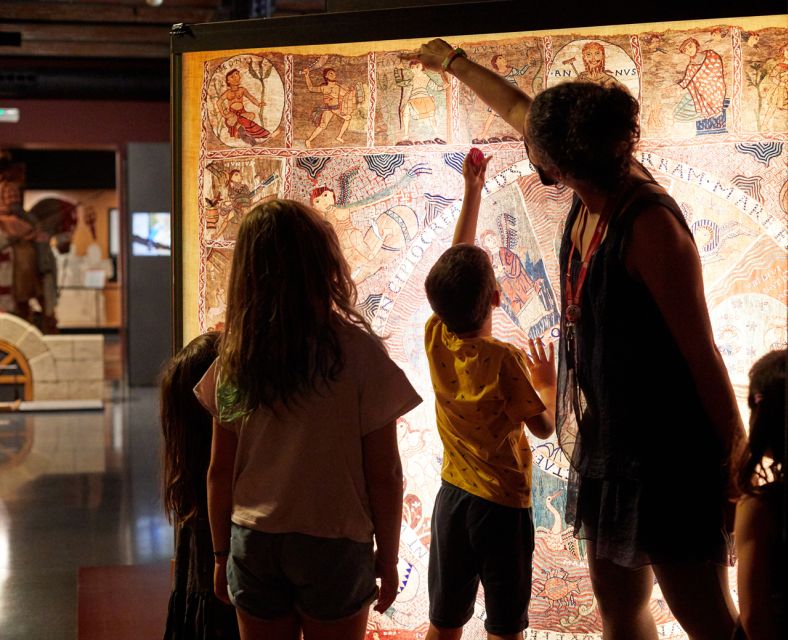
- The main exhibition follows Catalonia through time: The Memory of a Country presents important periods and figures in an interactive format.
- The museum covers both broad history and modern social change: A temporary exhibition on the homosexual movement during Spain’s transition to democracy runs until October 26, 2025.
- The rooftop is part of the appeal: You can see the port, Montjuïc, and Barcelona from the fourth-floor terrace.
- Skip-the-line entry saves a small but useful amount of time: Your ticket lets you bypass the ticket line, though you still need to allow time for the museum itself.
- The $9 price is easy to justify: You receive access to permanent and temporary exhibitions, brochures, and the terrace without paying extra for those features.
- Plan around the opening hours: The museum is closed Monday, stays open latest on Wednesday, and closes at 2:30 PM on Sundays and holidays.
Start at Plaça Pau Vila, 3
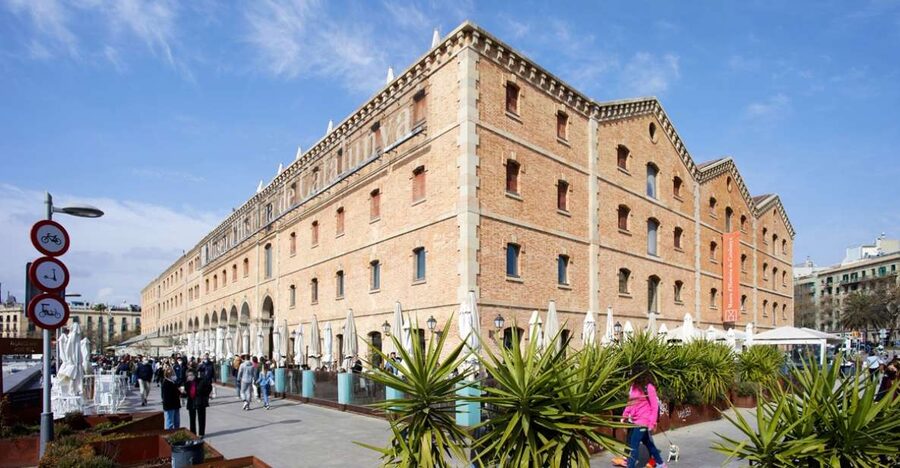
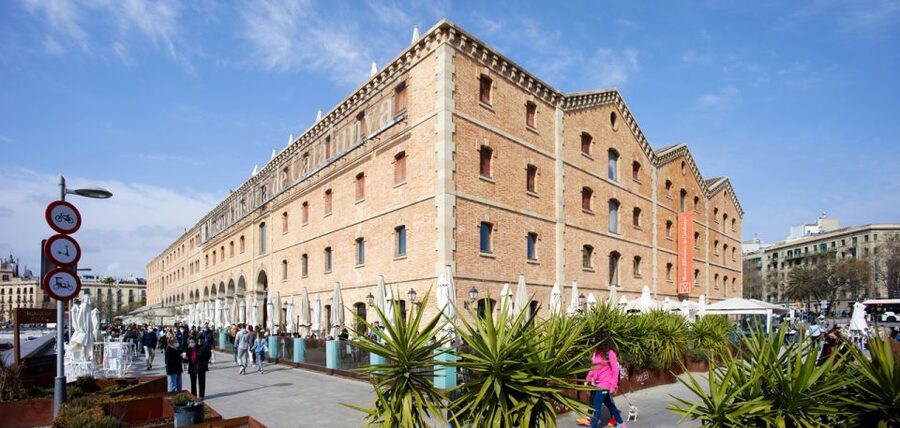
The museum is at Plaça Pau Vila, 3, in Barcelona’s port area. This location makes it easy to combine with a day near the waterfront, though you should check your route before setting out since the ticket itself does not include transportation.
Your entry is valid for one day. That gives you flexibility rather than forcing you into a tight timed tour. Check the available starting times when you book, then choose a period when you can spend enough time with the displays instead of rushing through them before closing.
At the entrance, bring your passport or ID card. Oversize luggage is not allowed, so this is not a good place to arrive with a large suitcase. The museum is wheelchair accessible, and children must be accompanied by an adult. Unaccompanied minors cannot enter on their own.
The skip-the-line feature is useful, but keep its value in perspective. At $9 per person, you are not buying a costly attraction where avoiding a long queue saves a fortune. You are buying a simple, low-cost museum ticket with a convenience feature attached. If the ticket line is short, the time saved may be modest. Still, it makes the arrival less uncertain, especially when you are fitting the museum between other Barcelona plans.
More Historical Tours in Barcelona
- Barcelona: Tapas Walking Tour with Food, Wine, and History
★ 4.8 · 4,261 reviews - Barcelona Tapas Walking Tour: Food, Wine & History
★ 4.5 · 1,928 reviews - Barcelona: 2.5-Hour Bike or E-Bike Historical Tour
★ 4.5 · 1,262 reviews
Follow The Memory of a Country
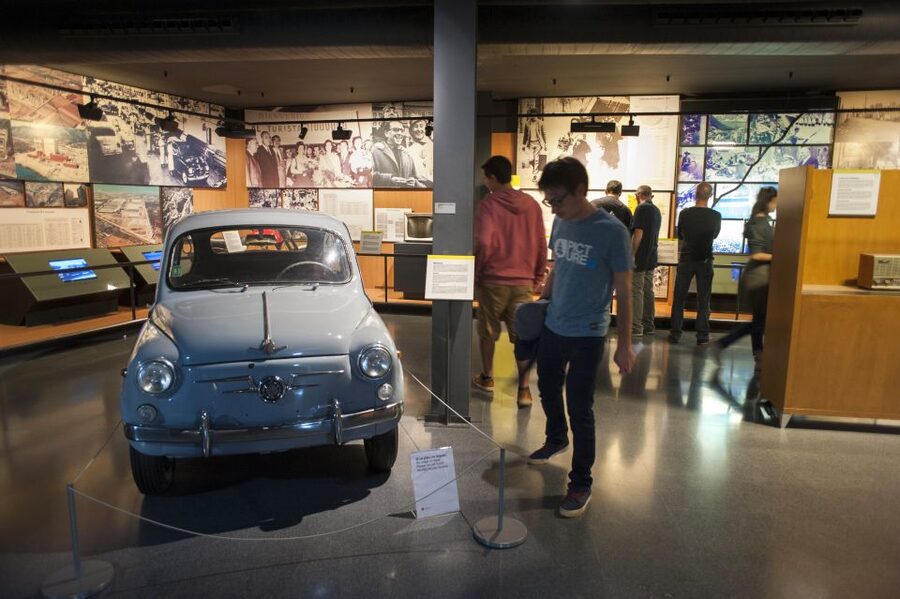
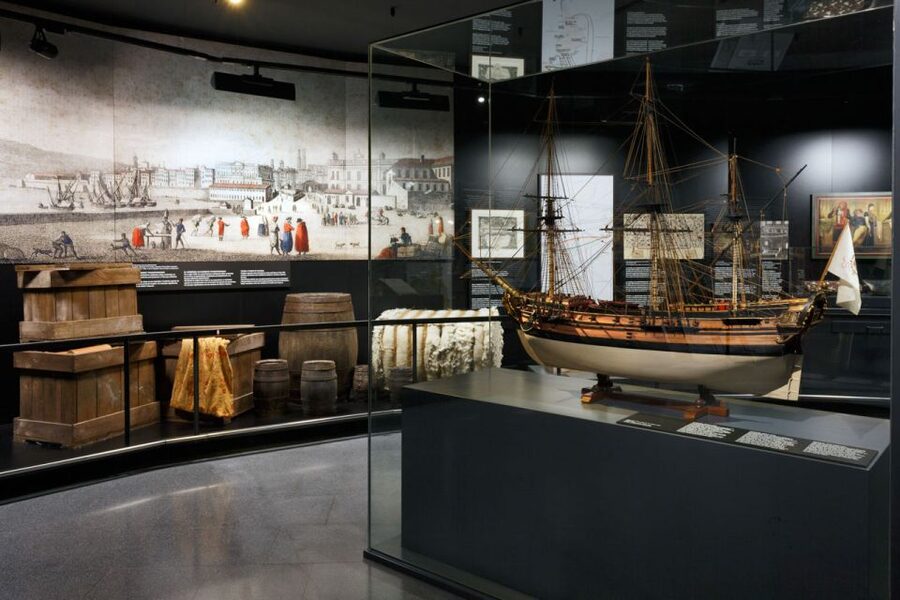
The permanent exhibition, The Memory of a Country, is the heart of the visit. It presents Catalonia’s development through periods and figures that shaped its identity, using objects and stories alongside interactive backgrounds, films, and drawings.
This format matters because Catalan history can feel complicated when you encounter it only through street signs, political symbols, or short conversations. The museum gives you a place to connect those pieces. You can take in a broad sequence of events, then pause at the sections that interest you most.
I would treat this as a museum for both first-time learners and visitors who already know something about Catalonia. If the subject is new to you, the chronological approach helps you build a basic framework. If you already have some background, the displays give you a chance to look at familiar events through a specifically Catalan viewpoint.
The material is designed to educate rather than entertain in the theme-park sense. Interactive elements, films, and drawings add movement, but this remains a museum where reading and attention pay off. Give yourself time to absorb the explanations. A quick walk through the rooms will show you the shape of the exhibition, but a slower visit will give you more of its meaning.
The museum’s account gives particular weight to the difficult relationship between Catalonia and the Spanish state. The period after 1714 receives attention, as does the Spanish Civil War from 1936 to 1939 and the years that followed. These sections help explain why Catalan identity remains such a serious subject, not just a decorative regional label.
I recommend keeping an open mind as you move through these displays. A museum of national or regional history naturally presents events from a chosen point of view. You can value the museum’s Catalan perspective while remembering that political history often has more than one interpretation.
Take time with the temporary exhibitions

The temporary program adds a second reason to visit. Until October 26, 2025, you can see We AreThe Homosexual Movement during Spain’s Transition to Democracy (1976-1979).
This exhibition focuses on the homosexual movement during the years when Spain was moving from dictatorship toward democracy. The subject adds a social and political layer to the museum’s main story. Instead of looking only at governments, wars, and famous leaders, you get a closer look at people organizing and seeking recognition during a period of major change.
The temporary display is especially useful if you have already visited other Barcelona museums that cover the city’s architecture or art. It shifts your attention toward recent social history and shows how public life changed during the transition years.
Keep the closing date in mind. Temporary exhibitions change, so this particular display should not be treated as a permanent part of the museum. If your visit is after October 26, 2025, you will need to check what has replaced it.
Use the films, drawings, and interactive features wisely
The museum uses more than printed labels. Interactive backgrounds, films, and drawings help present the past in a way that does not depend entirely on long blocks of text.
That is good news if you are visiting with children or if you want a break from traditional display cases. It also helps when you are learning about periods that are unfamiliar. Seeing a story presented through several formats can make it easier to remember the main ideas.
Still, do not expect a fully guided experience. No audio guide is included, and no guide accompanies you through the museum. The brochures are useful for orientation, but you remain responsible for deciding where to pause and what to study.
I would allow at least a couple of hours if you want to read carefully and see both the permanent and temporary displays. The ticket is valid for one day, so you may have flexibility to return during the same day if the entry conditions allow it, but the supplied information does not promise re-entry. Ask at the entrance if this matters to your schedule.
The museum can work well for different travel styles. You can make a short visit focused on the main exhibition, or spend longer with the social and political material. That choice is one of the ticket’s strengths.
More Museum Tours in Barcelona
- Barcelona: FC Barcelona Museum “Barça Immersive Tour” Ticket
★ 4.4 · 10,944 reviews - Barcelona: Park Güell and Gaudí House Museum Entry Ticket
★ 4.5 · 6,326 reviews - Barcelona: Picasso Museum Skip-the-Line Guided Tour
★ 4.5 · 3,355 reviews - Girona & Dali Museum Small Group Tour with Pick-up from Barcelona
★ 5.0 · 2,965 reviews
Finish upstairs at the fourth-floor terrace
The fourth-floor restaurant and rooftop bar are a major bonus. From the terrace, you can look across the port toward Montjuïc and the city.
This is not just a place to grab a drink. The view gives you a useful sense of Barcelona’s setting after you have spent time learning about Catalonia as a territory and political community. Looking out over the waterfront can help connect the museum’s indoor displays with the modern city outside.
Food and drinks are not included, so budget separately if you want to eat. The restaurant serves Mediterranean cuisine, and the rooftop bar offers a place to pause after the galleries. You do not need to treat the meal as part of the ticket’s value, but the terrace does add something that many history museums lack.
I would save the terrace for the end. It gives you a natural stopping point and a chance to review what you have seen without hurrying to another gallery. On a clear day, the port and Montjuïc are the key sights. The terrace also gives you a pleasant break if the museum’s historical material feels dense.
Because the information does not guarantee terrace access during every weather condition or restaurant service period, you should check on arrival if the rooftop is central to your plan. The ticket includes access to the terrace, but food, drinks, and any restaurant purchase are separate.
How the $9 ticket earns its place
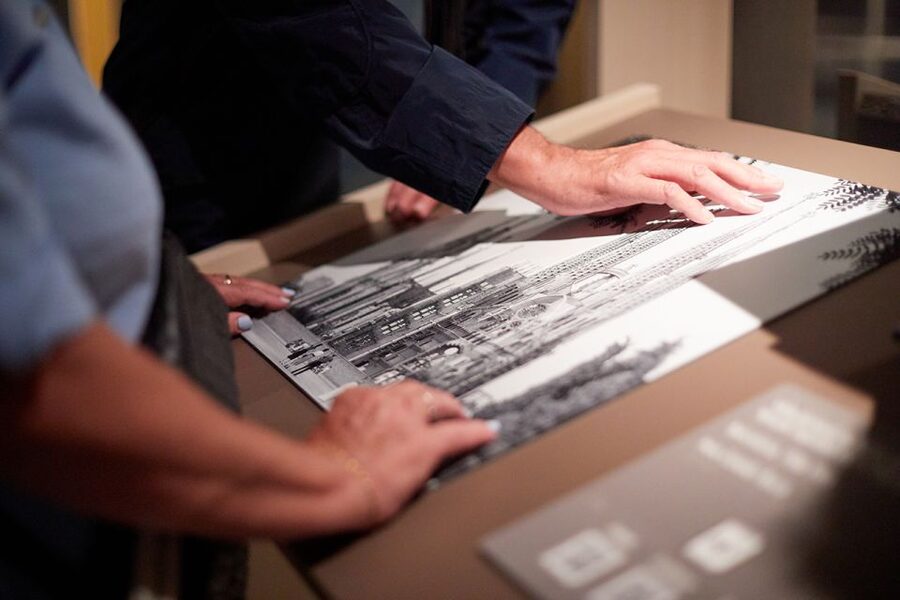
At $9 per person, this is one of the easier Barcelona attractions to fit into a sightseeing budget. The price includes the permanent exhibition, temporary exhibitions, brochures, terrace access, and skip-the-line entry.
The value depends on how much of the museum you use. If you spend only 30 minutes inside, the ticket is still inexpensive, but you will not get the full benefit. If you take time with The Memory of a Country, see the temporary exhibition, and finish on the terrace, the price becomes very reasonable.
The ticket does not include an audio guide, a human guide, food, or drinks. That keeps the cost low, but it also means you should not expect a tour with commentary or personal explanations.
For me, the strongest value comes from the mix of content and setting. You receive a serious look at Catalonia’s past, then a city view that helps place the subject geographically. The rooftop is not a substitute for the museum, but it makes the visit feel more complete.
The average rating is 4.5 out of 5 from 110 reviews, and the most enthusiastic praise centers on the museum’s treatment of Catalan history. That matches the experience you should seek here: not a quick photo stop, but a chance to understand why Catalonia’s identity carries such weight.
Opening hours can shape your day
The museum’s schedule requires a little planning:
- Tuesday to Saturday: 10:00 AM to 7:00 PM
- Wednesday: 10:00 AM to 8:00 PM
- Sunday and holidays: 10:00 AM to 2:30 PM
- Monday: closed
Wednesday is the best choice if you want extra time, since the museum stays open until 8:00 PM. Sunday is the least flexible, with closing at 2:30 PM. Arriving late on a Sunday or holiday could leave you with too little time for the permanent and temporary displays.
A weekday visit also lets you build the museum into a larger port-area plan without using one of your busiest sightseeing hours. The ticket is valid for one day, but the opening schedule still determines how comfortably you can visit.
Free cancellation is available up to 24 hours before the visit for a full refund. You can also reserve now and pay later, which helps if your Barcelona plans are still changing.
Who will get the most from this museum
I would recommend this museum to you if you want cultural context rather than another visual attraction. It suits travelers who enjoy understanding the places they visit, especially those curious about Catalan identity, politics, social change, and the relationship between Catalonia and Spain.
Families may also find the interactive displays, films, and drawings easier to approach than a museum made only of text and display cases. Children must stay with an adult, and unaccompanied minors are not permitted.
It is a good choice for a rainy or very hot part of the day because the visit is indoors, with the terrace saved for a pause at the end. The wheelchair-accessible setting also makes it a practical museum option for visitors who need step-free access.
I would be less likely to recommend it if you want a guided tour, a highly theatrical presentation, or a short attraction that can be finished in minutes. Since there is no guide or audio guide included, you need to be comfortable exploring independently.
Practical ways to make the visit better
Arrive with your ID ready and leave large luggage at your accommodation or another permitted storage point. Oversize bags are not allowed, and trying to solve that problem at the entrance can waste the time the skip-the-line ticket is meant to save.
Check the temporary exhibition dates before you book. The exhibition about the homosexual movement during Spain’s transition to democracy is scheduled through October 26, 2025, but it will not be part of the visit after that date.
Plan your visit around the terrace rather than treating it as an afterthought. If you want lunch or a drink, remember that those costs are separate. The Mediterranean restaurant and rooftop bar can turn the museum into a longer stop, but you can also enjoy the included terrace access without buying anything.
If you have limited time, start with The Memory of a Country. Then see the temporary exhibition and go upstairs. That order gives you the museum’s main story first and saves the city views for the finish.
Should you book the History Museum of Catalonia?
Book it if you want a clear introduction to Catalonia’s past, an independent visit with interactive material, and a rooftop view for just $9. The museum’s strongest feature is its ability to put Catalan identity, conflict, and social change into one place without requiring a full-day guided tour.
Skip it if your schedule is packed with art museums and you have little interest in history or politics. You will also want to pass if you need a guide to explain every room.
For most visitors who want more than postcard Barcelona, I think it earns a place in the plan. Visit Tuesday through Saturday for the longest practical window, choose Wednesday if you want extra evening time, and do not leave the terrace until you have looked across the port toward Montjuïc.
FAQ
Where is the History Museum of Catalonia?
The museum is at Plaça Pau Vila, 3, 08039 Barcelona, in Catalonia, Spain.
How much does admission cost?
The listed price is $9 per person.
How long is the ticket valid?
The ticket is valid for one day. You should check availability for the starting times offered when booking.
Does the ticket include skip-the-line entry?
Yes. The ticket includes access to the museum while allowing you to skip the ticket line.
What exhibitions are included?
Admission includes the permanent exhibition The Memory of a Country and temporary exhibitions running during your visit. Until October 26, 2025, the temporary exhibition is We AreThe Homosexual Movement during Spain’s Transition to Democracy (1976-1979).
Is there a rooftop terrace?
Yes. Terrace access is included, with views of the port, Montjuïc Mountain, and Barcelona.
Are food and drinks included?
No. Food and drinks are not included. The fourth-floor restaurant serves Mediterranean cuisine, and there is also a rooftop bar.
Is the museum wheelchair accessible?
Yes. The museum is wheelchair accessible.
What are the museum’s opening hours?
The museum is open Tuesday to Saturday from 10:00 AM to 7:00 PM, and until 8:00 PM on Wednesday. On Sundays and holidays, it is open from 10:00 AM to 2:30 PM. It is closed Monday.
More Skip the Line in Barcelona
- Barcelona: Park Guell Guided Tour with Skip The Line Entry
★ 4.7 · 17,563 reviews - Barcelona: Sagrada Familia Skip-the-Line Entry Ticket & Tour
★ 4.8 · 12,789 reviews - Park Guell Guided Tour with Skip the Line Ticket
★ 4.5 · 6,996 reviews - Park Guell and Sagrada Familia Tour with Skip the Line Tickets
★ 5.0 · 6,384 reviews
Recently reviewed around Barcelona
- Excursion Aigüestortes – Estany Llebreta (1/2 day)★ 5.0 · 138 reviews
- E-Bike tour in Barcelona with English Guide★ 5.0 · 128 reviews
- Wine Tasting Experience in Barcelona★ 5.0 · 172 reviews
- Barcelona Luxury Yacht Cruise – Day or Sunset, Open Bar & Snacks★ 5.0 · 154 reviews
- Montserrat: Cog-Wheel, Basilica, Black Madonna & Licor Tasting★ 4.5 · 886 reviews
- Barcelona Wax Museum Admission Ticket★ 4.5 · 237 reviews
- Barcelona: Wine Tasting and 5 Course Tapas Pairing Dinner★ 4.5 · 129 reviews
- Andorra Original History and Sightseeing Tour (Private, Pickup)★ 5.0 · 350 reviews
Museums, compared.
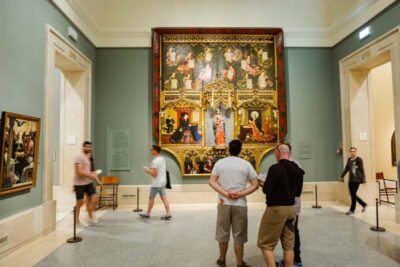

FC Barcelona Museum “Barça Immersive Tour” Ticket
Read our review →
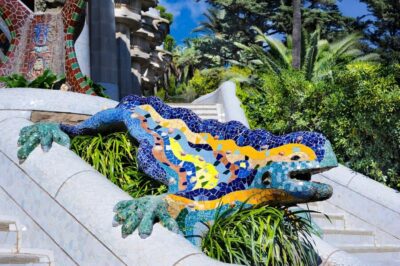
Park Güell and Gaudí House Museum Entry Ticket
Read our review →
Puro Flamenco Show with Optional Museum Ticket
Read our review →
Girona & Dali Museum Small Group Tour with Pick-up from Barcelona
Read our review →
Oceanogràfic, Hemisfèric & Science Museum Combo
Read our review →Browse the lists this tour appears in