
Reviewed · MUSEUMS
Barcelona: Picasso Museum Guided Tour
Barcelona’s Picasso Museum has a claim no other Picasso museum can make: it was created while the artist was still alive. This guided visit leads you from Fossar de les Moreres through the old El Born quarter and into five medieval palaces filled with Picasso’s work.
I like the strong focus on Picasso’s early years, and I like that you can stay inside the museum after the 1.5 to 2-hour tour ends. The main caution is meeting-point clarity. One past visitor had trouble finding the start, and another felt rushed because the guide had to leave for a later tour.
In This Review
- Key points
- Why Picasso’s Barcelona museum is different
- Meeting at Fossar de les Moreres in El Born
- Entering five medieval palaces
- Picasso’s early years are the real strength
- Five artistic periods, explained without art-school fog
- What the 1.5 to 2-hour route feels like
- Staying after the guided portion
- Is $42 good value?
- Small groups, private visits, and language
- Strengths and weak spots to weigh
- Who should book this Picasso Museum tour?
- Final decision: book or visit independently?
- FAQ
- Where does the Picasso Museum tour meet?
- How long does the guided visit last?
- What language is the tour offered in?
- Is museum admission included?
- Can I stay inside the museum after the tour?
- What is the maximum group size?
Key points
- A museum created during Picasso’s lifetime: This unusual origin gives the collection a direct link to the artist and Barcelona.
- Five historic palaces in one visit: The museum occupies buildings dating from the 13th and 14th centuries, not a purpose-built modern gallery.
- More than 3,500 works: The collection is especially strong for Picasso’s youth and his Barcelona years from 1895 to 1904.
- A short El Born walk comes first: The route begins at Fossar de les Moreres, so the tour adds neighborhood context before the galleries.
- Five artistic periods explained: Your guide covers the blue, pink, cubist, neoclassical, and surrealist periods.
- Small-group and private options: The maximum is 20 people per guide, with private and small-group formats available.
Why Picasso’s Barcelona museum is different
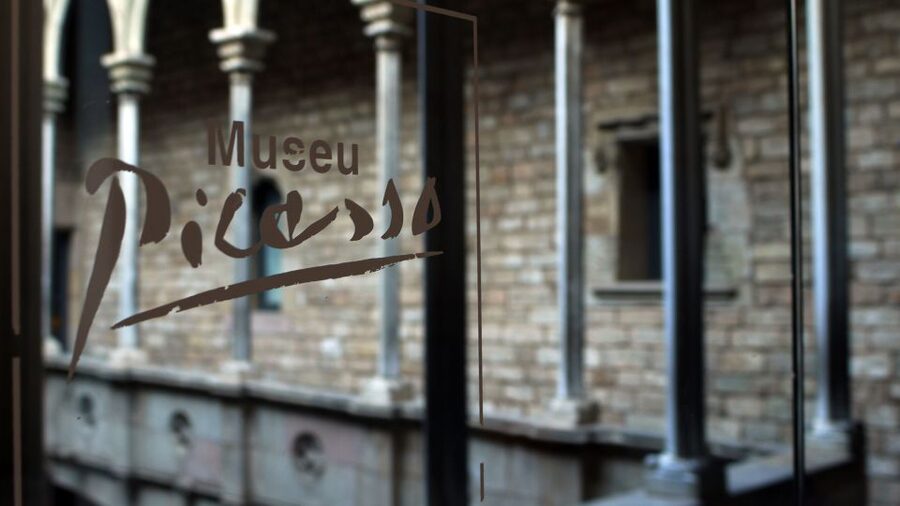
Many museums show Picasso’s work. This one tells a more personal story because it was founded during his lifetime, with Picasso himself involved in its creation. That fact changes the feel of the visit. You are not simply entering a later memorial to a famous painter. You are visiting a museum tied directly to the artist’s own connection with Barcelona.
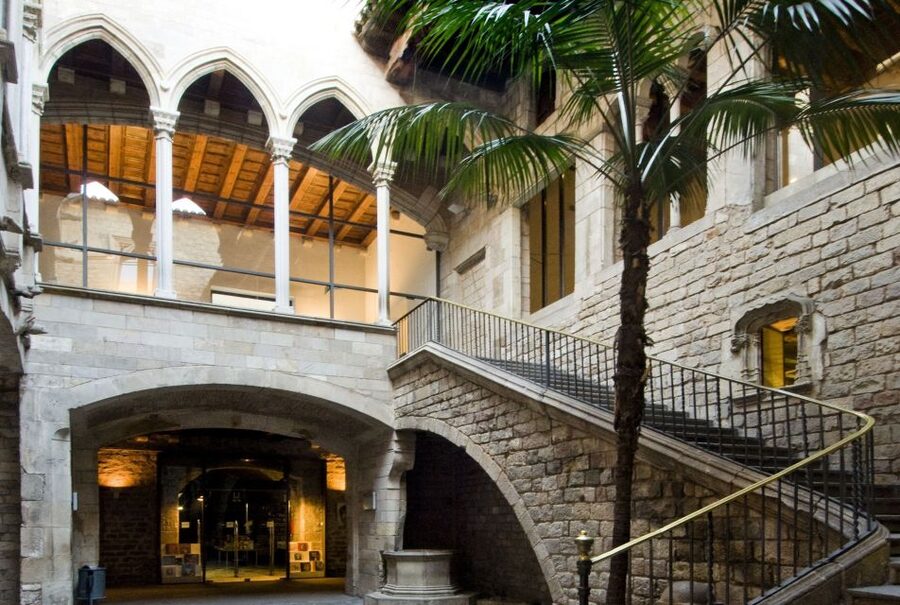
The museum began in the Palau Aguilar, then grew into a group of five palaces. These buildings date from the 13th and 14th centuries, so the setting is part of the experience. You move through old stone rooms and historic interiors rather than a single neutral gallery block.
I find this especially useful for first-time visitors because Picasso’s work can feel scattered when you see it in isolation. A guide can place each painting into the larger arc of his life, showing how the young Barcelona-based artist changed over time.
More Museum Tours in Barcelona
- Barcelona: FC Barcelona Museum “Barça Immersive Tour” Ticket
★ 4.4 · 10,944 reviews - Barcelona: Park Güell and Gaudí House Museum Entry Ticket
★ 4.5 · 6,326 reviews - Barcelona: Picasso Museum Skip-the-Line Guided Tour
★ 4.5 · 3,355 reviews
Meeting at Fossar de les Moreres in El Born
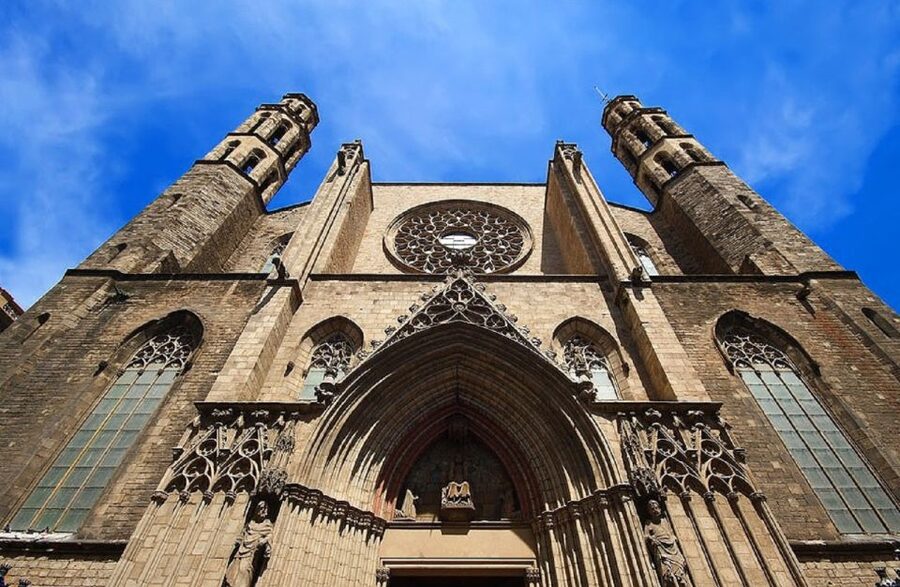
The meeting point is Fossar de les Moreres, a historic square beside Santa Maria del Mar. From there, the group takes a short walk to the museum. The walk is not a major sightseeing route, but it gives the guide a chance to introduce the neighborhood and set up Picasso’s Barcelona connection.
This is one reason I prefer this format to simply buying museum admission. The experience starts before the ticket barrier. You get a little local orientation, and the transition from the square to the museum helps connect Picasso with the city where he spent important early years.
Still, take the meeting point seriously. The exact location can vary by booking option, and finding the group was difficult for at least one person. Arrive early, check the meeting instructions carefully, and keep your phone available in case you need to confirm the location.
Wear comfortable shoes. The walk is short, but Barcelona’s old center has hard paving, narrow streets, and plenty of reasons to pause.
Entering five medieval palaces
The museum first occupied one palace, the Palau Aguilar. As its collection and role grew, four more buildings joined it. Today, the museum is spread across five palaces, each built between the 13th and 14th centuries.
That layout matters. You are not walking through one long sequence of large white rooms. The galleries occupy older structures with different shapes and transitions. The palaces give the visit a strong sense of place, though they can also make the route feel less straightforward than a modern museum.
Your guide’s radio system is included. This is a practical detail, not a luxury. In a museum with groups moving through historic rooms, a radio lets you hear the explanation without standing shoulder to shoulder with the guide. The maximum group size is 20 people per guide, but a private or smaller format may suit you better if you want to ask many questions.
Picasso’s early years are the real strength
The collection contains more than 3,500 works, with an especially strong group from Picasso’s youth. That focus makes the museum valuable even if you already know his famous cubist images.
You see the artist before the full public image of Picasso had formed. The guide connects the early work to his education, ambitions, changing style, and time in Barcelona. The museum also focuses on his Barcelona period from 1895 to 1904, a key stretch in his development.
I like this chronological approach because it makes Picasso easier to follow. Instead of treating him as a painter who suddenly became cubist, the visit shows a long process of testing ideas and changing direction.
You will not see every stage represented in equal depth. The museum’s particular strength is the early material, so you should not expect a complete survey of every major work from every decade. That is not a flaw, but it is worth knowing before you book.
More Barcelona museums and collections:
- Girona & Dali Museum Small Group Tour with Pick-up from Barcelona
★ 5.0 · 2,965 reviews - Moco Museum Barcelona Banksy & More
★ 4.6 · 2,340 reviews - From Barcelona: Girona, Figueres, Dalí Museum, and Cadaqués
★ 4.7 · 1,928 reviews - Montserrat Museum and Monastery Entry Ticket
★ 4.5 · 1,740 reviews
Five artistic periods, explained without art-school fog
The tour covers five periods of Picasso’s career:
- Blue period: Somber colors and serious subjects dominate this phase.
- Pink period: The mood and palette shift, with a different emotional tone.
- Cubist period: Picasso and his contemporaries break forms into fractured viewpoints.
- Neoclassical period: The work turns toward more traditional shapes and solid figures.
- Surrealist period: Images become more dreamlike and psychologically charged.
These labels are useful, but they can become a dull checklist if presented without examples. The strength of this tour depends heavily on the guide’s storytelling. Past guides have included Oliver Vilar Roça, Marta, Marina, Raul, Rod, and Isabelle, though your guide will depend on the date and option you select.
The best guide style here is not just naming the period. It is explaining what changed, why the change mattered, and how the work relates to Picasso’s life and surroundings. Several guides have been praised for adding personal details and stories about Picasso the man, not just Picasso the name.
Marta, in particular, has been noted for giving thorough information during both the walk and the museum visit. Raul was described as entertaining and good at combining the museum with El Born. Rod received praise for his friendly, helpful approach. These are useful signs, but guide quality can vary from one departure to another.
What the 1.5 to 2-hour route feels like
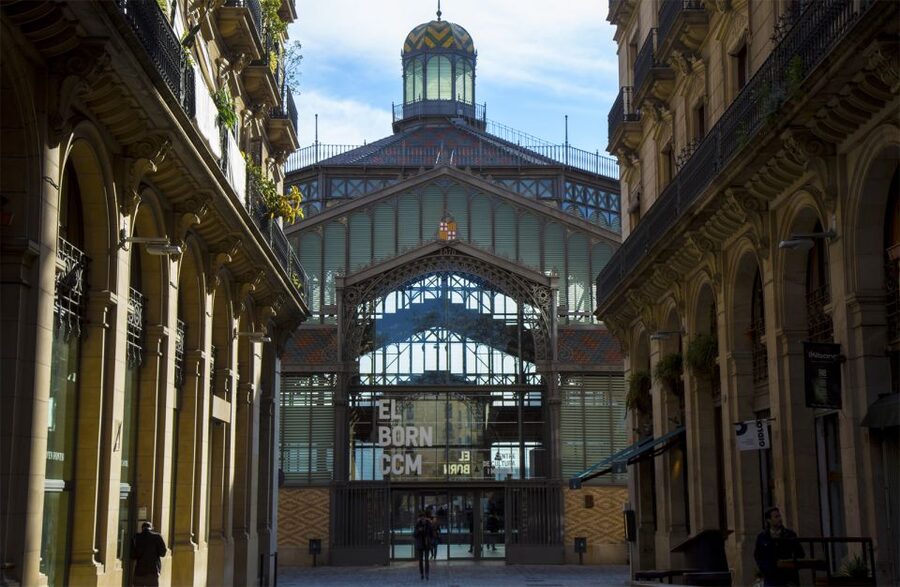
Plan on about 90 minutes to two hours with the guide. The route begins at the meeting point, includes the short walk, and continues through selected parts of the museum.
The guide cannot cover 3,500 works in that time, nor should you want that. A good museum tour chooses representative pieces and uses them to explain Picasso’s development. You get a framework rather than a rushed attempt to mention everything.
The pace has generally been described as comfortable, but timing is not always perfect. One person found the museum portion rushed because the guide needed to reach another tour. That possibility is worth keeping in mind if your schedule is tight or if you want long periods to study each work.
Ask questions early rather than waiting until the last room. If your guide has another commitment, the final part may have less flexibility. For serious art lovers, a private option may offer more room for discussion, though the price and availability can vary.
Staying after the guided portion
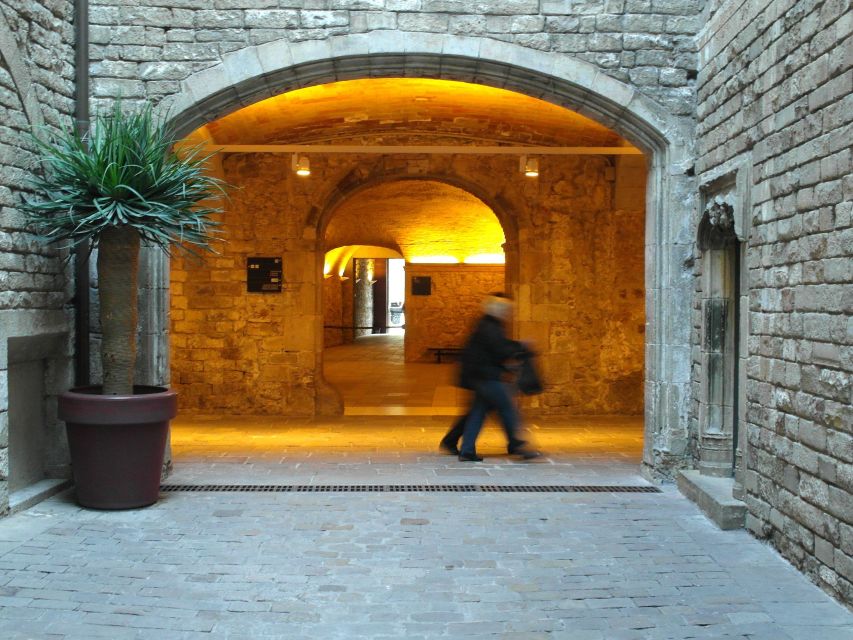
One of the tour’s best practical features is the chance to remain inside the museum after the guide finishes. You can return to works that caught your attention and look at them at your own pace.
This matters because guided visits and personal viewing serve different purposes. The guide gives you the structure and background. The extra time lets you slow down, compare paintings, and enjoy the palaces without trying to keep up with a group.
I would use the guided portion to understand Picasso’s timeline, then stay for the pieces that interest you most. If you are traveling with someone who prefers a faster museum pace, this arrangement also works well: you can split up after the tour and meet later.
Check the day’s closing arrangements when you book. The available time after the tour depends on museum opening hours and the schedule of your visit.
Is $42 good value?
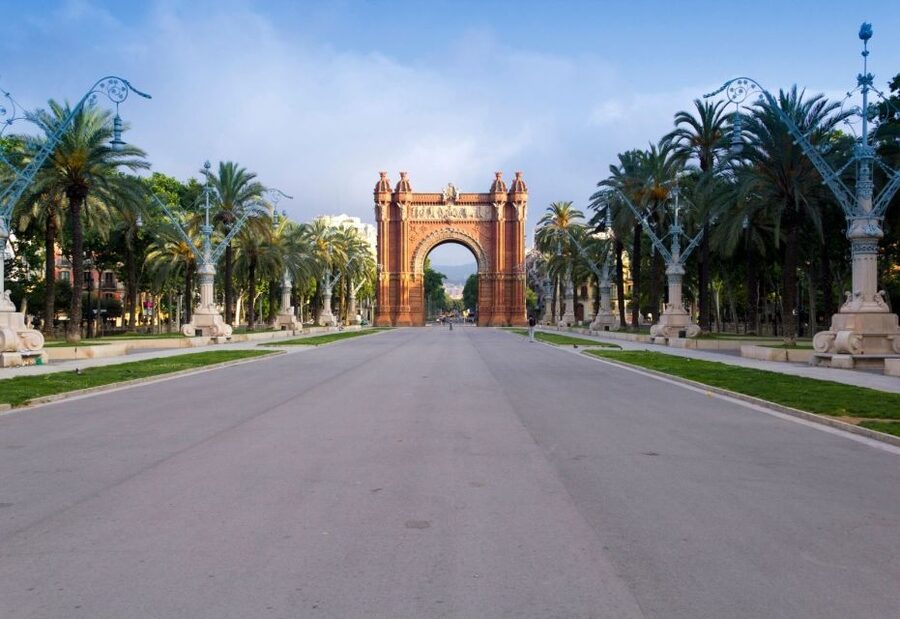
At $42 per person, this is not the cheapest way into the Picasso Museum. You are paying for admission, an English-speaking guide, the radio system, and the short orientation walk from Fossar de les Moreres.
The value is strongest if Picasso is a major reason for visiting Barcelona, or if art museums often leave you unsure where to begin. A guide can save you from wandering through a large collection without a clear sense of Picasso’s development. The early work and Barcelona years also give the visit a focus that a basic ticket may not provide.
The price is less compelling if you already know Picasso’s career well and prefer to read labels alone. You may get more from ordinary admission and a slow independent visit, especially if you want to spend several hours with individual works.
The option to reserve now and pay later is useful for flexible planning. You can also cancel up to 24 hours before the activity for a full refund, according to the stated terms. Hotel pickup and drop-off are not included, so you must reach the meeting point yourself.
Small groups, private visits, and language
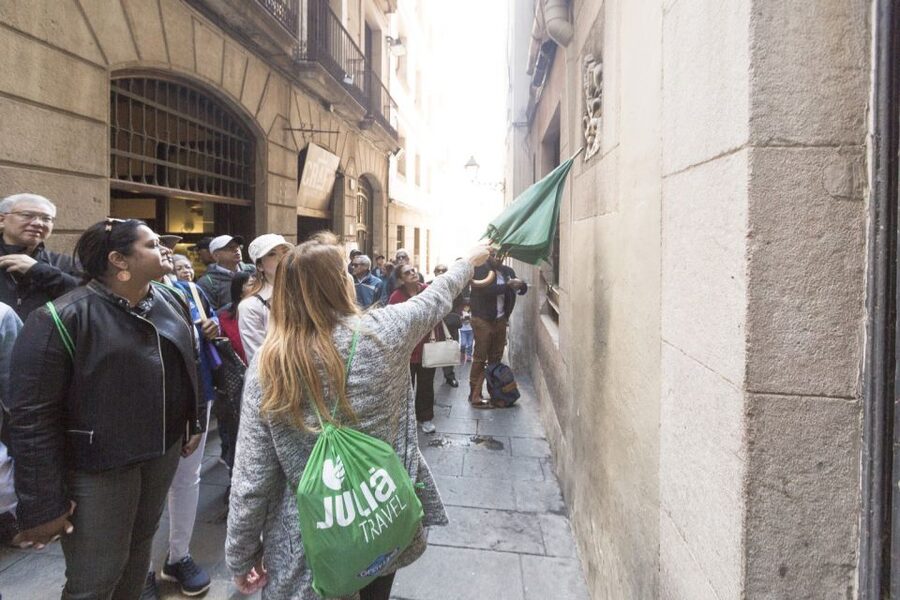
The live tour is offered in English. The standard maximum is 20 people per guide, with private and small-group choices available.
A group of 20 is manageable with the included radio system, but it will not feel intimate. If you care about asking detailed questions or want the guide to adjust the pace, choose a smaller or private option if available.
The guide’s ability to explain Picasso clearly matters more than the number of rooms you see. Past English-speaking guides have been praised for strong communication, humor, friendly service, and the ability to add personal stories. One guide was also praised for switching between languages smoothly, though English is the stated language for this activity.
Children under three are not suitable for the tour. Older children may appreciate the short walk and colorful changes in Picasso’s work, but the subject matter and museum pace may not hold every young child’s attention.
Strengths and weak spots to weigh
The strongest part of the experience is its storytelling. The museum contains plenty of art, but the guide helps you understand how the pieces fit together. The best reports focus on guides who were warm, clear, and able to make Picasso’s life feel human rather than turning the visit into a list of dates.
The second major strength is the setting. Five old palaces make the museum itself worth noticing, and the walk from El Born adds a little Barcelona context before you enter.
The main weakness is logistics. The meeting point may be hard to locate, and a hurried guide can reduce the value of the museum portion. I would arrive early and avoid scheduling another activity immediately afterward.
The overall score is 3.9 out of 5 from 124 ratings. That suggests a solid but not flawless experience. The praise centers on guide quality, while the weaker points involve meeting-point confusion and occasional rushing.
Who should book this Picasso Museum tour?
I would choose this tour if you want a clear introduction to Picasso, care about his Barcelona years, and enjoy learning through stories rather than labels. It is also a good fit for a first visit to the museum, since the collection is large enough to feel confusing without a plan.
It suits couples, small groups of friends, and solo visitors who want company and context. The private option may be worth considering for serious art fans or anyone who dislikes fixed group pacing.
I would skip it if you want a quiet, extended museum session or already have a strong grasp of Picasso’s five major periods. In that case, direct admission may give you more freedom for less money.
Final decision: book or visit independently?
Book this guided visit if you want Picasso’s career explained in a sensible order, with special attention to his youth and Barcelona years. The five-palace setting, short El Born walk, English guide, and extra time inside make the $42 fee reasonable for many first-time visitors.
Just build in a little meeting-point insurance. Arrive early, wear comfortable shoes, and do not place a strict appointment right after the tour. If you need time for questions, choose a private or small-group format when available.
FAQ
Where does the Picasso Museum tour meet?
The meeting point is generally at Fossar de les Moreres, followed by a short walk to the museum. The exact meeting point may vary depending on the option booked.
How long does the guided visit last?
The activity lasts about 1.5 to 2 hours, including the walk and museum visit.
What language is the tour offered in?
The live tour guide language is English.
Is museum admission included?
Yes. Picasso Museum admission is included, along with the guide and a radio system.
Can I stay inside the museum after the tour?
Yes. After the guided portion, you can remain inside the museum and view the collection independently, subject to museum hours.
What is the maximum group size?
The activity allows a maximum of 20 people per guide. Private and small-group options are available.
Recently reviewed around Barcelona
- Excursion Aigüestortes – Estany Llebreta (1/2 day)★ 5.0 · 138 reviews
- E-Bike tour in Barcelona with English Guide★ 5.0 · 128 reviews
- Wine Tasting Experience in Barcelona★ 5.0 · 172 reviews
- Barcelona Luxury Yacht Cruise – Day or Sunset, Open Bar & Snacks★ 5.0 · 154 reviews
- Montserrat: Cog-Wheel, Basilica, Black Madonna & Licor Tasting★ 4.5 · 886 reviews
- Barcelona Wax Museum Admission Ticket★ 4.5 · 237 reviews
- Barcelona: Wine Tasting and 5 Course Tapas Pairing Dinner★ 4.5 · 129 reviews
- Barcelona Gothic Quarter Walking Tour with Tapas★ 5.0 · 248 reviews
Museums, compared.

FC Barcelona Museum “Barça Immersive Tour” Ticket
Read our review →
Park Güell and Gaudí House Museum Entry Ticket
Read our review →
Puro Flamenco Show with Optional Museum Ticket
Read our review →
Girona & Dali Museum Small Group Tour with Pick-up from Barcelona
Read our review →
Oceanogràfic, Hemisfèric & Science Museum Combo
Read our review →Browse the lists this tour appears in