
Reviewed · MUSEUMS
Barcelona: Museum of Forbidden Art Entry Ticket
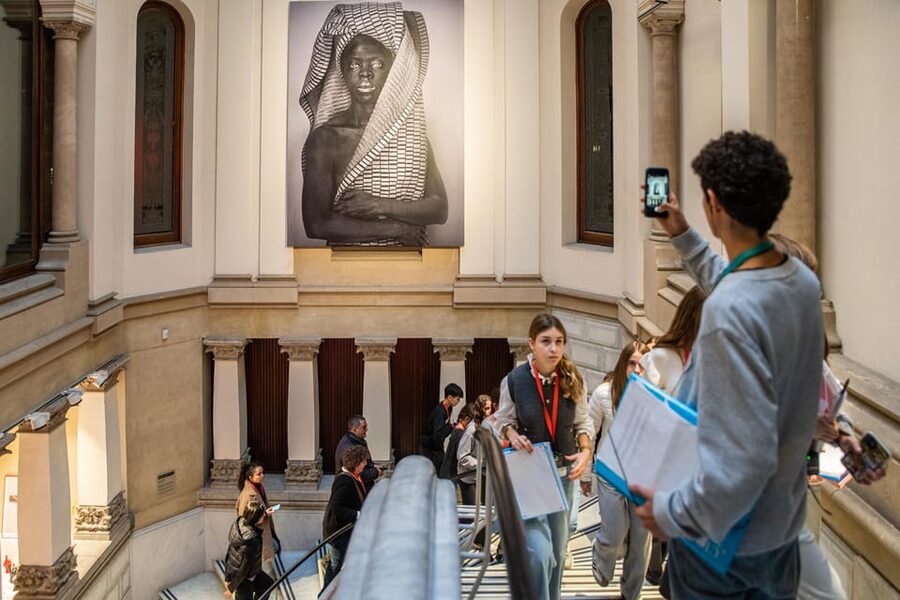
Barcelona’s Museum of Forbidden Art puts censorship at the center of the visit. Inside the early-20th-century Casa Garriga Nogués, you’ll see works by Picasso, Goya, Warhol, Banksy, Ai Weiwei, and others that faced bans, removal, or public pressure. It is an unusual museum with a serious question behind it: who gets to decide what can be shown?
I like the wide range of artists, from famous names such as Gustav Klimt and Keith Haring to contemporary figures including Tania Bruguera and Abel Azcona. I also like the free interactive digital guide, which gives you background in English, Spanish, or Catalan without tying you to a scheduled tour. The main caution is that this is not a light, family-style art stop. Some subjects may be disturbing, and the museum is not recommended for children under 13.
In This Review
- Key points at a glance
- Why forbidden art makes a worthwhile Barcelona stop
- Entering Casa Garriga Nogués near Passeig de Gràcia
- The collection: Picasso, Goya, Warhol, Banksy, and more
- Using the free digital guide in English
- How long to plan and when to fit it into your day
- Is the $14 ticket good value?
- Who will enjoy this museum most?
- Practical advice before you go
- Should you book the Museum of Forbidden Art?
- FAQ
- Where is the Museum of Forbidden Art located?
- What artists are represented in the museum?
- How many artworks are in the collection?
- Is a guide included with admission?
- Is the museum suitable for children?
- What is included with the ticket?
- Can I cancel my booking?
Key points at a glance
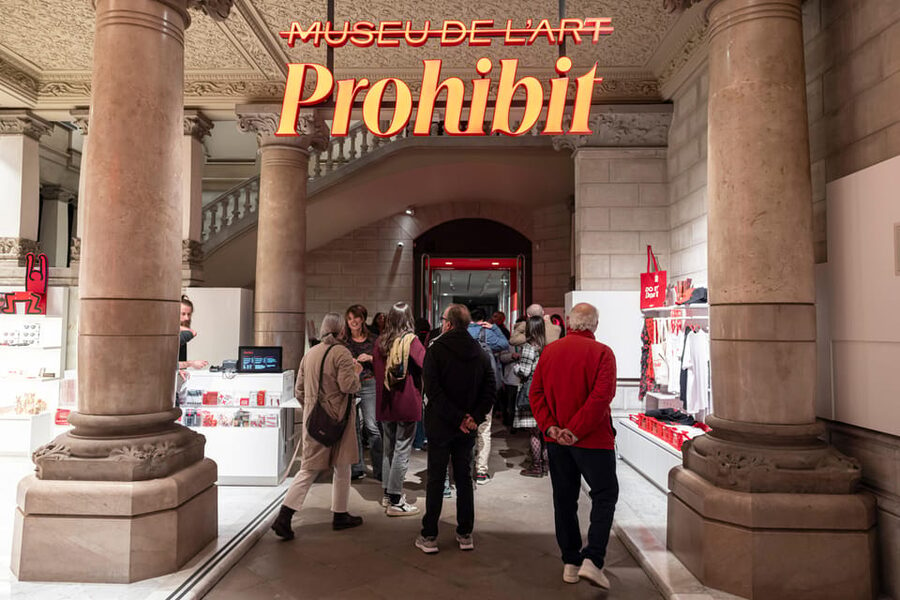
- More than 200 censored artworks: See pieces connected to Picasso, Warhol, Goya, Banksy, Ai Weiwei, Mapplethorpe, and many more.
- A rare subject for a museum: The collection focuses on art that was prohibited, removed, challenged, or restricted.
- Casa Garriga Nogués setting: The museum is one minute from Passeig de Gràcia and close to Casa Batlló and La Pedrera.
- Your phone becomes the guide: Free multimedia material is available in Catalan, Spanish, and English.
- Easy to fit into a Barcelona day: The ticket is valid for a selected period from one to 180 days, with starting times checked during booking.
- Good value for curious adults: At $14 per person, it offers a focused cultural visit at a modest price, though food, transport, and a guided tour are not included.
Why forbidden art makes a worthwhile Barcelona stop
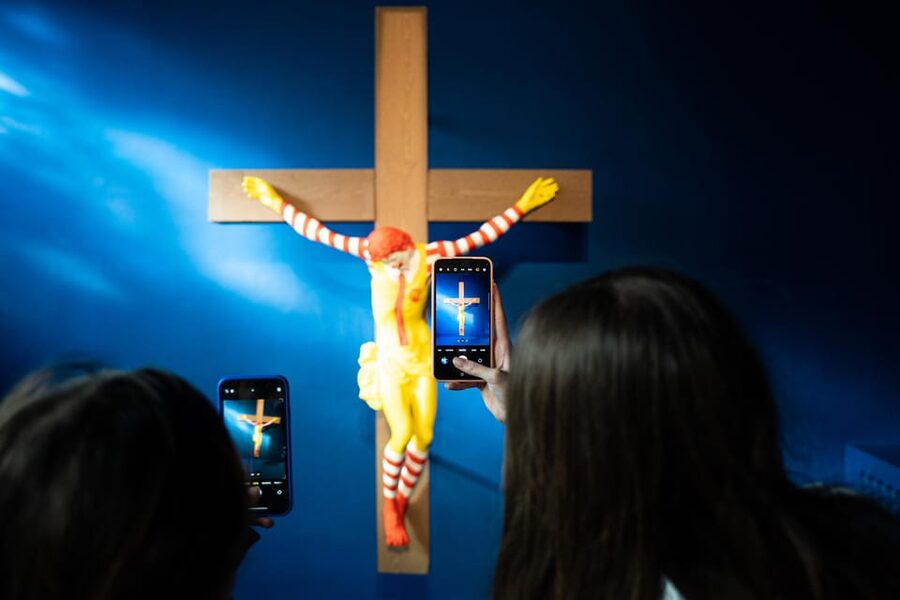
Many art museums ask you to admire technique, style, or beauty. This one asks you to think about power. A work may be censored because of political criticism, sexuality, religion, violence, public morality, or pressure from a government or institution.
That gives the visit a clear purpose. You are not simply moving from one famous painting to another. You are looking at the reason a particular work caused trouble, and considering what that reaction says about the society around it.
The collection includes more than 200 works. That is enough to show that censorship is not limited to one period or one country. The names cover several generations and artistic movements, including Picasso, Francisco Goya, Andy Warhol, Gustav Klimt, Keith Haring, Robert Mapplethorpe, Ai Weiwei, Banksy, Miquel Barceló, and Tania Bruguera.
I find that range especially useful. You may arrive because Banksy interests you, then discover that the same basic conflict appears in a work by Goya or Picasso. The museum makes a strong case that arguments over art are not a modern social-media problem. They have been part of public life for centuries.
More Museum Tours in Barcelona
- Barcelona: FC Barcelona Museum “Barça Immersive Tour” Ticket
★ 4.4 · 10,944 reviews - Barcelona: Park Güell and Gaudí House Museum Entry Ticket
★ 4.5 · 6,326 reviews - Barcelona: Picasso Museum Skip-the-Line Guided Tour
★ 4.5 · 3,355 reviews
Entering Casa Garriga Nogués near Passeig de Gràcia
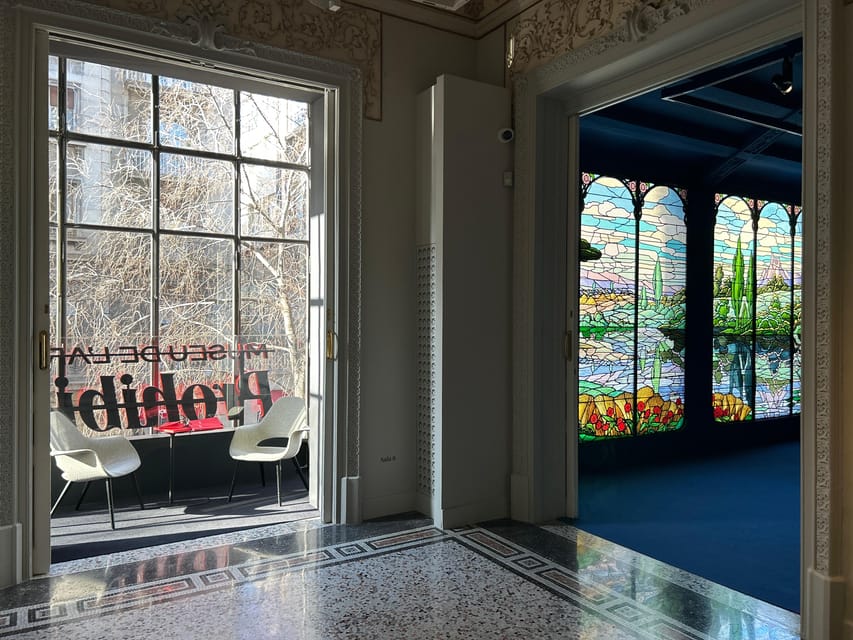
The museum occupies Casa Garriga Nogués, a modernist building from the early 20th century. Its location is one of the experience’s practical strengths. You are about one minute from Passeig de Gràcia, one of Barcelona’s main avenues, and close to Casa Batlló and La Pedrera.
That makes this an easy add-on to a day of architecture. You can pair it with the famous Gaudí buildings without crossing the city for a separate museum visit. The setting also gives the experience a little more character than a plain modern gallery. You are entering a historic Barcelona building before confronting works that have caused arguments far beyond Spain.
Allow time for security at the entrance. Every visitor must pass through control, and food, drinks, bags, and pets are not allowed inside. Bring a passport or identity card, including one for each child, since identification is required.
There is a gift shop near the entrance, a small detail that may be useful if you want a keepsake or need a few minutes to orient yourself before starting. The ticket also includes access to the terrace area and free Wi-Fi.
The collection: Picasso, Goya, Warhol, Banksy, and more
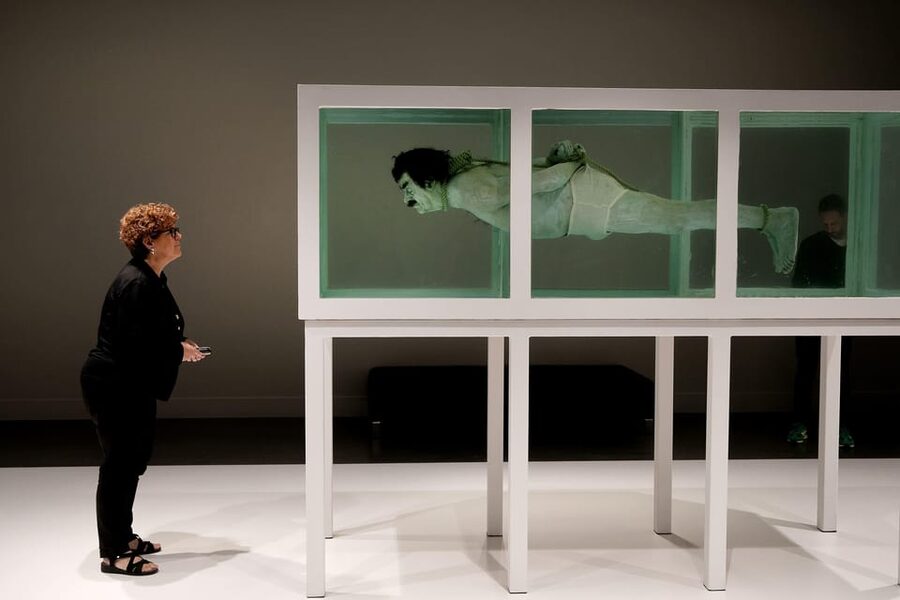
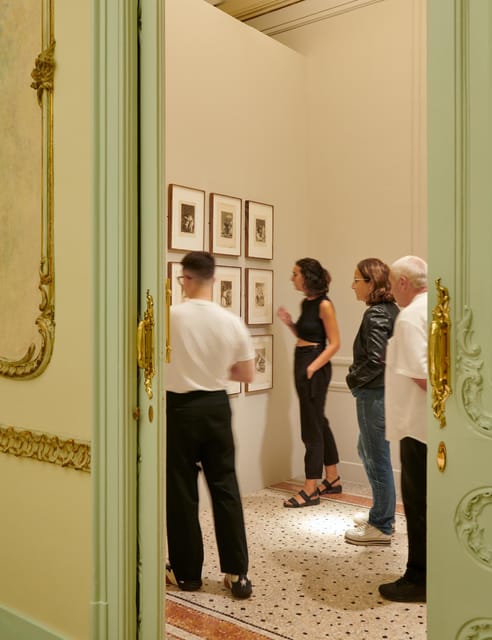
The strongest part of the visit is the collection itself. The museum does not depend on one superstar artist. Instead, it uses many names to show how different kinds of censorship work.
Picasso and Goya bring historical weight. Their presence connects the collection to earlier periods when political and social criticism could carry serious consequences. Warhol, Klimt, Haring, and Mapplethorpe show how modern art has often collided with public standards about sexuality, popular culture, and acceptable imagery.
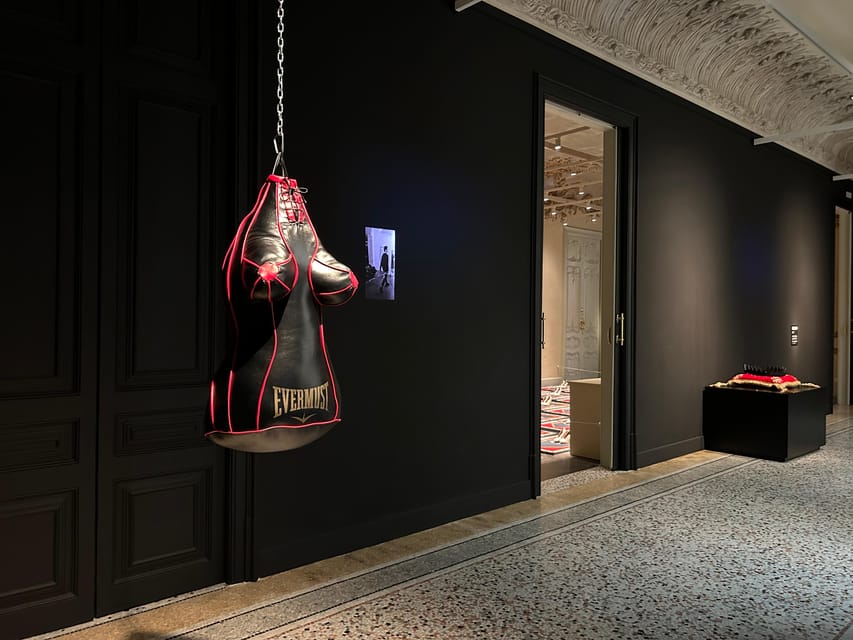
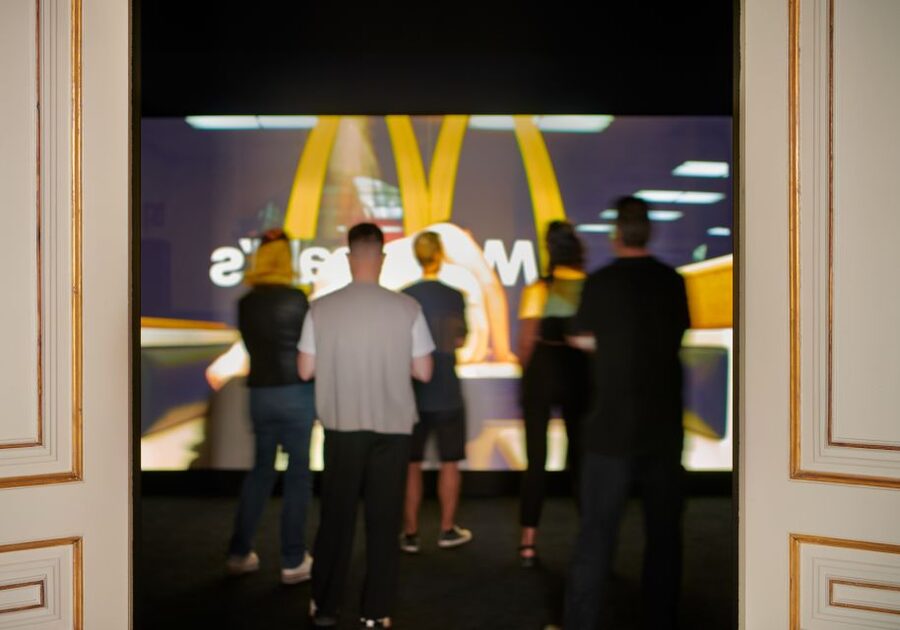
The contemporary selection adds another layer. Ai Weiwei, Banksy, Tania Bruguera, Abel Azcona, and Ines Doujak are linked to current debates about politics, public space, identity, and institutional control. You may not agree with every work or every controversy, but that is part of the point. The museum gives you room to consider why an artwork was targeted rather than telling you that one response is correct.
The collection can also be challenging. Some material may involve politics, sexuality, violence, or subjects that caused outrage. The museum is specifically not suitable for children under 13, so parents should take that seriously rather than treating this as a general art museum for all ages.
For adults and older teenagers who enjoy art with an argument behind it, the subject is the main attraction. If you prefer quiet rooms filled with traditional paintings and minimal explanation, this may feel more confrontational than relaxing.
Using the free digital guide in English
The general ticket includes a free interactive digital guide. You use your own device, and the guide includes information and multimedia content in Catalan, Spanish, and English.
This is important because the central question behind each piece is not always visible from the artwork alone. The guide helps explain the context, the conflict, and the effect of censorship. You can spend more time with a work that catches your attention instead of following a guide’s fixed pace.
I like this format for two reasons. First, it keeps the visit flexible. You can read closely, move on quickly, or return to a piece later. Second, English-speaking visitors are not dependent on a scheduled tour or a printed translation.
There is also a trade-off. A digital guide requires attention to your phone, so part of your visit may involve looking at a screen. If you want a personal guide who can answer questions on the spot, this ticket does not provide one. A guided tour is not included.
Bring a charged phone and plan to use your own device. Free Wi-Fi is available, which helps with access to the museum’s material, but the practical quality of your visit will still depend on your battery and comfort with reading on a screen.
More Barcelona museums and collections:
- Girona & Dali Museum Small Group Tour with Pick-up from Barcelona
★ 5.0 · 2,965 reviews - Moco Museum Barcelona Banksy & More
★ 4.6 · 2,340 reviews - From Barcelona: Girona, Figueres, Dalí Museum, and Cadaqués
★ 4.7 · 1,928 reviews - Montserrat Museum and Monastery Entry Ticket
★ 4.5 · 1,740 reviews
How long to plan and when to fit it into your day
The ticket is listed as valid for a period from one to 180 days, with starting times checked through availability. That gives you useful flexibility when building a Barcelona schedule. You can reserve ahead, keep your plans open, and pay later if that option is available at booking.
The information does not set a fixed visit length, so I would treat the museum as a flexible cultural stop rather than a full-day event. Its central location makes it easy to place before or after Casa Batlló, La Pedrera, shopping along Passeig de Gràcia, or another nearby plan.
Do not assume every date works without checking. One booking problem involved a Tuesday reservation even though the museum was closed that day, and the visit had to move to the following day. The replacement visit was considered worthwhile, but this is a useful warning: check the museum’s opening day and starting time carefully before you commit your schedule.
The free cancellation policy also helps. You can cancel up to 24 hours in advance for a full refund, and the reserve-now, pay-later option keeps the $14 out of your immediate travel budget. Those terms are useful in Barcelona, where weather, restaurant bookings, and changes to sightseeing plans can quickly rearrange your day.
Is the $14 ticket good value?
At $14 per person, the ticket is reasonably priced for a central Barcelona museum with more than 200 artworks, a digital guide, terrace access, and Wi-Fi. The value is strongest if you take time to read the background material rather than race through the rooms.
You are paying for a distinctive subject, not just admission to another art collection. Barcelona has plenty of famous architecture and major museums, but few places organize their entire visit around censored and prohibited art. That makes the ticket a good choice for repeat visitors, art students, politically curious adults, and anyone who wants something different from the usual Gaudí circuit.
The value is less clear if you want a guided experience. A live guide is not included, and food, drinks, and transportation are extra. You also need to manage the digital material yourself. That keeps the price low, but it means the museum asks you to take an active role.
The rating of 4.6 from 161 reviews fits the experience’s strengths: the subject is unusual, the historical explanations are useful, and the building adds to the visit. The positive response is not a reason to skip the practical checks, especially the opening day and the age recommendation.
Who will enjoy this museum most?
I would recommend it most strongly to adults who like modern art, political history, freedom-of-expression debates, or museums that ask difficult questions. You do not need to know every artist in advance. The guide provides the context you need, and the variety means you can connect with at least some part of the collection.
It is also a good choice for a second or third day in Barcelona. After you have seen the major Gaudí sights, this museum gives you a different view of the city’s cultural life. Its central location makes it easy to add without sacrificing an entire afternoon.
Families should think carefully. Children under 13 are not considered suitable for the museum, and the material may be unsettling even for older children. Teenagers with an interest in art or current affairs may find it worthwhile, but the visit is not designed as a playful children’s attraction.
The museum may not suit you if you want an informal break between meals and sightseeing. It deals with serious subjects, and the best experience comes when you are ready to read, think, and compare the different cases.
Practical advice before you go
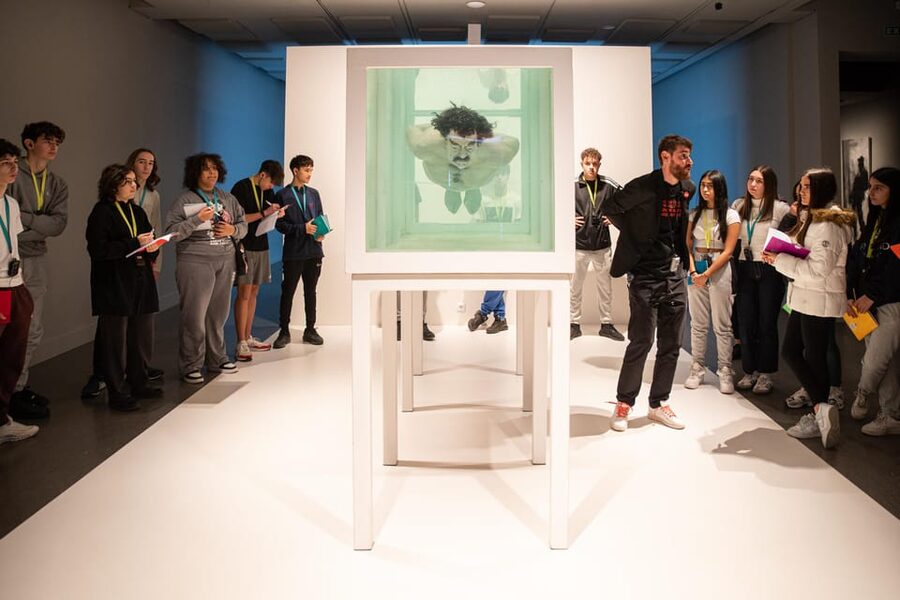
Keep your identity document handy. The requirement applies to children as well as adults, so do not leave passports or ID cards at your accommodation if you plan to visit.
Travel light. Bags are not allowed, and food and drinks cannot be brought inside. You should also leave pets behind, with the stated exception not offering any pet access.
Check the date before booking, particularly if your schedule includes a Tuesday. Confirm the starting time and opening information close to your visit. The ticket’s flexible validity and cancellation terms are helpful, but they do not remove the need to verify the day.
Use the digital guide in the language that suits you best. English, Spanish, and Catalan are available. If you want to understand why the works were prohibited, do not skip this material. It is the part that turns the museum from a collection of controversial images into a study of censorship.
Finally, leave room for the terrace. It is included with admission and provides a change of pace after the gallery rooms. The visit is more satisfying when you treat it as a thoughtful stop rather than a quick checklist attraction.
Should you book the Museum of Forbidden Art?
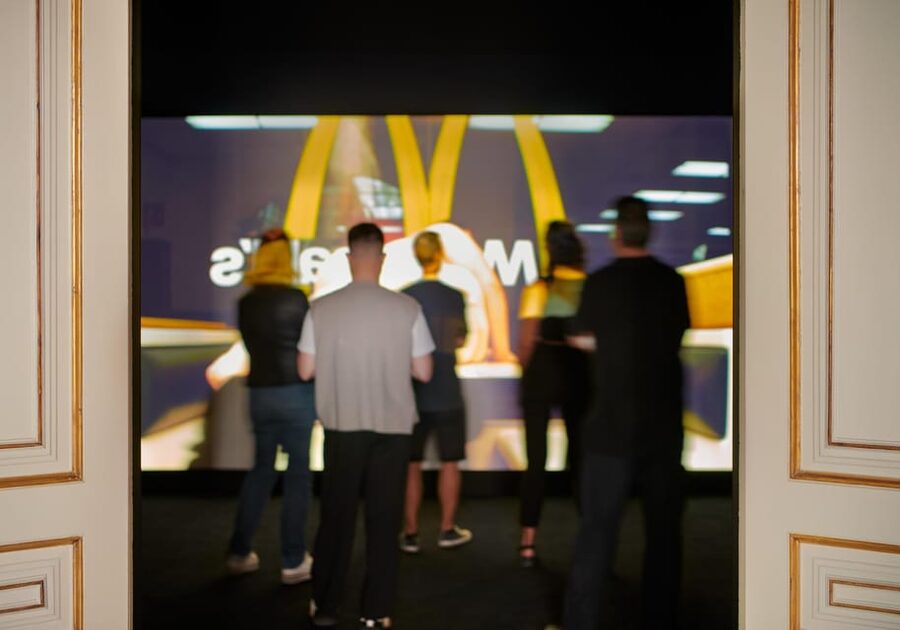
Book it if you want a focused, unusual museum near Passeig de Gràcia and enjoy art that raises questions about politics, morality, and public control. The $14 price is fair, the digital guide is available in English, and the collection includes an impressive range of artists from Goya and Picasso to Banksy and Ai Weiwei.
Skip it if you are looking for a traditional art museum, need a live guide, or are traveling with children under 13. For everyone else, this is one of Barcelona’s more distinctive cultural stops. Check the opening day carefully, travel without a bag, and give yourself enough time to read the stories behind the works.
FAQ
Where is the Museum of Forbidden Art located?
The museum is in Casa Garriga Nogués, about one minute from Passeig de Gràcia in Barcelona. It is also close to Casa Batlló and La Pedrera.
What artists are represented in the museum?
The collection includes censored works by Pablo Picasso, Andy Warhol, Francisco Goya, Ai Weiwei, Banksy, Gustav Klimt, Tania Bruguera, Miquel Barceló, Keith Haring, and Robert Mapplethorpe. Other named artists include Abel Azcona and Ines Doujak.
How many artworks are in the collection?
The collection includes more than 200 artworks that have faced censorship.
Is a guide included with admission?
Yes. A free interactive digital guide with information and multimedia content is included. It is available in Catalan, Spanish, and English. A live guided tour is not included.
Is the museum suitable for children?
The experience is not suitable for children under 13. All visitors, including children, must bring a passport or identity card.
What is included with the ticket?
Admission includes access to the exhibition and terrace area, the free digital guide, and free Wi-Fi.
Can I cancel my booking?
Yes. You can cancel up to 24 hours in advance for a full refund. A reserve-now, pay-later option is also available.
Recently reviewed around Barcelona
- Excursion Aigüestortes – Estany Llebreta (1/2 day)★ 5.0 · 138 reviews
- E-Bike tour in Barcelona with English Guide★ 5.0 · 128 reviews
- Wine Tasting Experience in Barcelona★ 5.0 · 172 reviews
- Barcelona Luxury Yacht Cruise – Day or Sunset, Open Bar & Snacks★ 5.0 · 154 reviews
- Montserrat: Cog-Wheel, Basilica, Black Madonna & Licor Tasting★ 4.5 · 886 reviews
- Barcelona Wax Museum Admission Ticket★ 4.5 · 237 reviews
- Barcelona: Wine Tasting and 5 Course Tapas Pairing Dinner★ 4.5 · 129 reviews
- Andorra Original History and Sightseeing Tour (Private, Pickup)★ 5.0 · 350 reviews
Museums, compared.
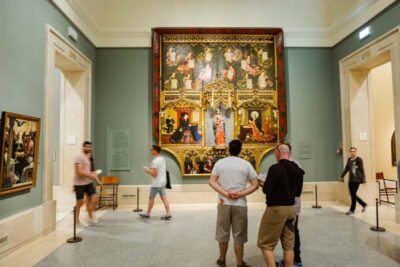

FC Barcelona Museum “Barça Immersive Tour” Ticket
Read our review →
Park Güell and Gaudí House Museum Entry Ticket
Read our review →
Puro Flamenco Show with Optional Museum Ticket
Read our review →

Girona & Dali Museum Small Group Tour with Pick-up from Barcelona
Read our review →
Oceanogràfic, Hemisfèric & Science Museum Combo
Read our review →Browse the lists this tour appears in