Reviewed · TICKETS
Barcelona: Museu Nacional d’Art de Catalunya Entrance Ticket
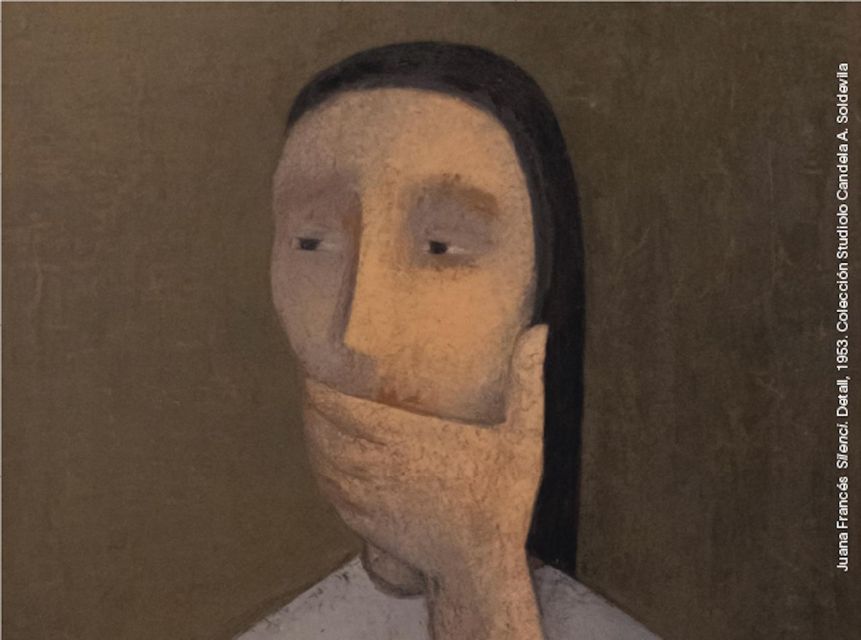
Barcelona’s Museu Nacional d’Art de Catalunya brings together an unusually broad sweep of art inside the grand Palau Nacional on Montjuïc. The Romanesque mural paintings are the main reason to come, but Catalan Modernism, Gothic art, Renaissance and Baroque painting, photography, and temporary shows give you plenty to see.
I especially like the way old church frescos are displayed in settings that help you understand their original scale, and I like the chance to pair a major museum visit with Montjuïc’s sweeping city outlook. The main consideration is time: two hours is a sensible minimum, while four hours is better if you want to see the collection without rushing.
In This Review
- Key points to know before you go
- Why MNAC deserves a place on your Barcelona list
- Arriving at the Palau Nacional on Montjuïc
- The Romanesque galleries are the museum’s great prize
- Gothic and Renaissance art broaden the story
- Baroque masters and Spanish painting
- Catalan Modernism brings Barcelona into focus
- Photography and temporary exhibitions add variety
- The building and city views are part of the ticket’s value
- How much time should you set aside?
- Audio guide, languages, and access
- Is the $14 ticket good value?
- Who will enjoy MNAC most?
- Should you book the MNAC entrance ticket?
- FAQ
- Where is the Museu Nacional d’Art de Catalunya?
- How long is the ticket valid?
- What does admission include?
- Is the audio guide included?
- Which languages are available for the audio guide?
- What should I bring?
- Is the museum wheelchair accessible?
- Is the rooftop open?
- When is entry free?
Key points to know before you go
- Romanesque frescos rescued from historic buildings: See monumental mural paintings removed from old churches and preserved for public viewing.
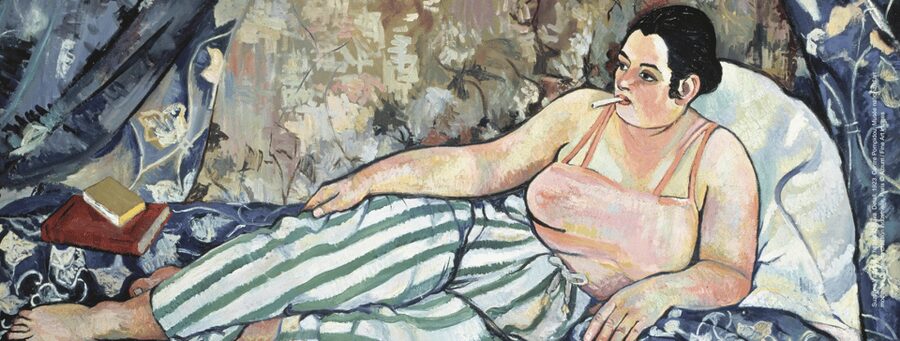
- Catalan Modernism in its home city: Look for works connected with Gaudí, Ramon Casas, and other major Catalan artists.
- European names beyond Catalonia: The collection includes paintings by Tiziano, Velázquez, and other Renaissance and Baroque masters.
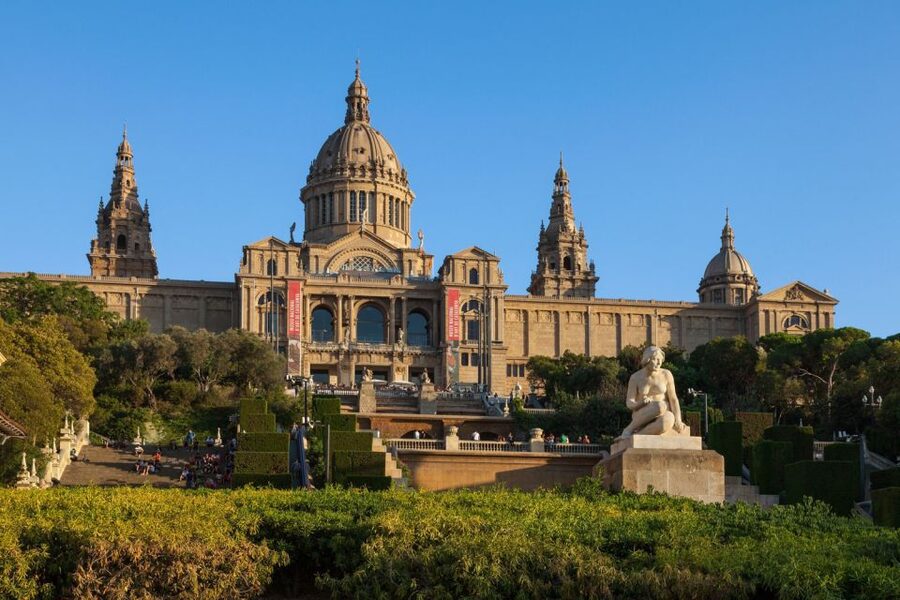
- A grand Montjuïc setting: The Palau Nacional was built for the 1929 International Exposition, and its exterior and approach are part of the experience.
- One ticket, several collections: Admission covers the permanent collection and a temporary exhibition, with an audio guide app in nine languages.
- Check the rooftop before planning around it: The terraces and rooftop are currently out of service because of health-regulation management requirements.
Why MNAC deserves a place on your Barcelona list
Barcelona is famous for Gaudí, Picasso, markets, and beaches, but MNAC gives you a fuller picture of Catalan art. It is not simply a modern-art museum with a few old paintings added for balance. The collection moves across centuries, from medieval church decoration to nineteenth-century Modernism and photography.
The museum occupies the Palau Nacional, a huge ceremonial building on Montjuïc created for the International Exposition of 1929. From the broad approach, the building feels grand and formal. Inside, the museum is more practical than the exterior suggests, with collections arranged across two floors and divided into clear sections.
I like this combination of architecture and art because you get a sense of Barcelona before you even reach the galleries. You can spend time examining the building, then move into the collection without needing a separate sightseeing stop.
The museum received an overall rating of 4.5 from 1,819 reviews, which fits the experience well. The strongest points are the building, the Romanesque frescos, the variety of periods, and the city views from Montjuïc. The weaker points are also clear: some sections have limited English explanation, the climb to the museum can feel tiring in summer, and the rooftop may be unavailable.
More Barcelona trips worth a second look
- Barcelona: Sagrada Familia Entry Ticket with Audio Guide
★ 4.6 · 105,312 reviews - Barcelona: Park Güell Admission Ticket
★ 4.4 · 76,534 reviews - Barcelona Aquarium: Entry Ticket
★ 4.3 · 13,335 reviews
Arriving at the Palau Nacional on Montjuïc
The meeting point is Palau Nacional s/n, Parc de Montjuïc, 08038 Barcelona. You are heading to the large building above the city, not to a small gallery hidden along a side street.
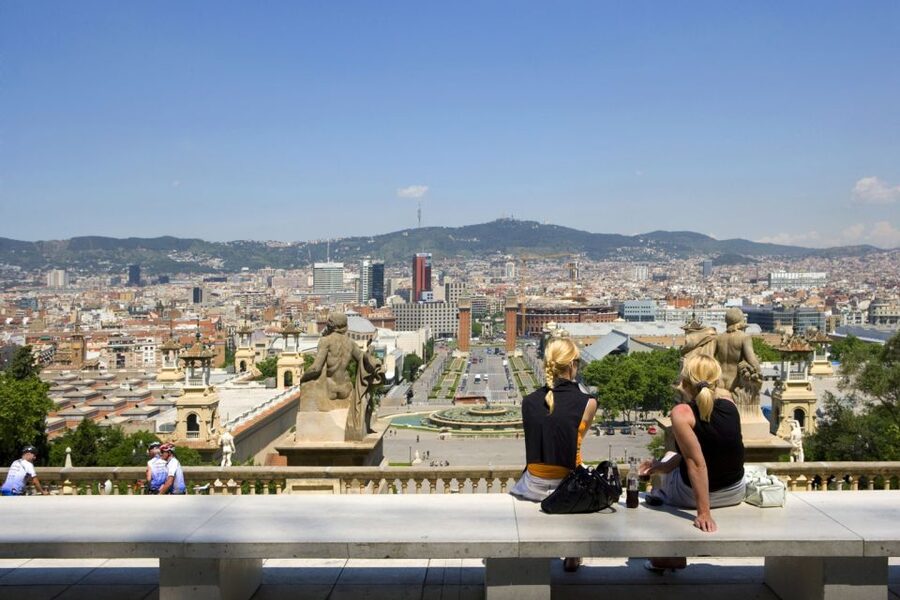
The setting gives you room to slow down. The open area in front of the museum provides broad views toward Barcelona and plenty of places for photographs. The approach can involve walking uphill, and summer heat makes the climb more demanding. Elevators are available near some access points, but you should still allow time to reach the building and get oriented.
The location works particularly well if you want to combine the museum with other Montjuïc sights. You can make MNAC the main stop, or use it as an anchor for a longer afternoon in the park. The museum itself may take two to four hours, so avoid placing it at the very end of a tightly packed day.
The ticket offers skip-the-line entry, which is useful when the museum is busy. At quieter times, you might find little or no queue, but advance booking still gives you a confirmed admission and includes the permanent and temporary collections in one purchase.
The Romanesque galleries are the museum’s great prize
Start with the Romanesque collection. MNAC is known for having the finest collection of Romanesque mural paintings in the world, and this is the part of the museum that gives the visit its special character.
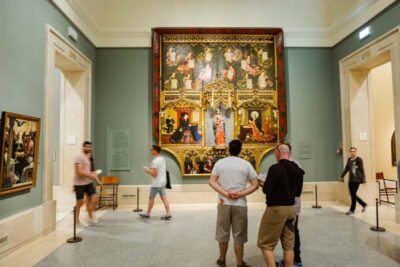
These are not small framed fragments lined up in a row. Many murals were removed from old churches and displayed in ways that suggest their original architectural setting. That presentation helps you understand how the paintings once surrounded worshippers, rather than treating them as isolated pieces of decoration.
The effect is powerful even if you do not know much about medieval art. Bold figures, strong outlines, and symbolic scenes read clearly from a distance. Up close, you can study the surviving details, color, and signs of restoration.
I recommend resisting the temptation to rush through these rooms. The museum’s appeal is not only the age or fame of the works. It is also the care taken to preserve paintings that could otherwise have been lost or separated from public view.
English explanation may be limited in parts of the medieval collection. If you want more context, use the included audio guide app. Bring a charged smartphone and your own headphones, since both are listed as items you should have with you.
Gothic and Renaissance art broaden the story
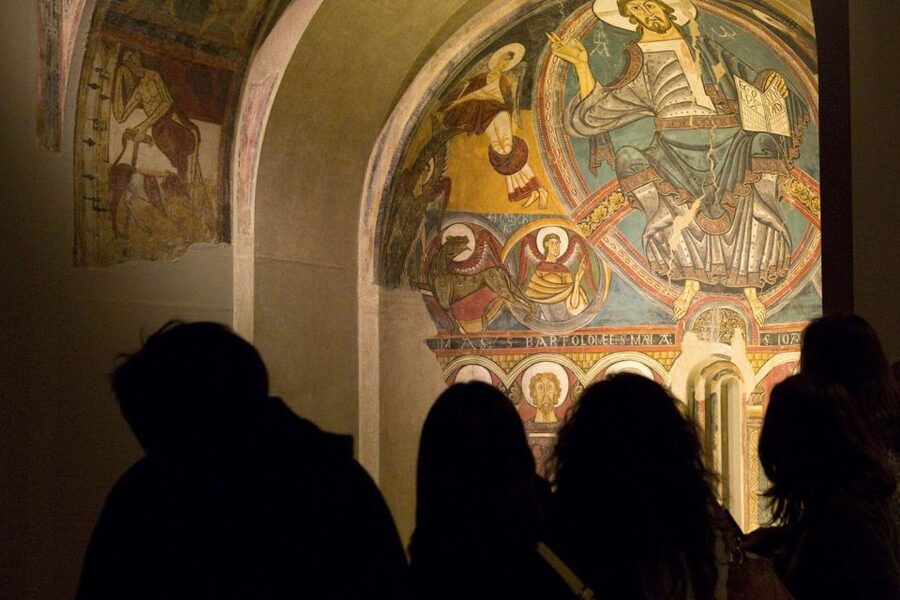
After the Romanesque rooms, continue through the Gothic and Renaissance sections. The sequence helps you see how Catalan art changed over time, both in subject and in technique.
The Gothic collection adds a different mood. Figures become more detailed, compositions change, and religious art begins to show new approaches to space and human expression. The museum’s organization makes the progression manageable, so you can follow the main movements without feeling that every room demands the same amount of attention.
The European Renaissance collection brings larger names into the picture. Tiziano is among the artists represented, giving you a chance to see Catalan art in a broader European setting. These galleries matter because they prevent the museum from feeling narrowly regional. You are still in a museum centered on Catalonia, but the artistic connections reach well beyond the region.
Give yourself permission to be selective. A museum spread across two floors can become tiring if you inspect every work at equal length. I usually choose a few pieces in each room, then slow down when something catches my eye. The included audio guide can help you decide what deserves extra time.
A different way to spend the day, same corner of Spain:
- Barcelona: Casa Batlló Entry with Self-Audioguide Tour
★ 4.7 · 25,359 reviews - Barcelona: 24 or 48-Hour Hop-On Hop-Off Bus Tour
★ 4.4 · 20,872 reviews - Barcelona: Park Guell Guided Tour with Skip The Line Entry
★ 4.7 · 17,563 reviews - Barcelona in 1 Day: Sagrada Familia, Park Guell,Old Town & Pickup
★ 5.0 · 13,541 reviews
Baroque masters and Spanish painting
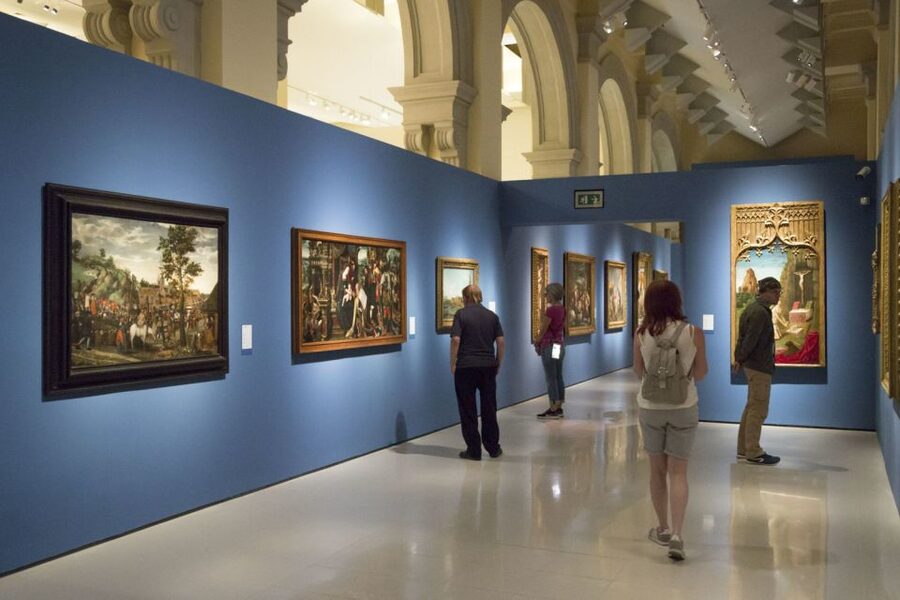
The Baroque galleries continue the museum’s move toward drama, movement, and stronger contrasts of light and shadow. Velázquez is one of the major names represented, and his presence adds weight to the Spanish section.
This part of the visit is useful for anyone who wants more than Catalan Modernism. You can compare local artistic traditions with the larger Spanish and European currents that shaped them. Tiziano and Velázquez also give the collection a clear connection to major European painting, rather than making MNAC feel like a specialist museum only for medieval art.
The exact selection and arrangement may vary with exhibitions and gallery changes, so plan to follow the museum’s signs rather than relying on a rigid route. The layout is divided into sections, which helps keep the amount of art under control. Still, you can easily spend much longer here than expected.
One practical point matters: the ticket offices close 30 minutes before the museum, and the galleries are emptied 15 minutes before closing. Do not arrive near the end of the day expecting a quick look at everything.
Catalan Modernism brings Barcelona into focus
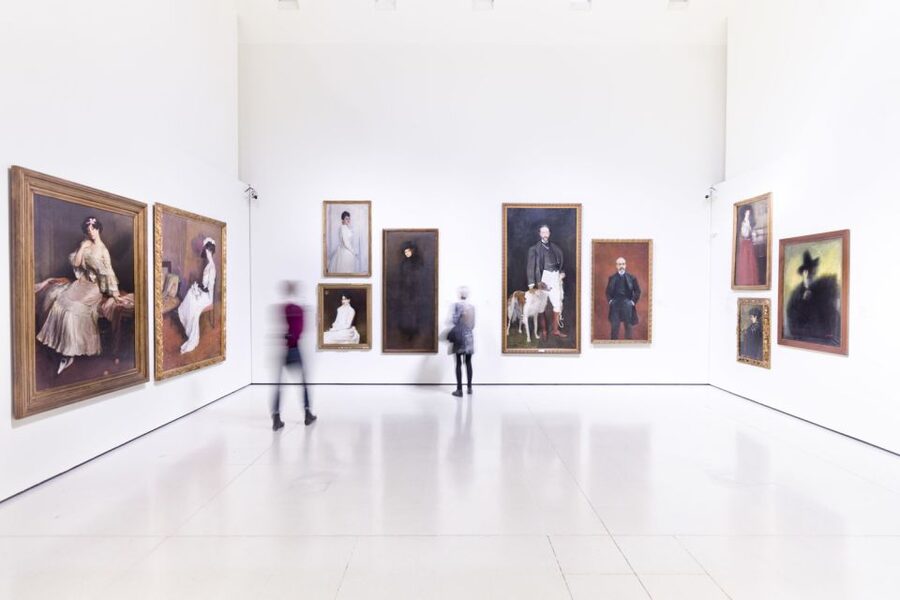
The Catalan Modernist collection may be the most immediately accessible section for many people. You will see works connected with Antoni Gaudí and Ramon Casas, among other major artists of the movement.
Modernism is woven into Barcelona’s identity, so these galleries help connect the museum visit with the city outside. If you have already admired Gaudí’s architecture, the art here adds another side to the same cultural period. Casas brings a different view of modern Barcelona, with works that reflect changing urban life and social style.
This is also a good section for visitors who are less comfortable with medieval art. The subjects, colors, and visual language may feel closer to the Barcelona you are exploring today. One visitor described the modern-art floor as a favorite, and it is easy to understand why: the works can feel lively and direct after the solemn medieval galleries.
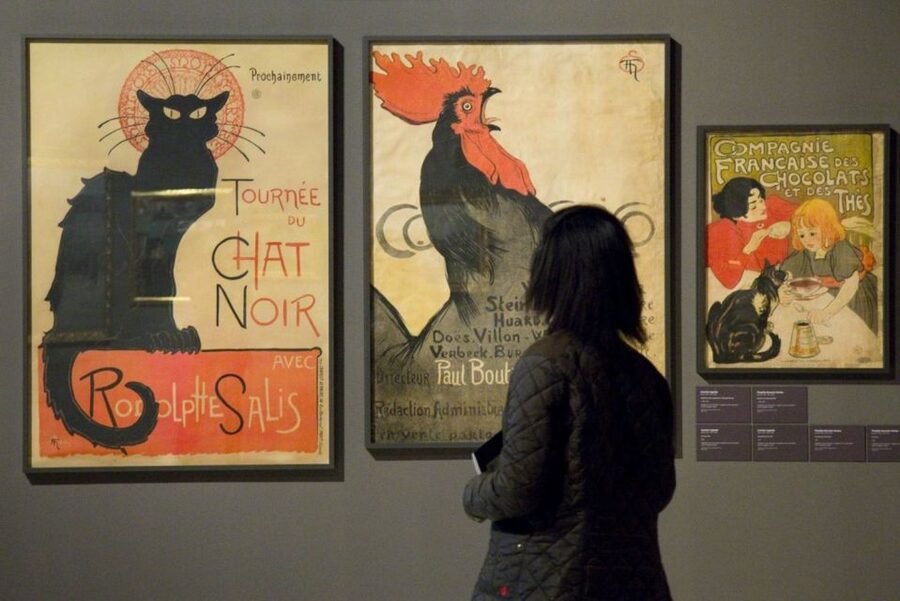
The collection also includes sculpture and photography. These additions break up the painting-heavy route and give you another way to understand Catalonia’s artistic development. If your group has mixed interests, the variety makes MNAC easier to share than a museum devoted to one narrow period.
Photography and temporary exhibitions add variety
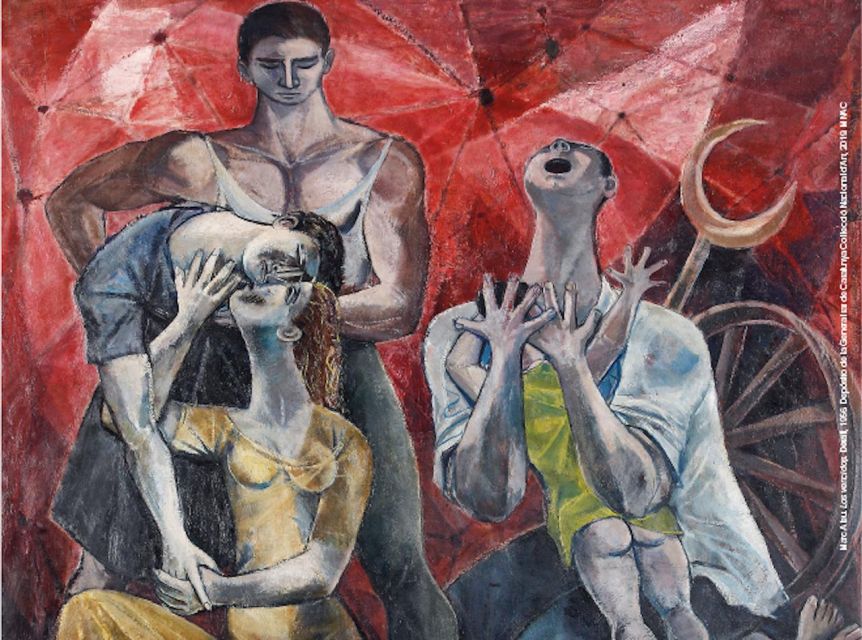
The photography collection gives the visit a welcome change of pace. It lets you move from painted and sculpted interpretations of Catalonia to images made through a camera, with different questions about place, people, and time.
Your admission includes a temporary exhibition as well as the permanent collection. That is important for value because you are not paying only to see a fixed set of rooms. The temporary show may be the part that changes most from one visit to the next, so check the current offering if a particular exhibition matters to you.
A Spanish Civil War exhibition has been described as especially moving. That subject is not a guarantee of what you will see during your visit, but it shows the range of material that may appear beyond the main art-history route. Temporary displays can add political and social context to the paintings around them.
I would allow extra time for the temporary exhibition instead of treating it as a quick add-on. If you have only one hour, you may see just one gallery, especially if you stop for photographs or use the audio guide.
The building and city views are part of the ticket’s value
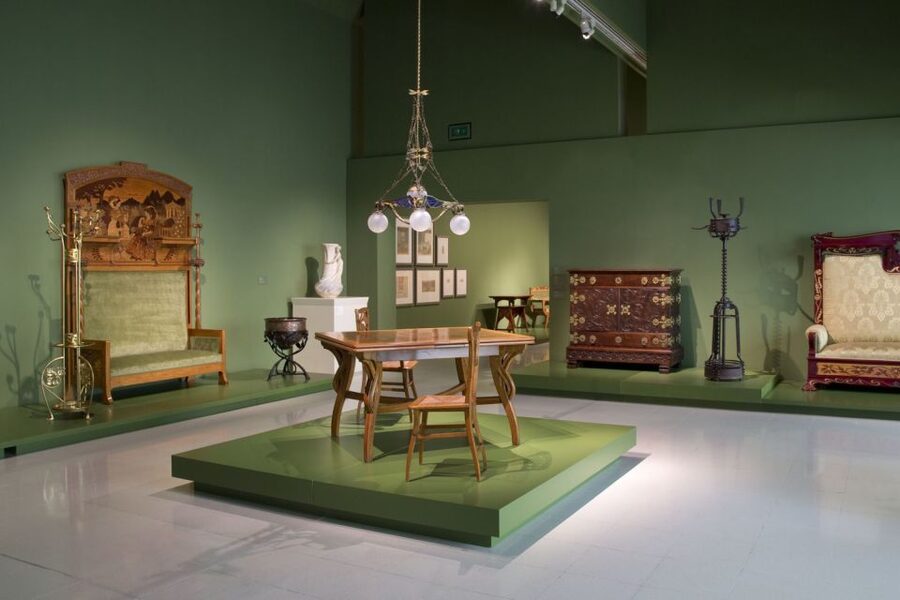
Even visitors who are not serious art fans can find a reason to visit MNAC in the building and setting. The Palau Nacional has the scale of an exposition hall, with a formal exterior and an impressive entrance. Inside, the museum uses that large structure to create spacious galleries rather than cramped corridors.
The high point, when available, is the rooftop and terrace area. From there, you can enjoy panoramic views over Barcelona, and several people consider the outlook one of the best parts of the visit. However, the current information says the terraces and rooftop are temporarily out of service. Treat the views from the approach and front of the building as the reliable part of the experience, and check the latest status before booking with the rooftop in mind.
The surrounding area also gives you places to pause for a drink or snack. A café is available on site, and the relaxed setting makes it practical to recover after the galleries. The museum’s facilities have received mixed comments, with some complaints about small or cramped toilets, while other visits found them clean. I would not choose MNAC for its amenities, but the café and outdoor areas help make a longer visit comfortable.
How much time should you set aside?
The official advice is to plan on a couple of hours. In practice, I would use this guide:
- One hour: A quick look at one or two sections, not enough for the full collection.
- Two hours: A brisk but worthwhile visit covering the main highlights.
- Three hours: A better pace for the Romanesque frescos, Modernism, and selected European works.
- Four hours: The right amount if you want to read labels, use the audio guide, and include photography or a temporary exhibition.
The museum is spread across two floors, so your energy matters. If you are visiting with children or a companion who is not interested in art, agree on a short list of must-see sections. The variety helps, but the scale can still feel like a lot.
The ticket is valid for one day, and you can check available starting times before booking. It is not described as a guided tour, so you explore independently with the smartphone audio guide rather than following a guide through the rooms.
Audio guide, languages, and access
The audio guide app is included in Catalan, Spanish, English, French, German, Italian, Russian, Japanese, and Chinese. That is a strong practical feature, especially because some medieval-art explanations may not be available in English.
Download or prepare to access the app with a charged phone, and bring headphones. Without them, you may find the audio less useful in a busy gallery, and you should not count on borrowing equipment unless the museum confirms it separately.
The museum is wheelchair accessible. The building is large and the approach can involve some walking, so accessibility does not mean every part of the route will feel effortless. Elevators are available near some access points, and you can ask museum staff for the easiest route if needed.
Is the $14 ticket good value?
At $14 per person, the ticket is good value if you plan to spend at least two hours inside. Admission includes the permanent collection, a temporary exhibition, and the audio guide app, so you are getting more than a single themed gallery.
The value drops if you have only an hour or if your main reason for going is the rooftop, since that area is currently unavailable. It can also be poor value on a free-admission occasion. MNAC offers free entry on Saturdays from 3 p.m., the first Sunday of each month, and several Catalan and Barcelona celebration days, including February 12, May 18, September 11, and September 24.
Check those dates before purchasing. If your schedule matches one of them, you may prefer to visit then, although free admission does not guarantee that you will have enough time to see the museum comfortably.
Free cancellation up to 24 hours in advance and the reserve-now, pay-later option add flexibility. Those terms are useful if your Barcelona plans are still shifting, but they should not be the main reason to book. The art, building, and location are the real value.
Who will enjoy MNAC most?
I recommend MNAC to you if you want to understand Catalan culture beyond the most famous modern attractions. It is especially suitable for:
- Art lovers who want Romanesque frescos and Catalan Modernism in one visit.
- Visitors interested in Gaudí, Casas, Tiziano, Velázquez, and photography.
- Anyone looking for a quieter cultural stop after Barcelona’s busiest sights.
- Couples and solo visitors who enjoy setting their own pace.
- Families or groups with mixed interests, thanks to the range of periods and the outdoor setting.
- Wheelchair users who need an accessible museum.
You may want to choose a shorter visit if medieval art does not interest you and your schedule is tight. The Modernist galleries and building could still make the trip worthwhile, but you would be paying for a large collection you may not have time to explore.
Should you book the MNAC entrance ticket?
Book it if you want a serious art museum with an easy independent format, a broad collection, and a memorable Montjuïc setting. The Romanesque murals are the strongest reason to go, while the Modernist works, European masters, photography, and temporary exhibition keep the visit from feeling narrow.
Before paying, check the free-admission dates and confirm the rooftop status. If you can spare two to four hours, $14 is a fair price. If you have only one hour, wait for a shorter plan or choose a more focused museum. For most people with room in their Barcelona schedule, MNAC is a smart counterpoint to the city’s Gaudí circuit.
FAQ
Where is the Museu Nacional d’Art de Catalunya?
The museum is at Palau Nacional s/n, Parc de Montjuïc, 08038 Barcelona, on Montjuïc mountain.
How long is the ticket valid?
The ticket is valid for one day. You should check availability for the available starting times when booking.
What does admission include?
Admission includes the permanent collection, a temporary exhibition, and an audio guide app for your smartphone.
Is the audio guide included?
Yes. The audio guide app is included with the ticket.
Which languages are available for the audio guide?
The app is available in Catalan, Spanish, English, French, German, Italian, Russian, Japanese, and Chinese.
What should I bring?
Bring a charged smartphone and headphones to use the audio guide app.
Is the museum wheelchair accessible?
Yes, the museum is wheelchair accessible.
Is the rooftop open?
The terraces and rooftop are temporarily out of service because of the difficulty of managing and complying with current health regulations. Check the latest status before your visit.
When is entry free?
Entry is free on Saturdays from 3 p.m., the first Sunday of each month, February 12, May 18, September 11, and September 24.
Recently reviewed around Barcelona
- Excursion Aigüestortes – Estany Llebreta (1/2 day)★ 5.0 · 138 reviews
- E-Bike tour in Barcelona with English Guide★ 5.0 · 128 reviews
- Wine Tasting Experience in Barcelona★ 5.0 · 172 reviews
- Barcelona Luxury Yacht Cruise – Day or Sunset, Open Bar & Snacks★ 5.0 · 154 reviews
- Montserrat: Cog-Wheel, Basilica, Black Madonna & Licor Tasting★ 4.5 · 886 reviews
- Barcelona Wax Museum Admission Ticket★ 4.5 · 237 reviews
- Barcelona: Wine Tasting and 5 Course Tapas Pairing Dinner★ 4.5 · 129 reviews
- Andorra Original History and Sightseeing Tour (Private, Pickup)★ 5.0 · 350 reviews
Tickets, compared.
Sagrada Familia Entry Ticket with Audio Guide
Read our review →